




Brain Health Revolution: Dietary Strategies That Could Rewrite Aging Narratives
- Emerging nutritional insights transforming cognitive decline prevention for aging populations


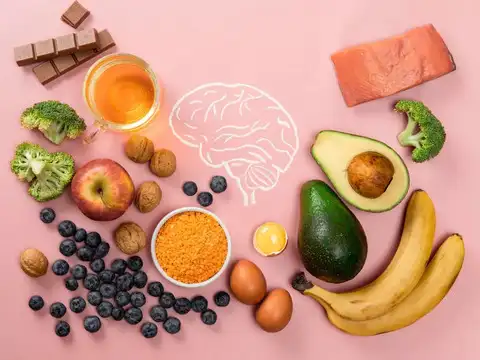




Overview
The convergence of recent nutritional research is unveiling a groundbreaking perspective on brain health: diet is not just sustenance, but a powerful neurological intervention strategy. Emerging studies are demonstrating how targeted dietary choices could potentially shield the brain from age-related cognitive decline, offering unprecedented hope for managing neurological aging.
Nutritional neuroscience is rapidly evolving, with three key studies highlighting transformative dietary approaches. The Mind diet represents a sophisticated nutritional framework combining Mediterranean and Dash diet principles, emphasizing foods like leafy greens, berries, nuts, and olive oil. This approach isn't just about general health—it's a targeted strategy for cognitive preservation, with research suggesting significant potential in slowing neurological deterioration.
A groundbreaking Boston University study on calorie restriction provides even more compelling evidence. By examining rhesus monkeys over two decades, researchers discovered that reducing caloric intake by 30% could dramatically protect brain health. The study revealed critical metabolic adaptations that slow neurological aging, specifically highlighting improvements in myelin-related gene activity and cellular maintenance mechanisms. This research suggests that dietary intervention isn't just preventative—it's a potential reset button for neurological aging processes.
Perhaps most intriguingly, a longitudinal study on egg consumption revealed a 47% reduction in Alzheimer's risk for individuals consuming at least one egg weekly. Researchers attribute this protective effect to specific nutritional components like choline and omega-3 fatty acids, which appear to have profound neuroprotective properties. With Alzheimer's projected to affect nearly 13 million Americans by 2050, such dietary insights represent more than academic curiosity—they're a potential public health revolution.
The emerging narrative is clear: brain health is increasingly viewed as a modifiable condition, not an inevitable decline. These studies collectively suggest that strategic nutritional choices can actively influence neurological aging, transforming our understanding of cognitive preservation from passive acceptance to active management.
Questions 3
What makes eggs potentially beneficial for brain health?
Eggs contain high levels of choline and omega-3 fatty acids, which have demonstrated neuroprotective properties. A longitudinal study found that consuming at least one egg per week could reduce Alzheimer's risk by 47%, with researchers attributing this to the unique nutritional profile that supports neural maintenance and protection.
How can diet specifically protect against cognitive decline?
Research shows targeted nutritional approaches like the Mind diet can slow neurological deterioration. Specific foods like leafy greens, berries, nuts, and olive oil contain compounds that support neural health, potentially reducing Alzheimer's risk by maintaining cellular efficiency and protecting against protein build-up.