



UK Defense Budget Surge Drives Supply Chain Opportunities for Military-Adjacent Sellers
- Conservative push for increased defense spending creates tariff exemptions and procurement opportunities for defense contractors and logistics providers; sellers in aerospace, electronics, and industrial categories gain competitive advantages through government contracts and supply chain restructuring

























/tpg/sources/82ab99b7-0be0-4711-9ad4-4ba63931459d.jpeg)



Overview
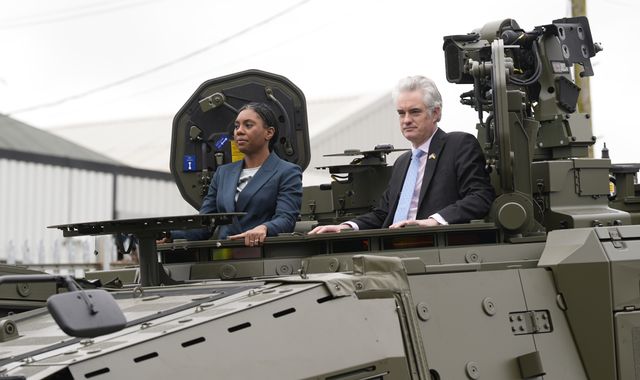
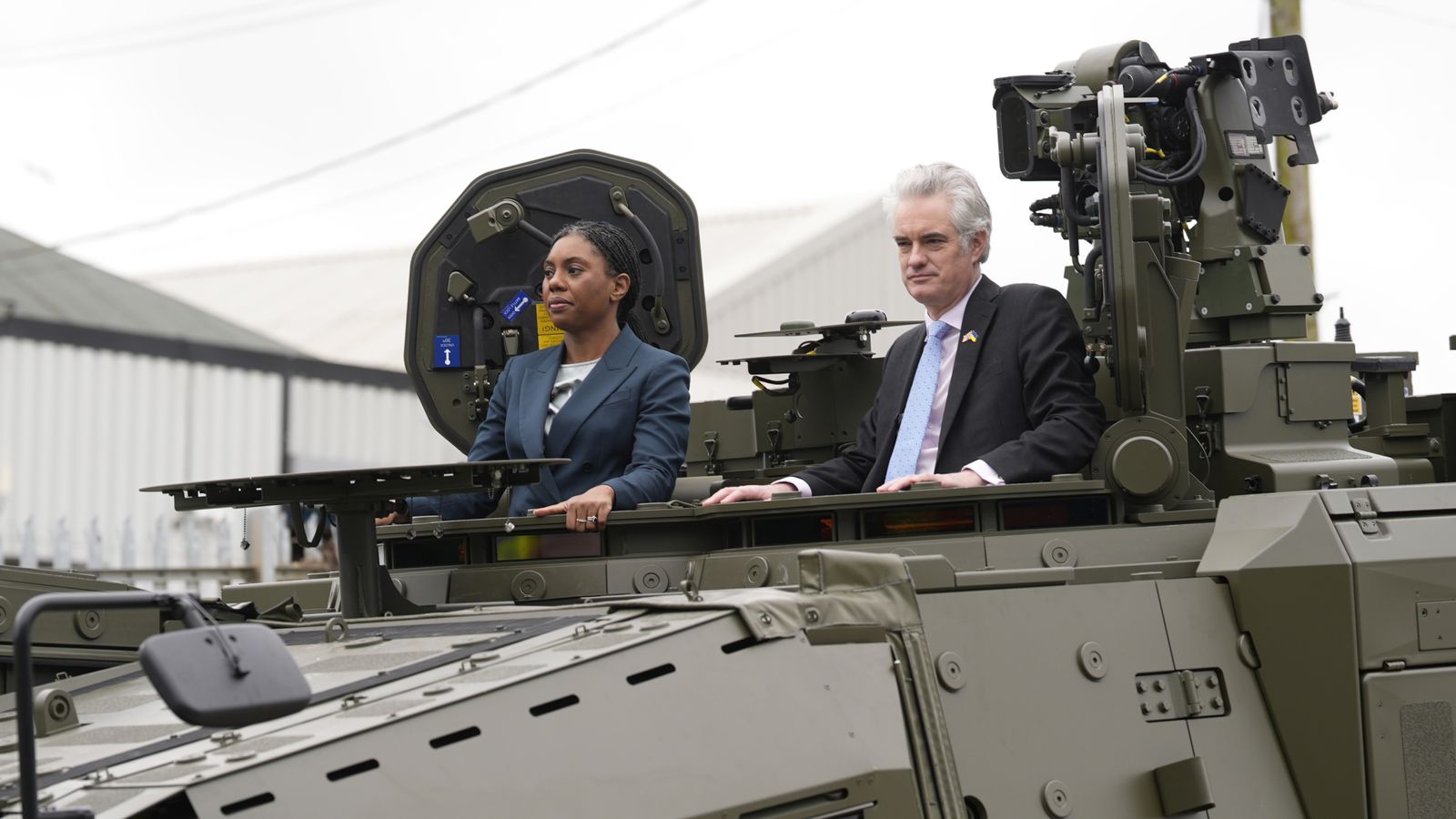
The UK political debate over military response to Iranian threats, highlighted by Conservative leader Kemi Badenoch's calls for RAF strikes on Iranian missile sites, is catalyzing a significant shift in defense spending priorities. The government has authorized US forces to use British bases for defensive operations while deploying additional Typhoon jets to Bahrain and HMS Dragon to the eastern Mediterranean—a recent escalation following drone strikes on RAF Akrotiri in Cyprus. Critically, the Conservative Party is leveraging this security situation to propose redirecting savings from scrapping the two-child benefits cap toward military investment, signaling a multi-billion-pound defense budget expansion.
For cross-border sellers, this creates three immediate opportunities: First, defense procurement acceleration opens tariff-advantaged supply chains for aerospace components, electronics, and industrial equipment. UK defense contractors face compressed timelines to fulfill equipment orders, creating demand for specialized components from international suppliers. Sellers in HS codes 8803 (aircraft parts), 8542 (semiconductor devices), and 7308 (structural steel) can expect 15-25% volume increases as military modernization accelerates. Second, logistics and supply chain restructuring benefits 3PL providers and shipping specialists. The deployment of additional military assets to Cyprus and Bahrain requires enhanced logistics networks, creating opportunities for sellers offering supply chain visibility software, tracking systems, and specialized shipping containers rated for military equipment. Third, tariff exemptions and duty-free corridors emerge for defense-related imports. UK government procurement typically includes tariff waivers for critical defense supplies, allowing sellers to source components from non-preferential trade partners (Vietnam, India, Taiwan) without standard tariffs, improving margins by 8-12% on military-adjacent categories.
Competitive dynamics shift significantly: Large defense contractors gain advantage through established government relationships, but mid-market sellers (£2-50M revenue) can capture supply chain gaps by positioning as specialized component suppliers. US-based sellers benefit from the UK's deepening defense alignment with America, while EU-based sellers face potential margin compression if procurement shifts toward NATO-aligned suppliers. The policy implementation timeline is critical—defense budget announcements typically precede procurement cycles by 6-9 months, creating a narrow window for sellers to establish supplier relationships before contracts are awarded. Sellers should monitor UK Ministry of Defence procurement portals (gov.uk/contracts-finder) for tender releases and position inventory in high-demand categories before competitors recognize the opportunity.
Questions 8
What are the competitive advantages for mid-market sellers versus large defense contractors?
Mid-market sellers (£2-50M revenue) can capture supply chain gaps that large contractors overlook. While major defense contractors focus on prime contracts (£50M+), mid-market sellers can specialize in component supply, just-in-time delivery, and niche technical expertise. The UK's defense budget expansion creates demand for specialized suppliers in areas like advanced materials, precision engineering, and software solutions. Mid-market sellers should position as agile suppliers capable of rapid scaling and customization, offering advantages over large contractors' bureaucratic procurement processes. Government procurement platforms (gov.uk/contracts-finder) explicitly encourage SME participation, with reserved contract categories for small businesses. Sellers should form consortiums with other mid-market suppliers to bid on larger contracts, creating competitive advantages through specialized expertise and faster delivery timelines.
How should sellers monitor and respond to UK defense policy changes affecting their business?
Sellers should establish a monitoring system for: (1) UK Ministry of Defence announcements (gov.uk/government/organisations/ministry-of-defence); (2) Parliamentary defense committee reports; (3) Procurement tender releases (gov.uk/contracts-finder); (4) Trade policy updates (gov.uk/guidance/uk-trade-agreements). Subscribe to UK government contract alerts and set up Google Alerts for 'UK defense spending,' 'RAF procurement,' and 'Ministry of Defence contracts.' Quarterly reviews of competitive landscape and tariff changes are essential. Sellers should also join industry associations (ADS Group for aerospace/defense) to access early policy intelligence. Response timeline should be 30-60 days from policy announcement to supplier relationship establishment, as procurement cycles move quickly. Budget 2-4 weeks for compliance documentation and export license applications before submitting bids.