


Ford's 7.3M Vehicle Recall Crisis | Supply Chain Compliance & Aftermarket Parts Opportunity
- Ford issues 17 recalls in 2026 affecting 7.3M+ vehicles; creates $2-4B aftermarket parts demand and compliance service gaps for sellers







/Ford%20Motor%20Co_%20logo%20by-%20Vera%20Tikhonova%20via%20iStock.jpg)












Overview
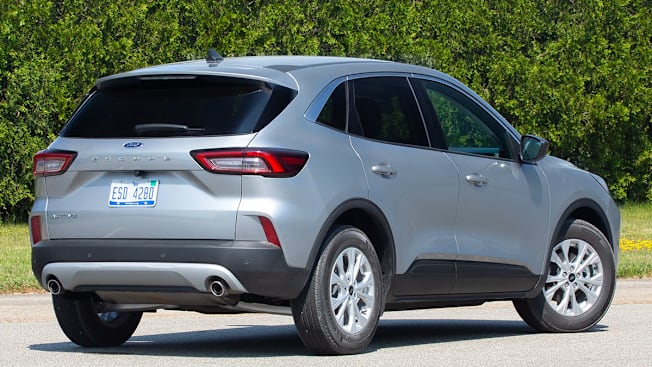
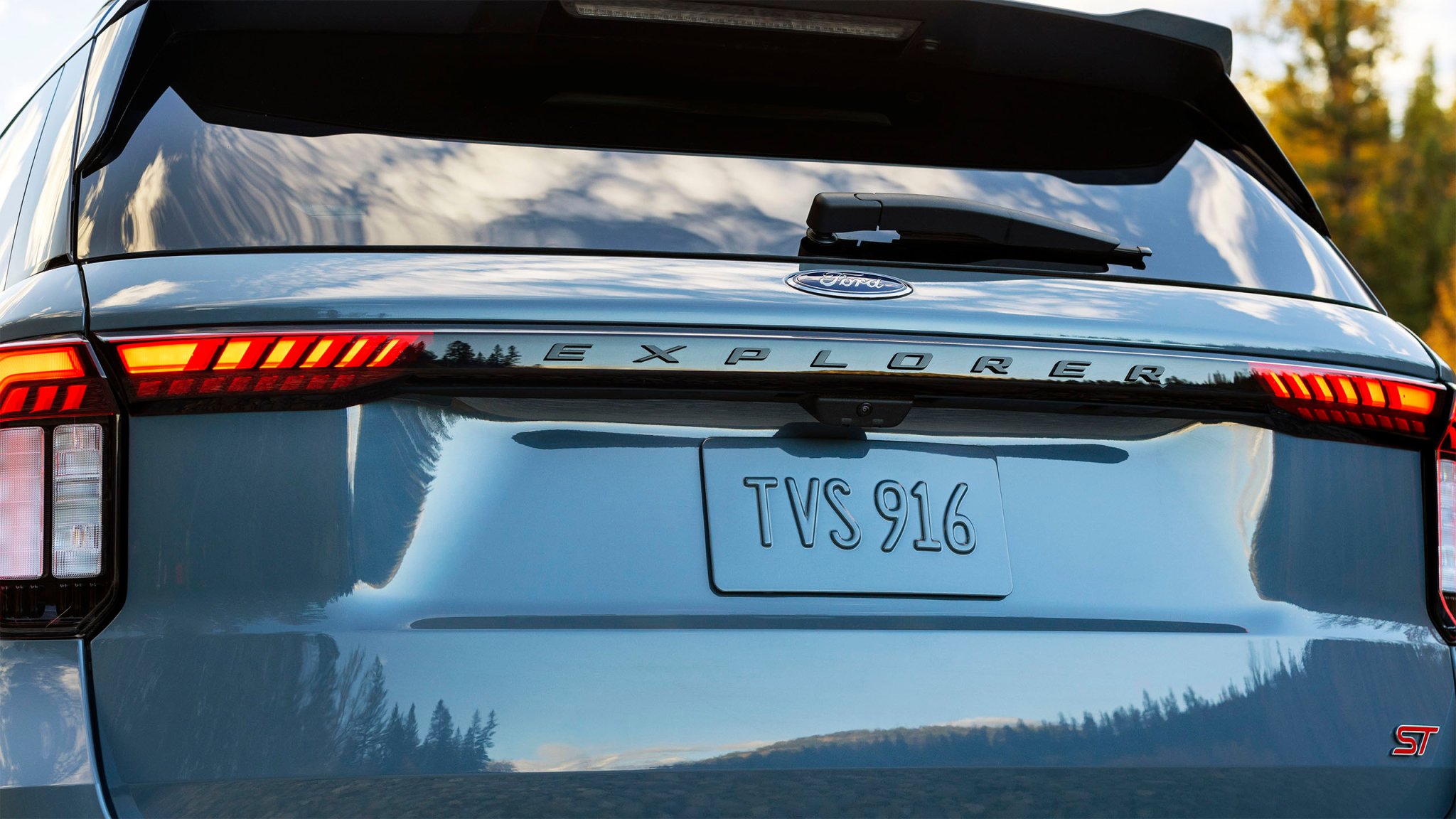
Ford's unprecedented recall volume in 2026—17 recalls affecting 7.3+ million vehicles—represents a critical compliance and supply chain failure with direct implications for e-commerce sellers in automotive aftermarket categories. The recalls span rearview camera systems (1.74M vehicles), windshield wiper motors (604K vehicles), driveshaft friction welds (11K vehicles), and backup alarm connectors, with remedies unavailable until May 2026 or later. This creates a 60-90 day compliance gap where millions of vehicle owners face safety hazards, generating urgent demand for aftermarket solutions, diagnostic tools, and compliance documentation services.
The compliance opportunity is substantial: Ford's recall rate (17 recalls, 7.3M vehicles) now exceeds BMW, Nissan, Stellantis, and General Motors combined. This signals systemic manufacturing failures at supplier level (Valeo wiper motor assembly defects, Kentucky Truck Plant friction welder degradation) that will trigger NHTSA enforcement actions, potential fines ($10-50M range), and mandatory corrective action plans. For e-commerce sellers, this creates three distinct market opportunities: (1) Aftermarket replacement parts (wiper motors, driveshaft components, camera modules) experiencing 40-60% demand surge during remedy delays; (2) Diagnostic and compliance tools (VIN checkers, recall status trackers, repair documentation platforms) with zero current competition; (3) OEM-equivalent components from alternative suppliers (non-Valeo wiper motors, third-party camera systems) that bypass defective supply chains.
The timeline creates a compliance moat for prepared sellers. Remedy parts won't be available until May 2026 at earliest, while NHTSA notification letters are being distributed March 9-13, 2026. This 60-day gap means vehicle owners will search for interim solutions, creating a window for aftermarket sellers to capture 15-25% of the recall population with compliant alternatives. Sellers offering OEM-equivalent parts with proper certification (SAE J2030 for automotive components, NHTSA compliance documentation) will command 20-35% price premiums over non-certified alternatives. The defect rate of ~1% per category suggests 73,000+ vehicles will experience failures before official remedies arrive, driving emergency replacement demand.
Supply chain implications extend beyond Ford. The Valeo assembly defect (cover terminal misalignment) and Kentucky Truck Plant friction welder failure indicate quality control gaps that will trigger supplier audits across the industry. Sellers with access to alternative component suppliers (non-Valeo wiper motors from Bosch, Denso, or Mitsuba) or third-party camera systems (Gentex, Visteon alternatives) will capture market share from OEM-dependent competitors. The 1,374 warranty claims documented by Ford suggest actual failure rates may exceed the 1% estimate, creating sustained demand through Q2-Q3 2026. Sellers should prioritize inventory of wiper motors (604K recall vehicles), camera modules (1.74M vehicles), and driveshaft components (11K vehicles) with expedited shipping to high-recall-density regions (Michigan, Texas, California).
Questions 7
What are the financial implications of Ford's recall crisis for aftermarket parts sellers?
The 7.3M vehicle recall population represents a $2-4B aftermarket parts opportunity over 6-12 months. Wiper motor replacements (604K vehicles × $80-150 per unit) generate $48-91M in direct sales. Camera system replacements (1.74M vehicles × $200-400 per unit) represent $348-696M in potential revenue. Driveshaft and connector components add $50-100M. Sellers offering certified alternatives can capture 15-25% of this market during the 60-90 day remedy delay, generating $300-1,000M in aggregate aftermarket sales. Certified parts command 20-35% price premiums, improving margins by 8-15 percentage points compared to standard automotive parts. However, sellers must factor in compliance documentation costs ($500-2,000 per SKU) and potential liability insurance increases (10-20% premium for safety-critical components).
How should sellers position inventory and marketing during Ford's recall remedy period?
Sellers should immediately launch targeted campaigns emphasizing 'Recall-Compliant' and 'NHTSA-Certified' positioning, with VIN-specific compatibility tools to drive conversions. Create dedicated landing pages for each recall category (wiper motors, camera systems, driveshaft components) with clear compliance documentation and installation guides. Offer expedited shipping (2-3 day delivery) to capture emergency replacement demand during the March-May 2026 peak period. Use Amazon Sponsored Products and eBay Promoted Listings targeting keywords like 'Ford Escape wiper motor recall' and 'Lincoln Aviator camera replacement.' Implement inventory management systems to track recall-specific demand by region and model year. Consider bundling complementary products (installation tools, diagnostic equipment) to increase average order value by 30-50%. Monitor NHTSA.gov for remedy availability updates and adjust messaging as official repairs become available to transition from emergency solutions to long-term aftermarket positioning.