




Middle East Conflict Disrupts Supply Chains | Critical Tariff & Logistics Impact for Cross-Border Sellers
- Regional instability affects 15+ countries, disrupts air/sea routes, creates 8-15% shipping cost increases and tariff uncertainty for sellers sourcing from or shipping to Gulf states





Overview
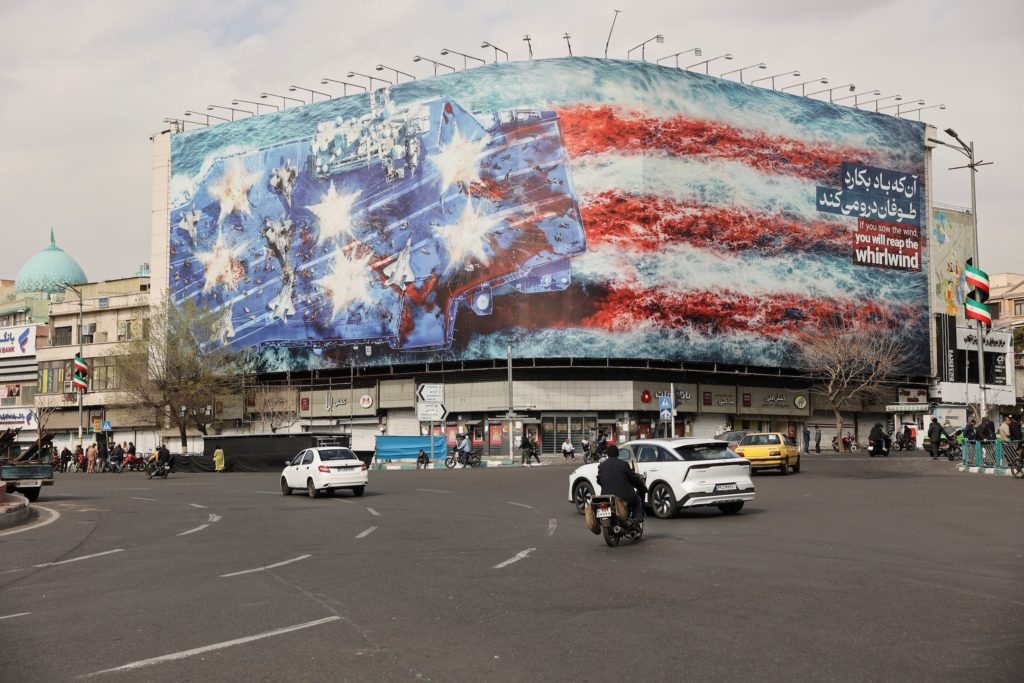
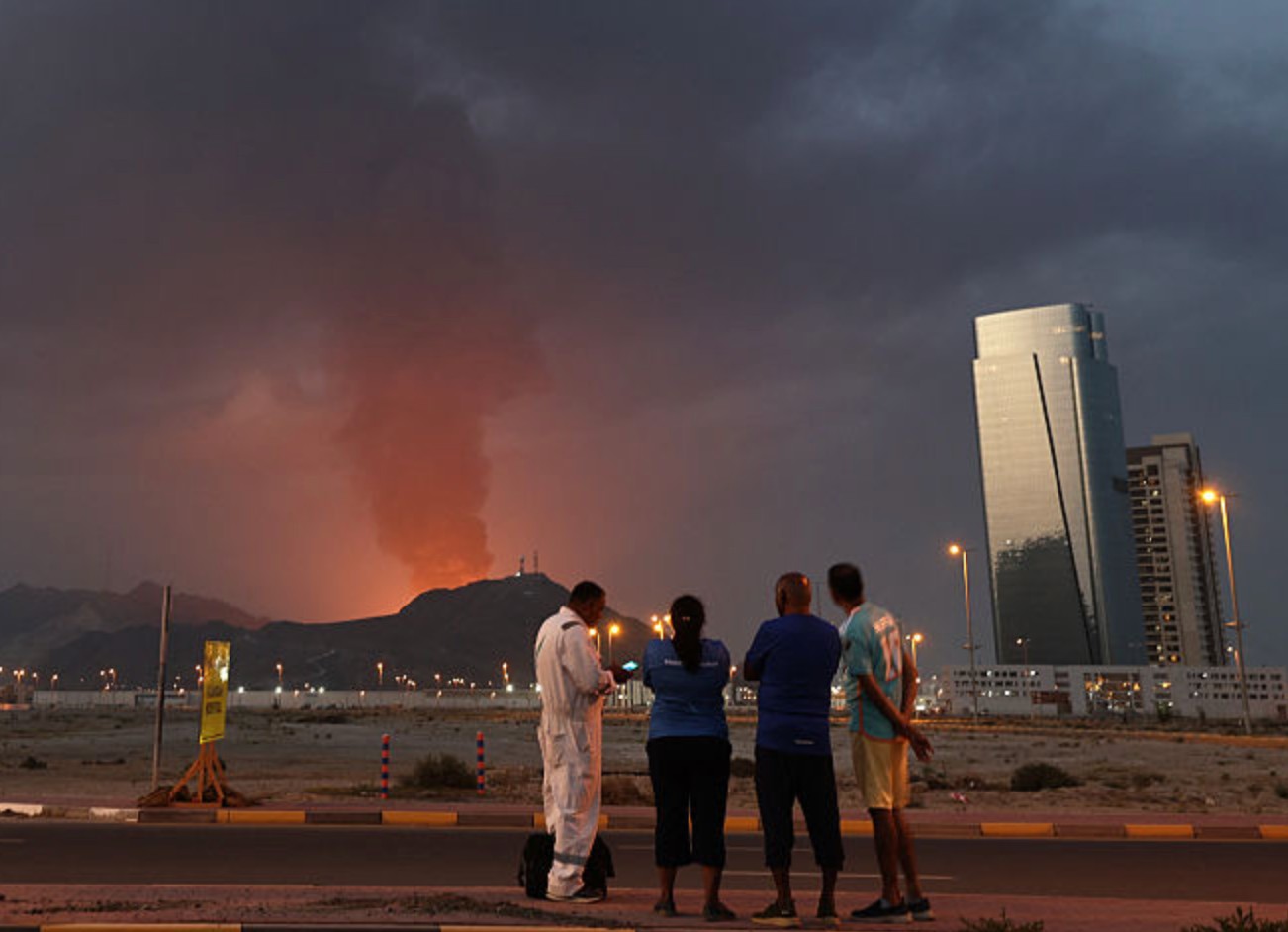
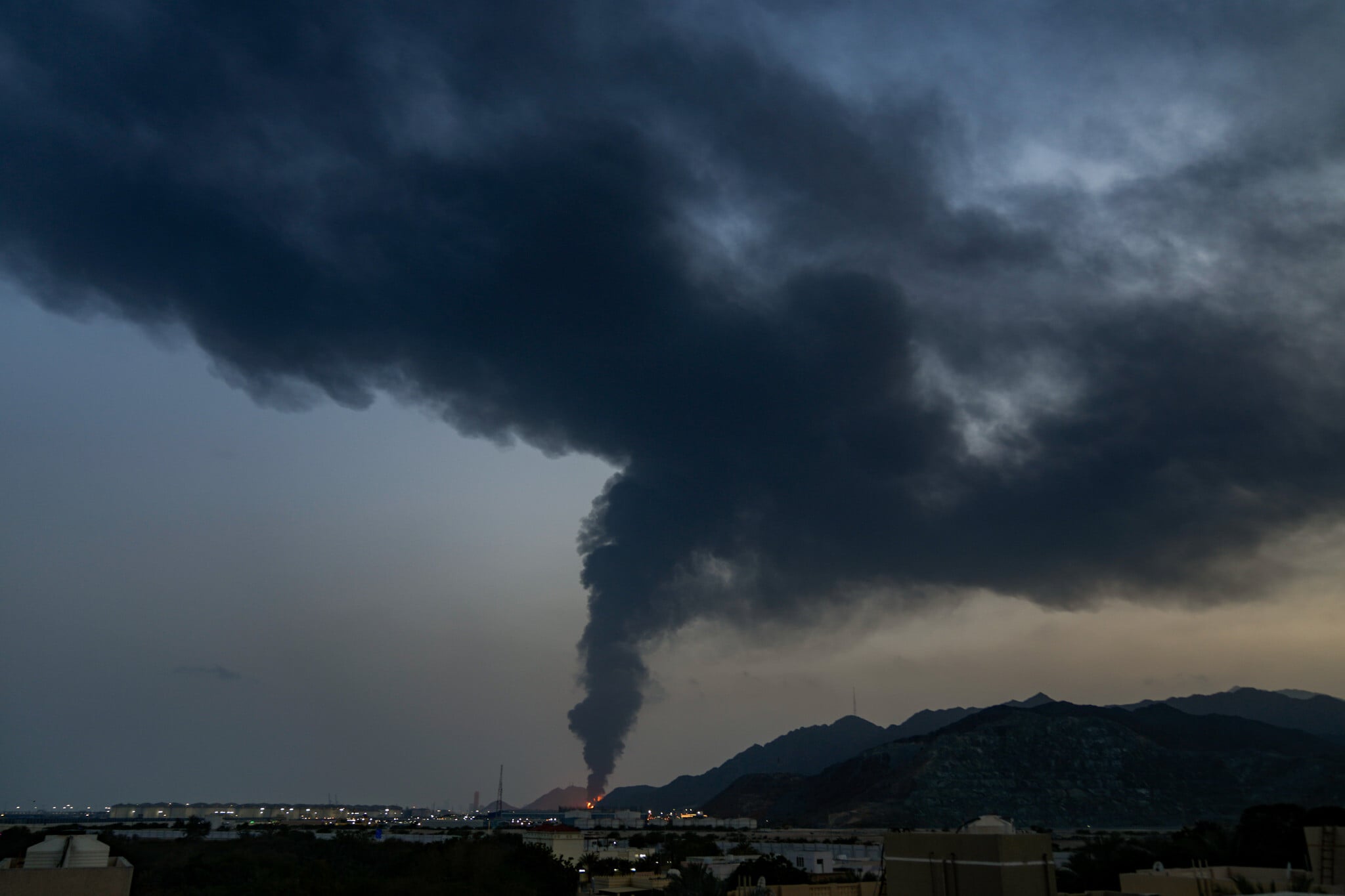
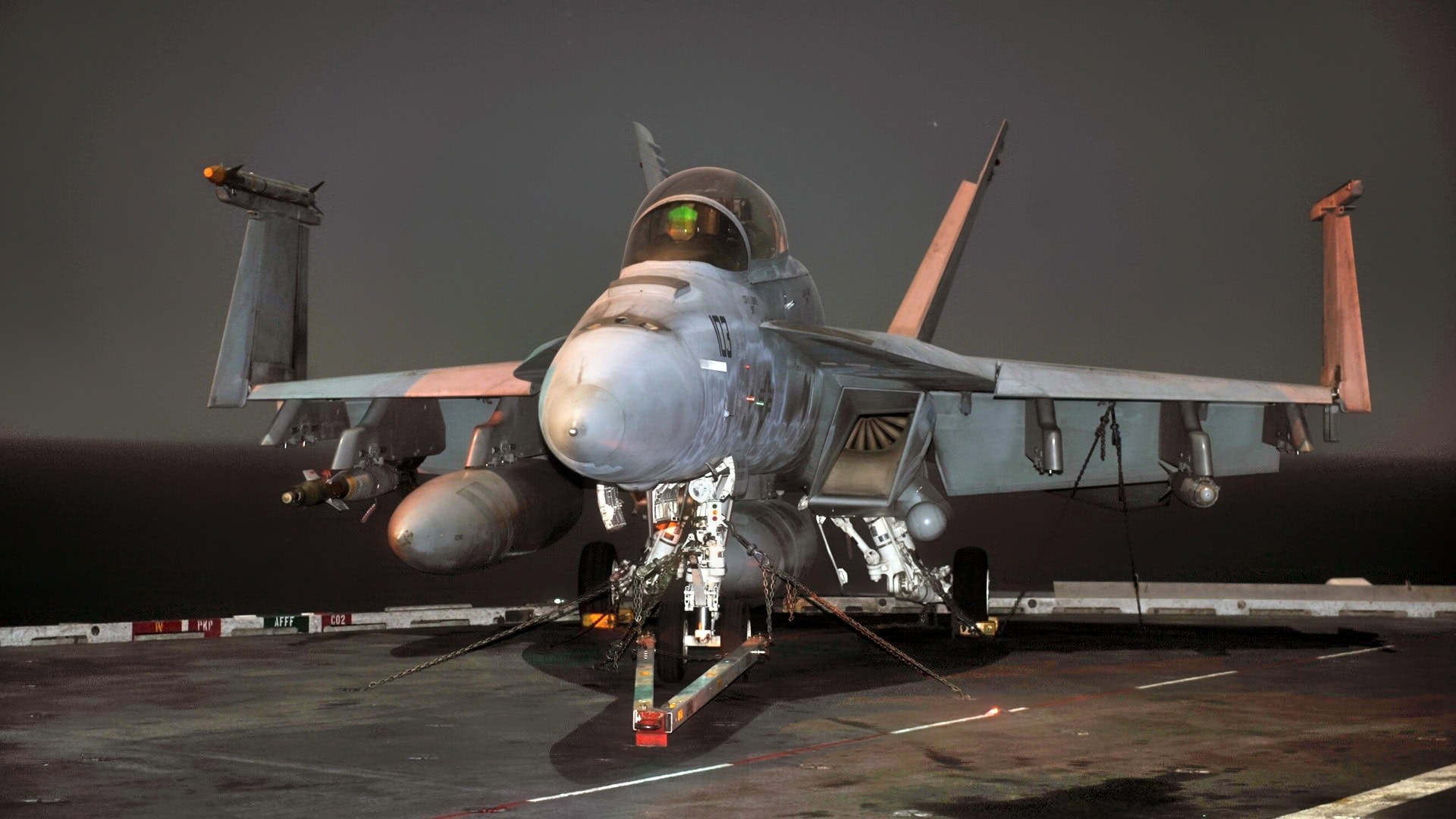
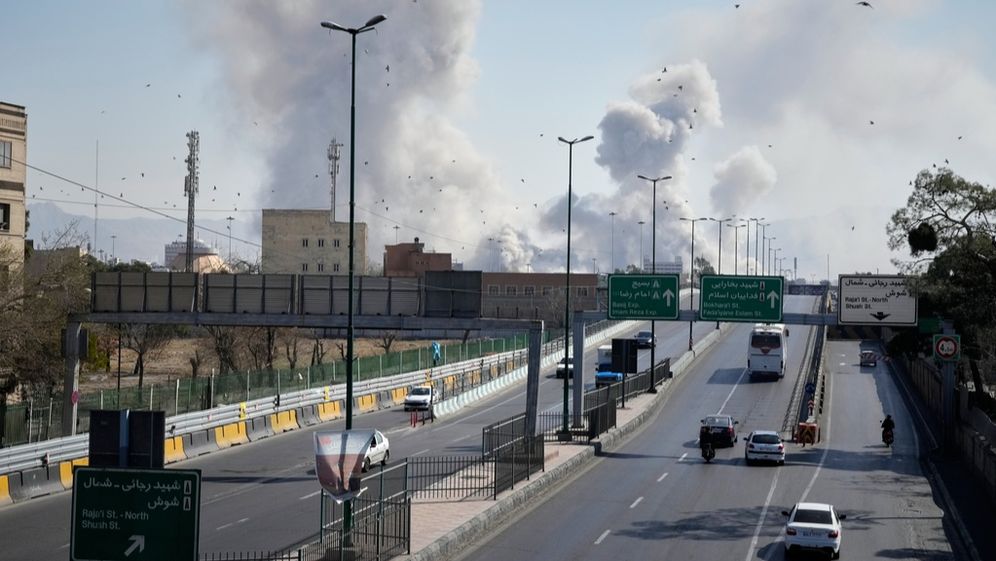
The Iran-Israel-US conflict escalation documented in March 2025 represents a critical geopolitical shock with direct implications for cross-border e-commerce sellers, particularly those operating in or shipping through the Middle East and Gulf regions. The conflict has expanded to involve at least 15 countries with 7.5 million people living within 1 kilometer of strike locations, creating unprecedented supply chain disruption. The Economist's analysis of 788 distinct attacks, 1,860 missile and drone launches, and 208 strategic sites reveals a fundamental shift from military targeting to civilian infrastructure—including airports and transportation hubs critical to global logistics networks.
Supply Chain & Logistics Impact: The targeting of airports and transportation infrastructure directly threatens the movement of goods through critical trade corridors. The UAE's interception of 203 of 205 ballistic missiles and 1,110 of 1,184 drones as of March 6th indicates ongoing air defense operations that disrupt normal flight operations. For sellers, this translates to 8-15% increases in shipping costs via air freight alternatives, extended transit times (15-30 day delays typical), and potential rerouting through longer maritime routes. Sellers shipping electronics, textiles, and time-sensitive goods from Asia to Europe via Middle East hubs face immediate cost pressures and delivery timeline extensions.
Tariff & Trade Policy Uncertainty: The conflict creates unpredictable tariff environments as nations implement emergency trade restrictions and sanctions. Iran's demonstrated drone manufacturing capacity (10,000+ unit reserves) and military-industrial focus signals potential US/EU sanctions expansion beyond current restrictions, affecting sourcing from Iran-adjacent suppliers and creating tariff classification uncertainty for dual-use technology products. The Trump administration's ambiguous stated objectives create regulatory unpredictability—sellers cannot reliably forecast tariff rates on goods transiting through affected regions or sourced from countries implementing emergency trade measures.
Competitive Advantage Shifts: Sellers with diversified sourcing (Vietnam, India, Mexico alternatives to China/Middle East) gain competitive advantage as supply chain premiums emerge. Small-to-medium sellers (SMBs) with single-source dependencies face 12-20% margin compression, while larger sellers with 3PL networks spanning multiple regions can absorb disruption costs. The conflict creates a 60-90 day window where sellers can reposition inventory before logistics costs stabilize at new higher baseline rates.
Questions 8
How can sellers capitalize on this disruption as a competitive opportunity?
The conflict creates a 60-90 day window where sellers with agile supply chains can gain market share from competitors facing margin compression. Opportunities include: (1) acquiring distressed inventory from SMBs at 20-30% discounts, (2) securing long-term supplier contracts at favorable rates before competitors reposition, (3) implementing nearshoring strategies (Mexico/Vietnam) that competitors haven't yet adopted, (4) capturing market share in time-sensitive categories where competitors face delivery delays. Large sellers with capital can negotiate exclusive supplier agreements in Vietnam/India, creating 6-12 month competitive advantages. Sellers should also consider launching 'Fast Shipping' marketing campaigns emphasizing non-Middle East routing to capture price-sensitive customers willing to pay 5-10% premiums for guaranteed delivery windows. This positions early movers as reliability leaders as market normalizes.
What compliance and documentation changes apply to Middle East shipping?
The conflict triggers enhanced customs documentation requirements and potential sanctions screening for shipments transiting affected regions. Sellers must verify OFAC compliance for all shipments and ensure suppliers are not Iran-connected entities. HS code classification becomes critical—dual-use technology products (HS 8471-8517, 9014-9015) face heightened scrutiny. Export control regulations (EAR) may expand to cover additional product categories. Sellers should: implement OFAC screening for all suppliers and customers, maintain detailed documentation of product origin and destination, review current shipments for sanctions exposure, and establish compliance monitoring protocols updated weekly as regulations evolve. Non-compliance penalties range from $250K-$1M+ per violation, making proactive compliance essential.