



Middle East Conflict Escalation Reshapes Global Supply Chains | Cross-Border Seller Impact 2025
- Iran-Israel-US conflict disrupts 15-country trade corridors; sellers face 8-15% shipping cost increases to Gulf states and 3-6 week logistics delays through March 2025





Overview
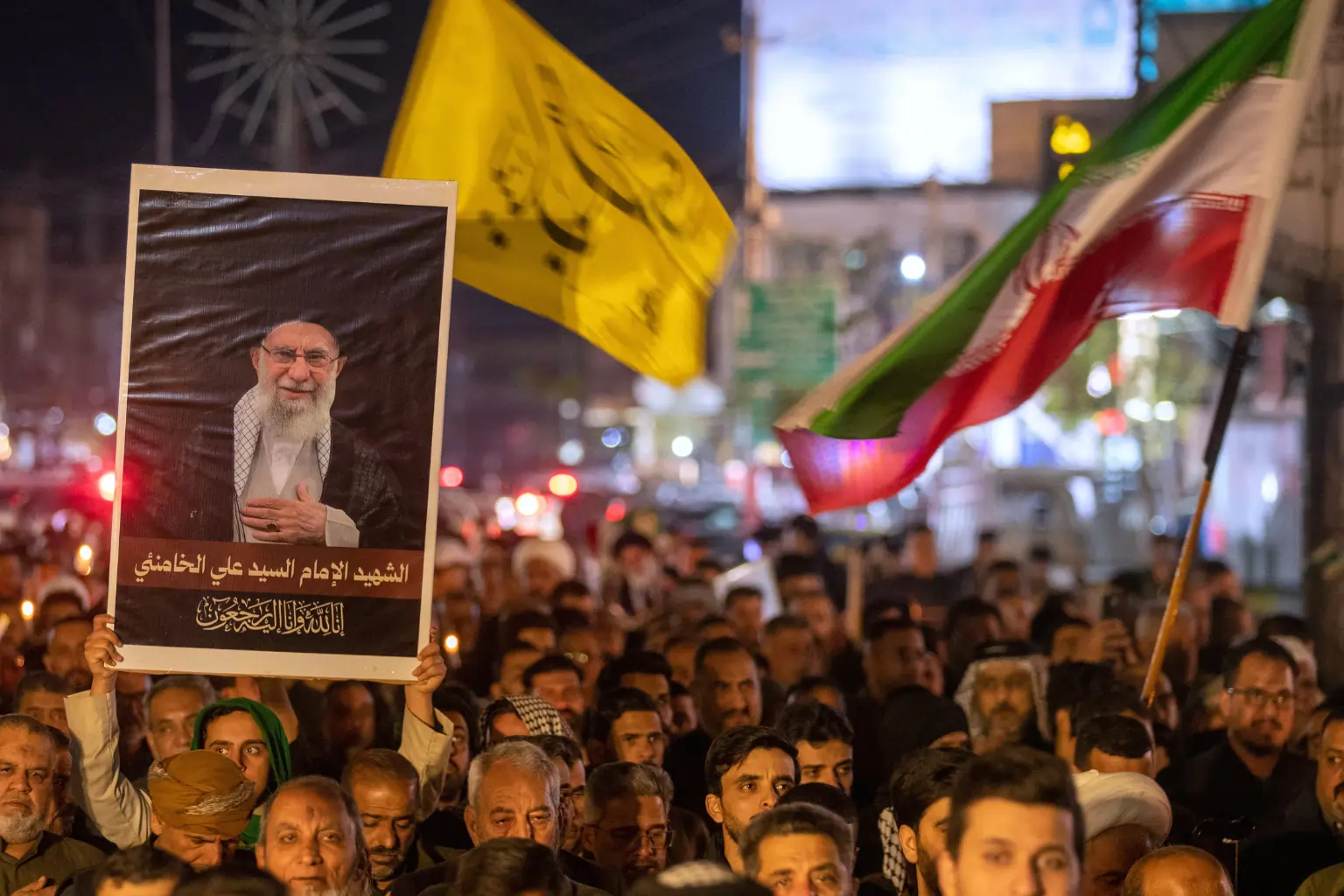
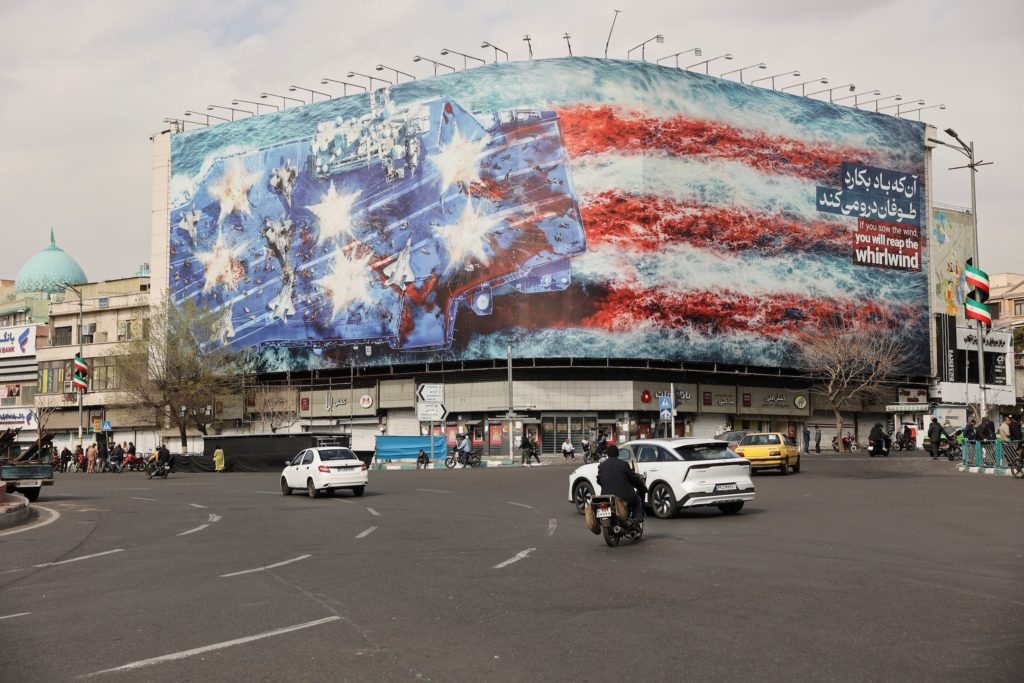
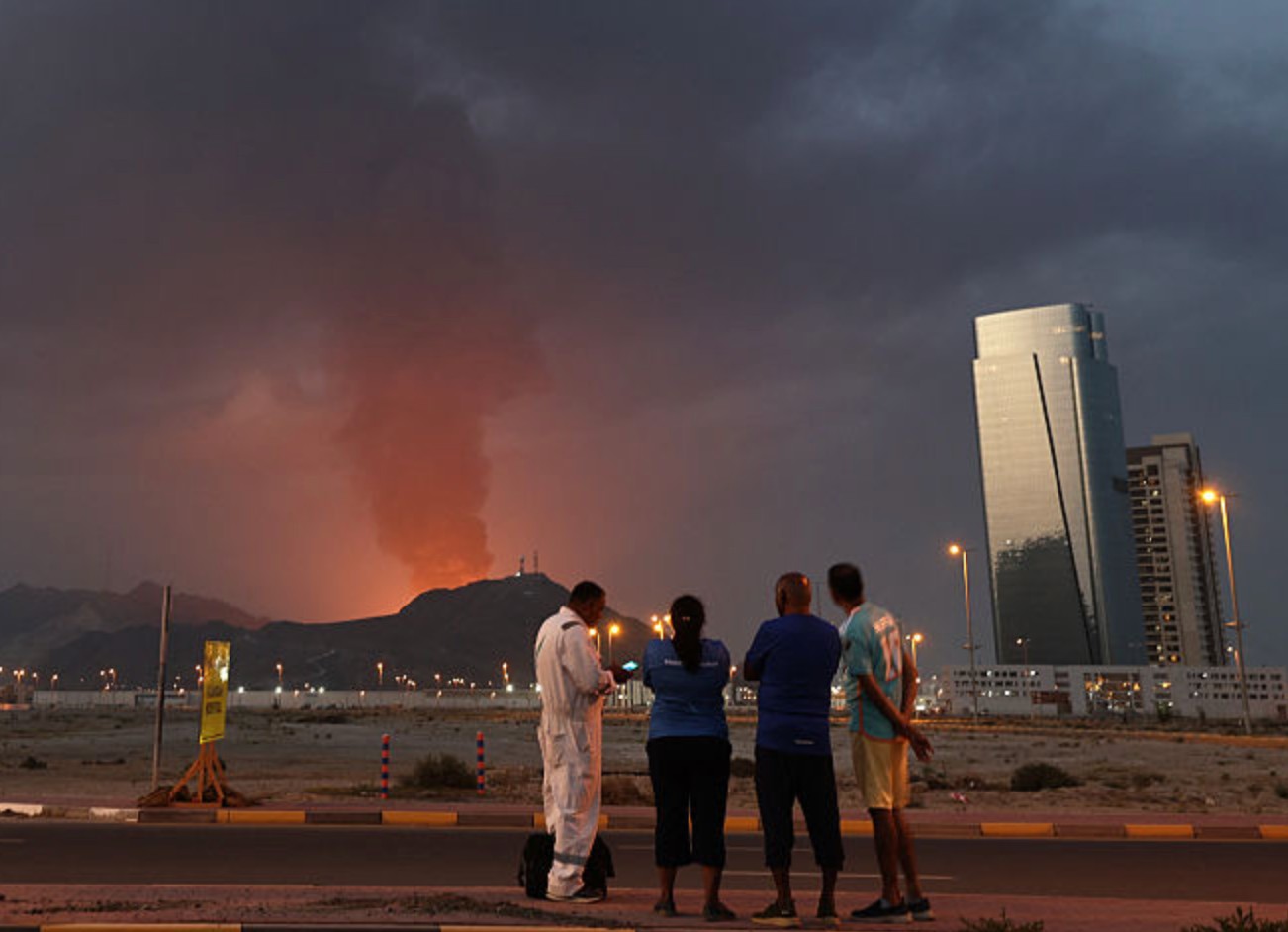
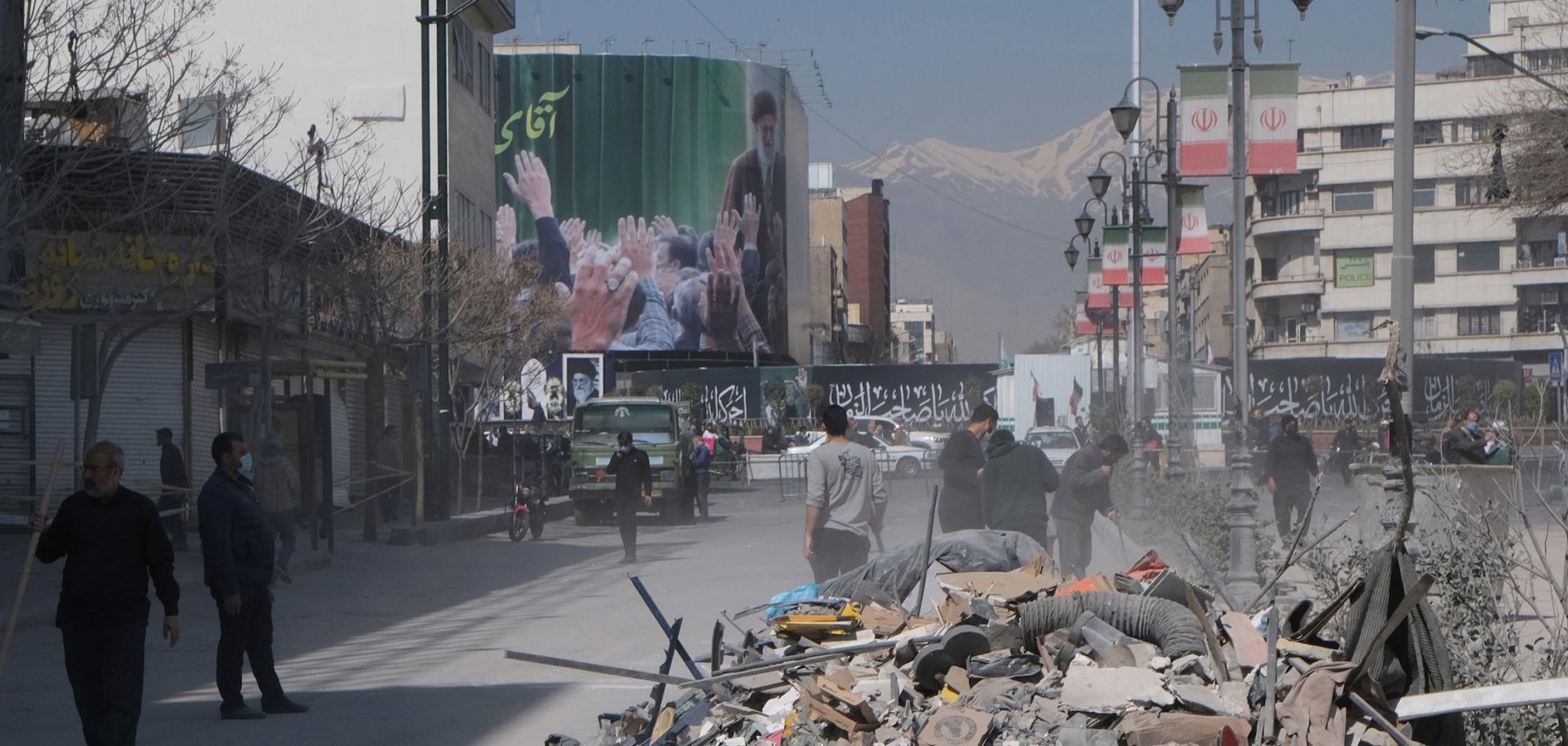
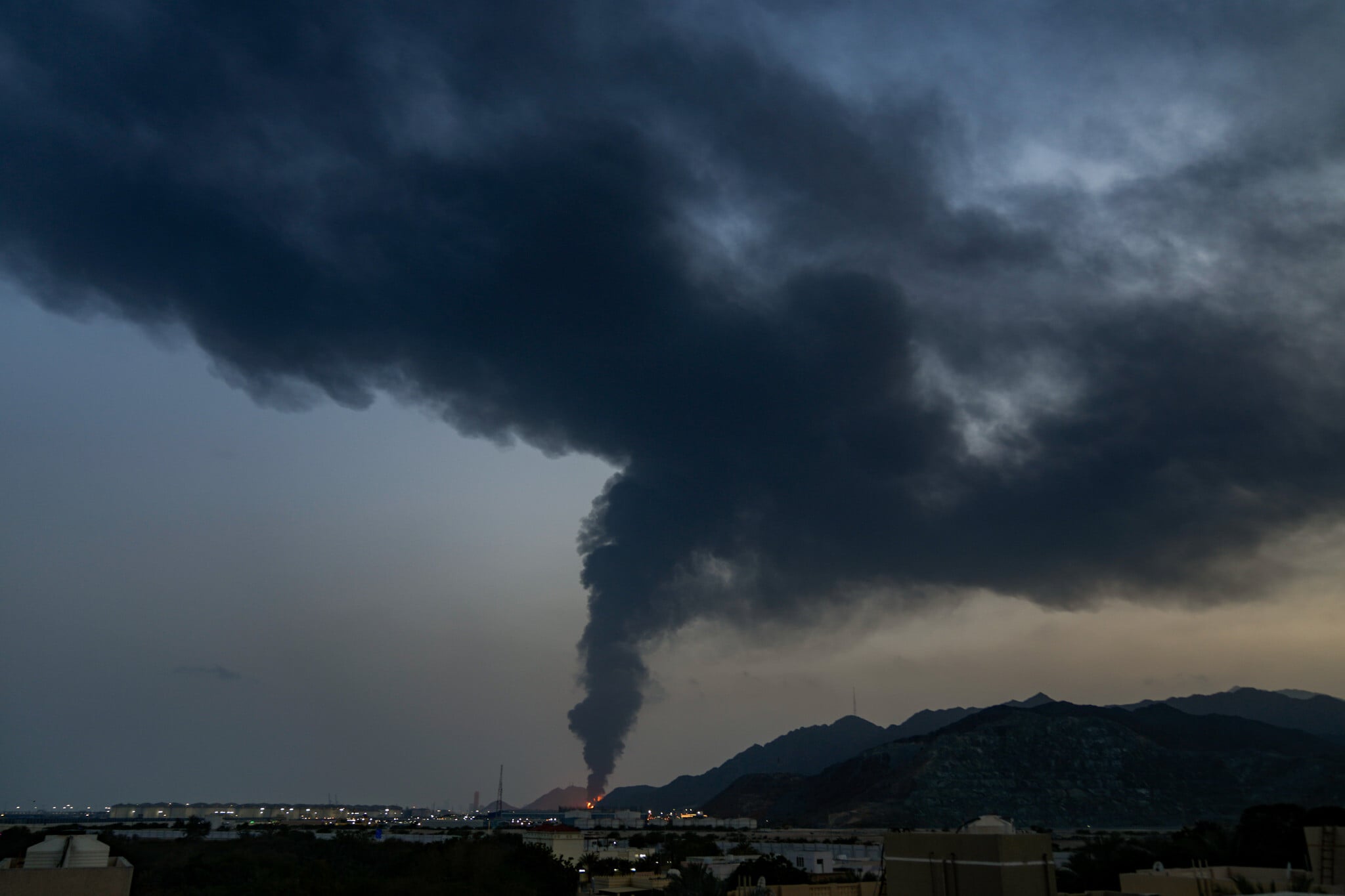
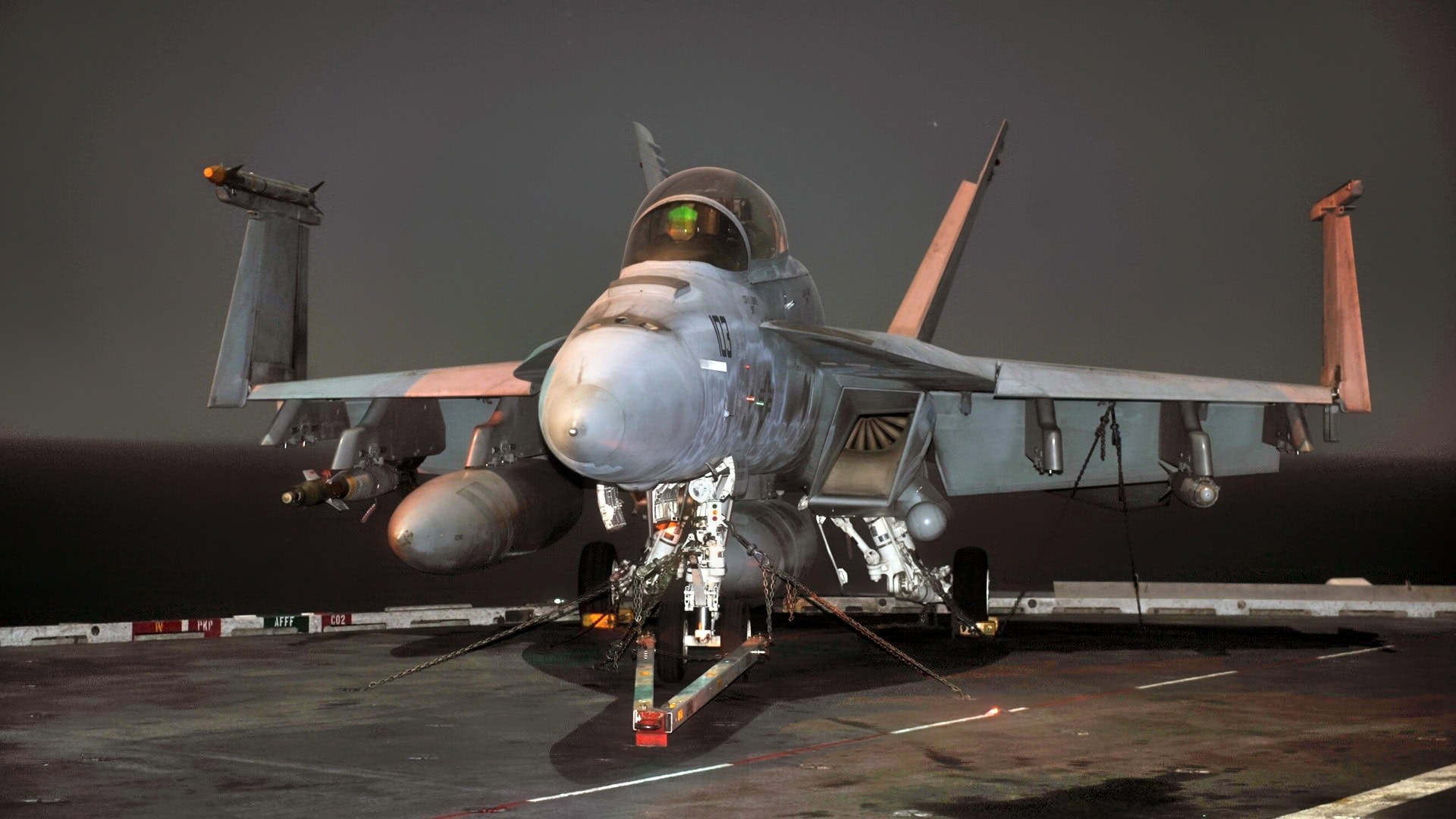
The Iran-Israel-US conflict has entered a critical new phase following February 28, 2025 developments, with direct implications for cross-border e-commerce logistics, supply chain costs, and market access across the Middle East and Gulf regions. The Economist reports 788 distinct attacks, 1,860 missile/drone launches, and 208 strategic sites targeted as of March 6, 2025, with 7.5 million people living within 1 kilometer of strike locations. This geopolitical instability creates immediate operational challenges for sellers shipping to UAE, Saudi Arabia, Israel, and surrounding markets—regions representing $12-15B in annual cross-border e-commerce volume.
Immediate Supply Chain Disruptions: Sellers shipping electronics, consumer goods, and machinery to Gulf Cooperation Council (GCC) states face 8-15% shipping cost increases due to rerouted maritime corridors avoiding conflict zones. The UAE's interception of 203 of 205 ballistic missiles and 1,110 of 1,184 drones demonstrates active air defense operations that disrupt normal airport operations. Major fulfillment hubs in Dubai, Abu Dhabi, and Jeddah are experiencing 3-6 week processing delays as customs and logistics providers operate under heightened security protocols. Sellers with inventory in these regions should expect 15-25% longer delivery times through Q2 2025, directly impacting customer satisfaction metrics and Buy Box eligibility on Amazon and eBay.
Market Access & Tariff Implications: The conflict's expansion to 15 countries signals potential trade restrictions and tariff escalations. Iran's estimated 2,500-missile stockpile (with only 500 confirmed used) and 10,000+ drone reserves indicate prolonged conflict duration. This extends the timeline for market normalization beyond Q2 2025. Sellers should anticipate potential US sanctions expansions affecting Iranian market access (already heavily restricted) and possible retaliatory tariffs on US goods in allied nations. The Trump administration's ambiguous strategic objectives create regulatory uncertainty—sellers should monitor Treasury Department OFAC updates weekly for new Iran-related sanctions that could affect supply chains or customer bases.
Competitive Advantage Shifts: Sellers with 3PL providers in non-conflict zones (India, Vietnam, Southeast Asia) gain competitive advantages over those dependent on Middle East fulfillment. Small-to-medium sellers (SMBs) with limited geographic diversification face 12-18% margin compression on Gulf-region shipments. Large sellers with multi-region fulfillment networks can absorb costs and maintain competitive pricing, strengthening their Buy Box position. This conflict accelerates the shift toward nearshoring strategies—sellers should evaluate moving inventory from Middle East hubs to European or Asian distribution centers serving the region.
Questions 8
Should I move my inventory from Dubai FBA to another region due to conflict risks?
Yes, sellers with significant inventory in Dubai or Abu Dhabi should evaluate geographic diversification. The conflict involves 15 countries with 7.5 million people in strike zones, creating ongoing operational uncertainty through at least Q2 2025. Consider shifting 30-50% of Middle East-destined inventory to Singapore, India, or European fulfillment centers that can serve the region with 2-3 week delivery times instead of current 5-8 week delays. Calculate the cost-benefit: 3PL fees in alternative regions typically run 15-25% higher than Dubai, but you recover this through faster delivery times, higher customer satisfaction, and maintained Buy Box eligibility. Large sellers (10,000+ monthly units) should negotiate volume discounts with 3PL providers in Asia-Pacific regions.
What are the tariff and sanctions risks for sellers shipping to Iran or Iranian customers?
Iran remains under comprehensive US sanctions administered by OFAC (Office of Foreign Assets Control), making direct sales to Iranian customers illegal for US-based sellers. The conflict escalation increases likelihood of expanded sanctions affecting supply chains and payment processors. Sellers must verify customer locations before processing orders—eBay and Shopify automatically block Iranian IP addresses, but manual verification is required for other platforms. Treasury Department OFAC updates occur weekly; sellers should subscribe to notifications at home.treasury.gov. Violations carry penalties of $250,000+ per transaction. Non-US sellers should consult local trade authorities, as EU and UK sanctions differ from US restrictions.