




Middle East Oil Crisis Drives Shipping Costs Up 30% | Cross-Border Sellers Face Supply Chain Disruption
- Brent crude surges to $92.69/barrel (+30% weekly); Strait of Hormuz maritime traffic halts; sellers shipping to UAE/Gulf face 3-6 week delays and 15-25% logistics cost increases































Overview
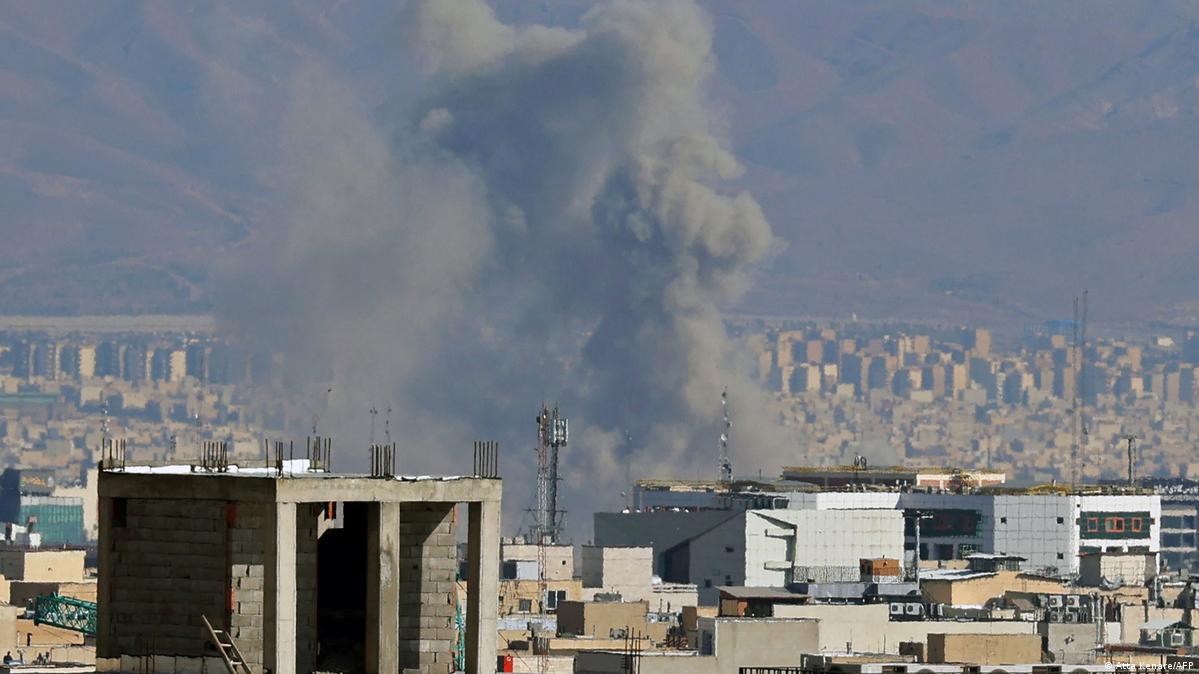
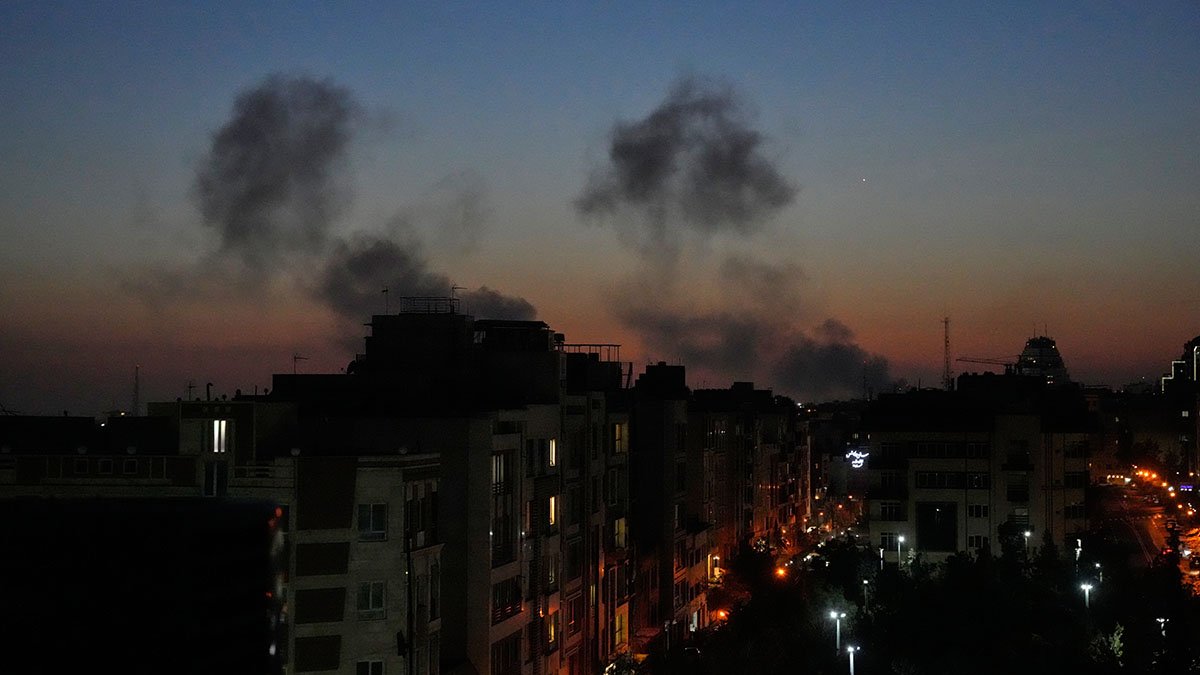
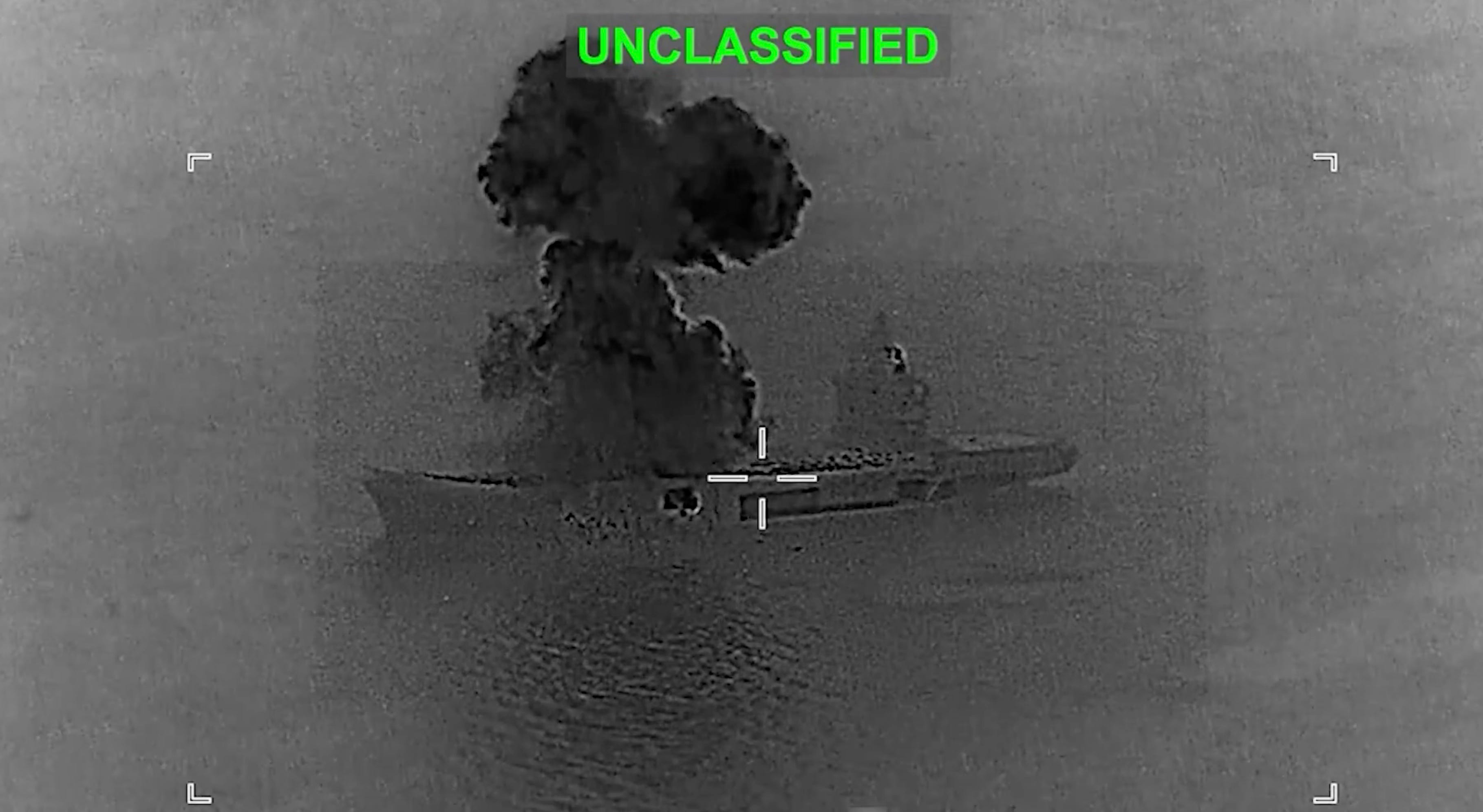
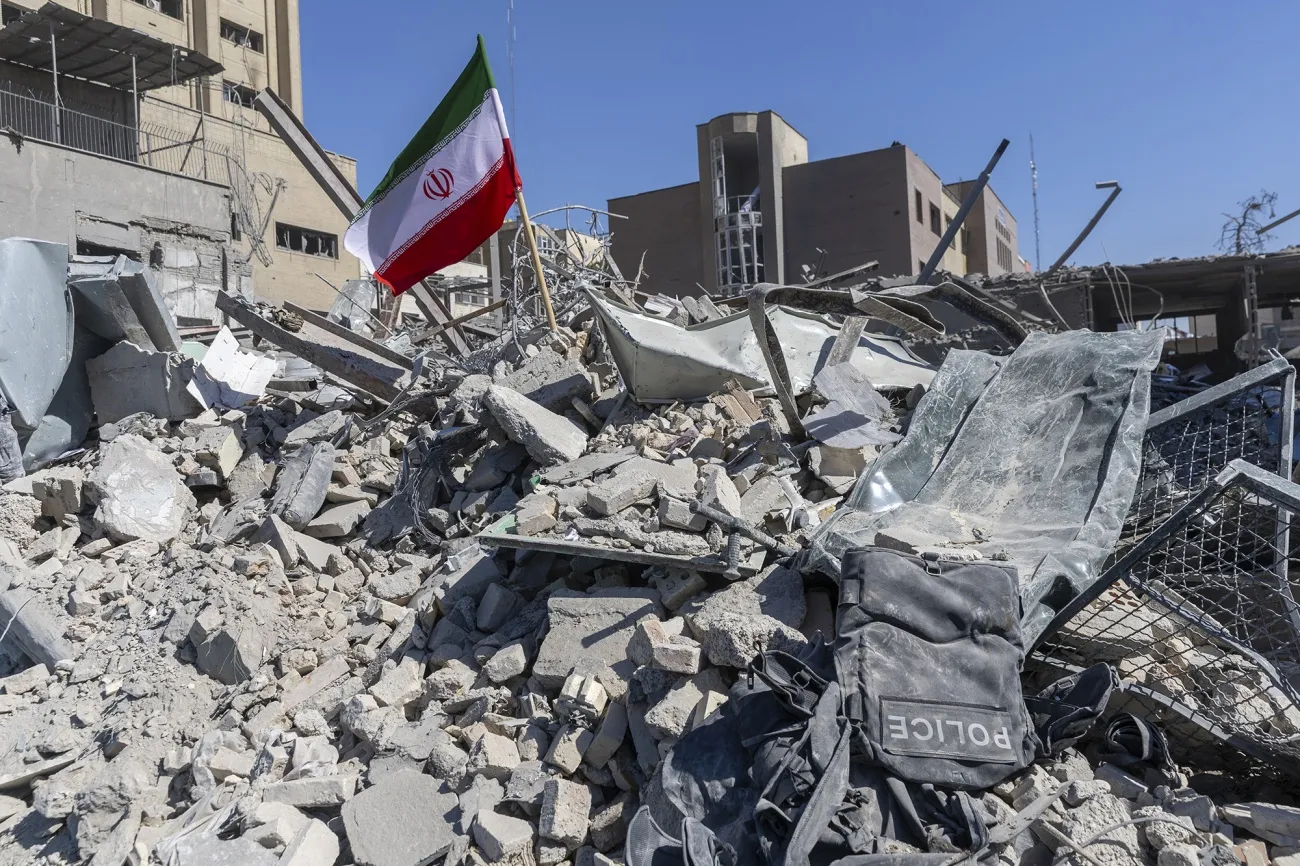
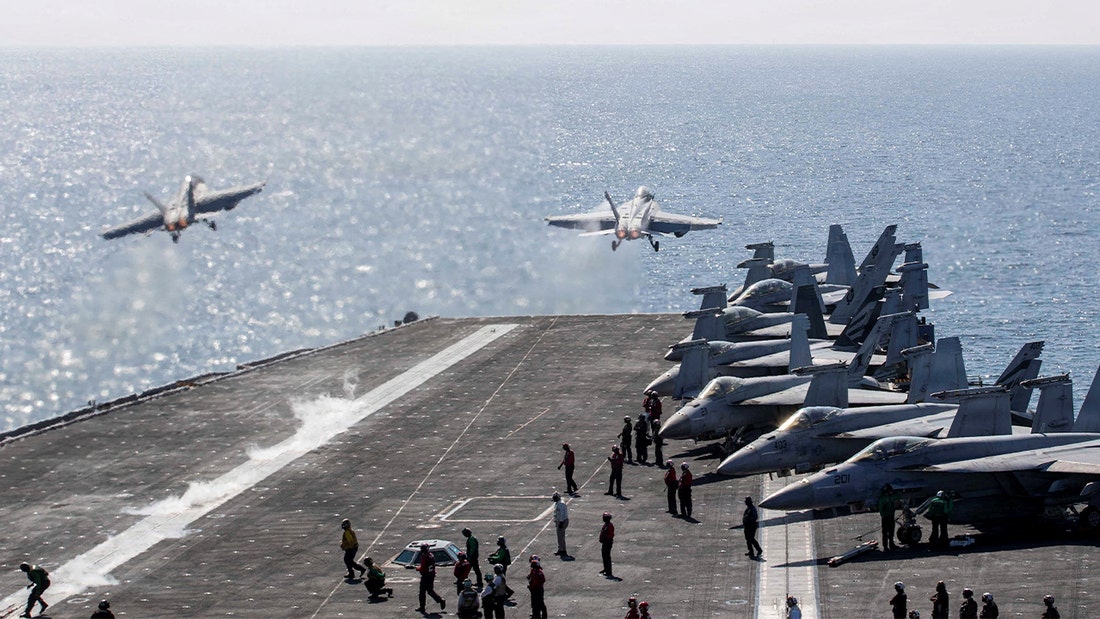
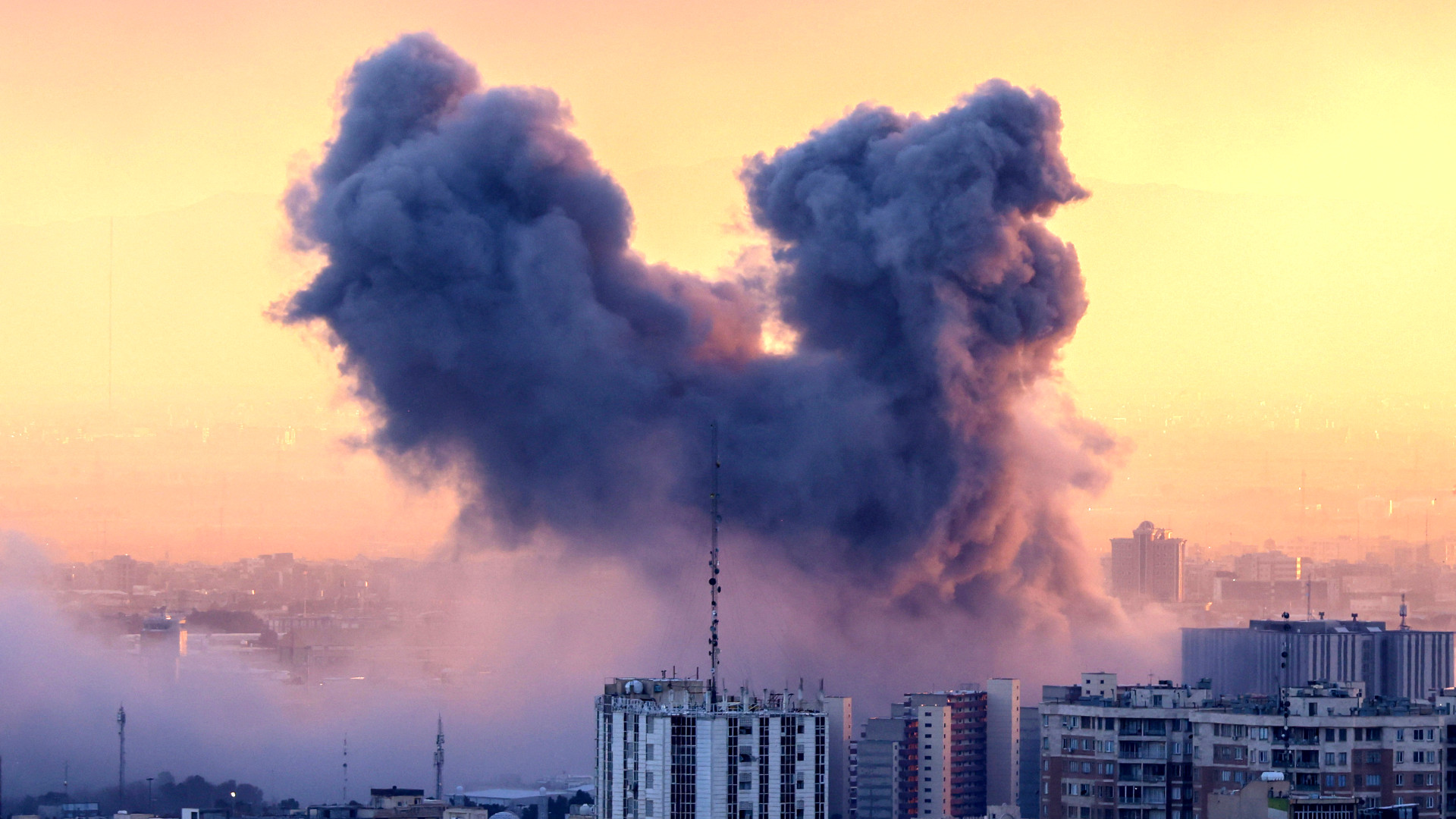
The escalating Iran-Israel military conflict entering its second week (as of March 7, 2026) has triggered a critical supply chain crisis for cross-border e-commerce sellers, with Brent North Sea crude surging to $92.69 per barrel (up 8.5% daily, nearly 30% weekly) and maritime traffic through the Strait of Hormuz—which handles approximately one-fifth of global crude oil and liquefied natural gas supplies—nearly ceasing. This geopolitical disruption directly impacts seller profitability through three critical channels: fuel surcharges on international shipping, inventory replenishment delays affecting fulfillment timelines, and payment processing complications in affected Middle Eastern markets.
Immediate Logistics Impact: Sellers relying on ocean freight for inventory replenishment face 15-25% cost increases due to fuel surcharges and route diversions. The conflict has disrupted international flights and maritime logistics, with Dubai airport suspending operations before partial resumption and Emirates Airlines halting flights, creating bottlenecks for air cargo shipments. For sellers using Amazon FBA with fulfillment centers in the UAE (al-Dhafra airbase region targeted by Iranian IRGC), inventory velocity has slowed dramatically. Sellers shipping via traditional 3PL providers through the Strait of Hormuz face 3-6 week delays as maritime traffic has "nearly ceased," compared to normal 2-3 week transit times. This translates to $200-500 additional monthly costs for sellers moving 500+ units through affected corridors.
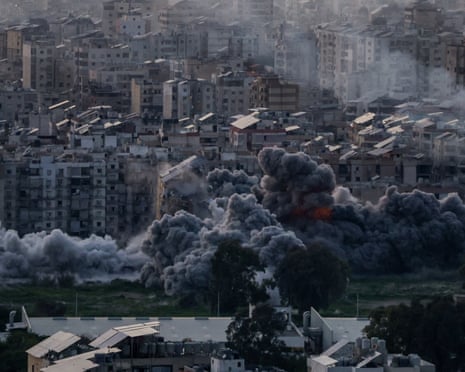
Regional Market Access Restrictions: The conflict has created payment processing complications and business continuity risks for sellers operating in Middle Eastern markets. Iran's deputy foreign minister warned European nations against involvement, threatening retaliation, which creates compliance uncertainty for EU-based sellers with Iranian customers or suppliers. Lebanese Prime Minister Nawaf Salam described his country being drawn into an unwanted war with massive forced displacement, signaling potential market contraction in Levantine e-commerce corridors. Sellers with fulfillment operations in Lebanon, Syria, or Palestinian territories face operational shutdowns and inventory loss risks. The 4-6 week campaign timeline suggested by the White House indicates sustained disruption through mid-April 2026, creating extended planning uncertainty for Q2 inventory positioning.
Competitive Advantage Shifts: Sellers with diversified logistics networks gain competitive advantages. Those relying exclusively on Strait of Hormuz routes (particularly for Asia-to-Middle East shipments) face margin compression of 8-12% on affected SKUs. Conversely, sellers who can pivot to air freight (despite 40-60% higher costs) or alternative maritime routes through the Suez Canal face temporary cost premiums but maintain inventory velocity. Small sellers (under 100 units/month) can absorb delays through inventory buffers, while high-volume sellers (1000+ units/month) face critical cash flow impacts from extended transit times and fuel surcharges. US-based sellers shipping to Gulf Cooperation Council (GCC) markets experience less disruption than China-based sellers routing through Middle Eastern hubs, creating a temporary competitive advantage for North American suppliers.
Questions 8
When should I expect shipping costs to normalize?
The White House indicated the Iranian campaign could extend 4-6 weeks (through mid-April 2026), suggesting maritime disruption persists through that period. Historical precedent: 2019 Strait of Hormuz tensions normalized within 8-12 weeks after military de-escalation. Brent crude typically returns to $70-80/barrel baseline 2-4 weeks after geopolitical resolution. Plan for elevated costs through April 2026, with potential normalization in May. Monitor UN Secretary-General statements and diplomatic progress—any ceasefire announcement would likely trigger immediate shipping cost reductions. Set internal trigger points: if Brent crude drops below $85/barrel, begin normalizing inventory orders; if it exceeds $100/barrel, implement emergency cost-reduction measures. Subscribe to IEA oil market reports and Freightos Freight Index for real-time cost tracking.
What compliance risks exist for sellers in affected regions?
Iran's deputy foreign minister warned European nations against involvement, creating potential transaction restrictions for EU-based sellers with Iranian customers or suppliers. Payment processors (Stripe, PayPal, Amazon Pay) may implement additional compliance checks or transaction blocks on Iran-related commerce. Lebanese and Syrian markets face regulatory uncertainty due to Israeli airstrikes and humanitarian crisis—business continuity insurance may not cover conflict-related losses. Sellers with fulfillment operations in affected regions should document inventory and equipment for insurance claims immediately. Monitor OFAC (Office of Foreign Assets Control) and EU sanctions updates weekly—new restrictions could be implemented with 24-48 hour notice. Avoid new supplier relationships in Iran, Lebanon, or Syria until conflict resolution and regulatory clarity emerge.