



Luxury Retail Consolidation Creates Direct-to-Consumer Opportunities for Cross-Border Sellers
- 24 store closures across 13 US states eliminate $3.4B debt retailer's physical footprint, opening DTC and online marketplace expansion for luxury goods sellers















Overview
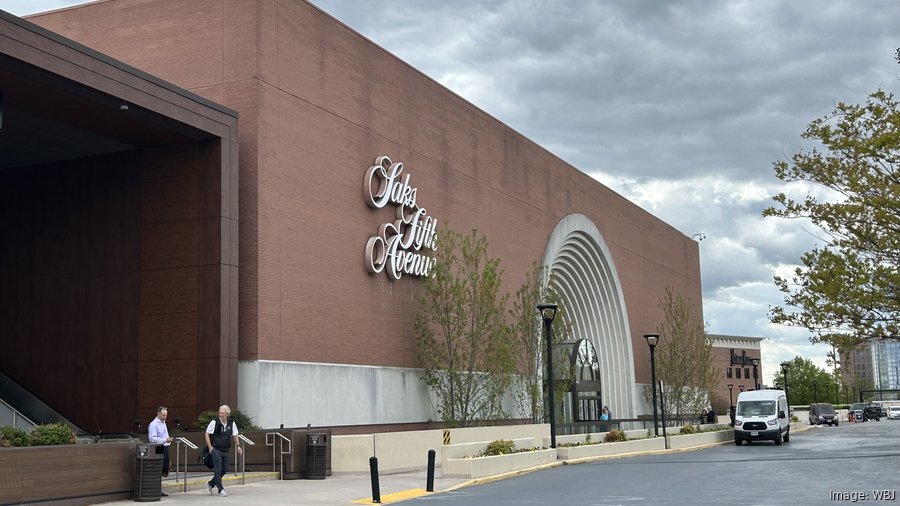
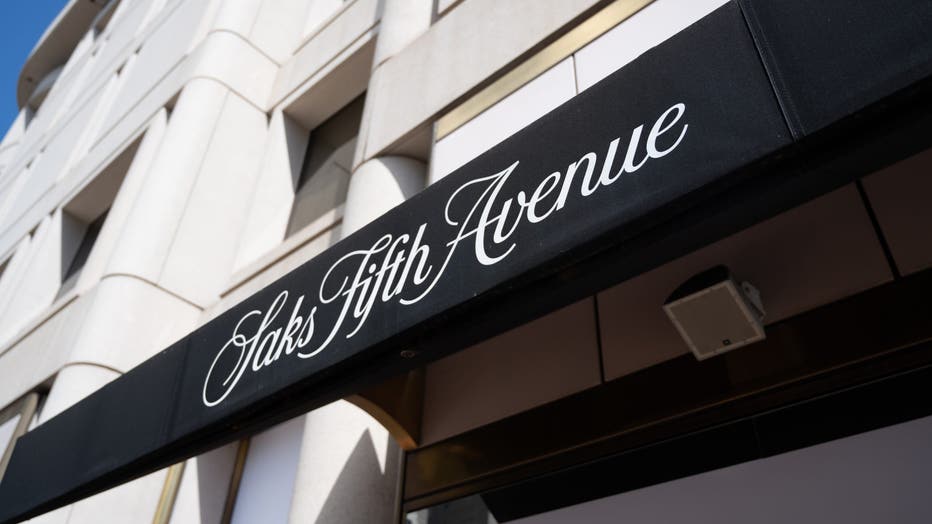
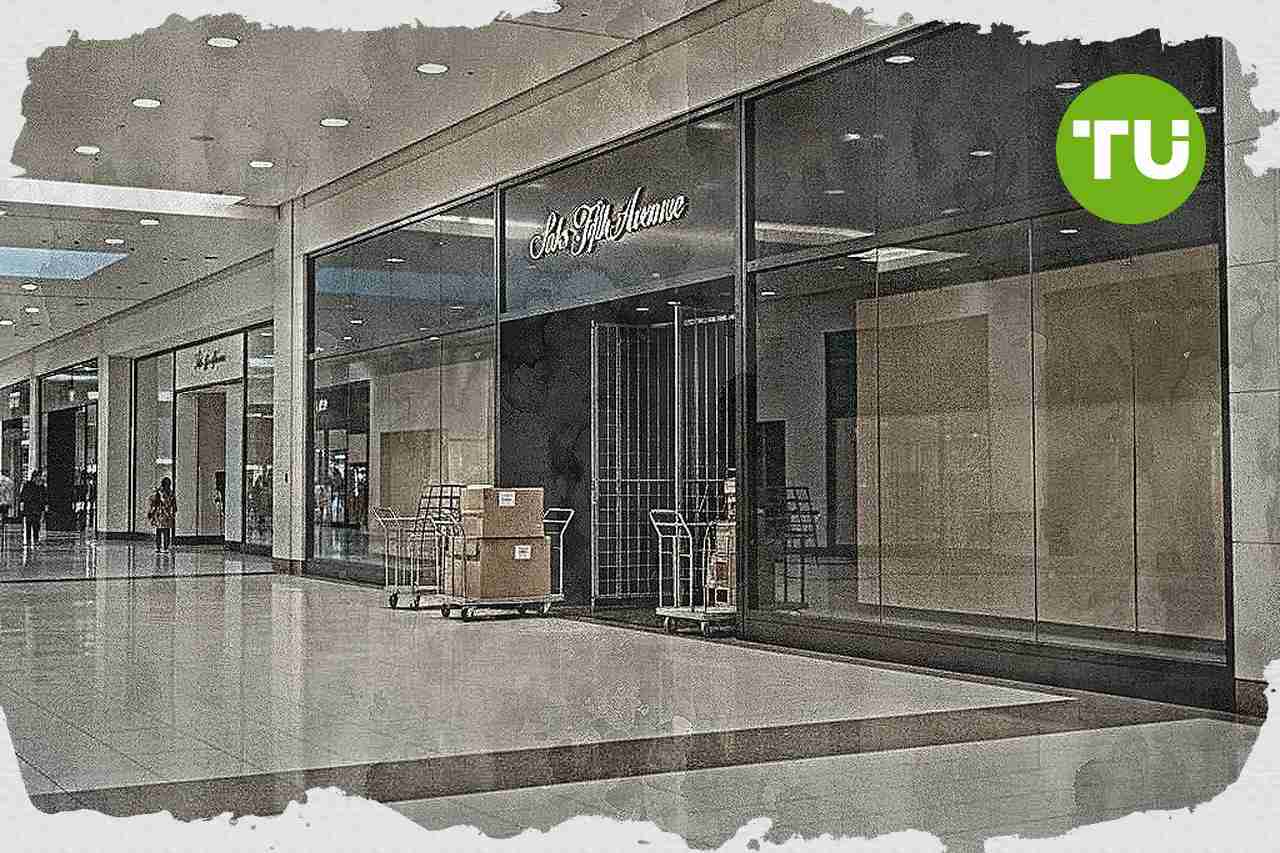
Saks Global's March 2026 announcement of 15 additional store closures (following 9 earlier closures) represents a critical inflection point for cross-border luxury goods sellers. The company is shuttering 12 Saks Fifth Avenue locations and 3 Neiman Marcus stores across 13 states—including major markets like Chicago, Las Vegas, Los Angeles, and Hawaii—as part of restructuring following its January 2026 Chapter 11 bankruptcy filing with $3.4 billion in debt. This consolidation reflects the $2.7 billion 2024 Hudson's Bay Company acquisition that merged Saks Fifth Avenue, Bergdorf Goodman, and Neiman Marcus under Saks Global, relying on approximately $2 billion in debt financing that proved unsustainable.
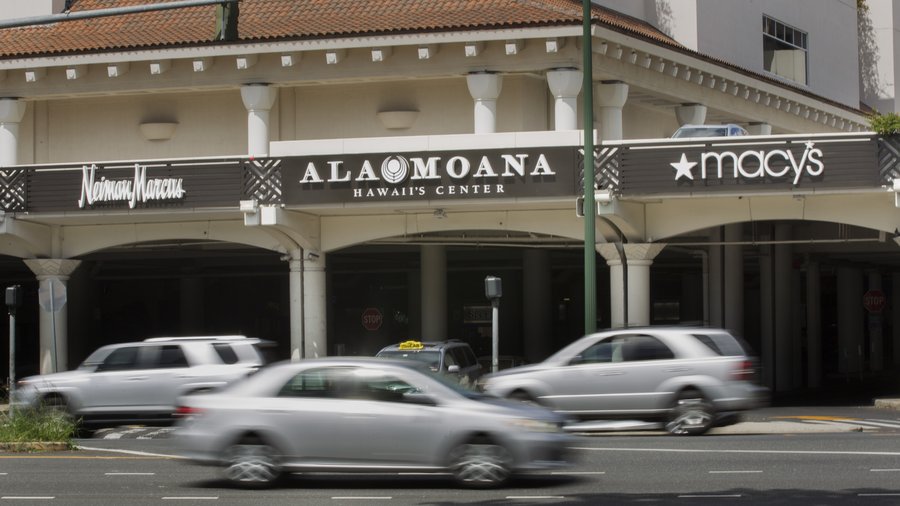
For cross-border e-commerce sellers, this signals a permanent contraction of traditional luxury department store distribution channels. Historically, luxury goods sellers relied on department store partnerships for brand credibility and market access. With Saks Global eliminating its entire retail presence in Hawaii (closing Neiman Marcus at Ala Moana Center's 160,000 sq ft flagship plus Saks Off 5th outlets at Ala Moana and Waikele Premium Outlets), sellers face a critical strategic choice: double down on direct-to-consumer (DTC) channels or pivot to alternative online luxury platforms. The company's stated focus on "best performing and most desirable locations in markets with highest concentration of luxury customers" indicates that mid-tier and secondary markets are being abandoned entirely, creating geographic gaps in luxury retail accessibility.
The operational implications are substantial. Saks Global's $1.75 billion financing package (secured in January 2026) suggests the company will maintain only 40-50% of its pre-restructuring footprint, concentrating on flagship locations in tier-1 cities. This creates three distinct opportunities for sellers: (1) DTC expansion in abandoned markets—sellers can establish pop-up showrooms or O2O experiences in closed store locations at significantly reduced lease costs; (2) Online marketplace consolidation—with department store partnerships becoming unreliable, sellers should accelerate Amazon Luxury Stores, Farfetch, SSENSE, and Vestiaire Collective presence; (3) Niche luxury positioning—sellers can target specific product categories (designer accessories, luxury home goods, premium beauty) where Saks Global's reduced inventory creates supply gaps.
Regional market dynamics are shifting dramatically. The closure of flagship stores in Beachwood (Ohio), Chevy Chase Village (Maryland), Costa Mesa (California), Palm Desert (California), and Honolulu (Hawaii) eliminates anchor retail presence in affluent suburban and resort markets. Luxury goods sellers should immediately assess whether these regions still represent viable markets through online channels or whether DTC pop-up experiences could capture displaced customer demand. Historical data shows that luxury retail consolidation typically increases online penetration by 15-25% in affected regions within 12 months, as affluent consumers shift to e-commerce and direct brand channels.
Questions 7
How can sellers leverage Saks Global's bankruptcy to accelerate brand positioning?
Saks Global's $3.4 billion debt and focus on only 'best performing locations' creates a credibility gap in secondary markets. Sellers can position themselves as the accessible luxury alternative in abandoned regions through targeted Amazon and Farfetch campaigns. The company's emphasis on 'highest concentration of luxury customers' in tier-1 cities means secondary affluent markets (Beachwood, Chevy Chase, Palm Desert) are underserved. Sellers should launch geo-targeted PPC campaigns in these regions with messaging emphasizing direct access to luxury goods without department store markups. Expected customer acquisition cost (CAC) reduction: 20-30% in secondary markets due to reduced competitive pressure from traditional retail.
What are the financial implications of Saks Global closures for wholesale-dependent sellers?
Sellers who generated 20-30% of revenue through Saks Global wholesale partnerships face immediate margin compression of 8-15% as they shift to direct-to-consumer channels with higher fulfillment costs. Department store wholesale typically offers 40-50% margins with bulk orders, while Amazon FBA requires 30-35% margins after fees. However, DTC channels provide 60-70% gross margins if sellers establish their own fulfillment. The transition period (6-12 months) requires working capital investment of $50,000-$200,000 depending on product category and inventory levels. Sellers should secure additional financing or reduce inventory by 20-30% during Q2 2026 to manage cash flow during the channel shift.