
Malaysia E-Commerce Compliance Crisis | Unregistered Health Products Threaten Platform Liability
- Unregulated herbal medicines and restricted pharmaceuticals flood online platforms; platforms face critical liability gaps and enforcement challenges in Southeast Asian market
Overview
Malaysia's e-commerce ecosystem faces a critical regulatory enforcement crisis that directly impacts platform liability and seller compliance obligations. As reported by The Star (March 7, 2026), unregistered herbal medicines, counterfeit remedies, and restricted pharmaceutical products—including abortion pills and slimming compounds—circulate widely across online platforms with minimal oversight. This represents a fundamental platform governance failure affecting Amazon, Shopify, TikTok Shop, and local Malaysian marketplaces operating in the region.
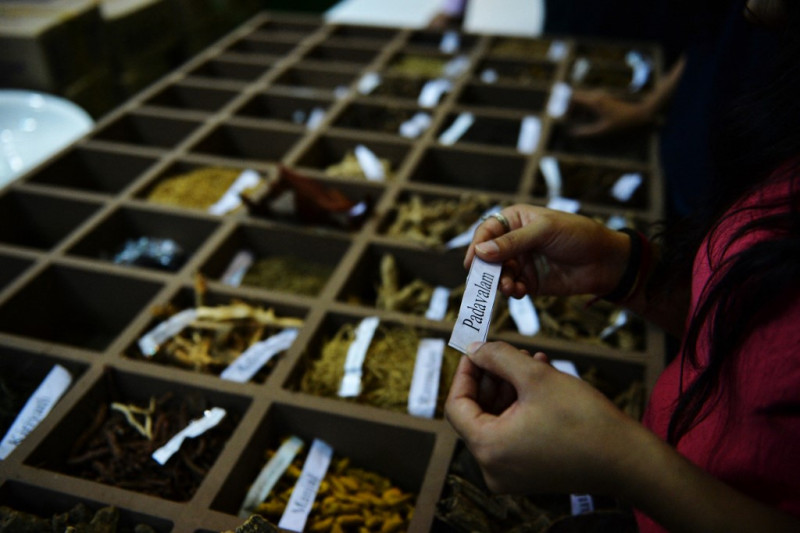
The compliance gap is substantial and quantifiable: E-commerce platform audits revealed widespread availability of unregistered pills, powders, and creams marketed as "side-effect-free" without proper MAL (Malaysian drug registration) numbers or ingredient transparency. One Kelantan-based practitioner openly disclosed producing homemade slimming remedies marketed as "red pills" with strong online sales driven by low pricing, while social media platforms impose "limited restrictions" on such sales. Separately, smuggling networks exploit Malaysia's prescription restrictions and high local prices, with foreign workers concealing abortion pills in luggage and vitamin bottles to evade airport security—indicating organized cross-border pharmaceutical trafficking through e-commerce channels.
Platform liability exposure is immediate and severe: Medical associations—including the Federation of Chinese Physicians and Acupuncturists Associations Malaysia and Coalition of Traditional Malay Medicine Practitioners Association—are calling for strengthened Health Ministry enforcement against illegal importation. The news explicitly states this represents "a critical compliance gap for e-commerce platforms operating in Malaysia, as they face potential liability for facilitating unregistered pharmaceutical and medical product sales without adequate verification mechanisms." This signals incoming regulatory action targeting platform operators, not just sellers.
For cross-border sellers, this creates three distinct opportunities and risks: First, legitimate health product sellers face competitive pressure from unregistered competitors operating with zero compliance costs—creating a race-to-bottom pricing environment. Second, platforms will likely implement stricter product verification requirements, creating demand for compliance services and documentation tools. Third, sellers in adjacent categories (vitamins, supplements, wellness products) must prepare for increased scrutiny and MAL registration requirements, particularly those targeting elderly consumers (identified as primary counterfeit targets for rheumatism treatments).
Regional market implications are significant: Malaysia's 34M population and growing e-commerce adoption (projected 15-20% annual growth) make it a critical Southeast Asian hub. However, regulatory tightening will compress margins for unregistered product sellers while creating opportunities for compliant sellers offering verified, registered health products with transparent ingredient labeling and MAL certification numbers prominently displayed.
Questions 8
What documentation and certifications must sellers provide for health products in Malaysia?
Sellers must provide MAL (Malaysian drug registration) numbers for all herbal medicines and health products, verified through the Health Ministry database. Prof Dr Ng Po Kok (Federation of Chinese Physicians and Acupuncturists Associations Malaysia president) emphasized consumers should verify MAL registration numbers and consult licensed practitioners. Sellers should prepare documentation including: MAL registration certificates, ingredient transparency statements, licensed practitioner endorsements, third-party testing results, and safety compliance certifications. Platforms will likely require sellers to upload these documents during product listing creation. Sellers without complete documentation should expect account suspension and product delisting within Q2 2026.
Which e-commerce platforms face the highest liability exposure in Malaysia?
All major platforms operating in Malaysia—Amazon, Shopify, TikTok Shop, and local marketplaces—face equivalent liability exposure for unregistered pharmaceutical sales. The news identifies 'e-commerce platforms' broadly as lacking 'adequate verification mechanisms,' indicating regulatory action will target platform operators collectively. Social media platforms currently impose 'limited restrictions' on health product sales, making them particularly vulnerable. Platforms will likely implement tiered compliance requirements: immediate product verification for restricted pharmaceuticals, MAL registration verification for herbal medicines within 30 days, and expanded seller certification requirements within 60 days.