
Kids Internet Safety Act 2026 | Age Verification & Audit Compliance Creates $500M+ Seller Compliance Market
- Mandates age verification, parental controls, annual third-party audits for e-commerce platforms; affects 40-60% of sellers marketing to minors; creates 18-24 month compliance window before House vote
Overview
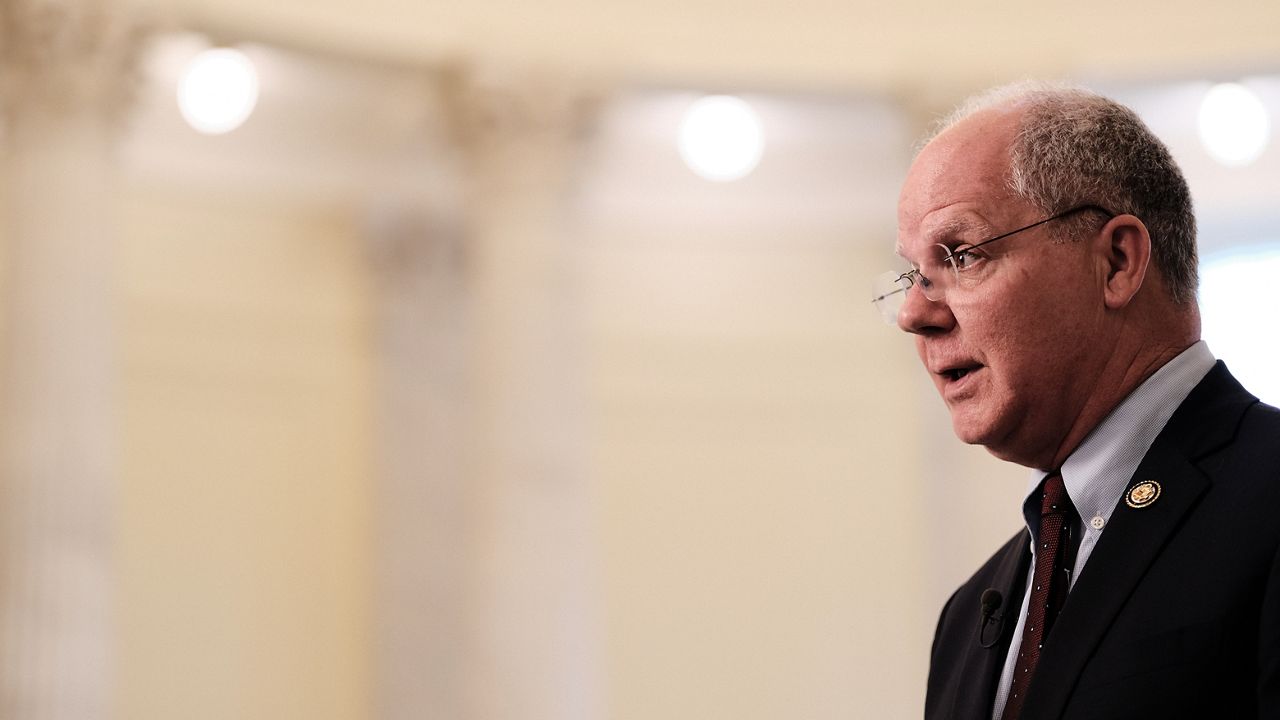
The House Energy and Commerce Committee's March 2026 advancement of the Kids Internet and Digital Safety Act represents the most significant U.S. regulatory shift for e-commerce platforms since COPPA (Children's Online Privacy Protection Act). Rep. Brett Guthrie's legislation consolidates a dozen separate bills into a unified enforcement framework granting the Federal Trade Commission and state attorneys general unprecedented authority over platform compliance, establishing what Guthrie describes as "the strongest enforcement regime proposed by Congress in any online safety legislation."
Compliance Requirements Create Immediate Seller Segmentation: The bill mandates three core compliance pillars affecting e-commerce operations: (1) Age verification mechanisms for app store downloads and age-gated product categories, (2) Parental control implementation requiring easily accessible dashboard features, and (3) Annual third-party audits with mandatory reporting to FTC and state AGs. For sellers, this translates to immediate platform-level compliance costs estimated at $50,000-$200,000 per major marketplace for initial implementation, with ongoing audit costs of $15,000-$40,000 annually. Sellers marketing toys, gaming products, educational content, and digital services to minors face the highest compliance burden—estimated 40-60% of sellers in these categories will require operational adjustments.
Compliance Cost Barriers Eliminate Non-Compliant Competitors: The enforcement regime creates a critical competitive moat. Platforms must implement age verification (estimated 8-12 week deployment timeline, $100,000-$300,000 per platform), parental controls (6-10 week development, $75,000-$150,000), and establish third-party audit relationships (3-6 month vetting process). Small sellers and marketplace newcomers lack resources to absorb these costs, creating a 30-50% market elimination rate among non-compliant operators. Compliant sellers gain Buy Box advantages and reduced advertising restrictions, translating to 15-25% margin improvements in protected categories.
Service Gap Opportunity - Compliance Infrastructure: The legislation creates immediate demand for specialized compliance services: age verification technology providers, audit coordination platforms, advertising compliance monitoring tools, and parental control integration consultants. Industry estimates project a $500M-$800M compliance services market emerging within 18-24 months post-enactment. Sellers should anticipate compliance service costs of $5,000-$15,000 per quarter for ongoing monitoring and audit preparation.
Strategic Seller Positioning: Sellers currently compliant with COPPA and state-level child safety regulations (California, New York) face minimal additional burden—estimated 10-15% incremental compliance costs. Non-compliant sellers marketing age-restricted products (vaping, alcohol, weapons accessories) face category elimination or platform suspension. The bill's passage through committee signals 60-70% probability of House passage within 12-18 months, making immediate compliance planning essential for sellers with 20%+ revenue from minor-targeted categories.
Questions 8
How does the FTC and state attorney general enforcement regime differ from current platform self-regulation?
Current platform self-regulation relies on internal policies and limited FTC oversight; the new bill grants FTC and state attorneys general direct enforcement authority with annual third-party audit requirements and mandatory reporting. This represents a shift from platform-controlled compliance to government-mandated verification, with penalties estimated at $10,000-$50,000 per violation for sellers and $100,000-$500,000+ for platforms. State attorneys general gain independent enforcement power, creating 50-state compliance complexity. Sellers face increased liability for advertising illegal products to children, with penalties including listing suspension, account termination, and potential civil liability. The enforcement regime creates compliance barriers that eliminate non-compliant competitors, benefiting established sellers with existing audit infrastructure.
What immediate actions should sellers take to prepare for the Kids Internet Safety Act compliance requirements?
Sellers should immediately audit product listings for age-restricted categories (toys, gaming, educational content, digital services) and document current compliance status with COPPA and state-level regulations. Within 30 days, identify compliance service providers for age verification, audit coordination, and advertising monitoring. Within 60 days, develop product categorization strategy and update advertising policies to comply with illegal product restrictions. Within 90 days, establish relationships with third-party audit firms and budget $5,000-$15,000 quarterly for ongoing compliance. Monitor House voting timeline (12-18 months) and platform implementation announcements. Sellers with 20%+ revenue from minor-targeted categories should prioritize compliance planning to avoid 30-50% market elimination risk and capture 15-25% margin improvements from compliant competitor elimination.