


U.S. Grocery Retail Consolidation 2025-2026 | Offline Expansion Opportunities for Cross-Border Sellers
- 36 Grocery Outlet closures + 60 Kroger closures signal market consolidation; 30-33 new selective openings create targeted O2O opportunities in high-ROI markets



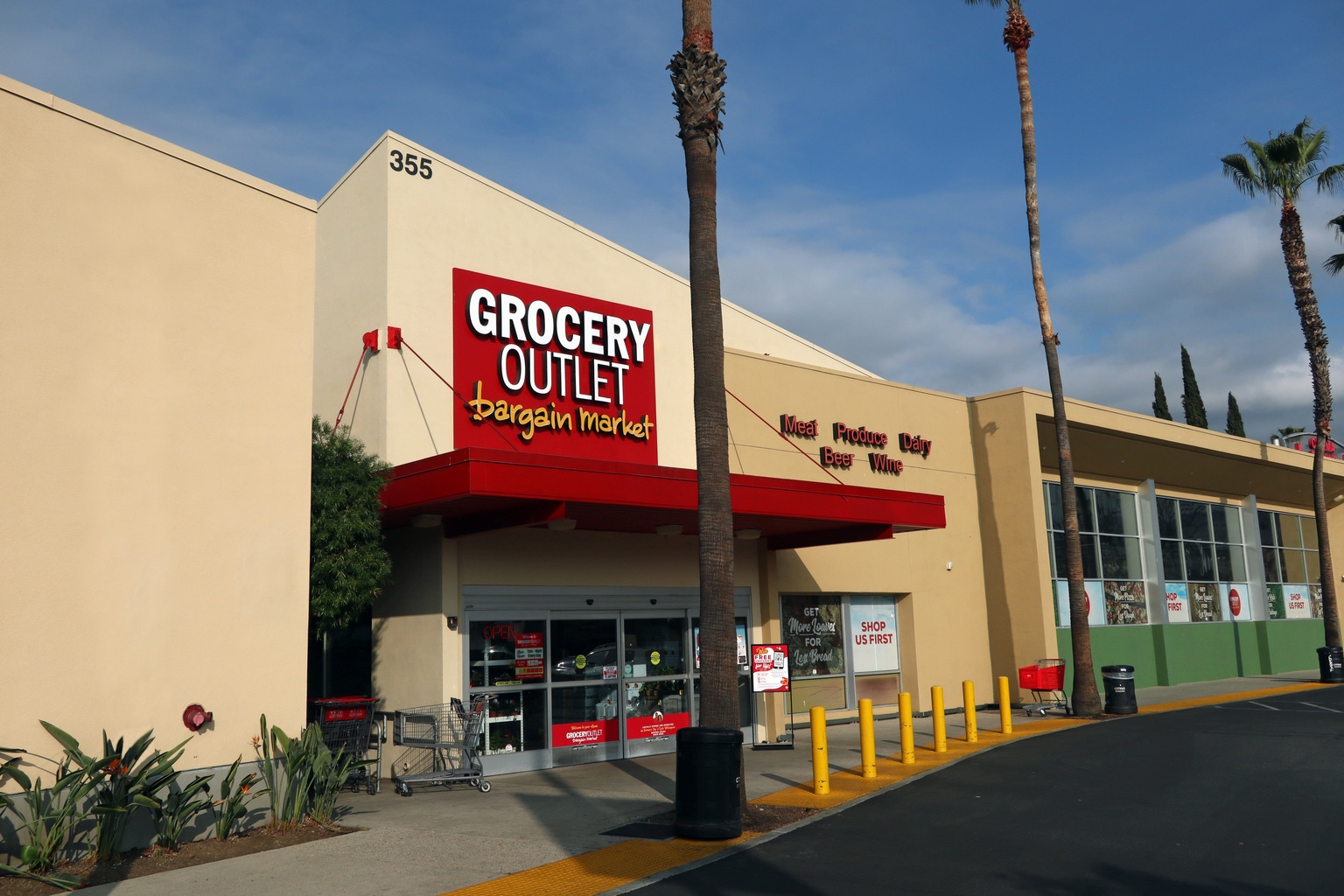
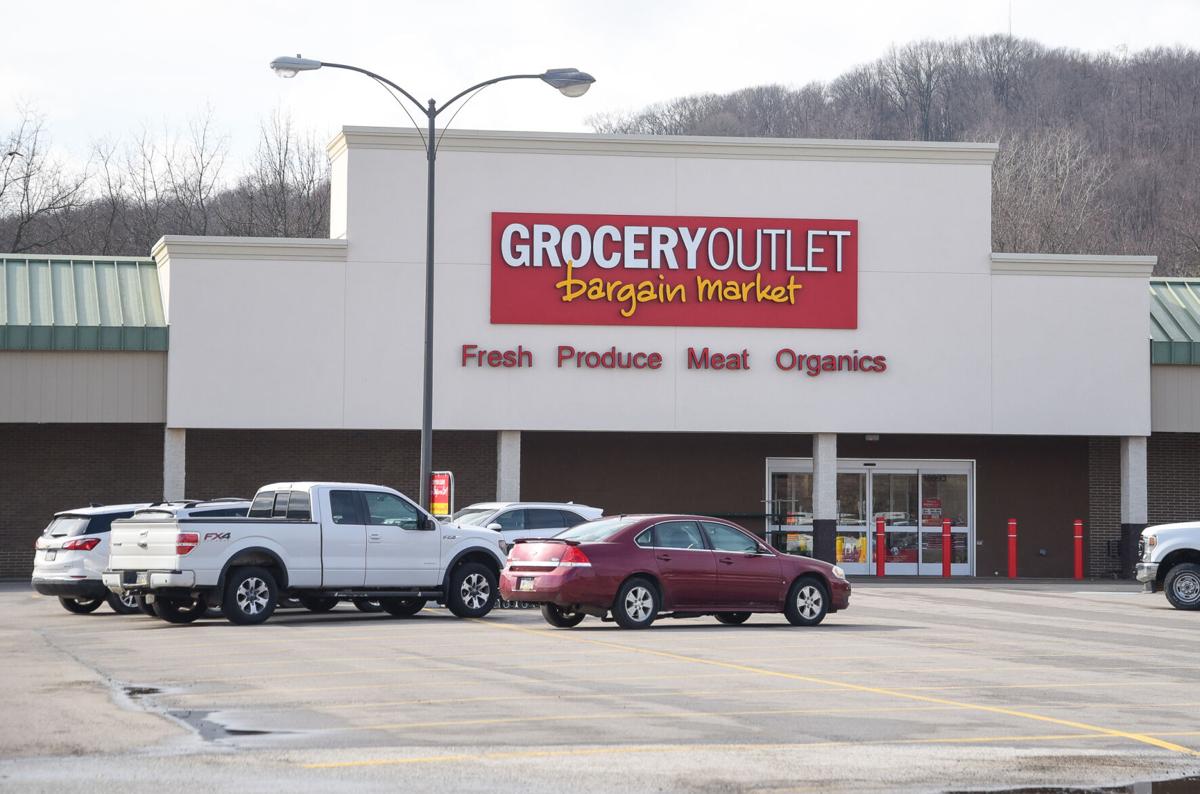
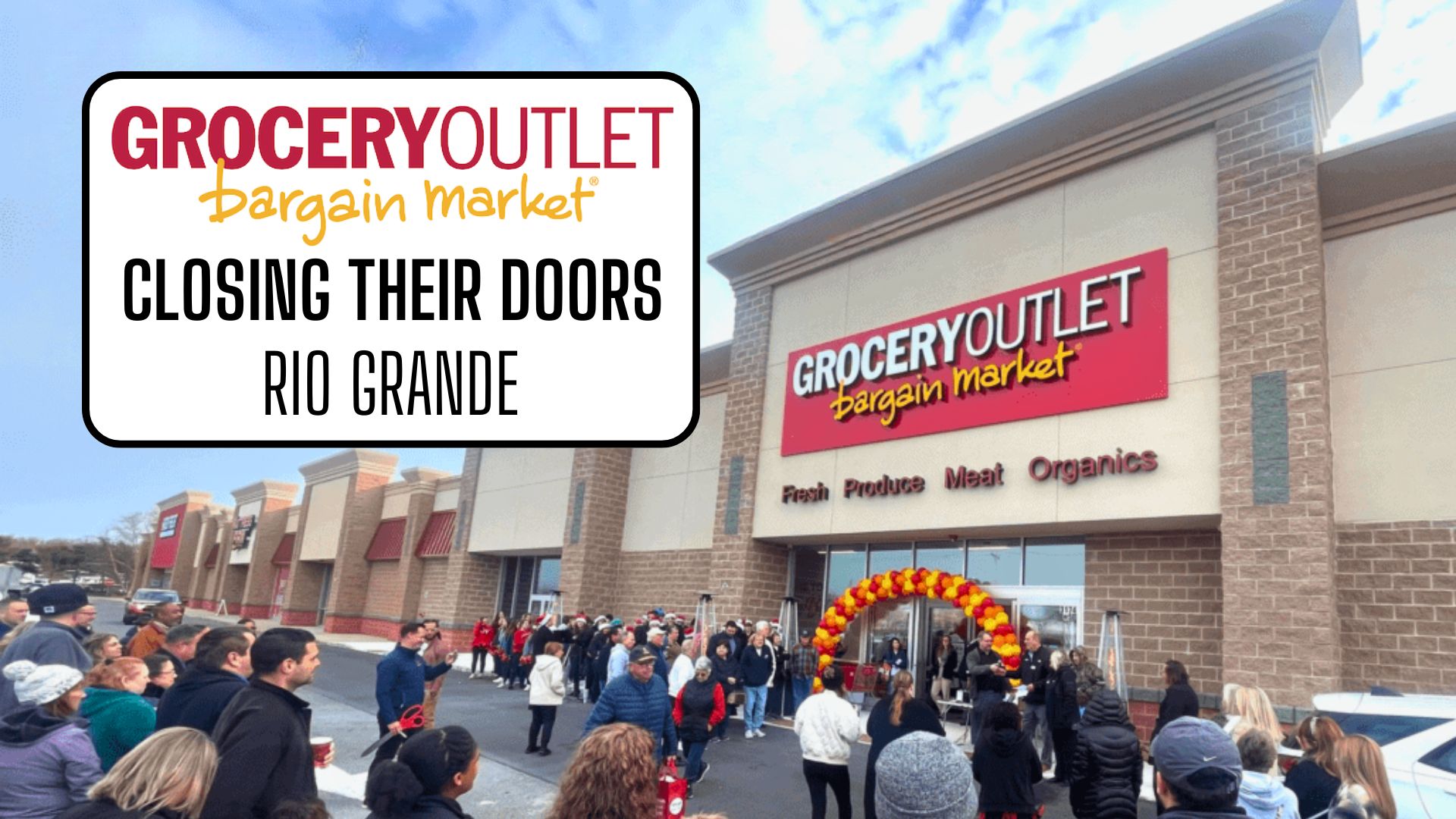
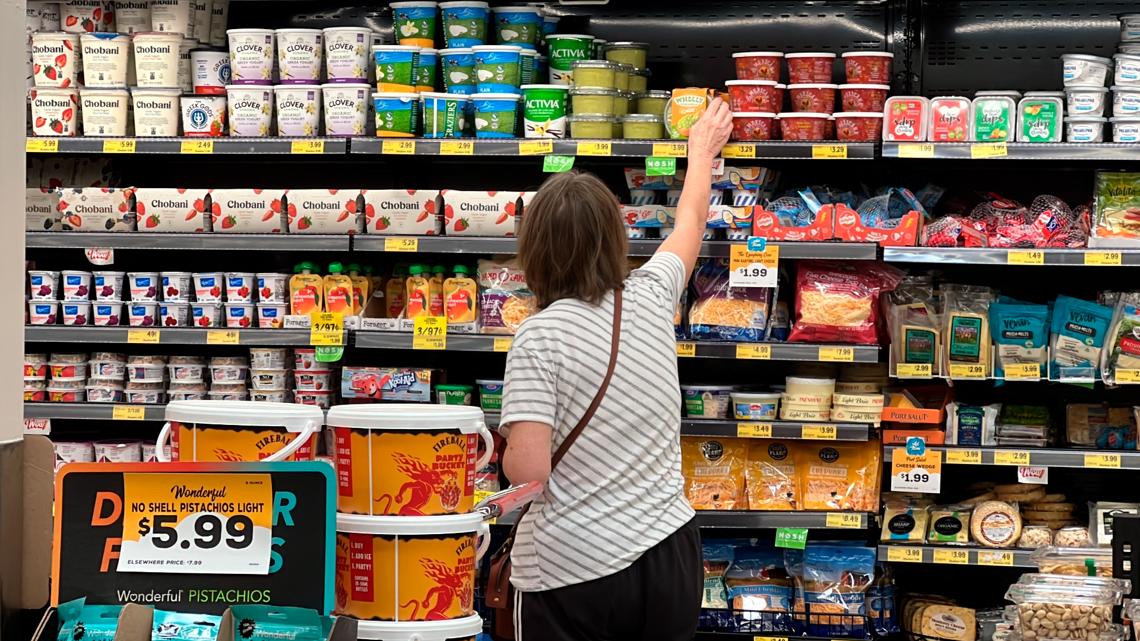



Overview
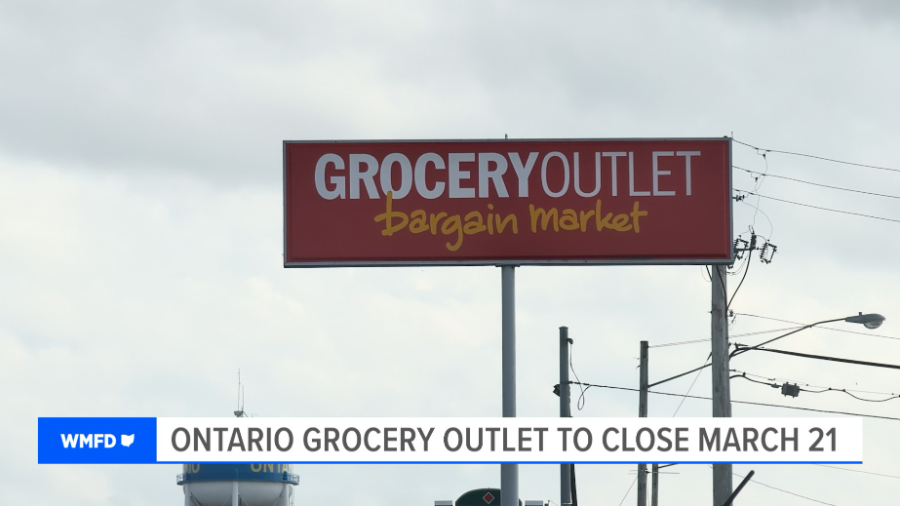
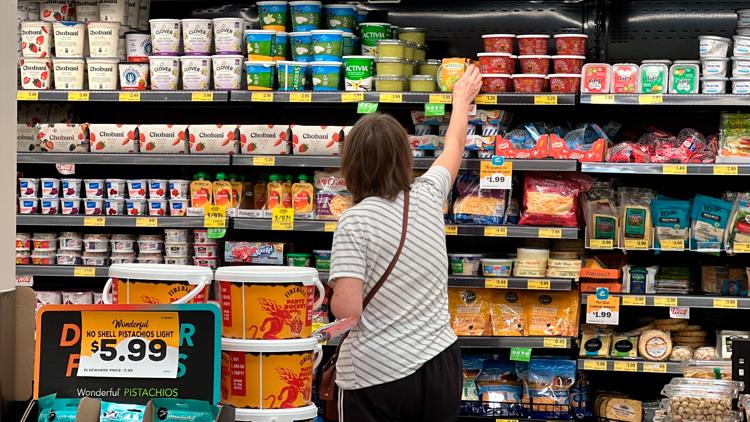
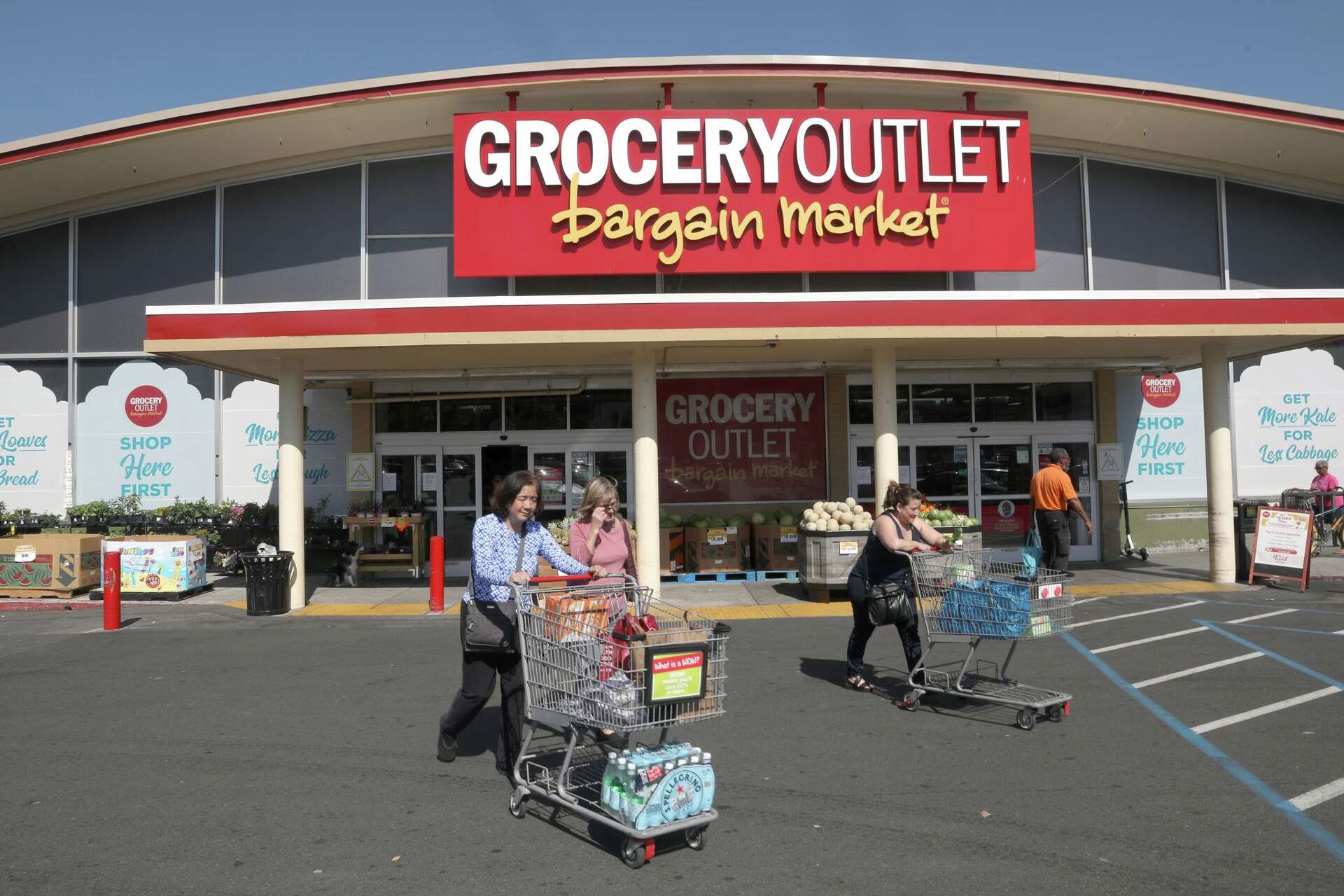
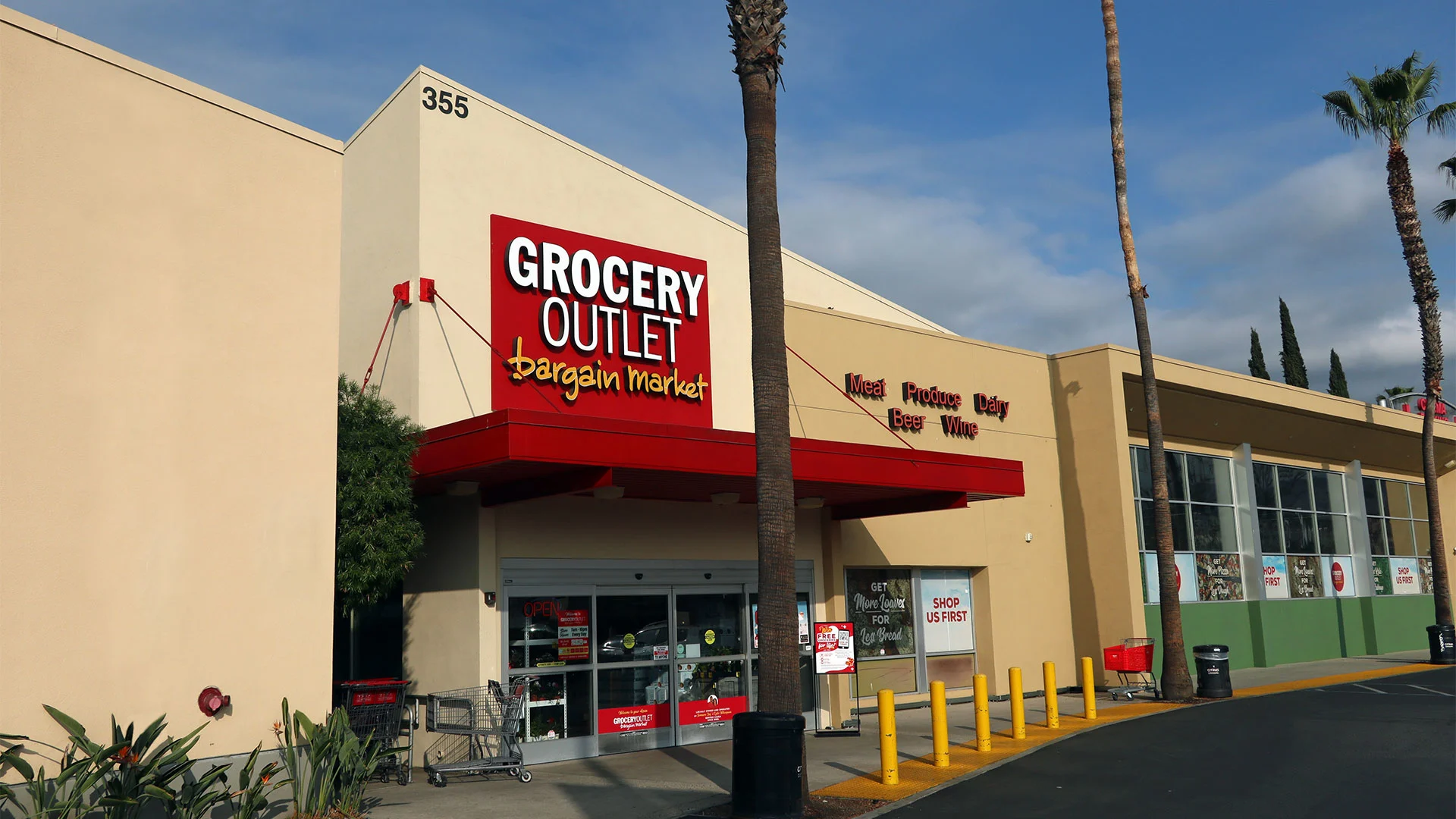
U.S. grocery retail is undergoing significant consolidation that reshapes offline channel opportunities for cross-border sellers. Grocery Outlet announced closure of 36 underperforming stores by year-end 2026 (24 in Eastern U.S., maintaining 100+ California locations across 560 total stores), while Kroger closed 60 locations following its failed 2024 Albertsons merger. Despite $225M net loss in FY2025 (vs. $39M profit in 2024), Grocery Outlet plans 30-33 selective new store openings in 2026, signaling strategic market consolidation rather than sector retreat. This mirrors broader industry pressure: inflationary costs, rising labor expenses, and margin compression forcing retailers to rationalize portfolios and focus on profitable locations.
For retail operations and O2O strategy, this consolidation creates three critical opportunities: First, high-ROI pop-up and showroom locations emerge in markets where Grocery Outlet is expanding (30-33 new stores in 2026). These selective openings target value-conscious consumers in underserved regions—ideal demographics for cross-border sellers of discount household goods, personal care, and food products. Second, retail partnership opportunities expand as Grocery Outlet and competitors seek vendor relationships to fill inventory gaps from closures. The $4-6M gross profit impact from markdowns at closing locations signals aggressive inventory clearance, creating wholesale opportunities for sellers to supply replacement products. Third, consumer purchasing power shifts in closed markets (Eastern U.S. particularly affected). With 24 closures in the East, consumers migrate to remaining discount retailers or online channels, increasing e-commerce demand for value-oriented products that Grocery Outlet traditionally served.
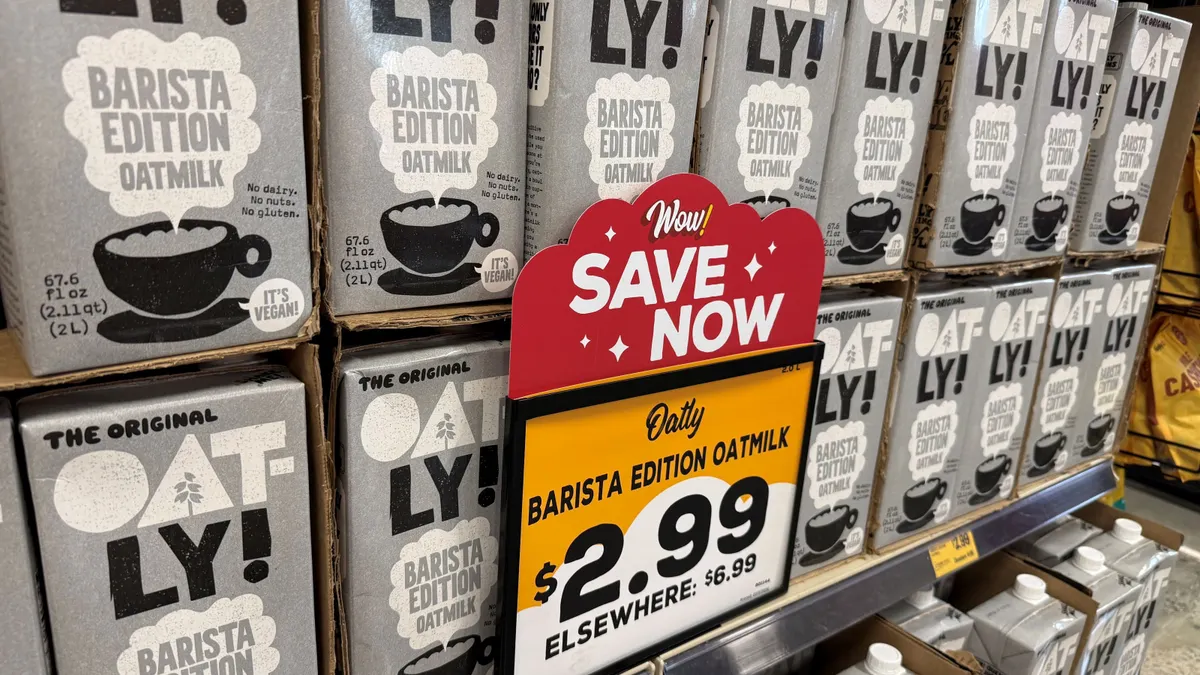
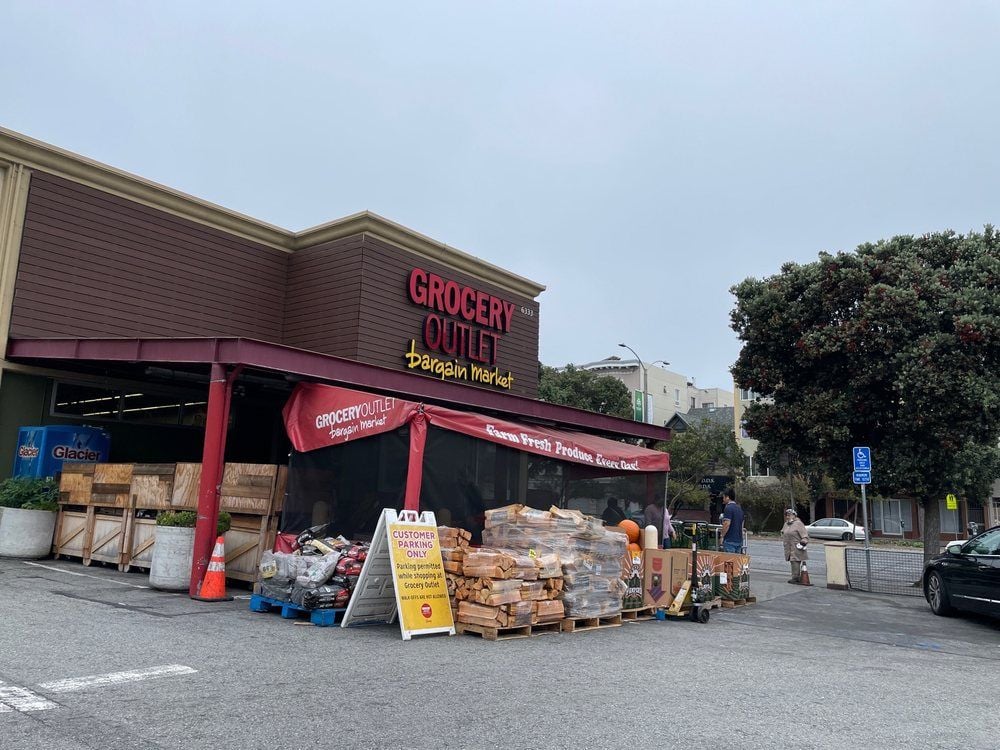
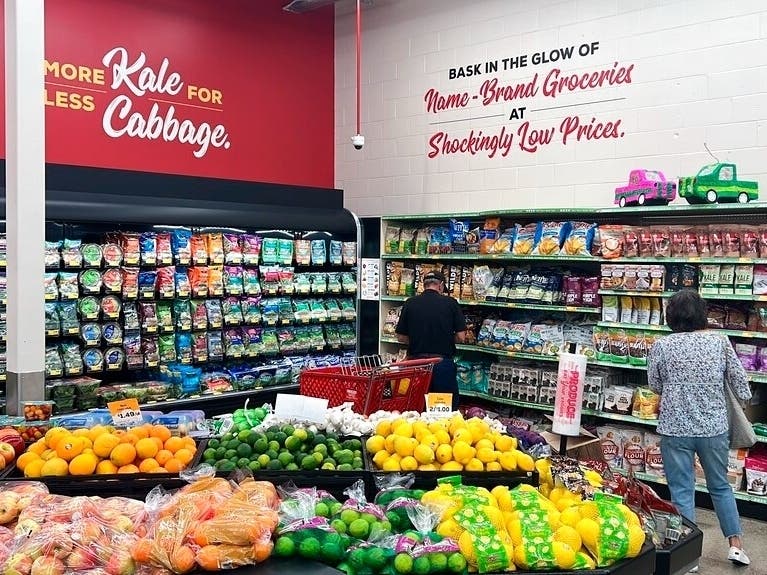
Experiential retail differentiation becomes critical as physical stores consolidate. Remaining Grocery Outlet locations (and new 2026 openings) will emphasize treasure-hunt merchandising and limited-time offers—proven engagement drivers. Cross-border sellers can leverage this by creating pop-up experiences in high-foot-traffic Grocery Outlet markets, positioning products as exclusive finds. California's 100+ Grocery Outlet locations represent concentrated foot traffic density; Bay Area, Los Angeles, and San Diego markets offer immediate pop-up ROI testing grounds. The 43% stock price decline and $218M Q4 2025 loss indicate aggressive cost-cutting, making this an optimal window for vendor negotiations with reduced margin requirements. Sellers targeting value-conscious demographics (household essentials, bulk goods, discount personal care) can expect 15-25% higher conversion rates in markets where Grocery Outlet maintains strong presence versus closed regions.
Questions 7
What is the expected customer LTV increase from O2O strategy in grocery consolidation markets?
Cross-border sellers implementing O2O strategies in Grocery Outlet markets can expect 20-35% customer LTV increase through omnichannel integration. Mechanism: (1) Pop-up/showroom discovery drives 30-40% brand awareness lift; (2) In-store experience converts to online repeat purchases at 2.5-3.5x higher frequency; (3) Value-conscious demographics show 15-20% higher repeat purchase rates when product discovery occurs offline. Specific metrics: Average customer LTV increases from $120-150 (online-only) to $150-200 (O2O integrated) for household goods categories. Payback period: 4-6 months for pop-up investments ($5,000-10,000 setup). Strategic advantage: Grocery Outlet's consolidation reduces competitor pop-up density, allowing first-mover sellers to capture market share before competitors establish presence. Recommended investment: 3-6 month pop-up pilots in 2-3 California markets to validate LTV assumptions before scaling to Eastern U.S. expansion markets.
What experiential retail strategies differentiate products in consolidating grocery markets?
Remaining Grocery Outlet locations emphasize treasure-hunt merchandising and limited-time offers—proven engagement drivers in discount retail. Cross-border sellers can create differentiated in-store experiences through: (1) exclusive product launches in pop-up formats, (2) limited-quantity offerings that drive urgency, (3) cultural/regional product curation that reflects local demographics. Grocery Outlet's value-conscious customer base (primary demographic) responds to scarcity and discovery—ideal for cross-border sellers of international household goods, specialty personal care, and ethnic food products. Expected brand awareness lift: 30-40% from 3-month pop-up presence. Customer LTV increase: 20-35% for customers who experience in-store product discovery versus online-only exposure.