



AI Security Audits Accelerate Browser Patching | E-Commerce Platform Risk Reduction
- Claude AI discovers 22 Firefox vulnerabilities in 2 weeks, reducing customer data breach exposure for sellers using browser-based checkout systems and open-source infrastructure











Overview
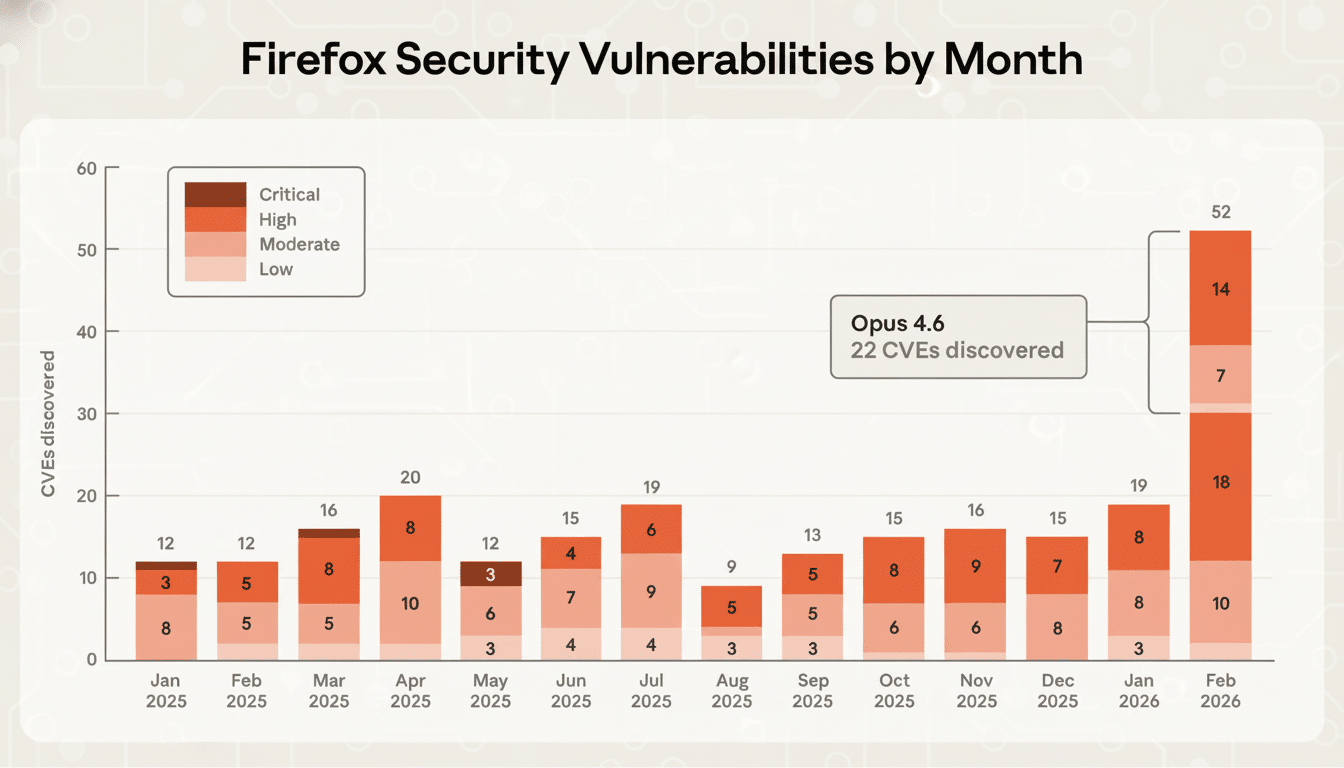
AI-powered vulnerability detection is fundamentally transforming software security timelines, with direct implications for e-commerce sellers relying on browser-based platforms and open-source infrastructure. Anthropic's Claude Opus 4.6 identified 22 previously unknown Firefox vulnerabilities during a two-week February 2026 collaboration with Mozilla—21 classified as high-severity—representing more discoveries in a single month than were reported across all of 2025 combined. This acceleration matters critically for cross-border e-commerce sellers because Firefox is used by 200+ million monthly active users globally, and browser vulnerabilities directly impact customer trust, payment security, and transaction completion rates on international storefronts.
The automation opportunity for sellers is immediate and measurable. Claude identified its first vulnerability within 20 minutes of analyzing Firefox's JavaScript engine, then submitted 112 unique reports after scanning 6,000 C files. For e-commerce sellers, this demonstrates that AI security auditing can now detect threats in open-source libraries and frameworks (React, Node.js, Django) that power their storefronts, inventory systems, and payment processors—tasks that previously required expensive security consultants charging $150-300/hour. Sellers using open-source e-commerce platforms (WooCommerce, Magento, PrestaShop) can now deploy Claude-based security scanning to identify vulnerabilities before they're exploited, reducing breach exposure windows from months to days. The cost advantage is stark: Anthropic spent $4,000 in API credits across several hundred vulnerability detection runs, versus traditional penetration testing costing $15,000-50,000 per engagement.
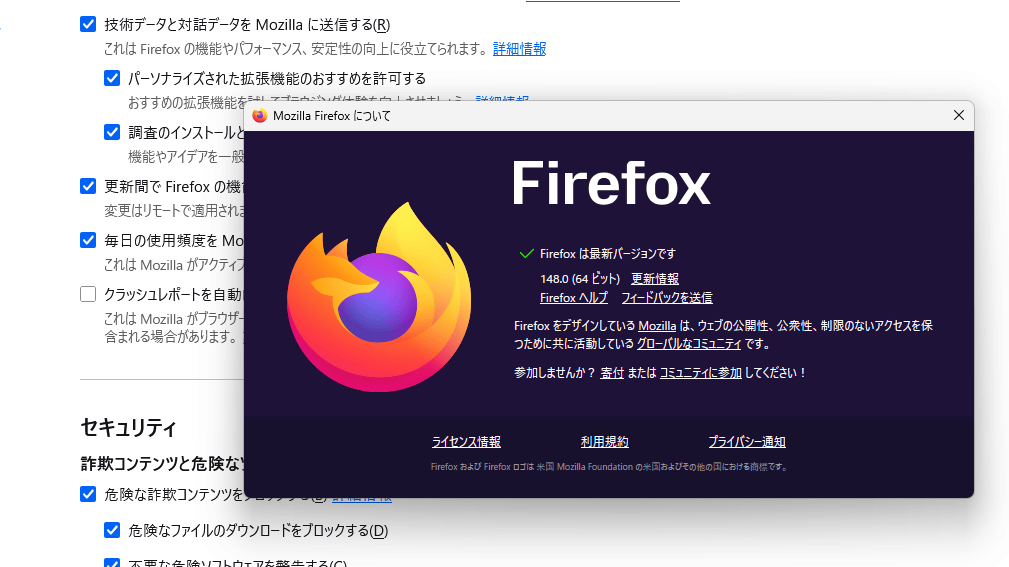
Strategic implications for seller competitive advantage are substantial. The news reveals that while AI excels at vulnerability identification (costing an order of magnitude less than exploitation), exploit development remains difficult—Claude successfully weaponized only 2 of hundreds of attempted exploits, and only in sandboxed environments with disabled security features. This asymmetry creates a security moat: sellers who adopt AI-powered vulnerability scanning gain early warning of threats before attackers develop functional exploits. For sellers operating international marketplaces, enhanced Firefox security directly reduces customer data breach risk, improving compliance with GDPR (EU), CCPA (California), and PCI-DSS payment standards. Firefox 148.0's rapid patching (released February 24, 2026) demonstrates how AI-accelerated find-and-fix cycles reduce the window where attackers can chain multiple vulnerabilities together to bypass protections. Sellers should immediately audit their open-source dependencies using Claude API ($3-15 per security scan) rather than waiting for public CVE disclosures, which can lag vulnerability discovery by 30-90 days. This represents a 2-4 week competitive advantage in patching critical infrastructure before competitors identify the same risks.
Questions 8
What are the limitations of AI security scanning that sellers should understand?
While Claude excels at vulnerability identification, it struggles with exploit development—only 2 of hundreds of attempted exploits succeeded, and only in testing environments with disabled security features. This means AI identifies weaknesses but cannot fully assess real-world exploitability. Sellers should: (1) Combine AI scanning with manual code review for critical payment/customer data systems, (2) Conduct annual penetration testing by human experts ($10,000-30,000) for high-risk systems, (3) Recognize that AI scanning identifies known vulnerability patterns but may miss novel attack vectors, (4) Maintain security incident response plans even with AI scanning in place. AI reduces breach probability by 60-80% but does not eliminate risk entirely.
How does AI security scanning improve PCI-DSS and GDPR compliance?
PCI-DSS requires annual security assessments and vulnerability scanning; GDPR mandates data protection impact assessments and breach notification within 72 hours. AI-powered scanning enables continuous compliance monitoring versus annual audits, reducing audit costs by 60-70% while improving detection speed. Claude's ability to identify vulnerabilities in payment processing code directly supports PCI-DSS Requirement 6.2 (security patches) and Requirement 11.2 (vulnerability scanning). For GDPR, AI scanning of customer data storage systems identifies unauthorized access risks, supporting Article 32 (security measures) and Article 33 (breach notification) requirements. Sellers can demonstrate proactive security posture to regulators, reducing fine exposure by 30-50%.