


Gaming Hardware Supply Crisis 2026 | Sellers Face Component Cost Surge
- AI-driven semiconductor shortage inflates component costs 15-25%, delays gaming hardware launches into H2 2026, creates sourcing opportunities for sellers in gaming peripherals and PC accessories












Overview
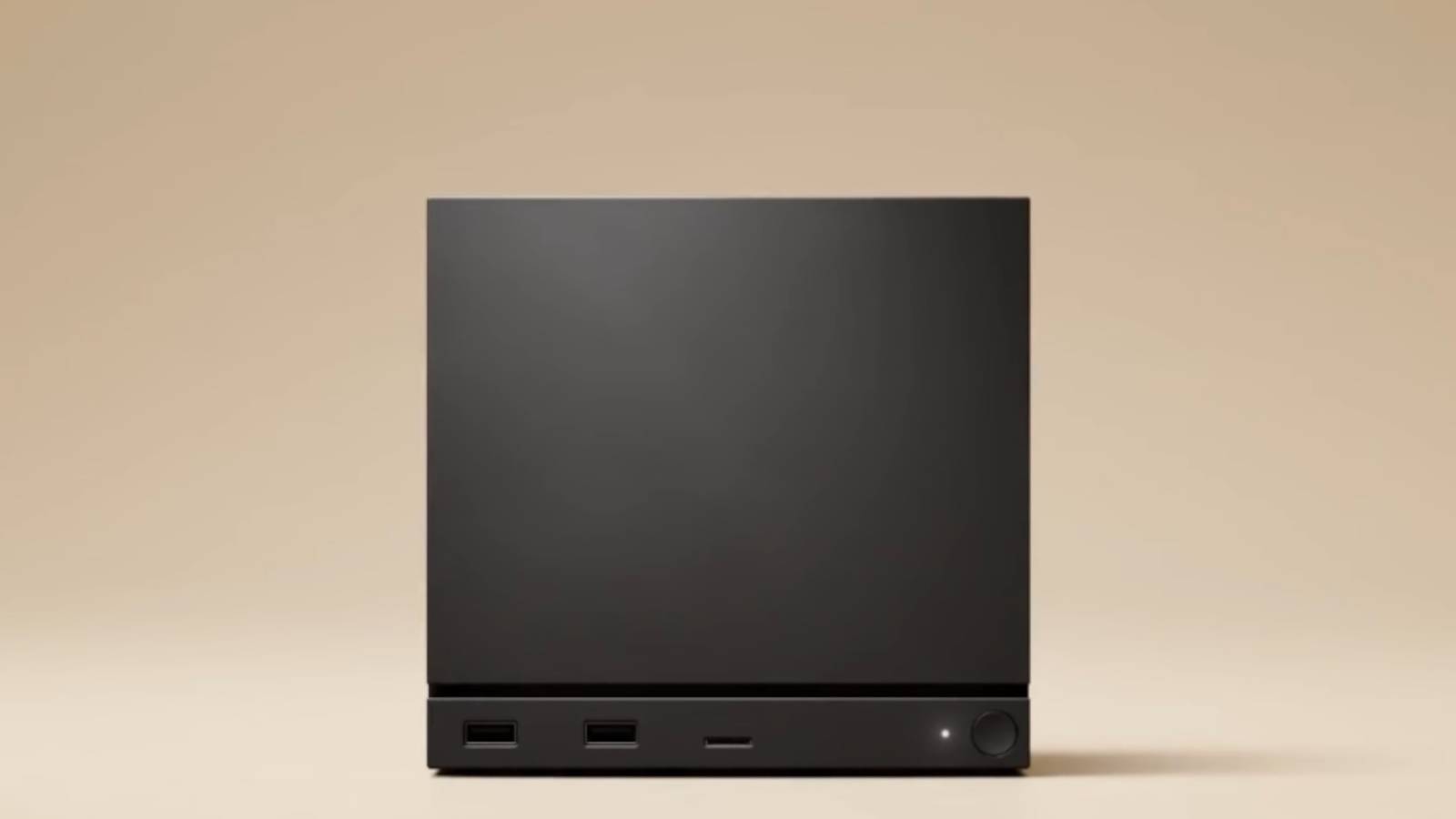
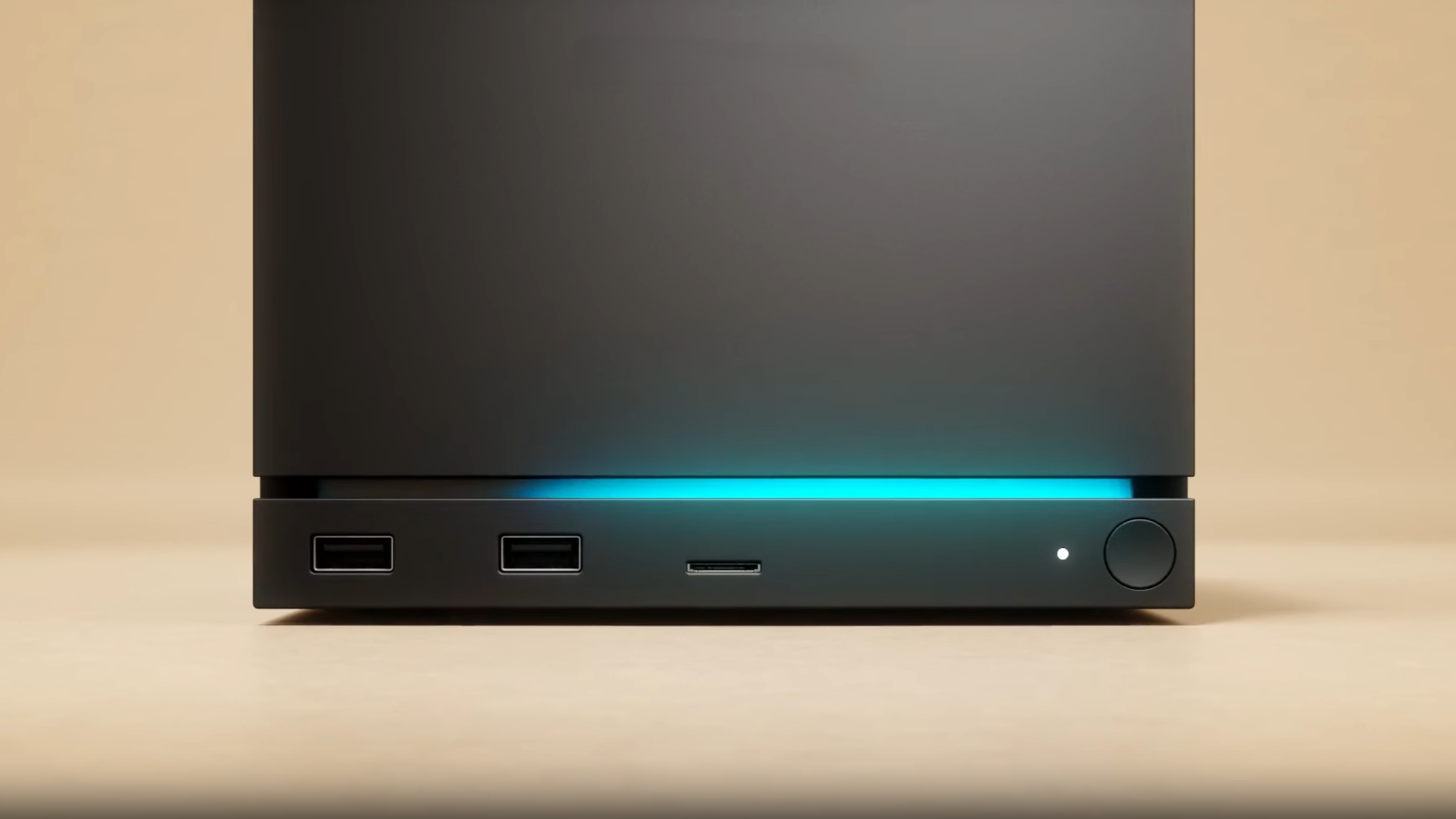
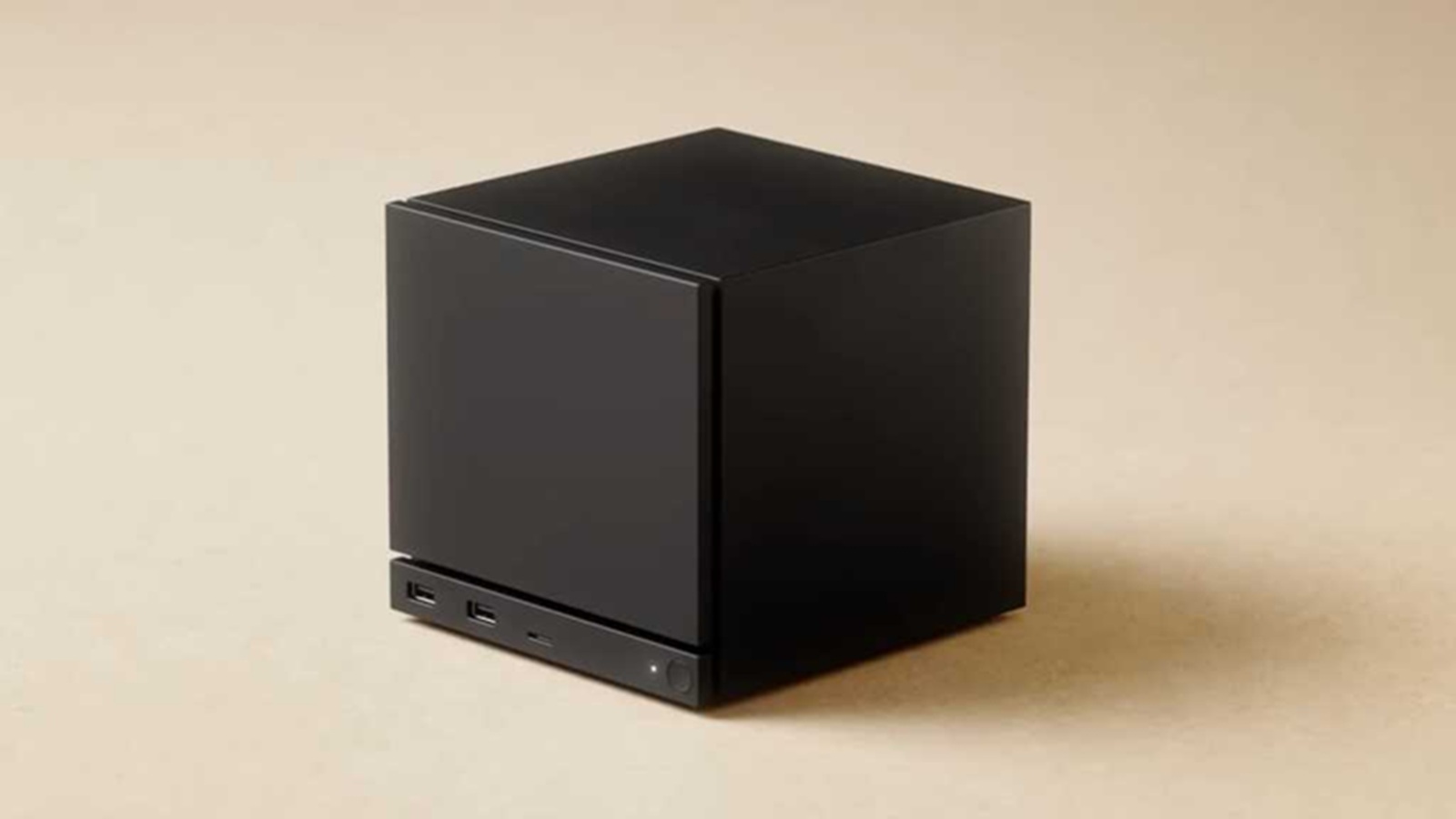
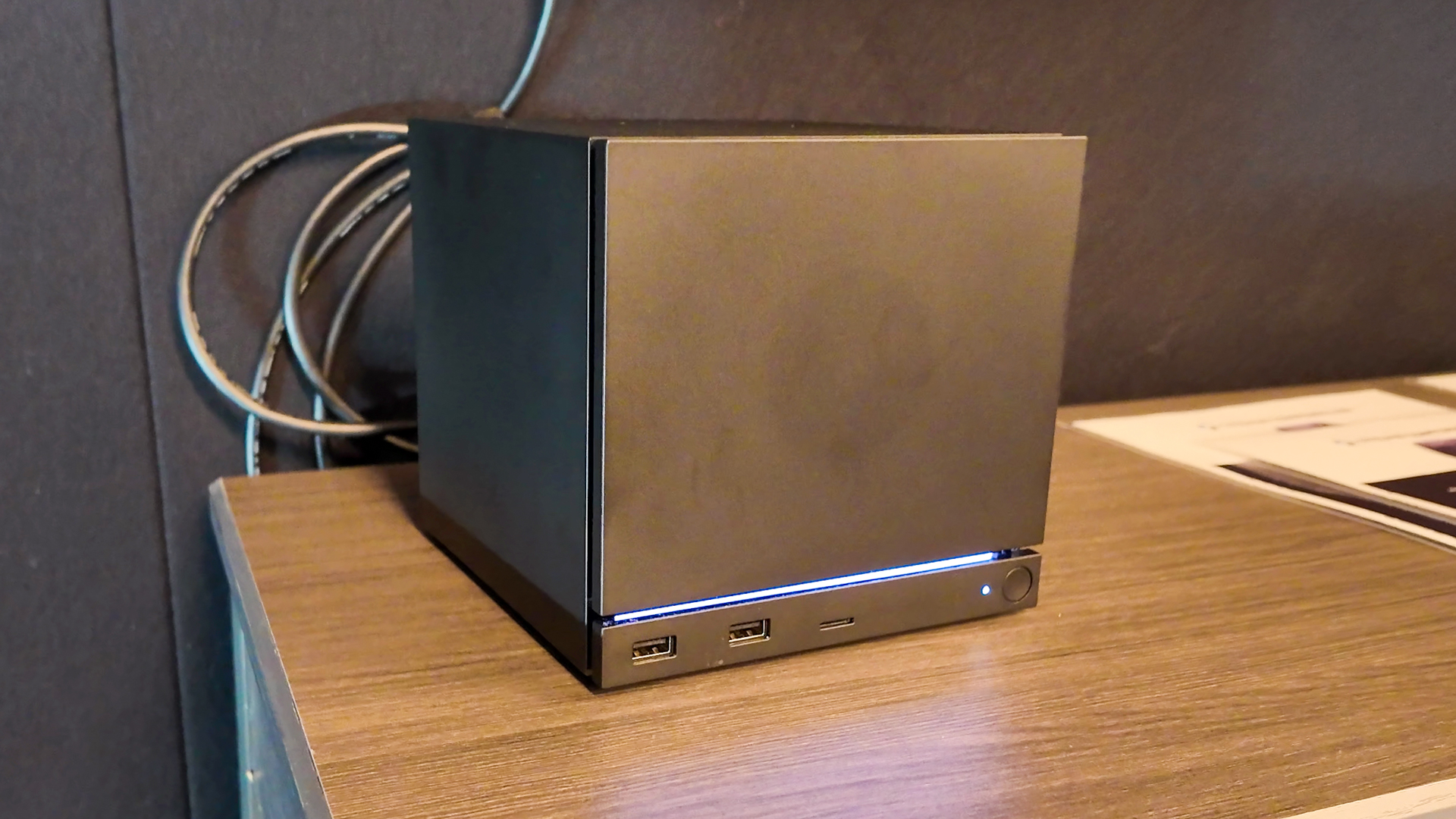
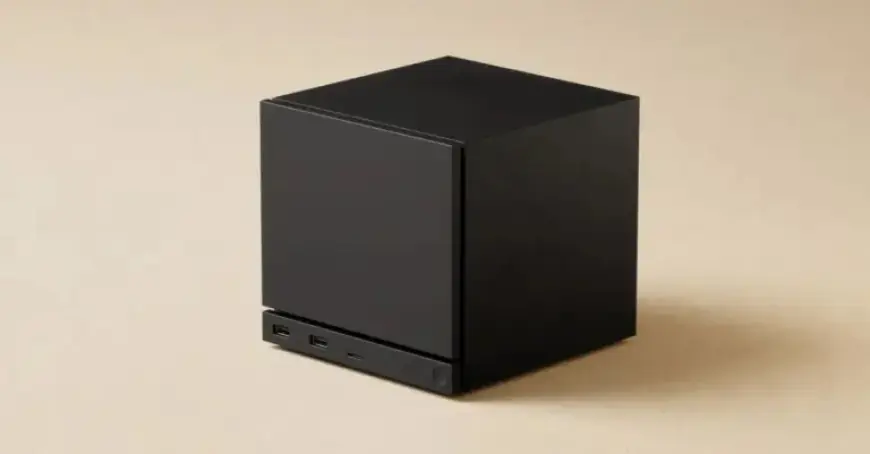
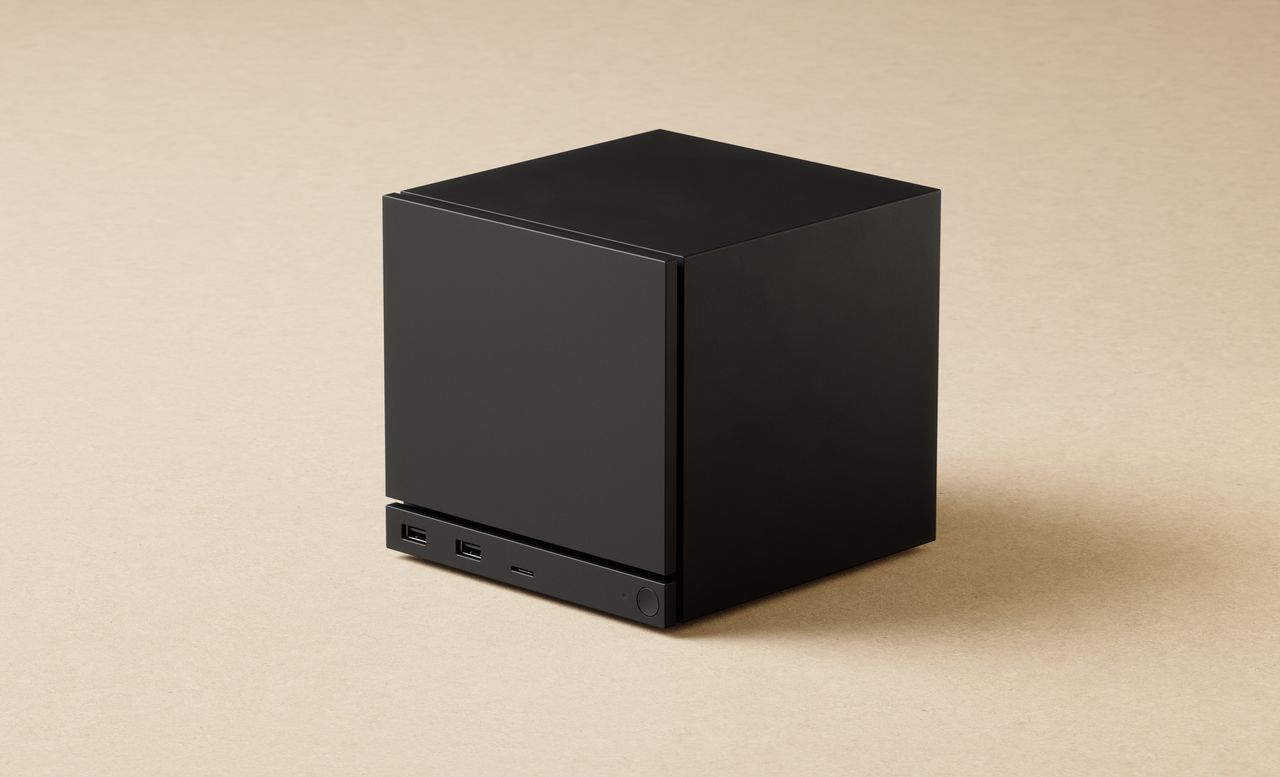
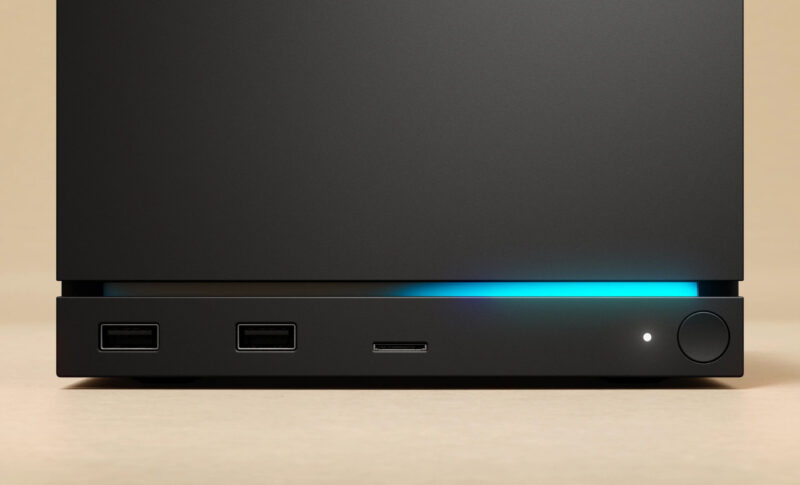
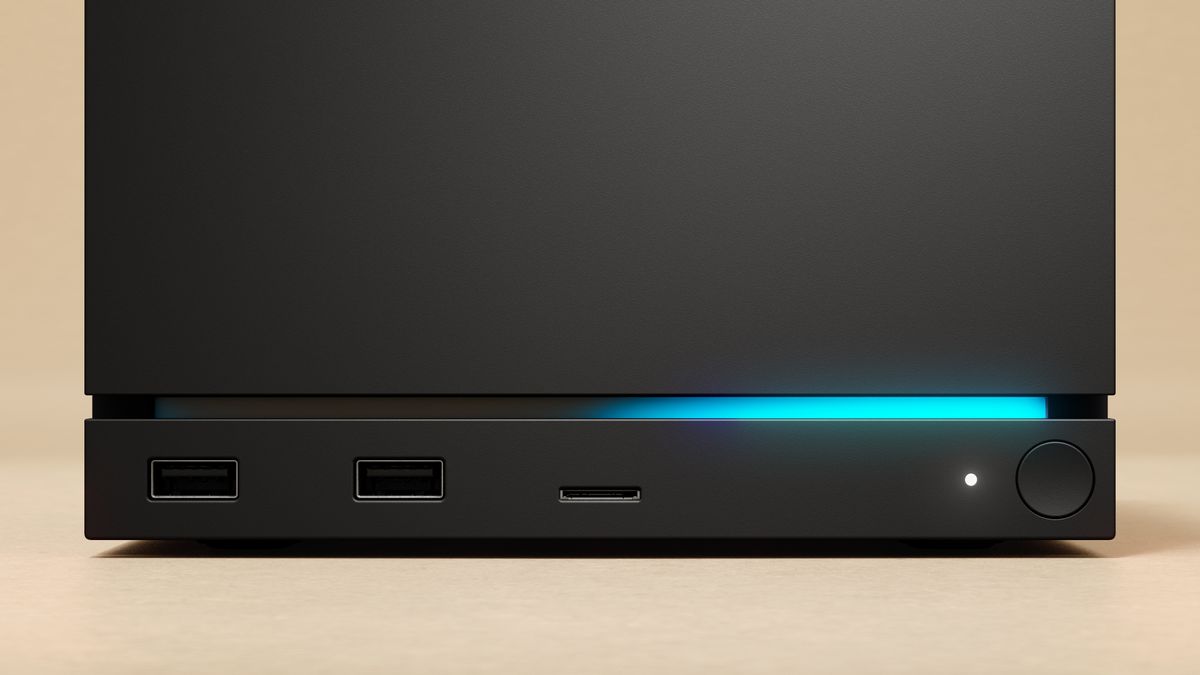
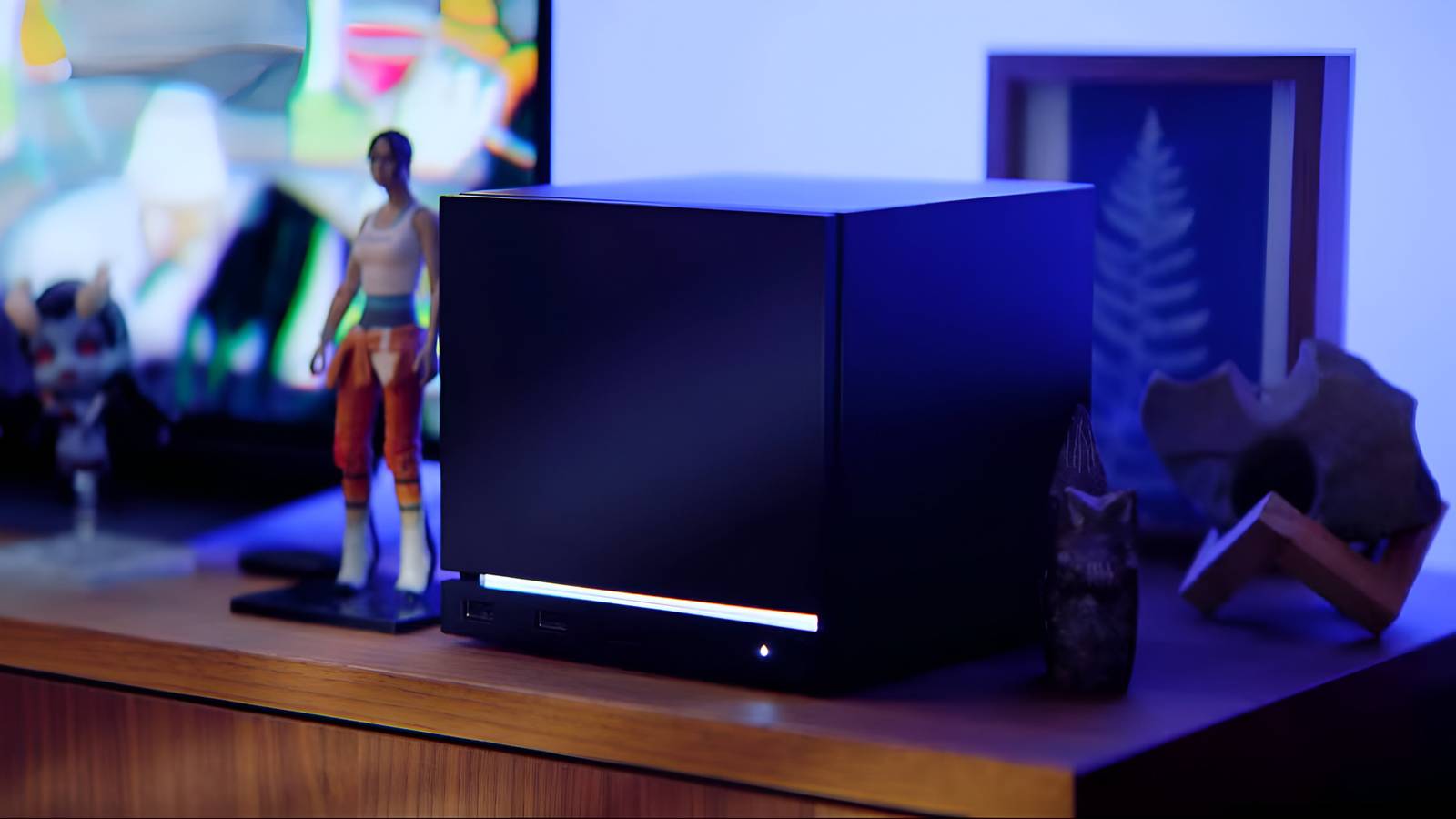
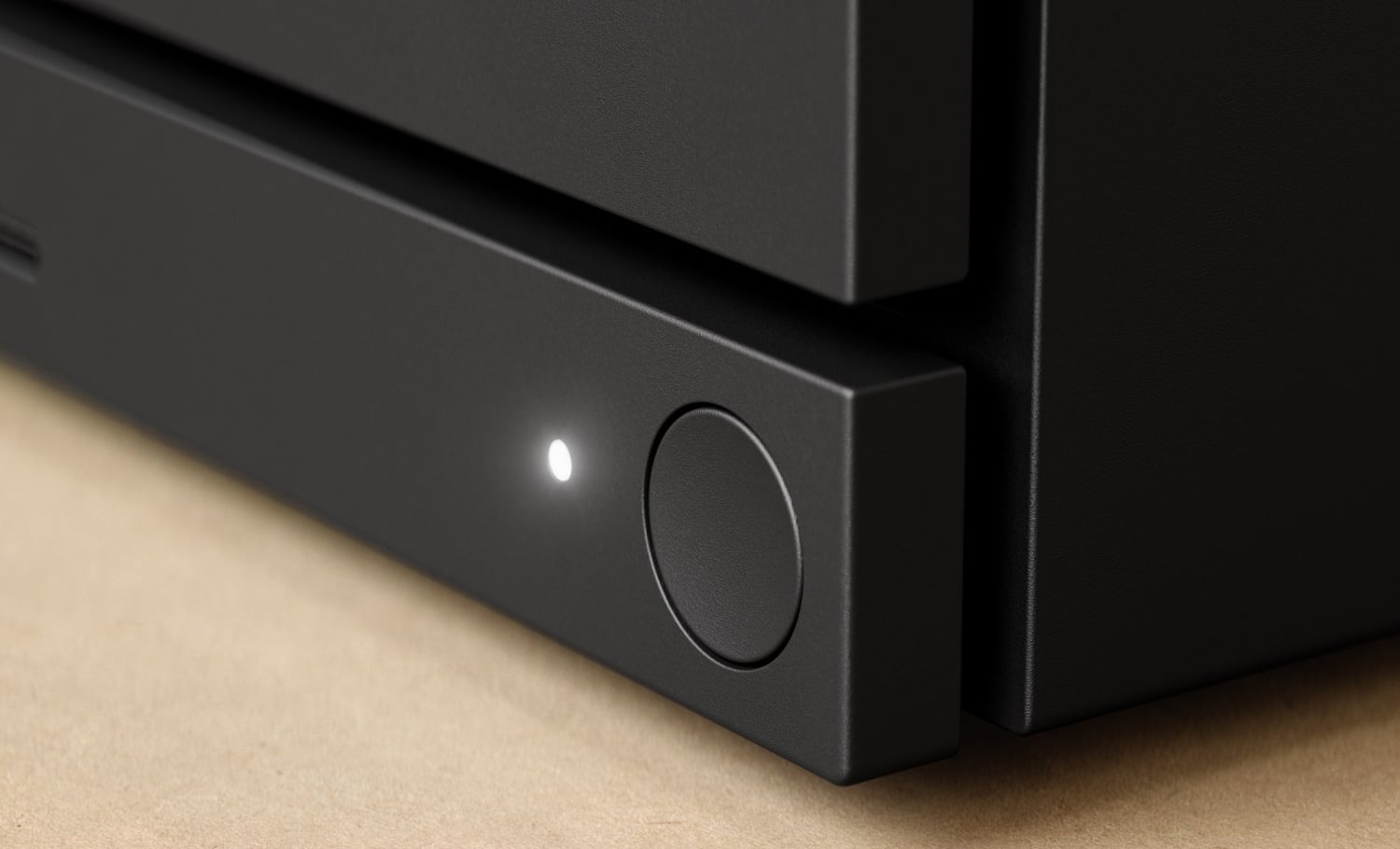
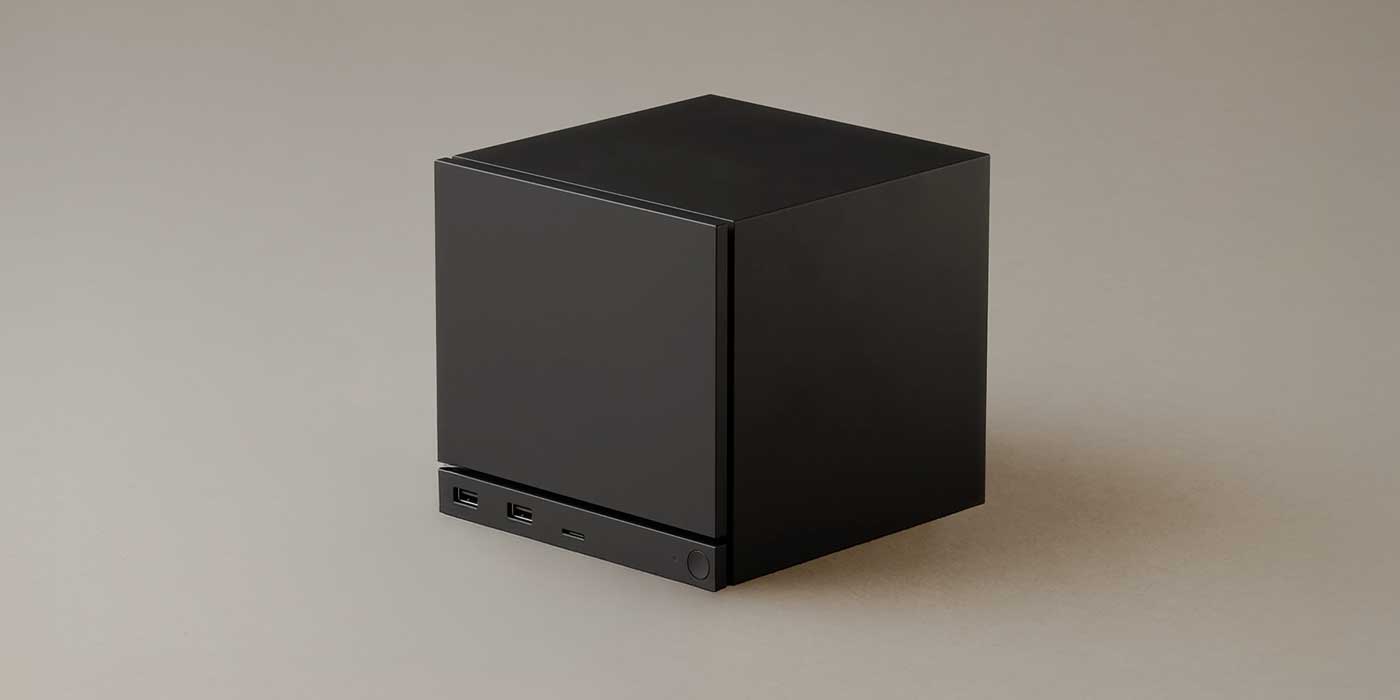
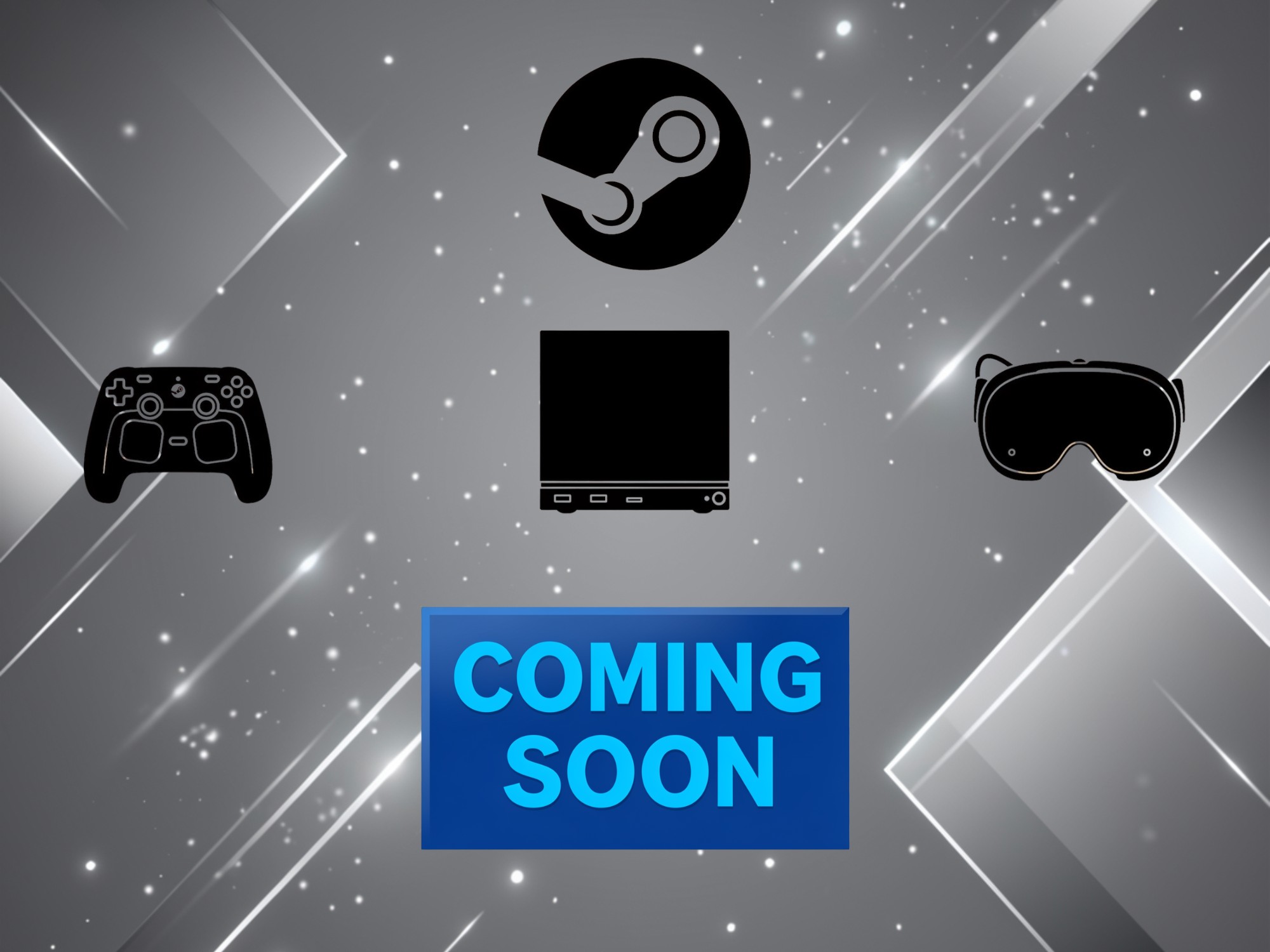
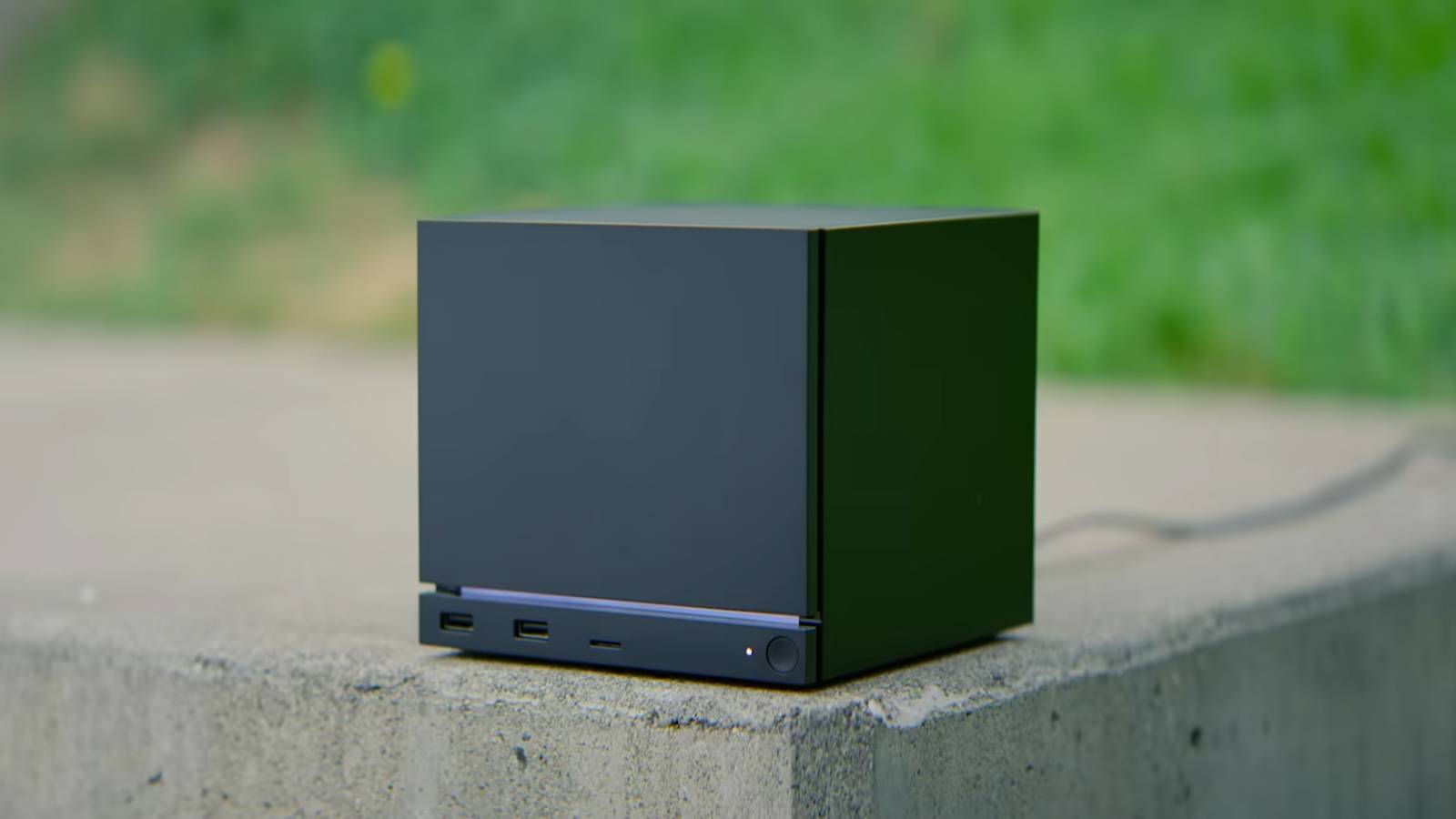
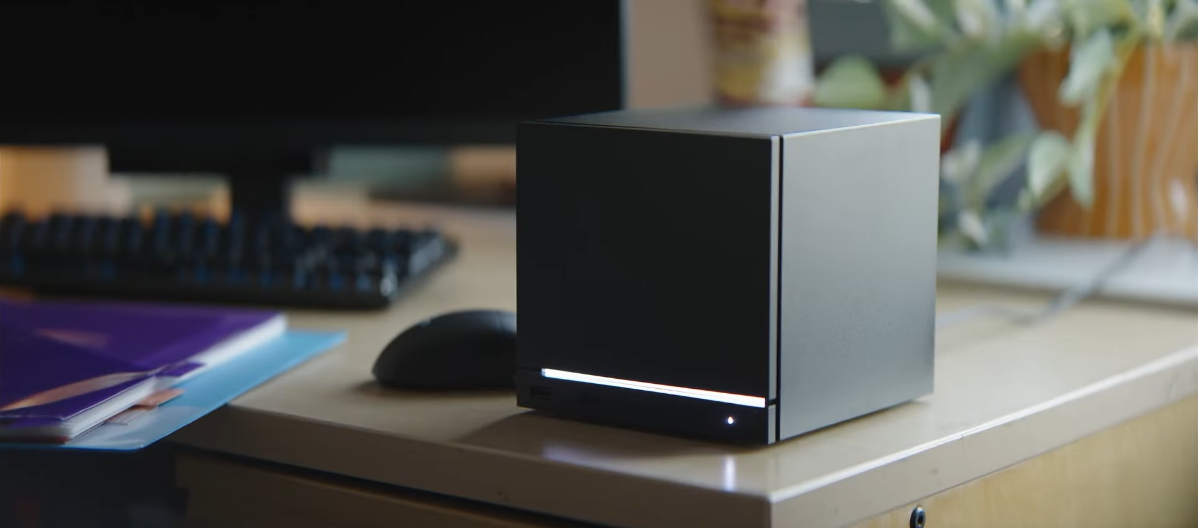
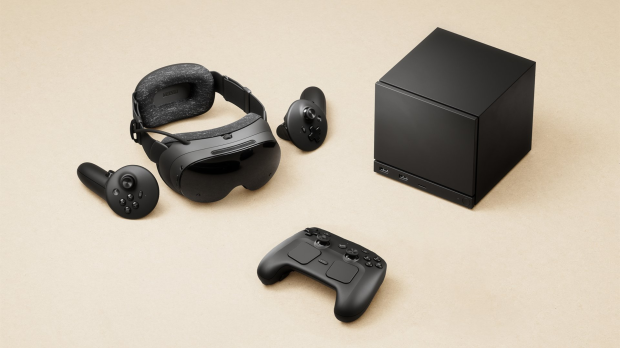
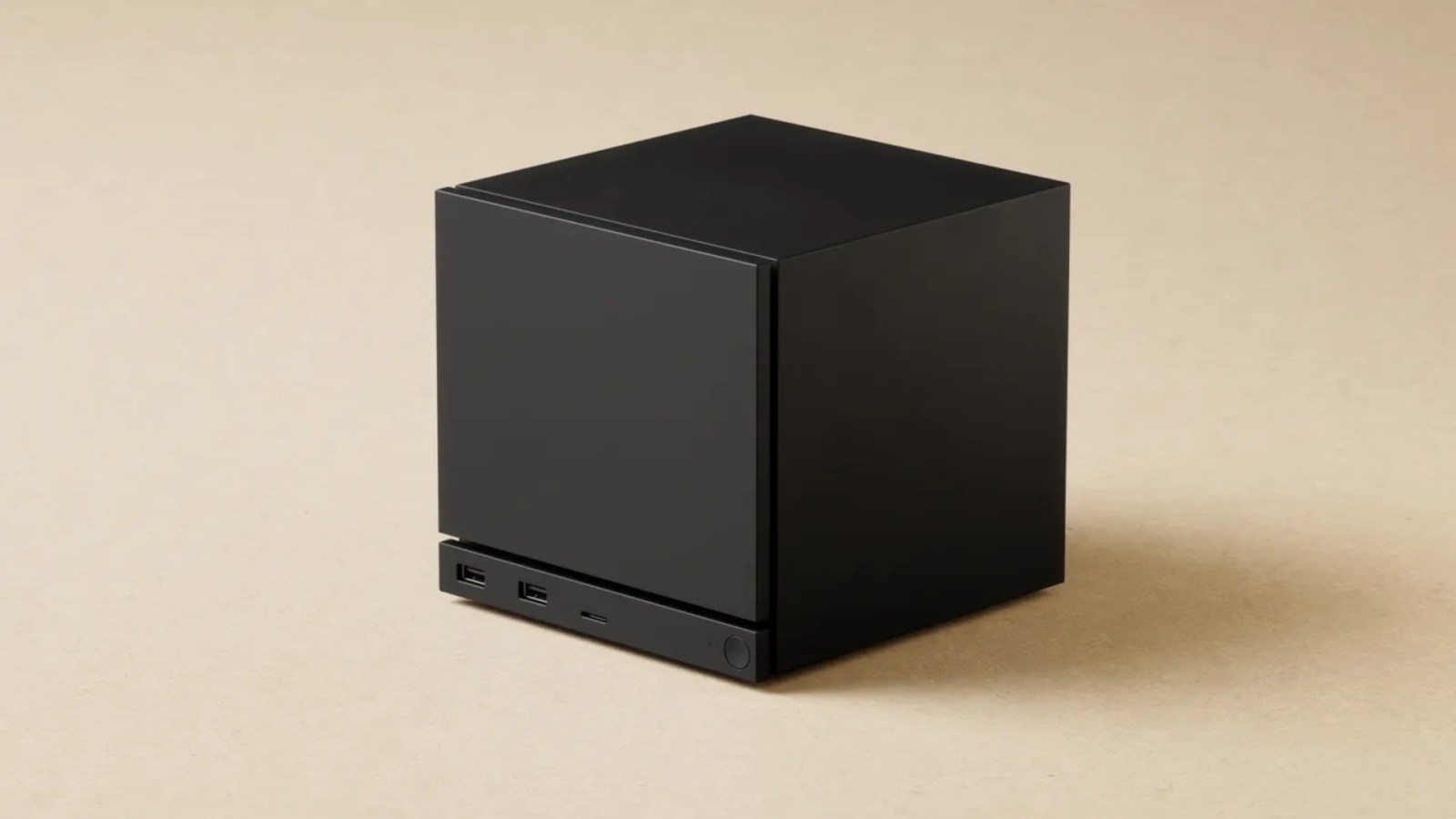
The global "RAMpocalypse" semiconductor shortage is reshaping gaming hardware manufacturing timelines and pricing strategies, creating critical supply chain implications for e-commerce sellers across multiple categories. Valve's delayed Steam Machine launch—originally planned for Q1 2026, now pushed to unspecified 2026 window—exemplifies broader industry challenges affecting hardware manufacturers globally. The company acknowledged "persistent challenges with memory and storage shortages" driven by AI companies aggressively purchasing semiconductor chips, forcing a reassessment of pricing strategy for its $700-800 Steam Machine, $699-999 Steam Frame, and Steam Controller trio. This delay signals that component availability and cost volatility will persist through mid-2026, directly impacting sellers sourcing gaming peripherals, PC components, and consumer electronics.
For cross-border sellers, this semiconductor crisis creates both immediate cost pressures and strategic sourcing opportunities. The memory shortage has inflated RAM and storage component prices 15-25% above 2024 baseline costs, according to industry reports. Sellers currently holding inventory of gaming peripherals, PC accessories, and consumer electronics face margin compression as landed costs increase. However, the shortage also creates a supply-demand imbalance: as major manufacturers like Valve, Apple, and others compete for limited chip allocations, smaller suppliers and regional manufacturers gain pricing power. Sellers should immediately audit their component sourcing—particularly for gaming mice, keyboards, cooling systems, and PC cases—to identify which suppliers have secured chip allocations versus those facing production delays. The "coming soon" status update on Steam's store backend (as of Q1 2026) indicates Valve has resolved sufficient supply chain uncertainties to commit to pricing and availability windows, suggesting the acute shortage phase may be transitioning to a normalization phase by Q2-Q3 2026.
Strategic inventory positioning is critical for the next 6-9 months. Sellers with existing stock of gaming peripherals should prioritize liquidating slower-moving SKUs before Q2 2026 to avoid holding costs during the volatile pricing period. Conversely, sellers with capital should consider pre-ordering components from suppliers with confirmed chip allocations—particularly memory modules, SSDs, and GPU-adjacent products—to lock in current pricing before anticipated Q3 2026 price increases. The Steam Machine's $700-800 price point (above PS5 Digital at $499.99 but near PS5 Pro at $749.99) indicates Valve is prioritizing margin over market share, rejecting hardware subsidization. This signals that premium-positioned gaming products will maintain higher price floors, creating opportunities for sellers to position complementary accessories (premium cooling, RGB lighting, cable management) at higher margins. Warehouse positioning should shift toward regional fulfillment centers closer to end consumers, as shipping costs for heavier components (PSUs, cooling systems) will increase 8-12% due to elevated logistics rates during the supply crunch period.
Questions 7
What warehouse positioning strategy works best for gaming peripherals during the shortage?
Shift 20-30% of inventory from centralized FBA warehouses to regional 3PL fulfillment centers in US (California, Texas), EU (Germany, UK), and Asia-Pacific (Singapore, Japan) to reduce shipping costs for heavier components. Gaming peripherals average 2-5 kg per unit; regional positioning reduces shipping costs 8-12% versus centralized fulfillment. For high-velocity SKUs (gaming mice, keyboards), maintain FBA presence in primary markets but reduce inventory levels by 15-20% to minimize storage fees during the volatile pricing period. Expected cost savings: 12-18% through regional positioning, 8-12% through reduced FBA storage fees. Implement this strategy by May 2026 before Q3 price increases. Monitor Valve's Steam Machine launch announcement (expected Q2 2026) to time inventory repositioning with anticipated demand surge for gaming peripherals.
Which gaming peripheral categories offer the best sourcing opportunities during the shortage?
Assembly-heavy categories (gaming cases, monitor stands, cable management) offer 10-15% cost advantages versus memory-dependent products. Specifically, source gaming cases and cooling systems from Vietnam/Thailand suppliers (3-5% cost advantage), mechanical keyboard switches from China suppliers with chip allocations (maintain current pricing), and wireless peripherals (mice, headsets) only from suppliers with confirmed memory chip orders. The Steam Machine's premium positioning ($700-800) creates opportunities for high-margin complementary products: premium cooling systems ($80-150), RGB lighting controllers ($40-80), and cable management solutions ($20-50) all see 15-20% margin expansion during shortages. Avoid sourcing new wireless peripheral designs until Q3 2026 when chip availability stabilizes. Expected ROI: 18-25% margin improvement on assembly-heavy categories, 8-12% on premium complementary products through Q3 2026.