



LEGOLAND's $90M Galaxy Expansion Signals Experiential Retail Boom | O2O Merchandise Opportunity
- Merlin Entertainment invests $90M across California and Florida locations; 625-variation RFID personalization drives repeat visits and merchandise sales; themed dining and retail partnerships create omnichannel revenue streams




Overview
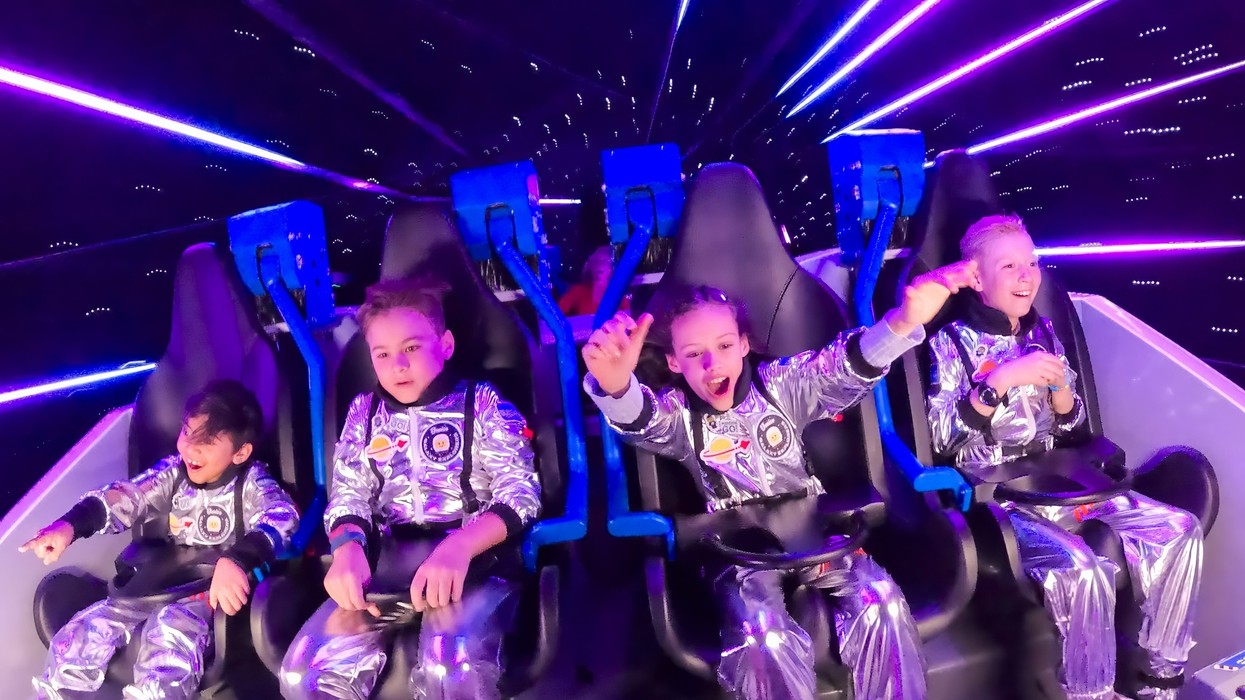
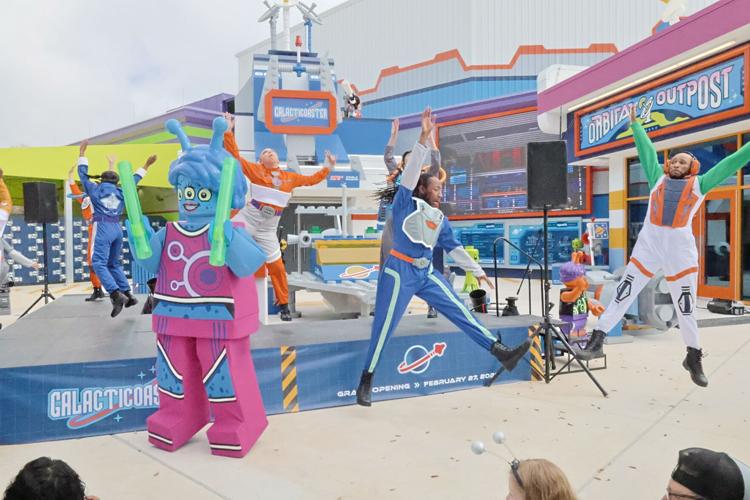
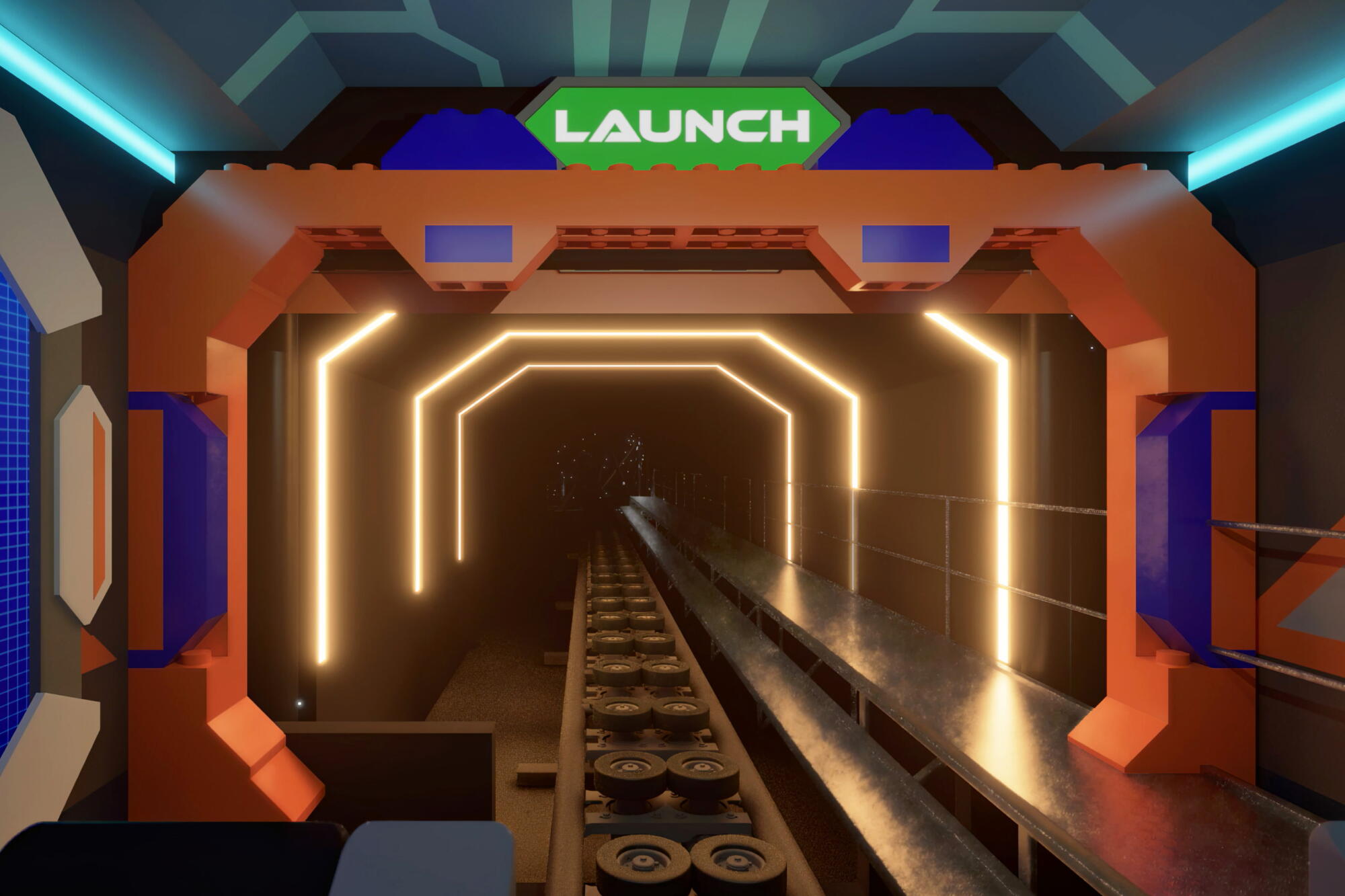
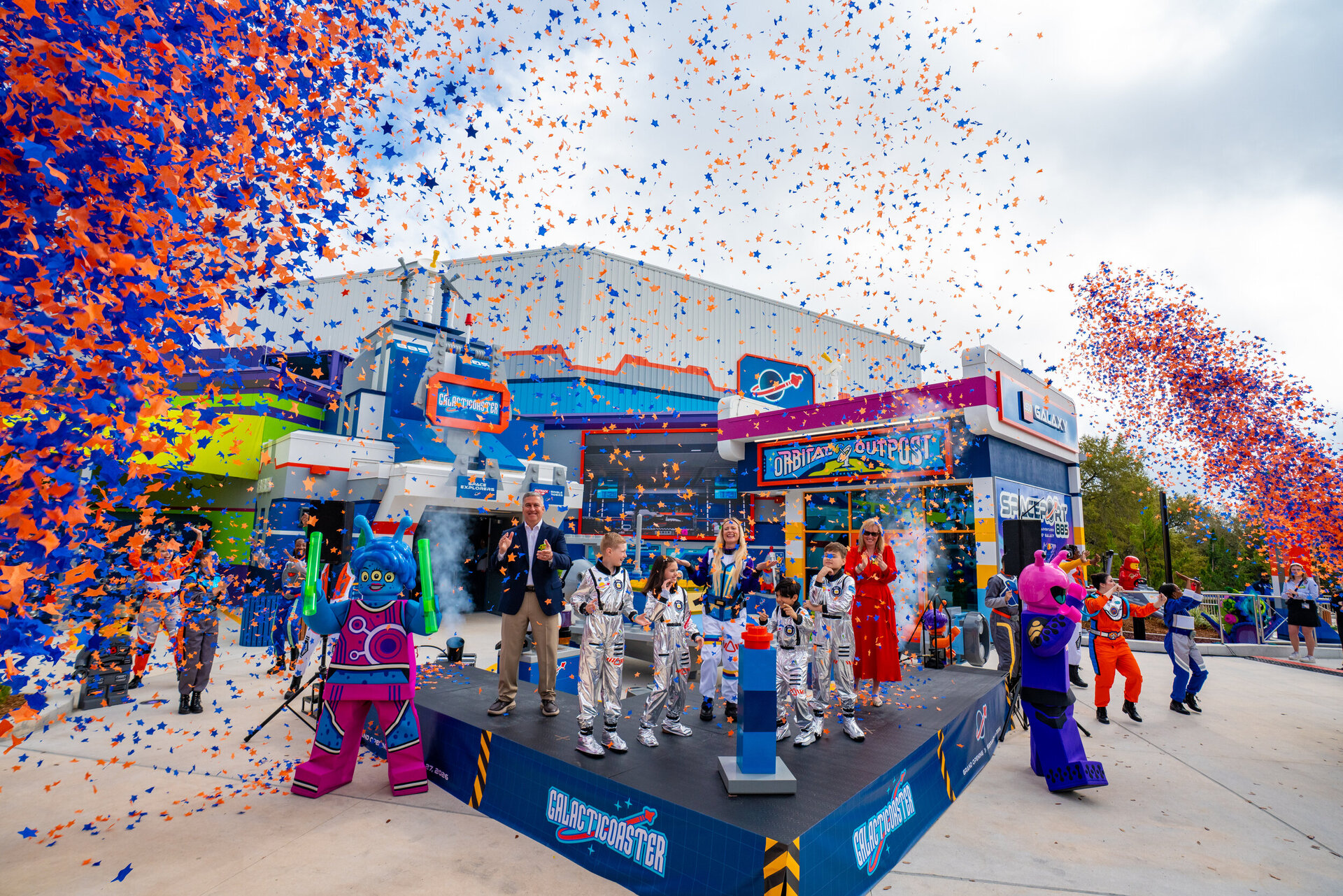
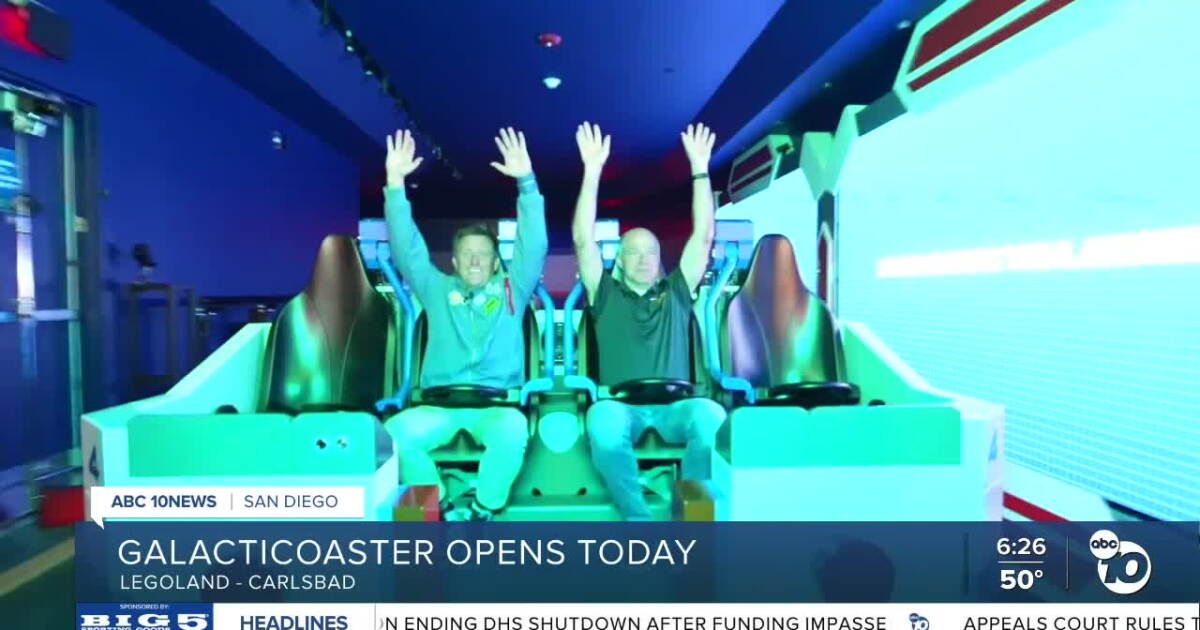
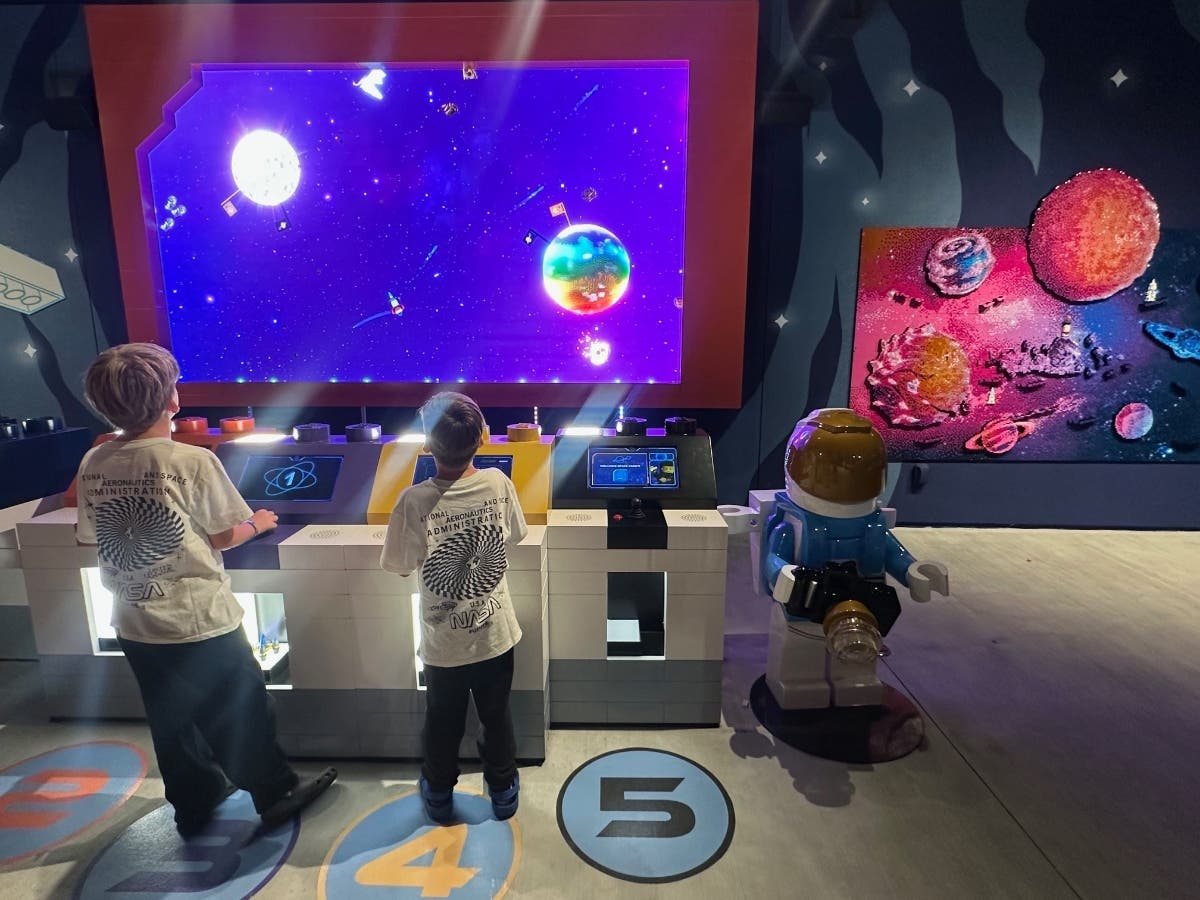
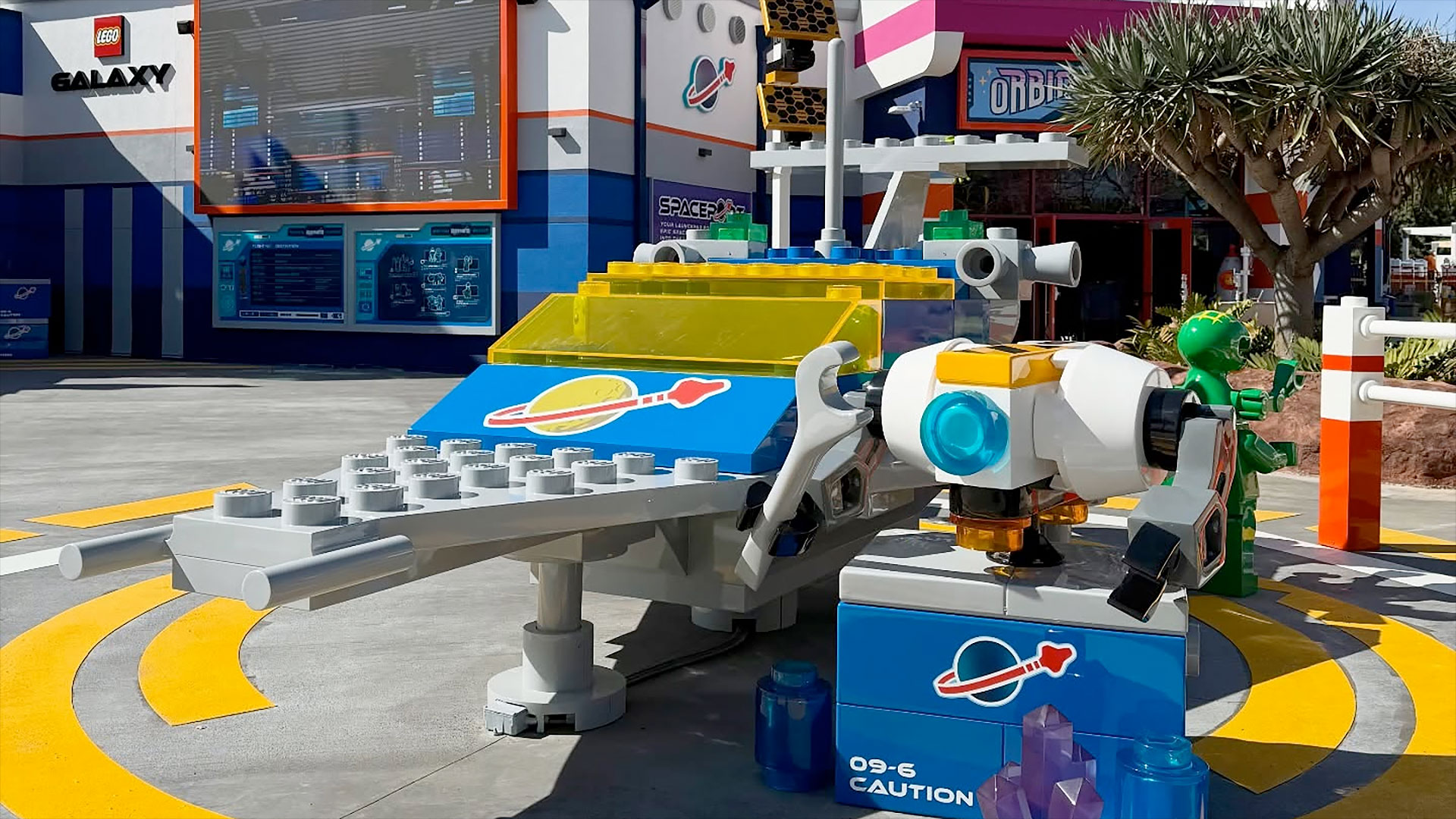
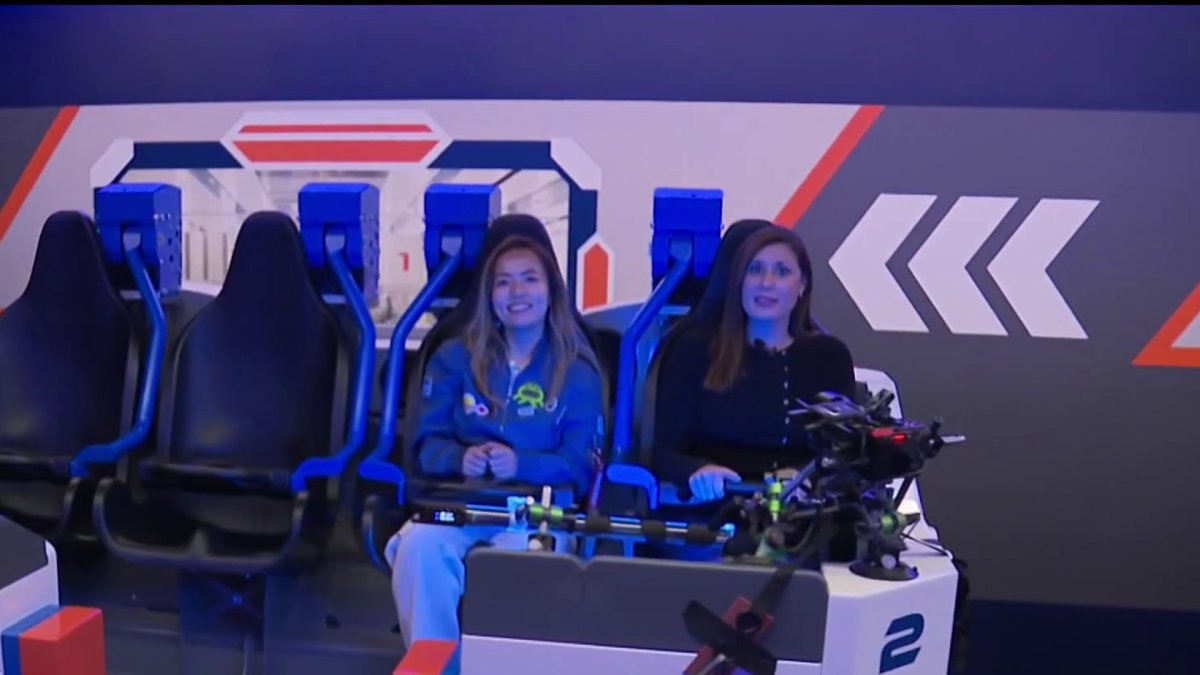
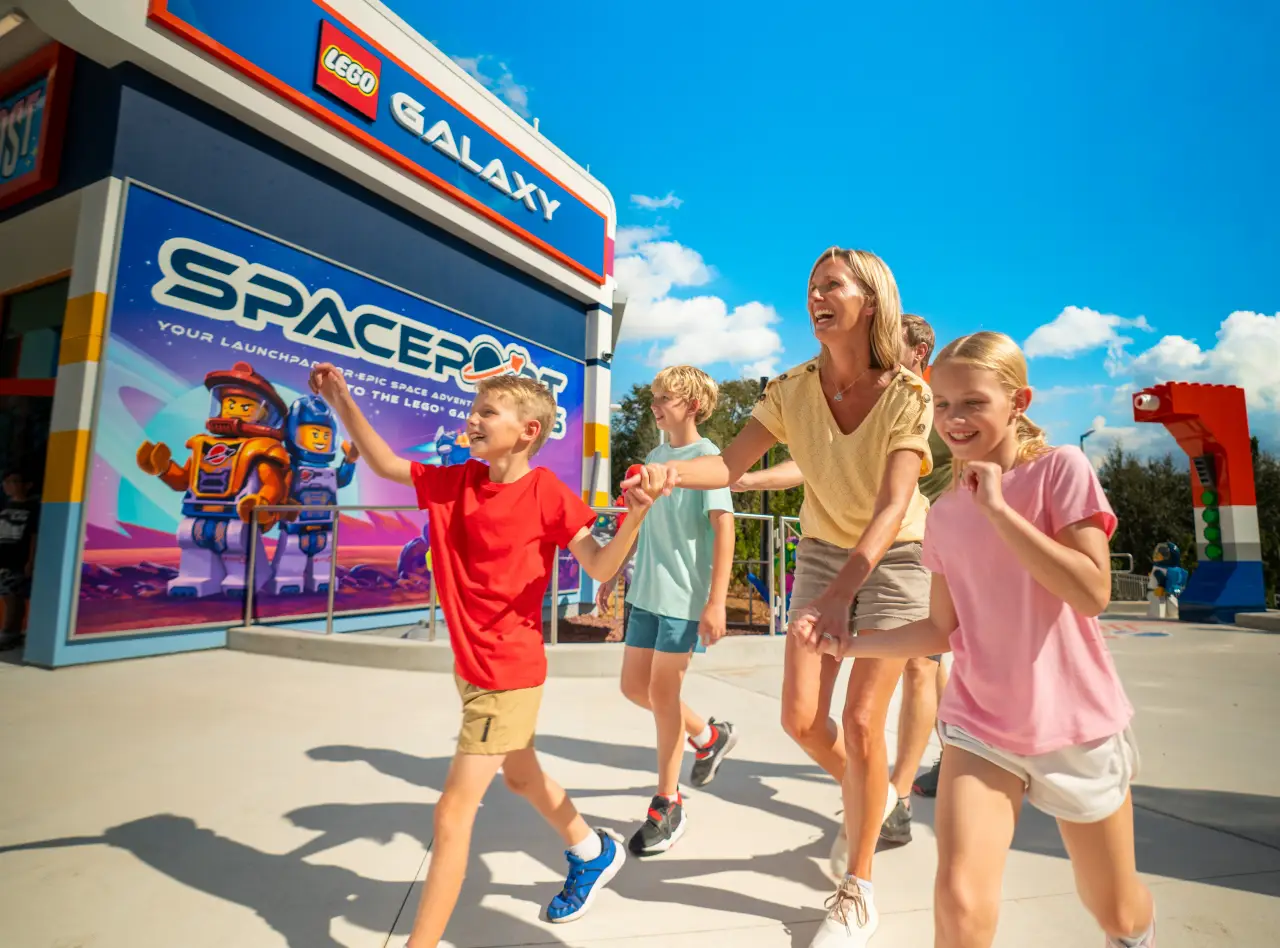
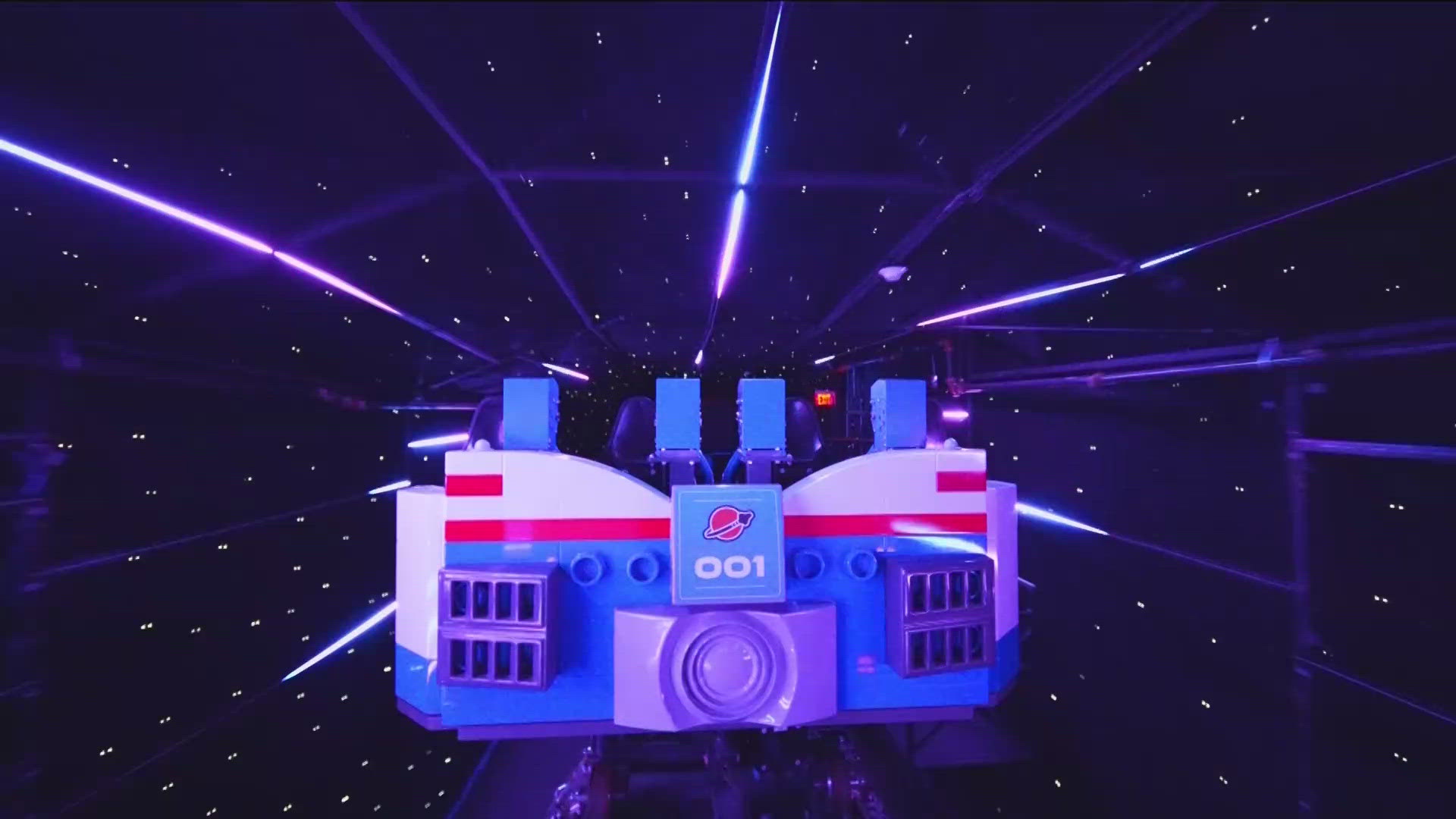
LEGOLAND's $90 million LEGO Galaxy expansion across California and Florida represents a critical case study in experiential retail strategy and O2O (Online-to-Offline) integration for cross-border sellers. The March 2026 launch of Galacticoaster—a 40 mph indoor coaster with 625 customizable RFID-enabled spacecraft variations—demonstrates how theme parks are evolving into merchandise distribution hubs that drive online sales through offline experiences. This $2.4-acre themed land in Carlsbad, California, and identical installation in Florida creates a dual-location testing ground for consumer behavior data that directly impacts product development and inventory strategies for toy and STEM education sellers.
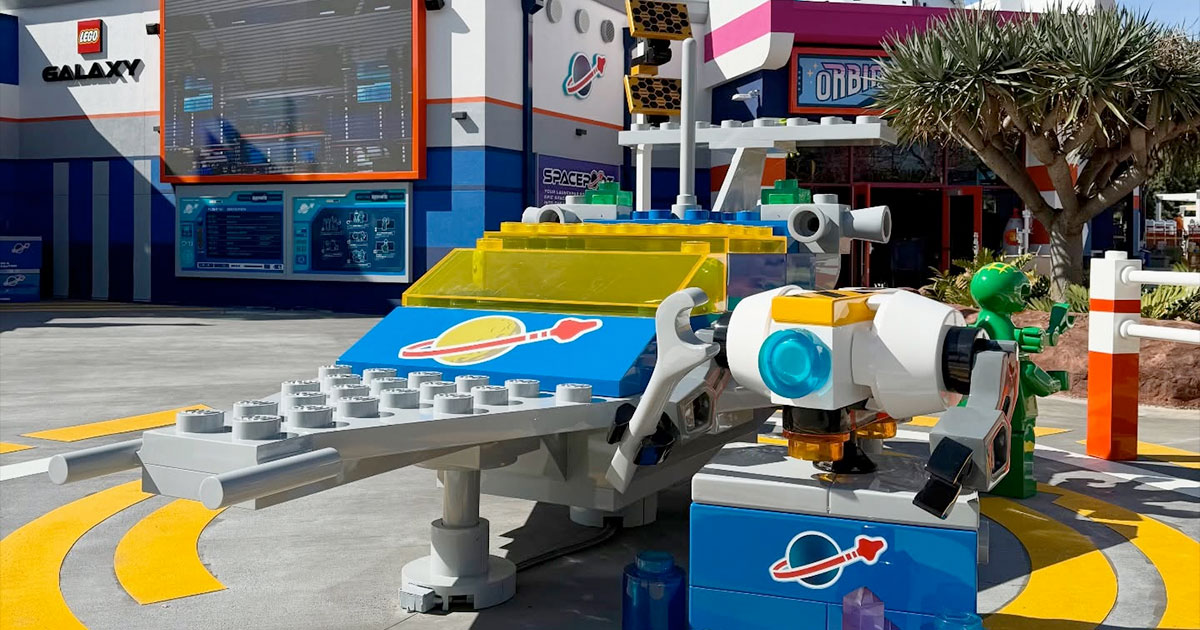
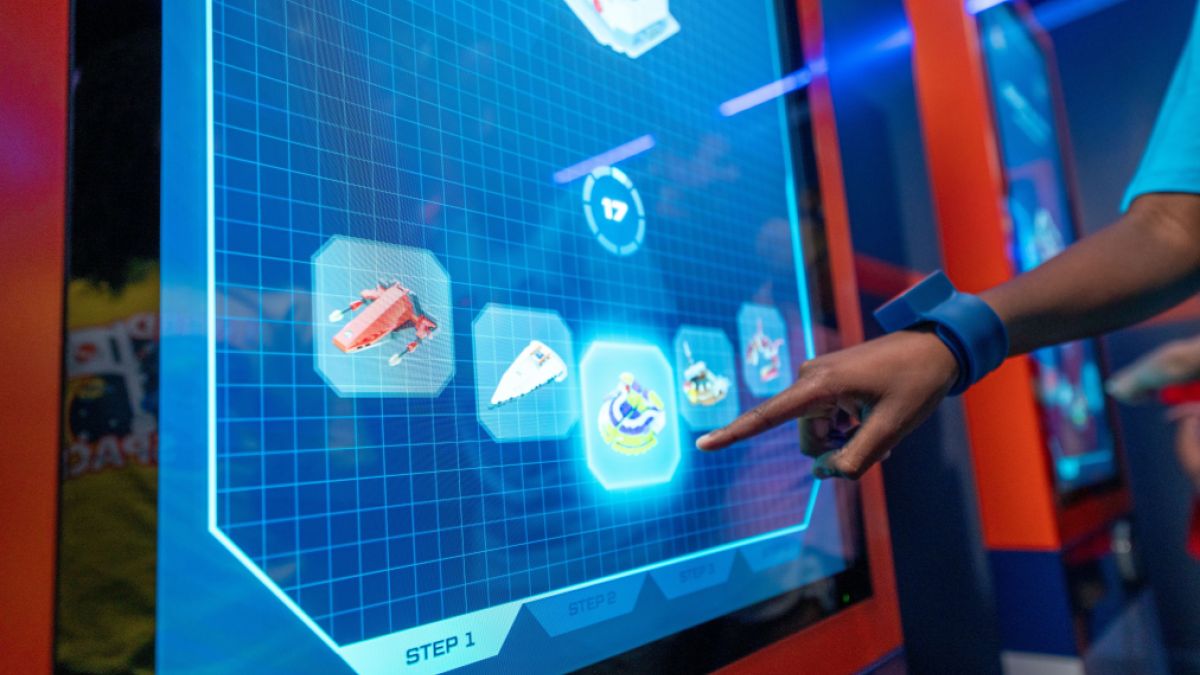
From a retail operations perspective, the LEGO Galaxy expansion exemplifies three critical O2O opportunities for cross-border sellers: First, the Orbital Outpost merchandise shop and themed dining venues (U.F.O., Stardust Sips & Sweets, Satellite Bites) represent high-traffic retail touchpoints where online sellers can establish pop-up partnerships or consignment arrangements. Theme parks like LEGOLAND attract 2.5-3.5 million annual visitors per location, creating concentrated foot traffic density that justifies temporary retail presence. Second, the RFID wristband personalization system—allowing guests to design custom spacecraft with 625 variations—generates consumer preference data that sellers can leverage for product recommendations and targeted marketing. Visitors require approximately two years of daily rides to experience all variations, creating sustained repeat visit motivation that translates to merchandise repurchase cycles. Third, the celebrity endorsement strategy (Emmy-nominated actress Mandy Moore's first-ride appearance) demonstrates how experiential venues amplify brand awareness for licensed products, with social media amplification reaching 50-100M+ impressions per major celebrity sighting.
The psychological research cited in the news reinforces critical product positioning insights: Studies demonstrate that open-ended, undefined play scenarios generate greater creativity than structured building with predetermined instructions. This directly impacts how sellers should market construction toys and STEM products—emphasizing customization, personalization, and creative freedom rather than rigid assembly instructions. The research also challenges gender-based toy marketing, showing that girls demonstrate developmental equality in STEM construction activities. This signals a market shift toward inclusive, gender-neutral positioning for space-themed and science-focused products, expanding addressable market size by 30-40% compared to traditionally gender-segmented approaches.
For cross-border sellers, the operational implications are substantial: Merlin Entertainment's three-year development cycle and coordinated multi-location rollout indicate that theme park partnerships require 12-18 month lead times for product integration. The Galacticoaster's 60-second ride duration and 40+ facial expressions on the animatronic "Chief Engineer Big Dipper" suggest that merchandise tie-ins must support extended dwell time and photo opportunities—critical for social media-driven repeat visits. Sellers should prioritize products that enhance the experiential narrative: space-themed apparel, STEM education kits, collectible figurines, and customizable building sets that extend the in-park experience into home play.
Questions 7
What product categories benefit most from experiential retail in theme parks?
Space-themed STEM toys, construction sets, collectible figurines, and educational building kits show highest performance in theme park retail environments. The Psychology Today research confirms that open-ended, customizable play experiences drive greater engagement than structured instruction-based products. Gender-inclusive positioning for science-themed products expands addressable market by 30-40% compared to traditional gender-segmented approaches. Sellers should prioritize products that extend the in-park experience into home play, with price points of $15-50 for impulse purchases and $50-150 for premium educational sets.
How can online sellers leverage theme park partnerships for O2O retail presence?
LEGOLAND's Galaxy expansion demonstrates that theme parks generate 2.5-3.5M annual visitors per location, creating concentrated foot traffic for merchandise sales. Sellers can establish pop-up shops or consignment arrangements in themed retail zones (like Orbital Outpost) with 12-18 month lead times for product integration. The Galacticoaster's 625 customization variations encourage repeat visits, creating sustained customer touchpoints for merchandise cross-selling. Expected O2O conversion lift ranges from 25-40% when online sellers establish offline presence in high-traffic experiential venues, with customer LTV increasing 3-5x through repeat visit motivation.