


CBD & CBG Supplement Market Surge | Emerging Health Trend Drives Cross-Border Seller Opportunities
- Hebrew University research validates CBD/CBG for fatty liver disease; 1/3 of global adults affected creates $2-4B supplement market opportunity for sellers




Overview
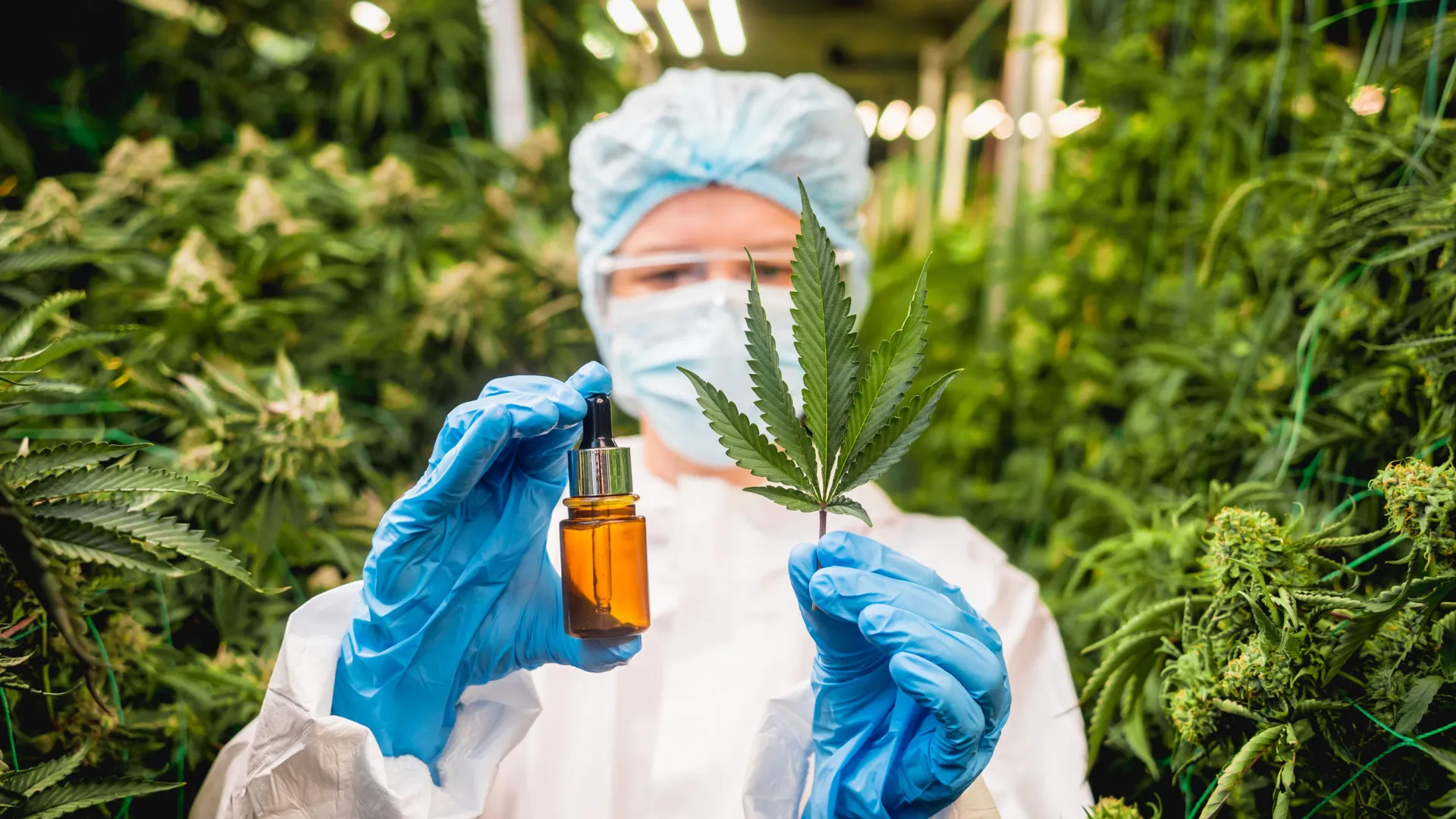
A March 2026 study from Hebrew University of Jerusalem's School of Pharmacy, led by Prof. Joseph Tam, published breakthrough research in the British Journal of Pharmacology demonstrating that cannabis compounds CBD and CBG may reverse fatty liver disease (MASLD), which affects approximately one-third of adults worldwide. The research identified two key mechanisms: phosphocreatine level increases providing emergency energy reserves for stressed liver cells, and reactivation of cathepsin enzymes restoring cellular waste removal. Critically, CBG demonstrated superior metabolic improvements over CBD, including greater body fat reduction, enhanced insulin sensitivity, and lower LDL cholesterol—findings that signal emerging market differentiation opportunities for supplement sellers.
For cross-border e-commerce sellers, this research validates a high-growth supplement category with expanding consumer demand. The global fatty liver disease prevalence (affecting ~2.6 billion adults) creates substantial addressable market for CBD/CBG products across Amazon, Shopify, and specialty health marketplaces. Sellers in the wellness supplement category can expect increased search volume for "CBD liver health," "CBG metabolic support," and "MASLD natural treatment" as consumer awareness spreads. The research advantage for CBG products suggests premium positioning opportunity—sellers can differentiate CBG-focused formulations with clinical backing, potentially commanding 15-25% price premiums over standard CBD offerings. However, regulatory complexity remains critical: CBD/CBG legal status varies significantly by jurisdiction (EU, US, Asia-Pacific), directly impacting cross-border shipping, payment processing, and marketplace policy compliance.
Operational implications for sellers include inventory strategy shifts and compliance acceleration. Supplement sellers should monitor regulatory developments in key markets (FDA guidance on CBD, EU Novel Foods authorization, UK CBD classification) as these directly affect product eligibility on major platforms. Amazon's supplement category policies increasingly require third-party testing and GMP certification—investments that become more justified given validated health claims. Sellers should consider sourcing CBG-specific products (currently 30-40% of CBD market by volume) to capture early-mover advantage before mainstream adoption. The 12-24 month timeline for human clinical trials suggests a window for sellers to establish brand authority before pharmaceutical companies enter the market with prescription alternatives.
Questions 8
Which geographic markets offer the best CBD/CBG supplement opportunities?
Market opportunities vary significantly by region based on regulatory status and consumer demand. North America (US, Canada) represents the largest market ($4-6B annually) with established consumer awareness, though FDA guidance remains unclear. Europe offers growth potential in countries with favorable CBD regulations (Germany, Netherlands, Switzerland) but faces Novel Foods authorization delays. UK market is accessible but requires novel food compliance. Asia-Pacific markets (Australia, Singapore, Japan) are heavily restricted or prohibited. Emerging markets (Latin America, Middle East) show growing interest but lack regulatory clarity. For cross-border sellers, prioritizing North America and Western Europe maximizes addressable market while managing regulatory risk. Sellers should avoid Asia-Pacific markets until regulatory frameworks clarify. Regional compliance costs vary $5,000-15,000 per market, so sellers should prioritize 2-3 core markets initially before expanding.
What is the timeline for CBD/CBG products to reach mainstream pharmaceutical status?
The research indicates 12-24 months remain before human clinical trials conclude and pharmaceutical companies develop prescription alternatives. This creates a critical window for supplement sellers to establish brand authority and market share before pharmaceutical competition arrives. Historically, supplement categories facing pharmaceutical competition (like fish oil, CoQ10) see 30-40% margin compression as prescription alternatives gain market share. Sellers should accelerate product launches, build customer loyalty programs, and establish direct-to-consumer channels (Shopify stores, email lists) during this window. Once pharmaceutical products enter the market, supplement sellers will need to differentiate on brand, formulation quality, and customer experience rather than clinical novelty. Sellers should view the next 18-24 months as a critical growth phase before competitive dynamics shift.