




Strait of Hormuz Disruption Drives 8-12% Shipping Cost Surge for Cross-Border Sellers
- Oil prices near $91/barrel threaten seller margins; Fed rate hold extends inventory financing costs through 2026







Overview
The escalating Iran-Israel conflict is creating a critical supply chain crisis for U.S. cross-border e-commerce sellers, with immediate cost pressures across three operational dimensions. Crude oil prices logged their biggest weekly gain since 1983, reaching nearly $91 per barrel, while gasoline prices hit $3.32 per gallon—the highest since September 2024. Most critically, the Strait of Hormuz, which carries approximately one-fifth of global oil supply and serves as the primary shipping route for commodities including aluminum, sugar, and fertilizer, faces potential disruption. According to the World Bank, over 80% of global trade moves by sea, making this waterway's vulnerability directly consequential for international logistics networks that e-commerce sellers depend upon.
Shipping Cost Escalation: Goldman Sachs warns crude prices could exceed $100 per barrel if disruptions persist, with each $1 oil increase translating to approximately $0.02-$0.03 per gallon at the pump. For sellers relying on air freight or expedited ocean shipping, this translates to 8-12% cost increases on monthly fulfillment expenses. Sellers shipping 1,000+ units monthly through Amazon FBA or 3PL providers face $200-400 additional monthly costs. Route diversification around the conflict zone extends transit times by 7-14 days, forcing sellers to increase safety stock and working capital requirements.
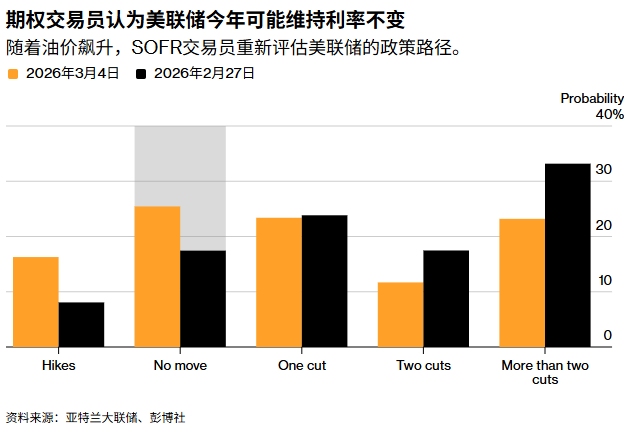
Monetary Policy Headwind: Simultaneously, the U.S. labor market weakened with 92,000 job losses in February (with 69,000 additional downward revisions), creating stagflation conditions. Inflation sits at 2.4%, above the Federal Reserve's 2% target. While weak employment typically justifies rate cuts, energy-driven inflation pressures complicate Fed policy. Fed officials including San Francisco President Mary Daly acknowledge the difficult environment, though Governor Christopher Waller believes inflation impacts may prove temporary. The critical risk: if geopolitical tension persists, the Fed will maintain higher interest rates longer, directly increasing borrowing costs for sellers managing inventory financing. Sellers with $50K-$500K inventory financed through Amazon Lending or traditional credit lines face 50-150 basis points higher annual financing costs.
Consumer Demand Compression: President Trump's affordability agenda is threatened as lower gas prices had previously offset rising costs in groceries, housing, and tariff-affected goods like apparel and furniture. With energy costs rising, consumer purchasing power contracts—particularly impacting price-sensitive categories (apparel, home goods, electronics accessories) where cross-border sellers compete on margin. Bond traders are simultaneously piling into inflation hedges (TIPS, inflation swaps), signaling market expectations for sustained price pressures through mid-2026.
Questions 8
How should sellers adjust pricing strategy amid stagflation conditions?
Stagflation (rising inflation + economic slowdown) requires dual-track pricing: maintain competitive pricing on high-volume SKUs to preserve market share, while implementing 3-8% increases on specialty/branded items with lower price elasticity. Monitor competitor pricing weekly—Amazon's algorithm rewards competitive pricing, but margin preservation is critical. Test price increases on lower-volume SKUs first to gauge demand elasticity. Consider dynamic pricing tools (Repricing software) to optimize margins in real-time. Simultaneously, emphasize value messaging in product listings: highlight durability, warranty, and total cost of ownership to justify premium positioning. Expect 5-15% demand reduction in price-sensitive categories through Q3 2026.
Should sellers shift sourcing away from Middle East-dependent supply chains?
Yes, consider strategic sourcing diversification. While the Middle East itself isn't a major manufacturing hub for most e-commerce products, the Strait of Hormuz disruption affects all ocean shipping routes globally. Sellers should evaluate sourcing from Vietnam, India, and Indonesia for apparel and electronics—these regions offer 5-10% cost advantages over China and bypass Middle East shipping routes. For commodity-dependent products (aluminum goods, sugar-based items), identify suppliers in North America or Europe. Implement this shift over 60-90 days to avoid supply gaps. The geopolitical risk premium justifies the transition costs.