





Prediction Market Regulation Tightens | Compliance Barriers Create $2.2M Refund Precedent
- CFTC enforcement divergence between regulated (Kalshi) and unregulated (Polymarket) platforms signals incoming compliance requirements; $54M lawsuit exposes platform governance gaps affecting fintech seller compliance strategies
















Overview
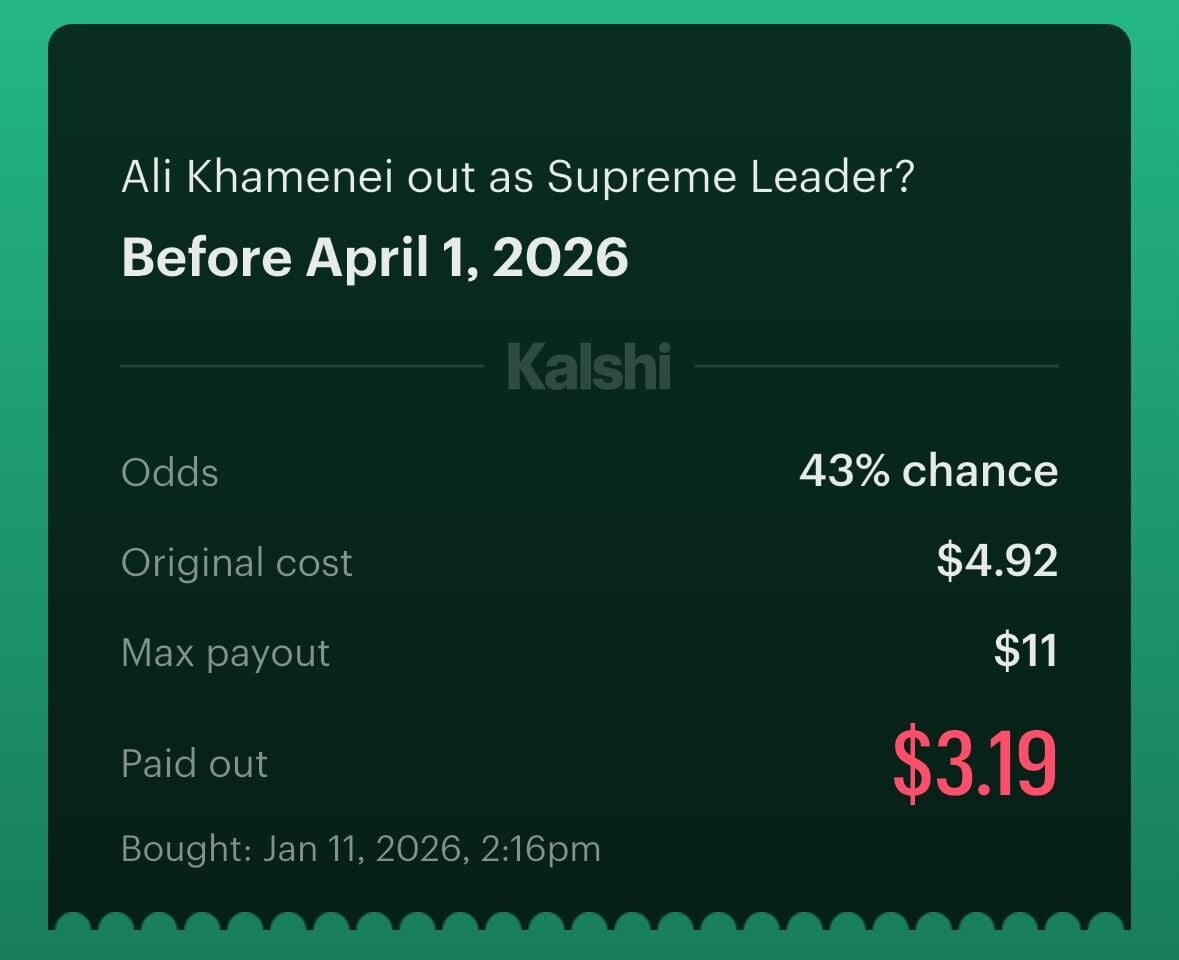
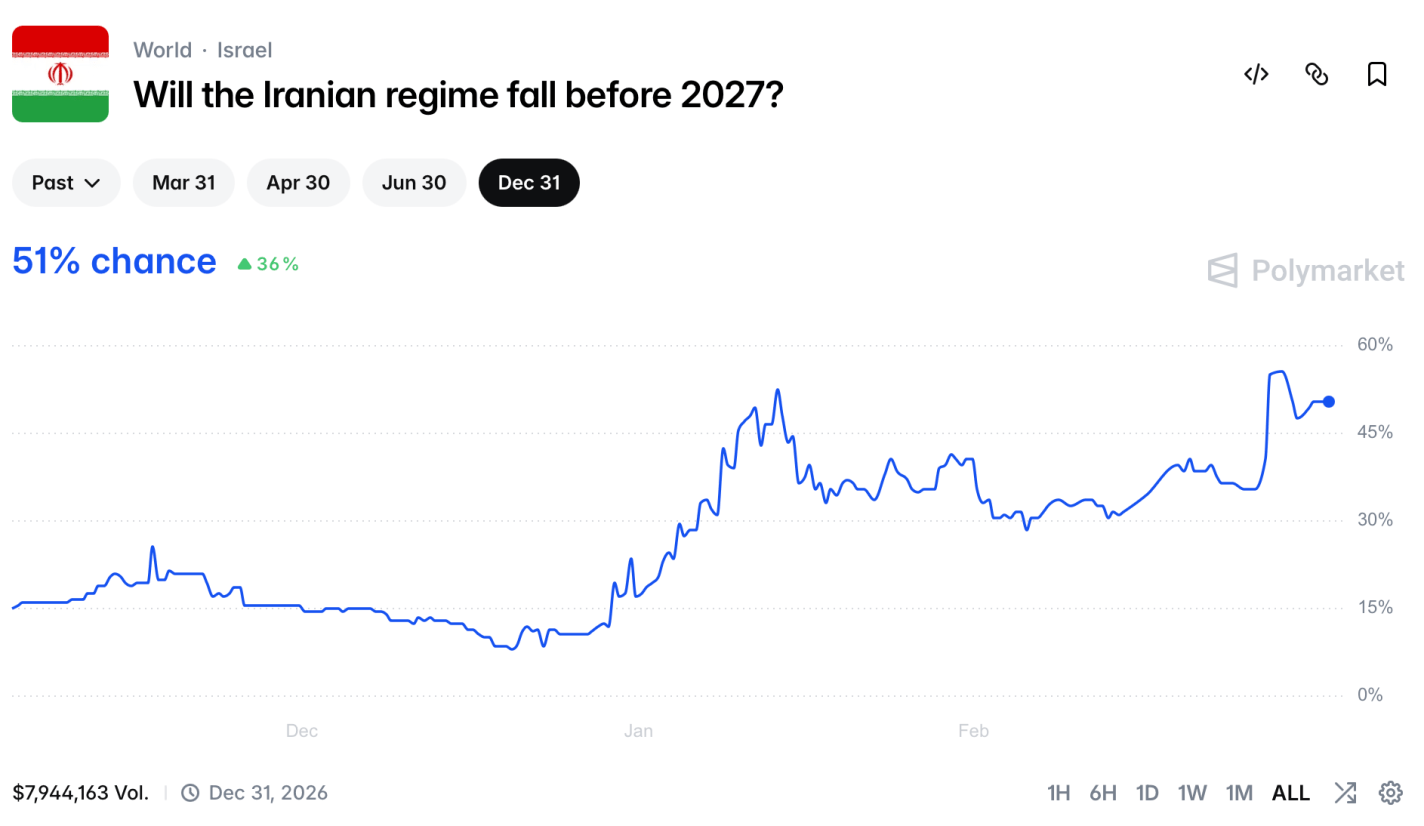
The prediction market regulatory landscape is fragmenting rapidly, creating a critical compliance moat for sellers operating financial technology platforms. Following the February 28, 2025 Iran-Israel conflict, Kalshi (CFTC-regulated) issued $2.2 million in refunds for its Khamenei death market, while Polymarket (largely unregulated internationally) paid out traders who correctly predicted the outcome. This divergence reveals a fundamental compliance barrier: federal death-carveout regulations now create enforceable market resolution standards that eliminate non-compliant platforms from US operations.
The regulatory impact is quantifiable and immediate. Kalshi's CEO Tarek Mansour defended the "death carveout" policy as aligned with US regulatory standards, while the company faced a $54 million class-action lawsuit from traders expecting payouts. The Commodity Futures Trading Commission (CFTC), led by Trump appointee Michael Selig, has signaled new rules and guidance will be issued soon. Democratic senators proposed legislation banning federal officials and their families from trading on prediction markets—a compliance requirement that will force platforms to implement identity verification, transaction monitoring, and conflict-of-interest screening systems.
For fintech sellers and platform operators, this creates three distinct compliance opportunities: First, CFTC-regulated platforms face mandatory compliance costs estimated at $500K-$2M annually for market monitoring, legal review, and resolution governance—creating a high entry barrier that protects compliant operators. Second, unregulated international platforms (Polymarket model) face existential regulatory risk, with potential US market bans forcing migration to offshore operations or compliance retrofitting. Third, compliance service providers (legal, KYC/AML, market surveillance) will see 40-60% demand increases as platforms implement new resolution standards and insider trading detection systems.
The lawsuit against Kalshi reveals a critical service gap: market resolution transparency and dispute management tools. Traders claimed the "death carveout" rule was insufficiently prominent in market terms, indicating demand for compliance documentation platforms, automated rule interpretation systems, and dispute resolution software. Platforms that implement clear, auditable resolution frameworks will capture market share from competitors facing litigation. The $1 billion in trading volume on Iran-related markets (News 1) demonstrates the scale of this emerging financial category—and the regulatory stakes for sellers entering this space.
Questions 7
What is the market size and growth potential for prediction market compliance services?
The Iran-related prediction markets generated over $1 billion in trading volume in February 2025 alone, with 150 users placing substantial bets ($1,000+) on military strikes. This demonstrates the scale of the emerging prediction market category. As CFTC regulations tighten, compliance service demand will grow 40-60% annually. Market surveillance, legal review, KYC/AML, and dispute resolution services represent a $500M-$1B opportunity for fintech sellers. Platforms like Kalshi and Polymarket will collectively spend $2-5M annually on compliance infrastructure, creating demand for specialized service providers. Early movers in compliance automation and market governance software will capture significant market share as regulations become mandatory.
How will proposed legislation banning federal officials from prediction markets affect platform compliance?
Democratic senators proposed legislation banning the president, vice president, top federal officials, lawmakers, and their families from trading on prediction markets. This will require platforms to implement enhanced identity verification, conflict-of-interest screening, and transaction monitoring systems. Estimated compliance costs: $100K-$300K per platform for implementation, plus $50K-$100K annually for ongoing monitoring. Platforms must integrate government employee databases and create automated flagging systems for restricted traders. This creates a compliance moat: platforms that implement these systems early will capture market share from competitors facing regulatory enforcement. The legislation also signals CFTC intent to regulate prediction markets more aggressively, making early compliance a competitive advantage.