





Middle East Crisis Drives Oil Surge to $92.69/bbl | Shipping Cost Impact for Cross-Border Sellers
- Brent crude up 30% weekly, Strait of Hormuz maritime traffic halted, shipping costs rising 8-15% for sellers using air/ocean freight to Asia-Pacific and EU markets

























Overview
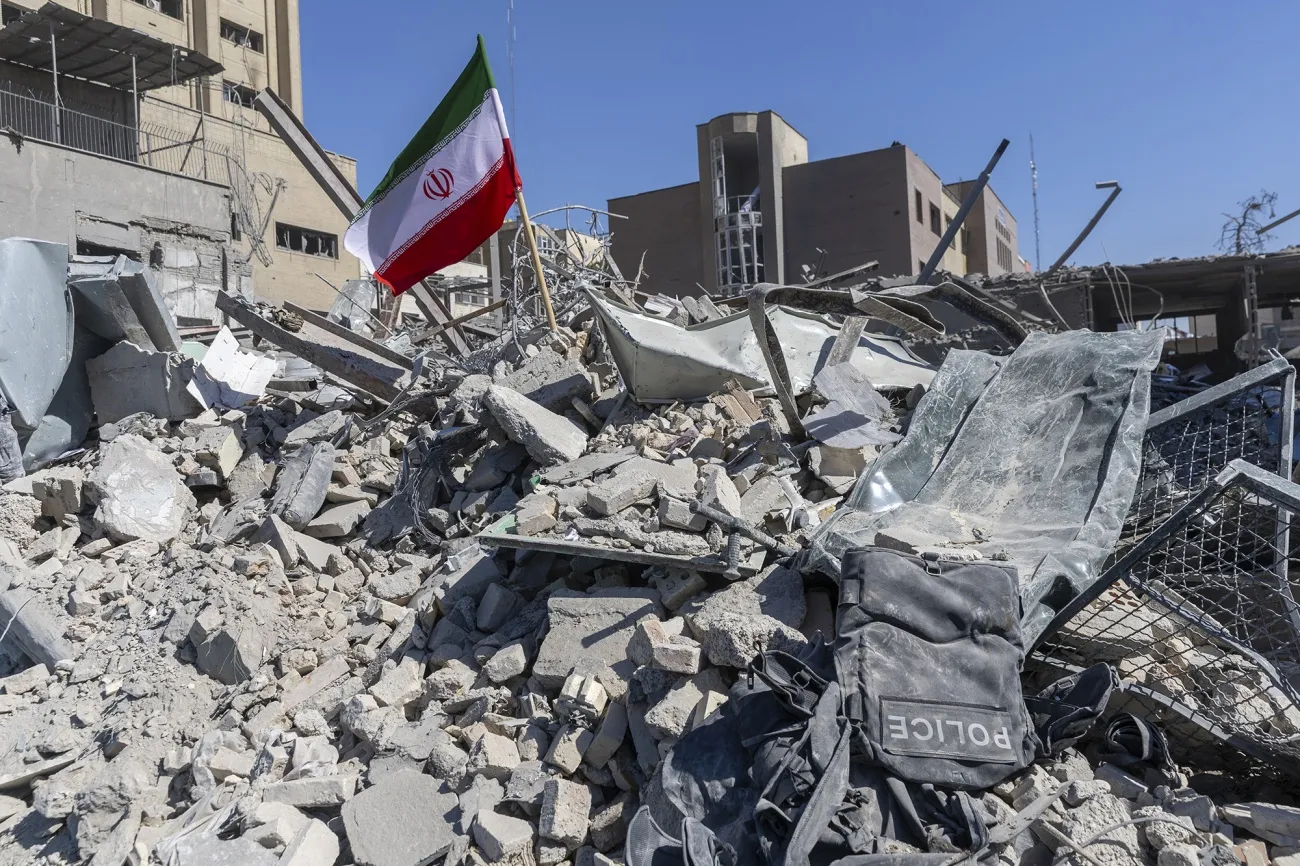
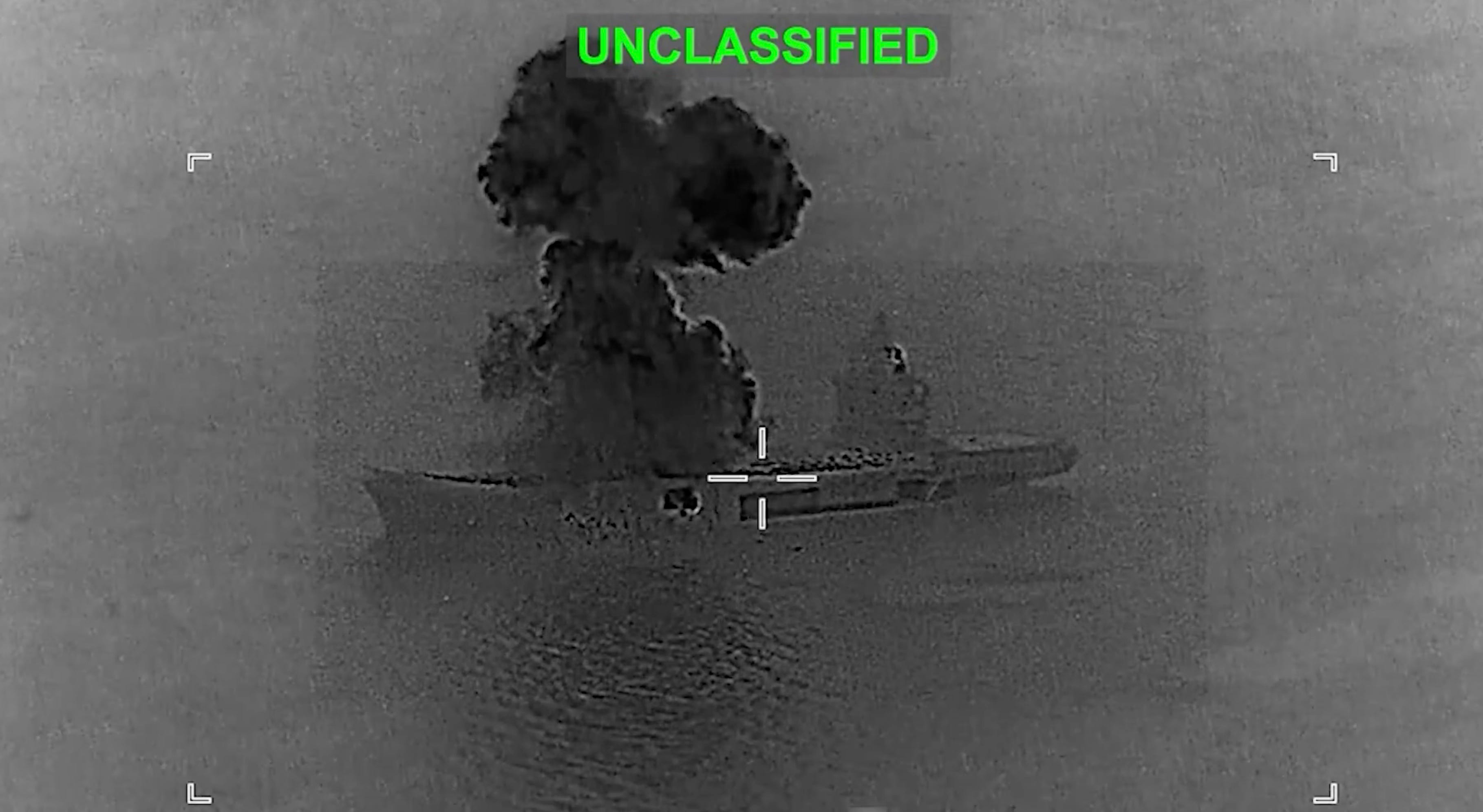
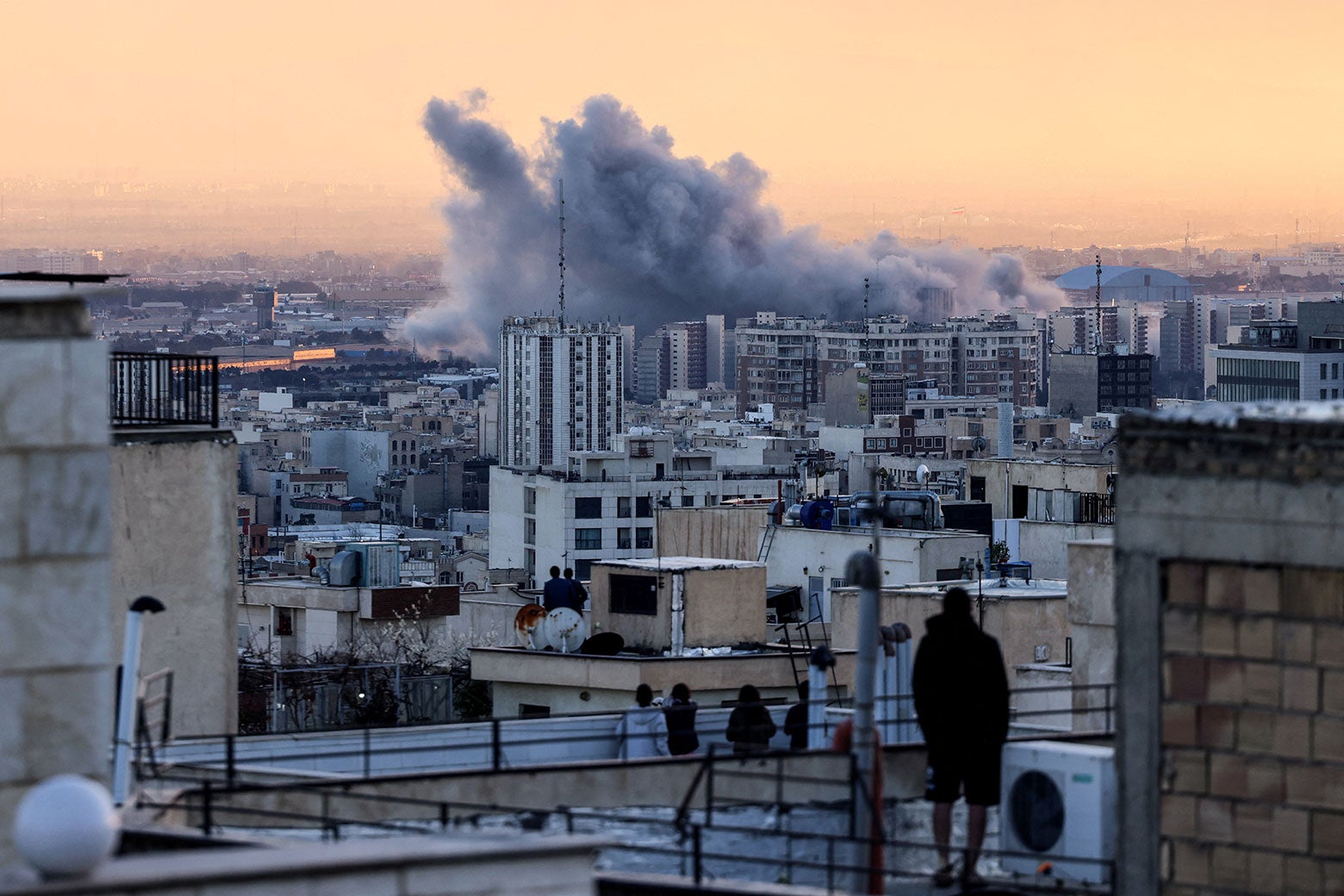
The escalating Iran-Israel conflict entering its second week has triggered unprecedented disruptions to global energy markets and maritime logistics, creating immediate cost pressures for cross-border e-commerce sellers. Brent North Sea crude surged to $92.69 per barrel (up 8.5% daily, nearly 30% weekly), while West Texas Intermediate exceeded $90 per barrel with record weekly gains. Most critically, maritime traffic through the Strait of Hormuz—which handles approximately one-fifth of global crude oil and liquefied natural gas supplies—has nearly ceased, directly impacting shipping routes that e-commerce sellers depend on for inventory replenishment and customer fulfillment.
Immediate Logistics Impact for Sellers: The conflict has created a two-tier shipping cost structure. Air freight costs are rising 12-15% due to fuel surcharges and rerouting around conflict zones, while ocean freight through traditional Middle East routes faces 7-10 day delays as carriers divert around the Strait of Hormuz. For sellers shipping high-volume, time-sensitive categories (electronics, apparel, home goods), this translates to $200-500 additional monthly costs per 1,000 units shipped. Dubai airport suspended all operations before partially resuming, while Emirates Airlines halted flights, directly affecting sellers with fulfillment centers in UAE or using Dubai as a transshipment hub. Sellers with inventory in affected regions (Iran, Lebanon, UAE) face potential supply chain disruptions and operational challenges.
Strategic Sourcing and Pricing Adjustments: The crisis creates a critical window for sellers to evaluate supply chain resilience. Sellers currently sourcing from China or India and routing through Middle East ports should consider: (1) temporary rerouting via longer southern routes (adding 5-7 days but avoiding conflict zones), (2) accelerating inventory purchases before further escalation, or (3) shifting to alternative sourcing regions (Vietnam, Indonesia) with direct Asia-Pacific shipping lanes. Sellers with regional operations or fulfillment centers in affected areas face unprecedented planning challenges due to conflict duration uncertainty. The 30% weekly oil price surge suggests shipping costs will remain elevated for 4-8 weeks minimum, creating margin compression of 3-8% for sellers with thin margins in competitive categories (electronics, home goods, apparel). Conversely, sellers of conflict-related merchandise (emergency supplies, security products, geopolitical analysis books) may see demand spikes in Western markets, though ethical considerations apply.
Market Opportunity in Logistics Solutions: The crisis highlights demand for sellers offering supply chain transparency tools, alternative shipping options, and inventory management solutions. Sellers can capitalize on merchant demand for real-time shipping cost tracking, predictive logistics modeling, and multi-carrier comparison platforms. Additionally, sellers of energy-efficient products, renewable energy solutions, and fuel-alternative technologies may see increased buyer interest as businesses seek to hedge against energy price volatility. The stranding of thousands of travelers across the Middle East creates secondary opportunities in travel-related merchandise (luggage, travel accessories, portable electronics) as consumers replace lost or damaged goods.
Questions 8
Which e-commerce sellers are most affected by the Strait of Hormuz maritime disruption?
Sellers with fulfillment centers in UAE, Dubai, or other Gulf states face immediate operational challenges, as Dubai airport suspended operations and Emirates Airlines halted flights. Sellers sourcing from China/India and routing through Middle East ports experience 7-10 day delays and 8-12% cost increases. High-volume sellers in electronics, apparel, and home goods categories—which typically operate on 5-8% margins—face the most severe margin compression. Conversely, sellers of emergency supplies, security products, and energy-efficient solutions may see demand spikes in Western markets. Small sellers (under 100 units/month) face proportionally higher per-unit cost impacts.
How much will shipping costs increase for cross-border sellers due to the Middle East crisis?
Shipping costs are rising 8-15% depending on route and method. Air freight surcharges are increasing 12-15% due to fuel costs and rerouting, while ocean freight through traditional Middle East routes faces 7-10 day delays. For sellers shipping 1,000+ units monthly, this translates to $200-500 in additional monthly costs. The Strait of Hormuz closure—which handles 20% of global oil supplies—is forcing carriers to reroute around Africa, adding 5-7 days to transit times. Sellers should immediately review shipping contracts and consider locking in rates before further escalation.