

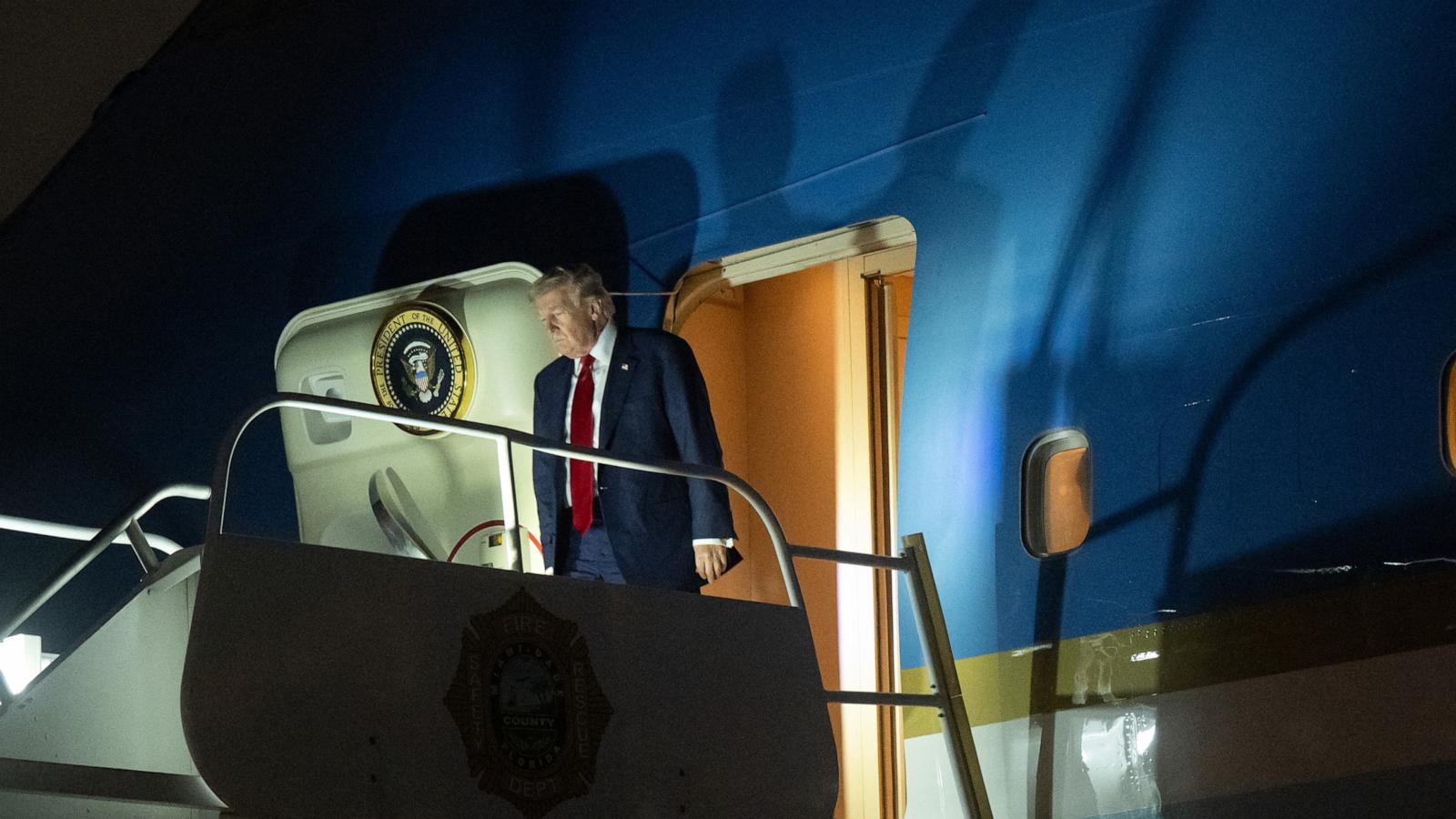




Shield of the Americas Summit Reshapes Latin American Trade | Tariff Negotiations & Supply Chain Shifts for Cross-Border Sellers
- Trump convenes 12 Latin American leaders to counter Chinese influence; expect tariff negotiations, stricter border enforcement, and supply chain disruptions affecting sellers sourcing from or shipping through the region


























Overview
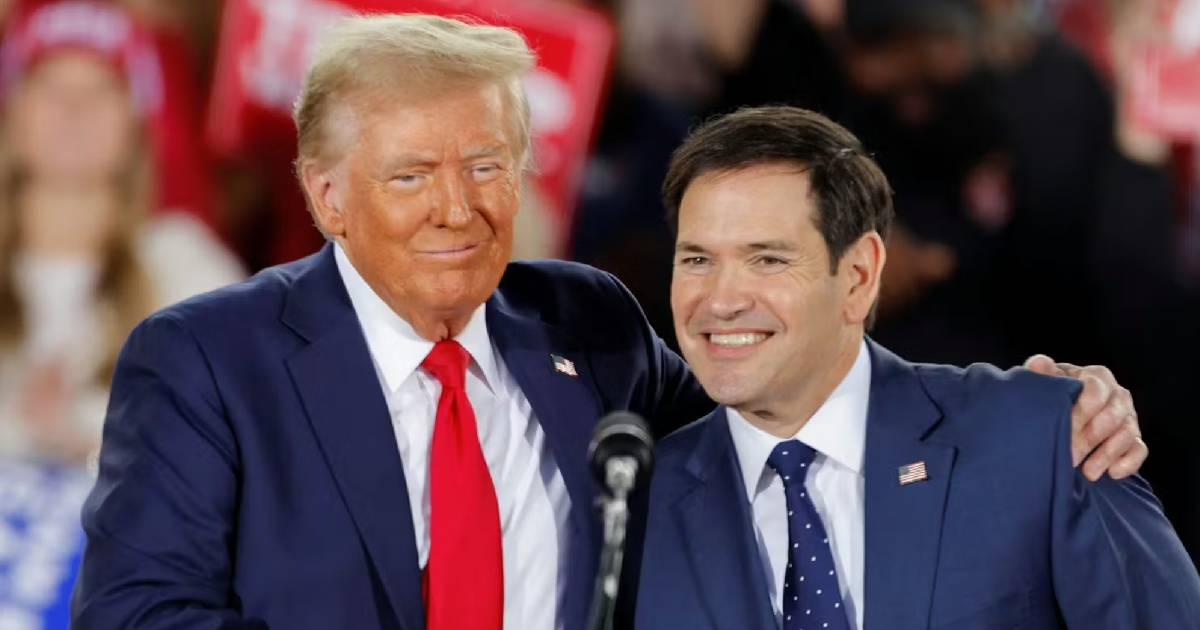
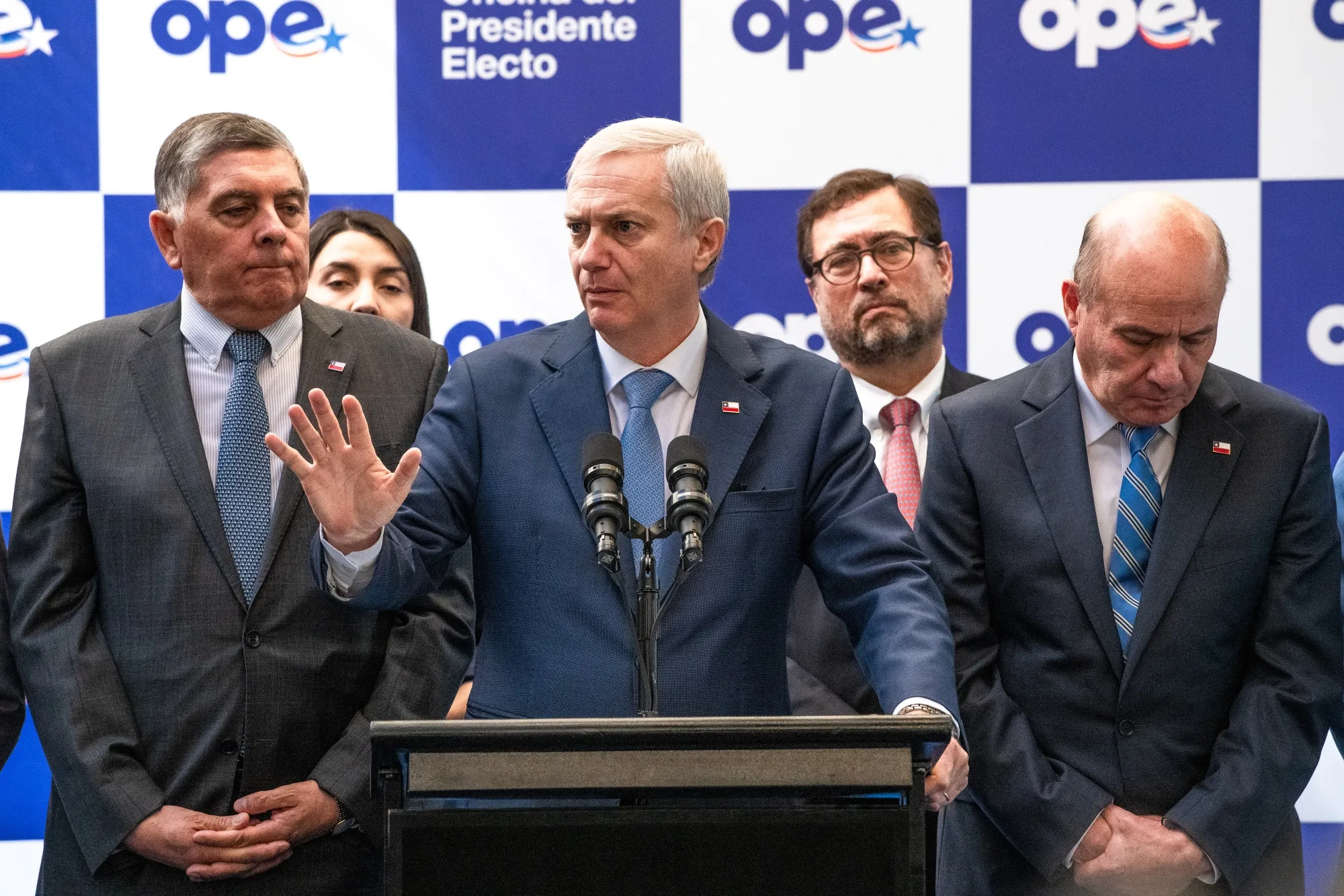
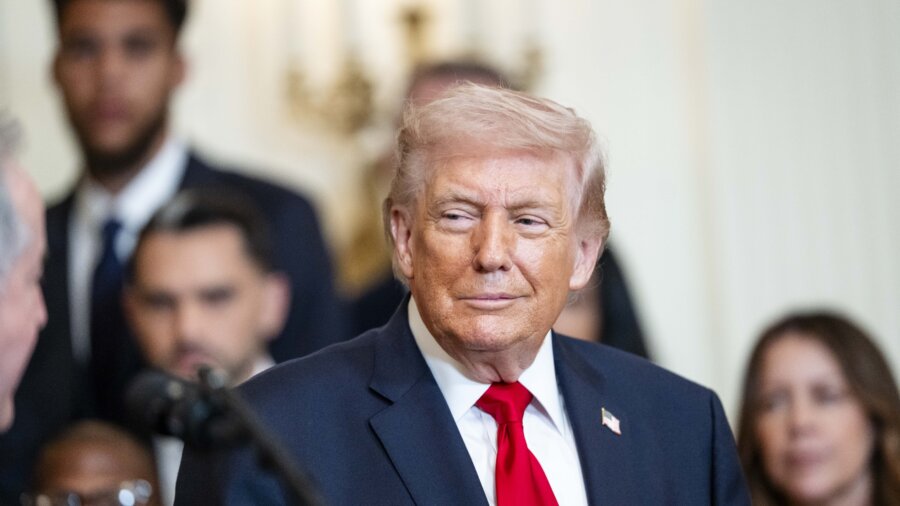
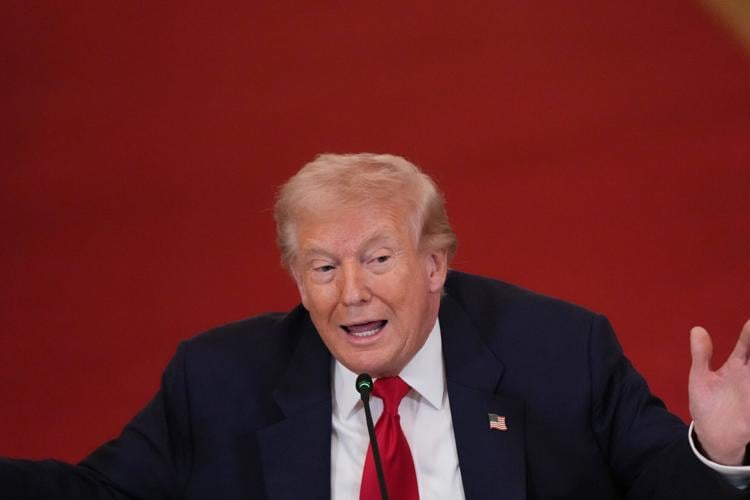
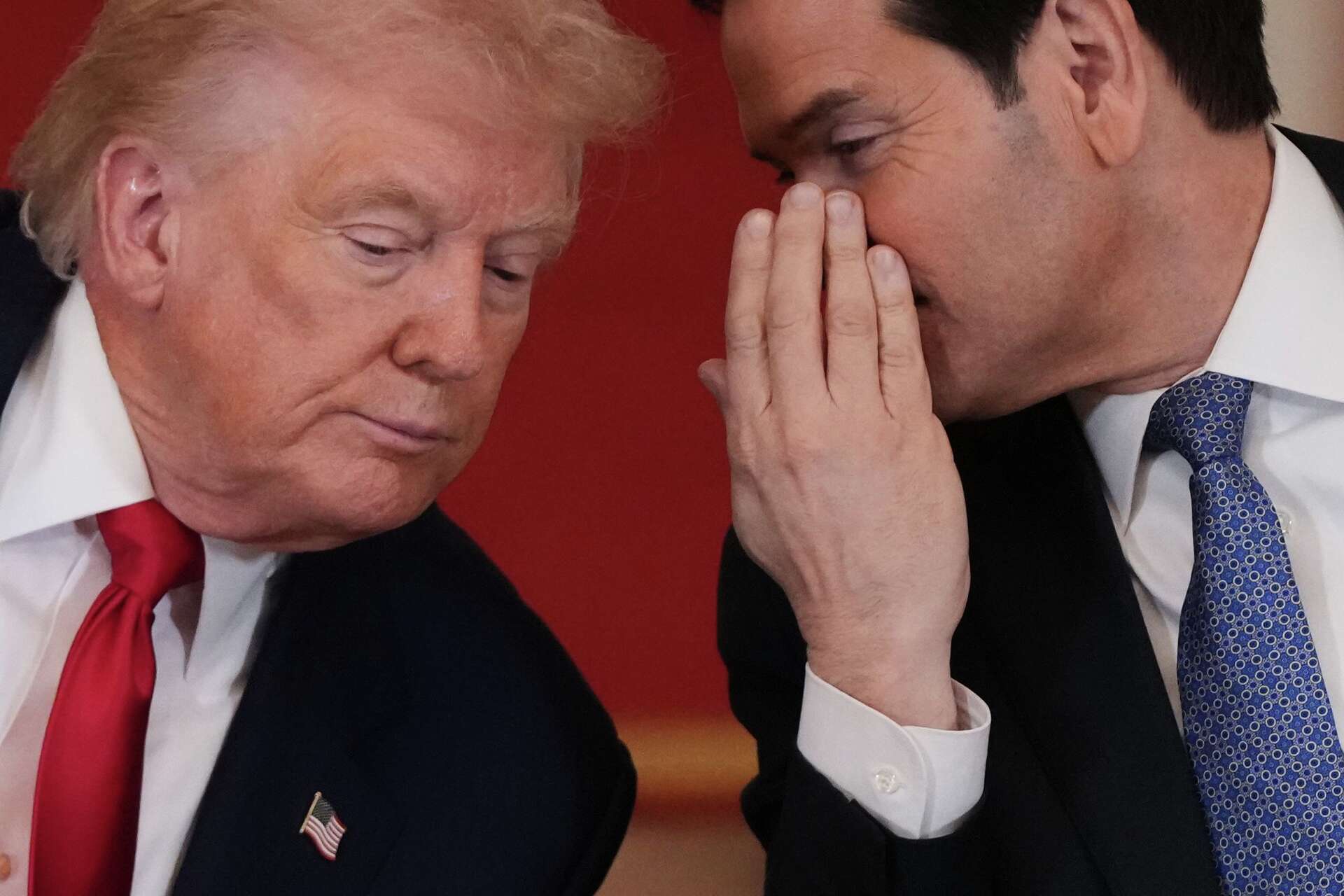
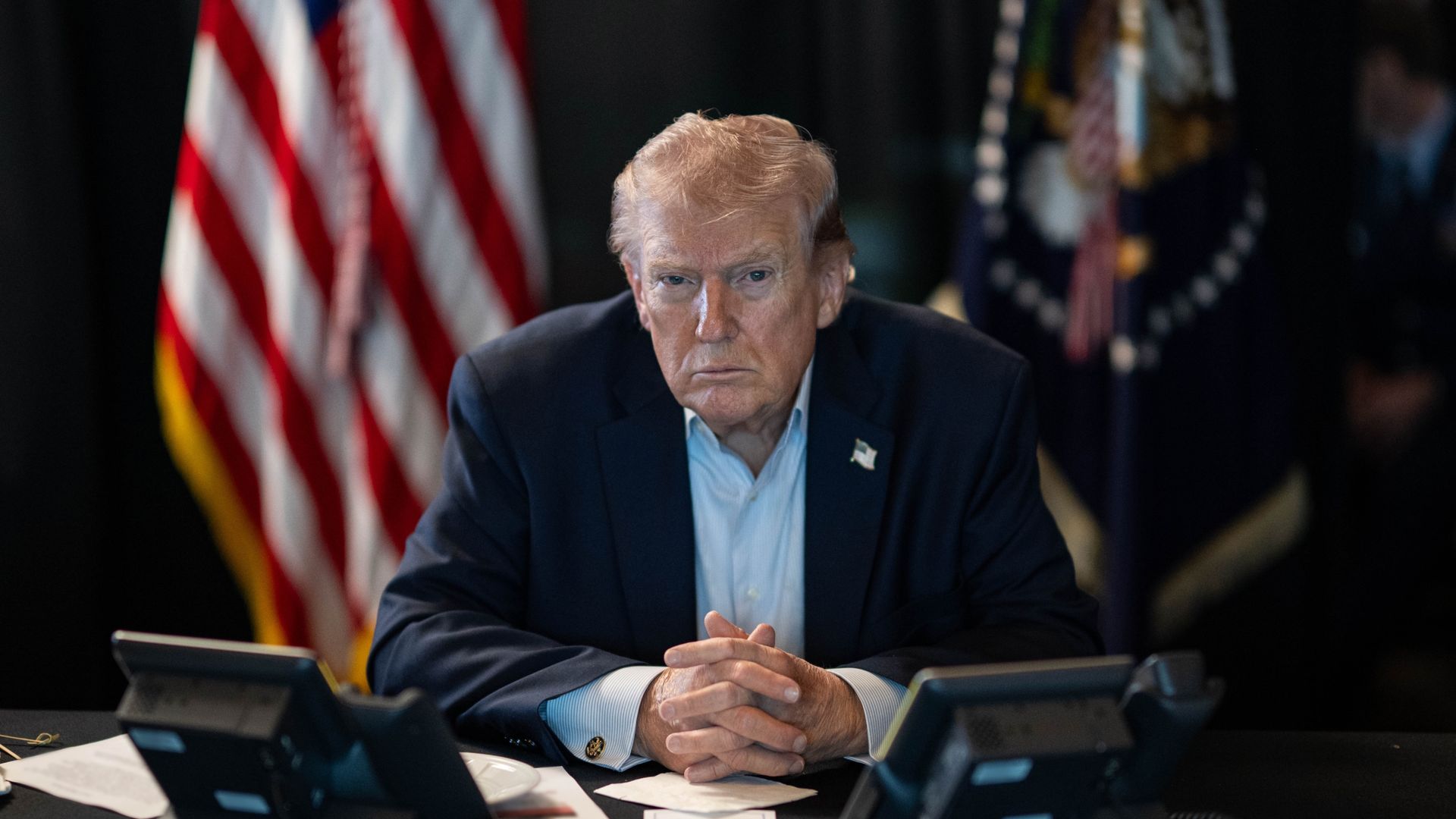
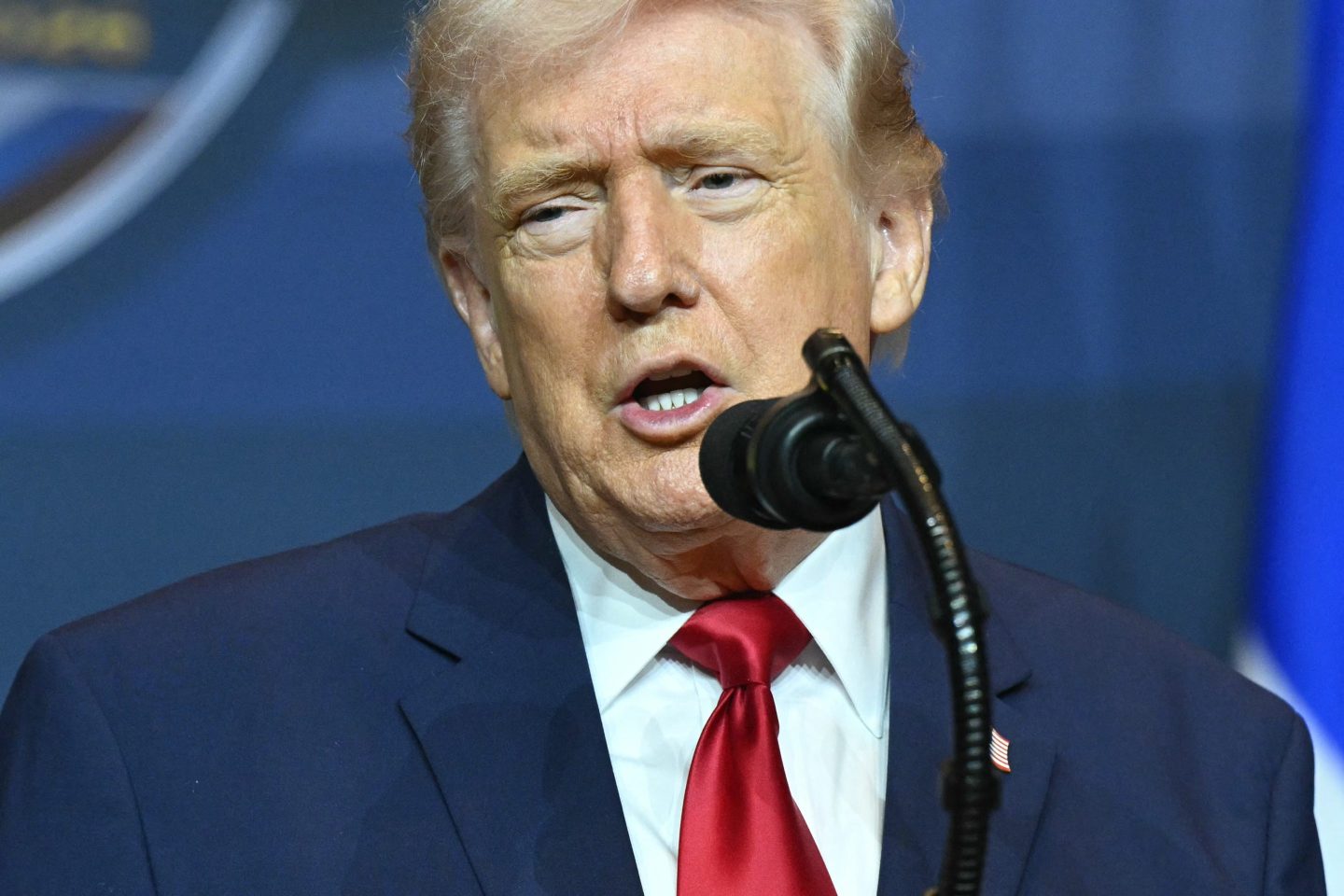
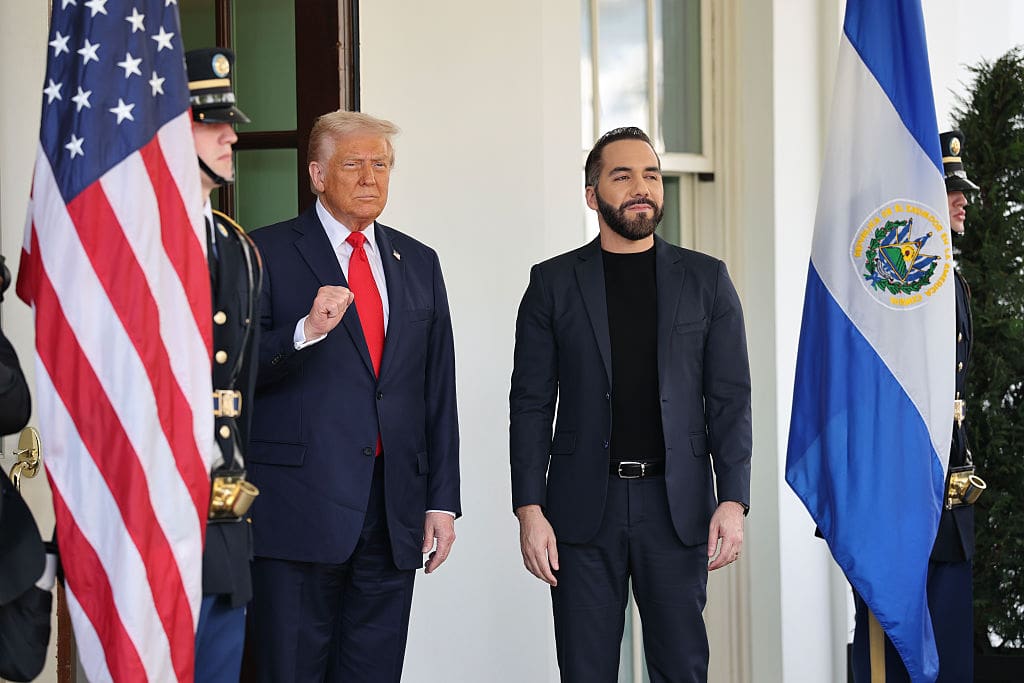
The Shield of the Americas Summit held Saturday in Doral, Florida represents a critical geopolitical inflection point for cross-border e-commerce sellers operating in the Western Hemisphere. President Trump's convening of 12 Latin American leaders—Argentina, Bolivia, Chile, Costa Rica, Dominican Republic, Ecuador, El Salvador, Guyana, Honduras, Panama, Paraguay, and Trinidad and Tobago—signals an aggressive repositioning of U.S. trade policy away from Chinese influence and toward reasserting American economic dominance. With Commerce Secretary Howard Lutnick and U.S. Trade Representative Jamieson Greer participating, the summit's focus on "reshaping global trade relationships" directly implies imminent tariff negotiations and trade policy modifications affecting Latin American commerce corridors.
TARIFF ARBITRAGE OPPORTUNITIES: The summit's explicit objective to counter Chinese economic influence in the region creates immediate tariff reduction opportunities for sellers. Trump's pressure on Panama to withdraw from China's Belt and Road Initiative and his review of Hong Kong-based port contracts signal willingness to restructure trade flows. Sellers sourcing from Argentina (libertarian President Javier Milei received a multibillion-dollar bailout), Chile, Ecuador, and El Salvador—all summit attendees—may see preferential tariff treatment as Trump incentivizes ideologically aligned nations. Expect potential tariff reductions on HS codes 6204 (women's apparel), 6203 (men's apparel), 6109 (knit apparel), 8471 (computer equipment), and 8517 (telecom equipment) from these nations, potentially improving margins 3-8% versus China-sourced alternatives.
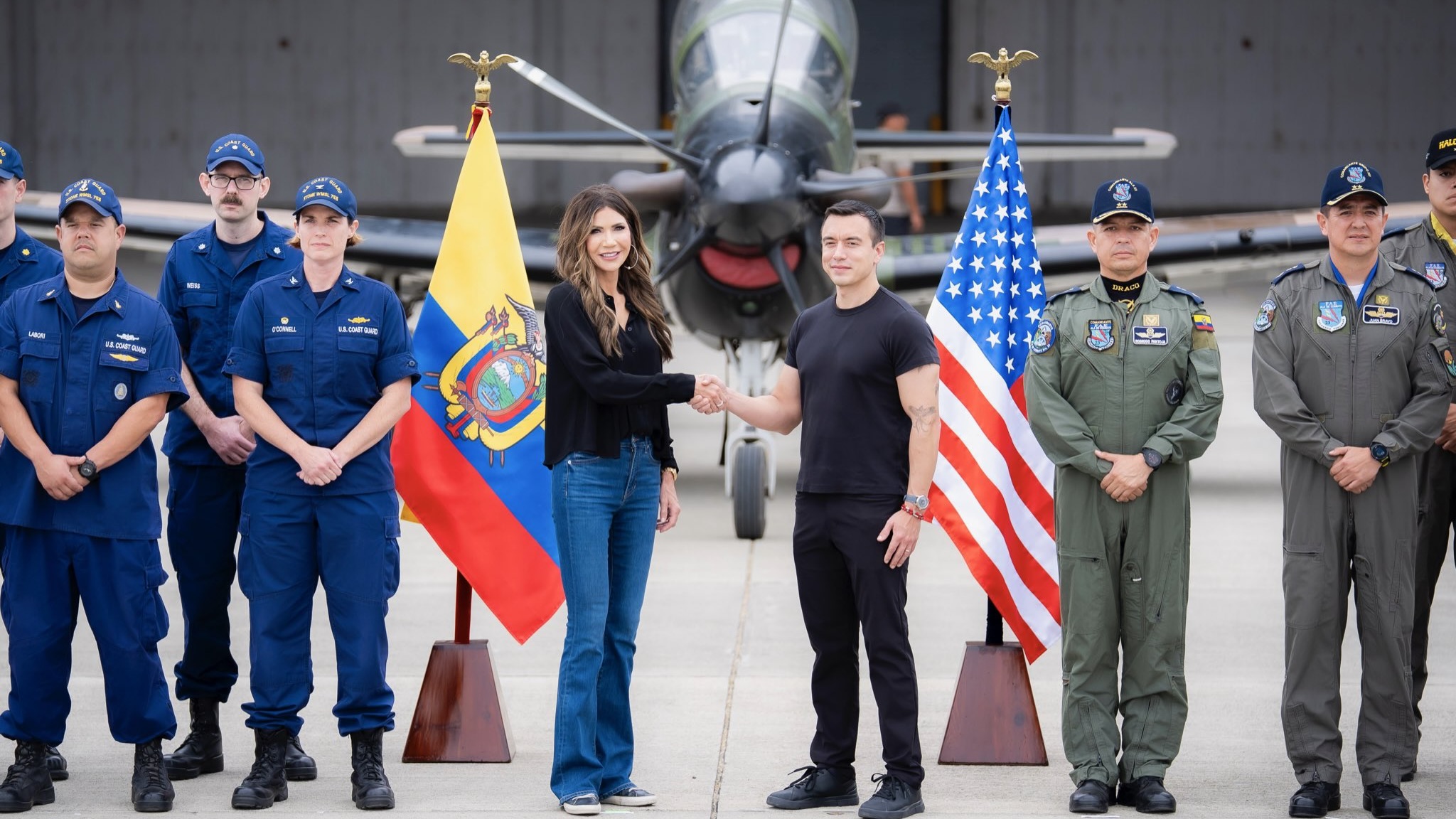
MARKET ACCESS & COMPETITIVE SHIFTS: The notable exclusion of Brazil, Mexico, and Colombia—representing over 50% of Latin America's economic activity—creates a bifurcated market. Sellers with existing relationships in summit-attending nations gain competitive advantage as U.S. policy prioritizes these markets. Small and medium-sized sellers (SMBs) sourcing from Argentina, Chile, and Ecuador face lower tariff barriers, while large sellers with diversified sourcing may experience margin compression if forced to shift away from Brazil/Mexico. The appointment of Kristi Noem as Special Envoy with focus on "cartel and drug trafficking operations" signals enhanced border security and customs enforcement, increasing compliance costs 5-15% for sellers shipping through land borders and Caribbean ports.
SUPPLY CHAIN DISRUPTION TIMELINE: Enhanced security cooperation and stricter immigration enforcement create immediate logistics challenges. Transportation corridors through Panama (historically critical for Asia-to-Americas trade) face review, potentially adding 7-14 days to transit times and 2-4% to shipping costs. Sellers should anticipate increased customs documentation requirements and potential delays at ports in Panama, Honduras, and Dominican Republic during Q1-Q2 2025 as new security protocols implement. The joint security declaration signed by 17 hemisphere leaders suggests coordinated customs enforcement, raising compliance complexity scores for sellers operating across multiple Latin American markets.
STRATEGIC SOURCING SHIFTS: The summit's anti-China positioning creates sourcing arbitrage opportunities. Sellers currently sourcing from China for Latin American markets should evaluate Vietnam, India, and summit-attending nations as alternatives. Argentina's recent libertarian reforms and trade openness make it attractive for electronics and apparel sourcing. Chile's established supply chains in wine, fruit, and specialty foods present opportunities for sellers in food/beverage categories. Ecuador's dominance in cocoa and bananas signals agricultural product opportunities. These sourcing shifts typically take 60-90 days to implement but offer 4-12% cost advantages versus China-sourced goods when tariff differentials are factored.
COMPLIANCE & LOOPHOLES: Sellers can legally leverage the summit's outcomes by: (1) Obtaining certificates of origin from summit-attending nations to qualify for preferential tariff treatment under potential new trade agreements; (2) Restructuring supply chains to source from ideologically aligned nations before tariff negotiations conclude; (3) Establishing distribution hubs in Panama or Dominican Republic to benefit from potential tariff exemptions; (4) Monitoring USTR announcements for specific HS code tariff reductions and timing windows. The 60-90 day window before formal trade agreements likely implement represents a critical opportunity window for sellers to restructure sourcing before competitors catch on.
Questions 8
What is the competitive impact for sellers excluded from the summit's preferred nations?
Sellers sourcing from Brazil, Mexico, and Colombia—excluded from the summit despite representing 50%+ of Latin America's economic activity—face potential margin compression. These nations may not receive preferential tariff treatment, maintaining current tariff rates or facing increases. Large sellers with diversified sourcing can absorb margin pressure; SMBs relying heavily on Brazil/Mexico sourcing should evaluate diversification into summit-attending nations. The bifurcated market creates 3-6 month window for sellers to restructure sourcing before tariff differentials become entrenched.
When should sellers implement supply chain changes to avoid compliance delays?
Implement changes immediately (0-30 days) by auditing current sourcing and identifying summit-nation alternatives. Complete sourcing restructuring within 60-90 days before formal trade agreements implement and competitors respond. Update customs documentation templates and compliance procedures by end of Q1 2025 to accommodate enhanced border security protocols. Monitor USTR website weekly for tariff announcement timelines. Sellers delaying action beyond 90 days risk losing first-mover advantage on tariff arbitrage and facing increased competition from sellers who've already shifted sourcing.