


)


AI Misinformation Monetization Crackdown | Platform Policy Changes Reshape Creator Revenue & Content Moderation Standards
- Platform X suspends 99 accounts gaming monetization; sellers face stricter content moderation policies affecting marketing practices and regional supply chains amid geopolitical tensions




























Overview
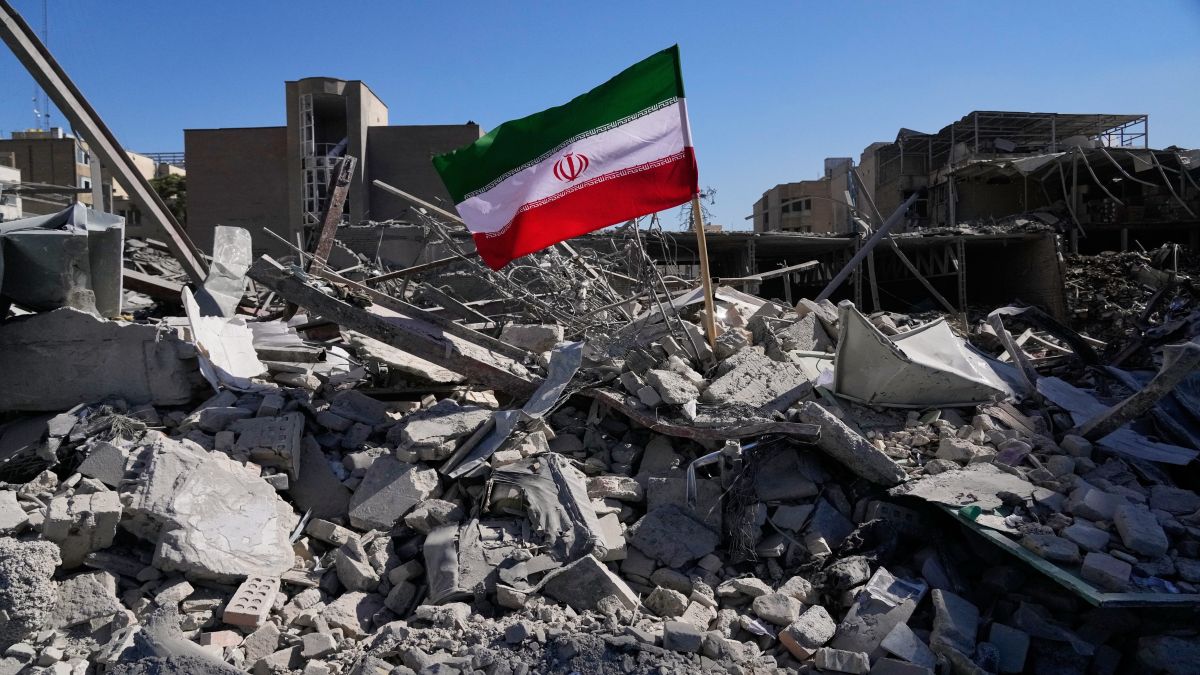
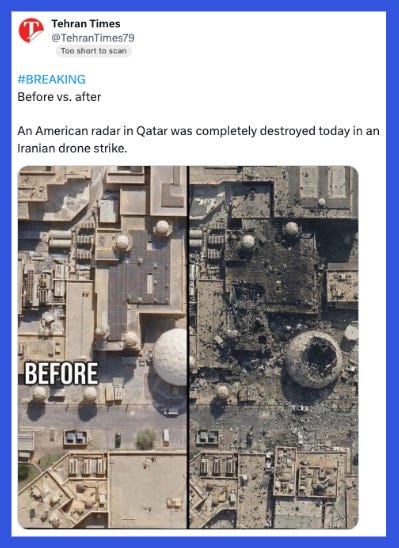
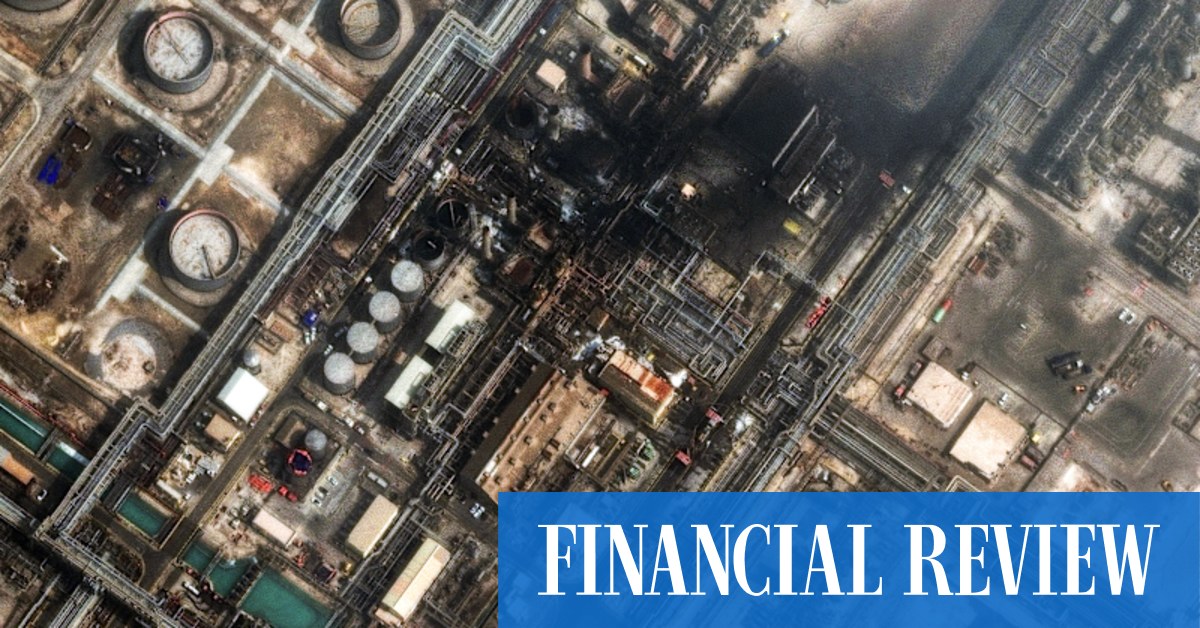
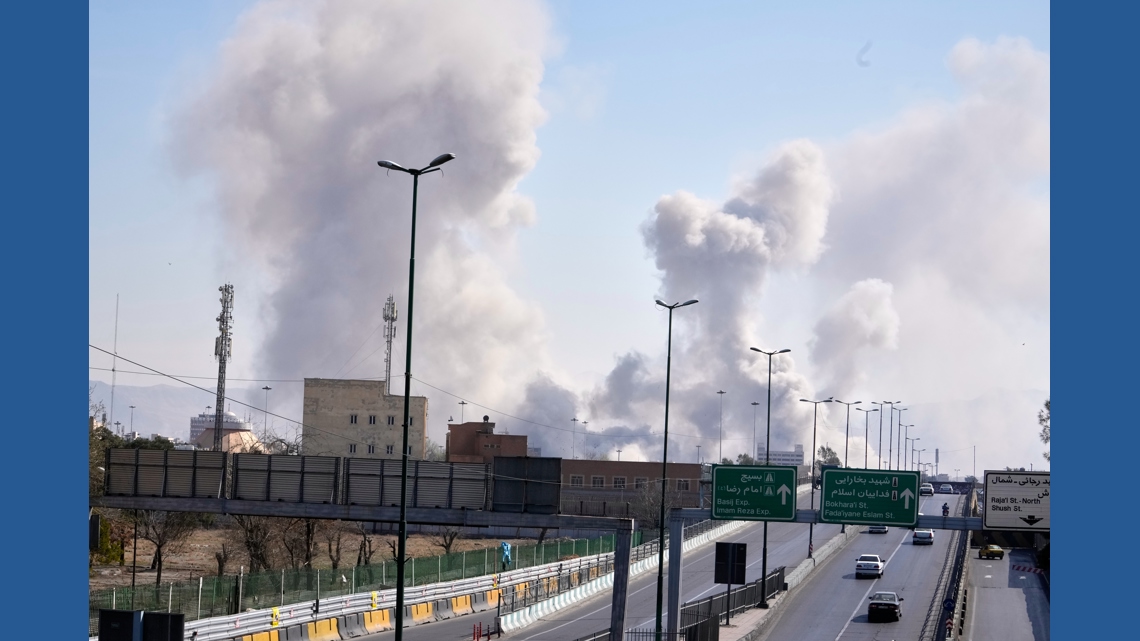
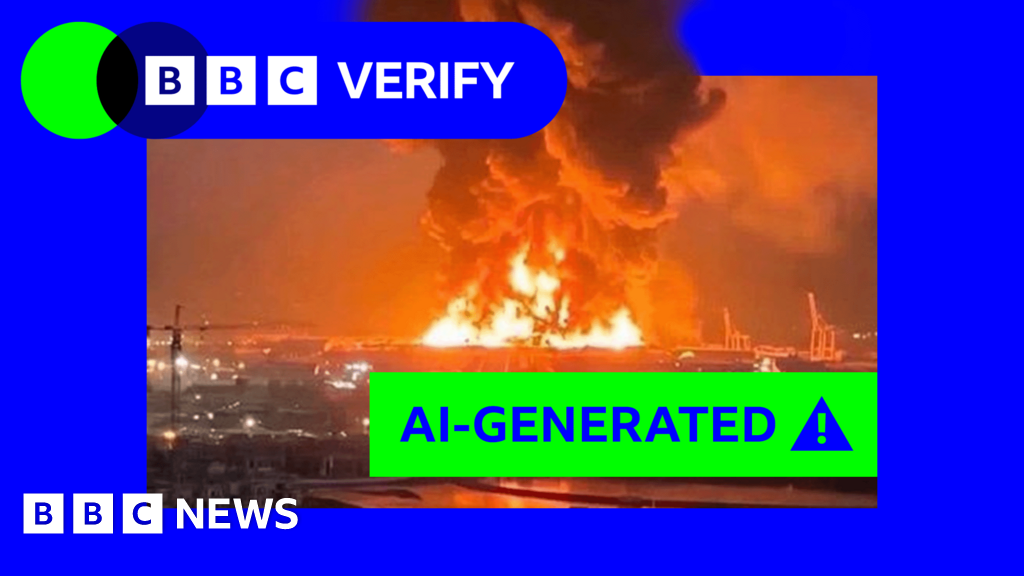
The convergence of AI-generated misinformation and platform monetization crackdowns is fundamentally reshaping how social media companies moderate content and compensate creators, with direct implications for cross-border e-commerce sellers. Beginning February 28, 2025, the US-Israel-Iran conflict triggered an unprecedented surge in AI-generated synthetic videos and fabricated satellite imagery that collectively amassed hundreds of millions of views across social media platforms. BBC Verify documented fabricated videos showing missiles striking Tel Aviv (featured in 300+ posts with tens of thousands of shares) and fake footage of Dubai's Burj Khalifa in flames (viewed tens of millions of times). Critically, Platform X announced it will temporarily suspend creators from its monetization program if they post unlabeled AI-generated conflict videos, with the platform's head of product reporting that 99 accounts were attempting to "game monetization" through the Creator Revenue Sharing programme. Timothy Graham from Queensland University of Technology notes that AI tools have eliminated production barriers—"what used to require professional video production can now be done in minutes"—making viral AI-generated content "basically a money printer" at X's compensation rate of $8-12 per million verified user impressions.
For cross-border e-commerce sellers, this policy shift signals a broader tightening of platform content moderation standards that will directly affect marketing practices and seller communications. Platforms including X, TikTok, and Meta are implementing stricter detection systems for AI-generated and misleading content, with Google's SynthID watermark detector already identifying fabricated satellite imagery. As these platforms enhance moderation capabilities, sellers using AI-generated product images, lifestyle photography, or marketing videos face increased risk of content removal or account suspension. Additionally, state-sponsored disinformation campaigns documented in the Iran conflict are destabilizing regional markets and disrupting supply chains in Middle Eastern regions—sellers sourcing from or operating in Iran, Israel, UAE, and Bahrain are experiencing logistics complications, payment processing delays, and market volatility. The broader pattern reveals that modern geopolitical conflicts extend beyond military dimensions into information ecosystems, directly affecting business operations across multiple sectors.
The operational impact for sellers manifests across three dimensions: content compliance, supply chain risk, and market volatility. First, sellers must audit all product listings, marketing materials, and social media content for AI-generated elements and ensure proper labeling or removal to avoid platform suspension. Second, sellers operating in or sourcing from Middle Eastern regions should immediately diversify supply chains and establish backup logistics partners to mitigate geopolitical disruption. Third, sellers targeting audiences in conflict-affected regions should monitor consumer confidence indicators and adjust inventory levels accordingly, as misinformation campaigns directly suppress purchasing behavior. The fundamental tension between engagement-driven monetization and accurate information remains unresolved across platforms, creating ongoing compliance uncertainty. Experts warn that fake videos "have a detrimental impact on people's trust in verified information," which translates to reduced consumer confidence in product authenticity claims and seller credibility—particularly critical for cross-border sellers already facing trust barriers.
Questions 7
What are the financial implications of Platform X's monetization suspension for content creators and sellers?
Platform X pays $8-12 per million verified user impressions through its Creator Revenue Sharing programme, with creators needing five million organic impressions in three months plus an X premium subscription for eligibility. The platform suspended 99 accounts attempting to 'game monetization' through AI-generated conflict content, indicating aggressive enforcement. For sellers using X for brand building and affiliate marketing, this means reduced earning potential from viral content strategies. Sellers should diversify revenue streams across multiple platforms (TikTok, Instagram, YouTube) rather than relying on X monetization. Calculate your current X revenue impact: if you're earning $400-600 monthly from X content, plan for 30-50% reduction and reallocate marketing budget to platforms with clearer AI content policies.
How should sellers adjust marketing strategies to comply with stricter AI content moderation policies?
Sellers must immediately audit all marketing materials for AI-generated elements and implement compliance workflows within 30 days. Platforms are tightening detection systems for synthetic media, with Google's SynthID watermark detector already identifying AI-edited imagery. Recommended actions: (1) Replace AI-generated product images with authentic photography; (2) Clearly label any AI-assisted content (design mockups, lifestyle imagery) as 'AI-enhanced'; (3) Establish content approval workflows requiring human verification before posting; (4) Train marketing teams on platform-specific AI policies for X, Meta, TikTok, and Amazon. Sellers should expect platform enforcement to expand beyond conflict content to general product marketing. Budget 10-15 hours weekly for content compliance audits and maintain documentation of all content sources to defend against suspension claims.