





Middle East Oil Crisis Drives 35% Surge | Shipping Costs Spike for Cross-Border Sellers
- Fuel surcharges increase 8-15% across logistics providers; sellers face margin compression in low-margin categories; Strait of Hormuz disruption threatens 33% of global seaborne oil supply









Overview
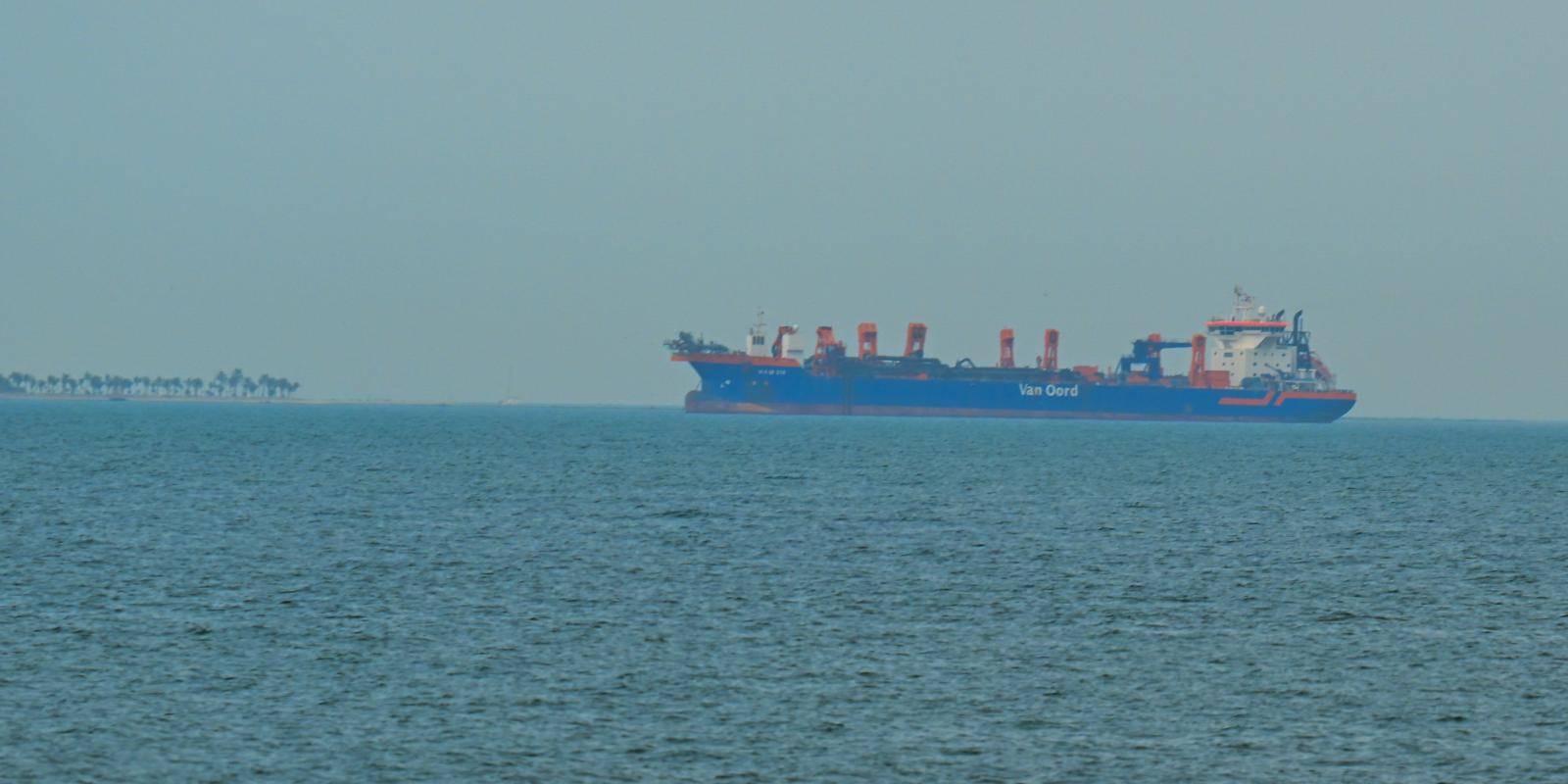
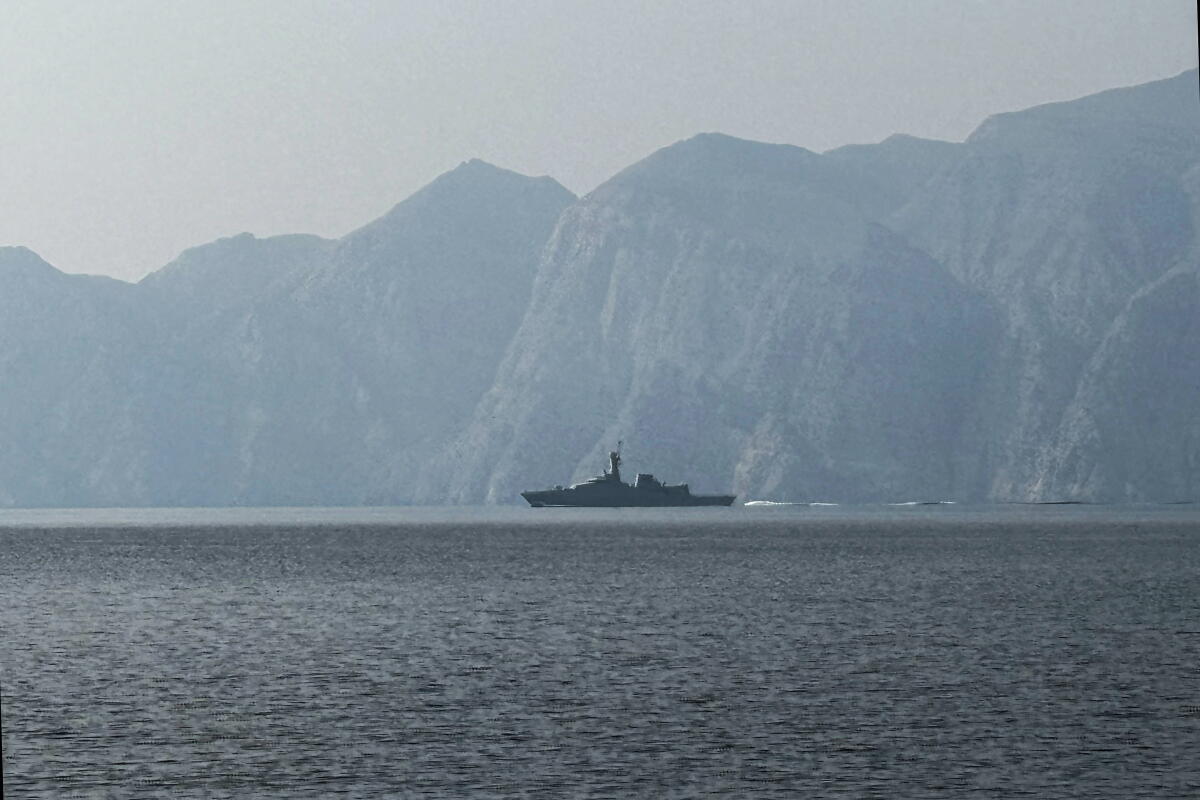
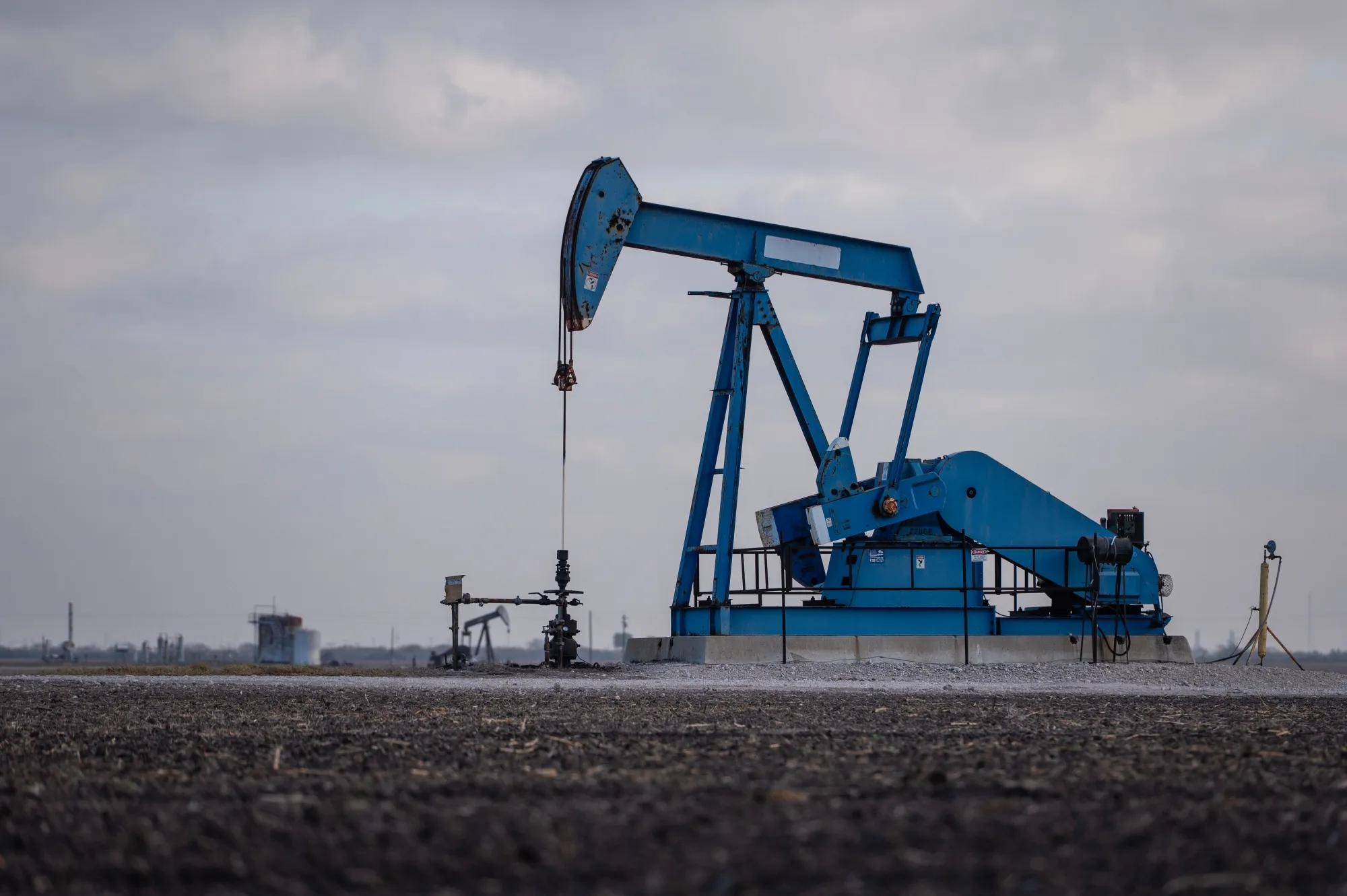
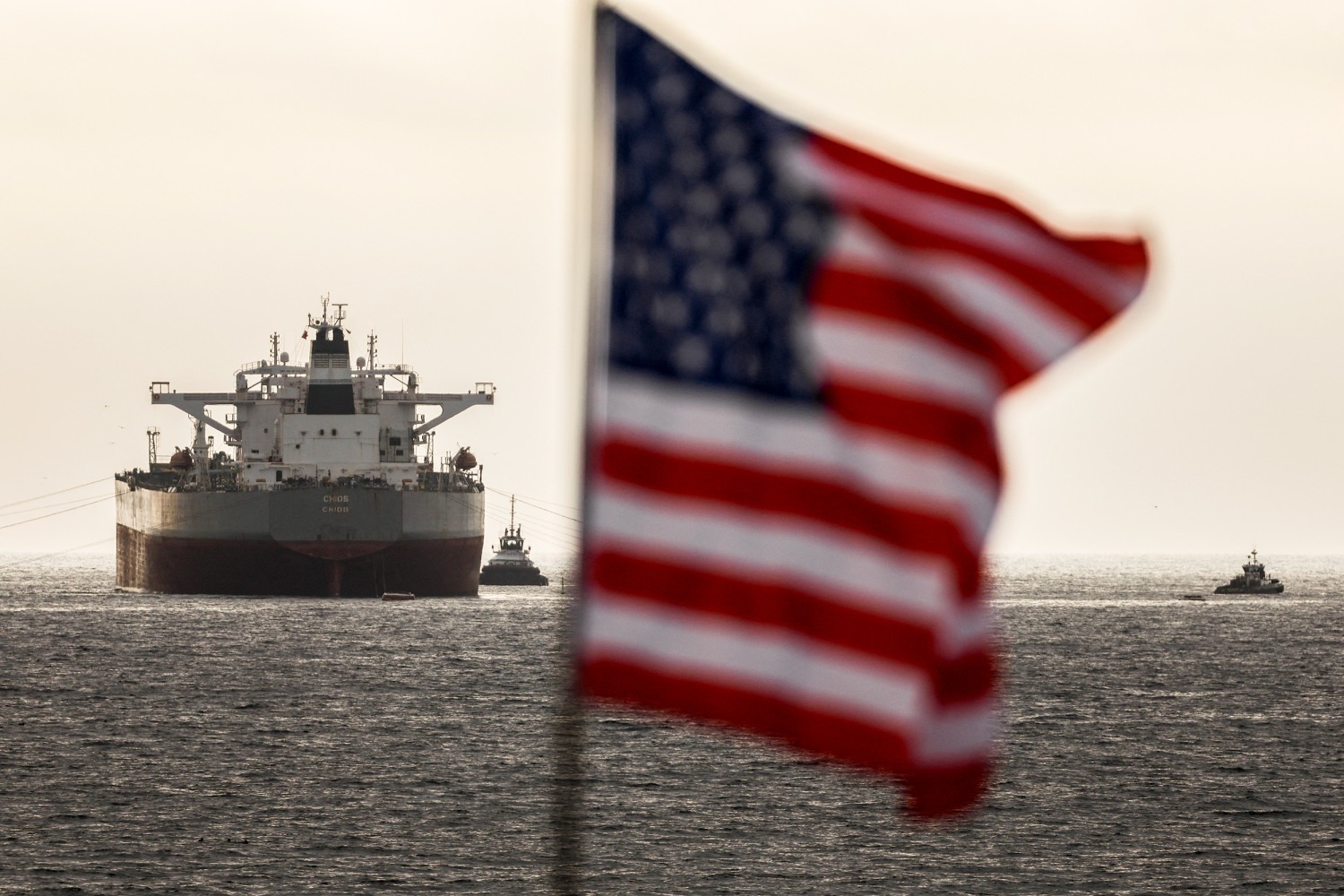
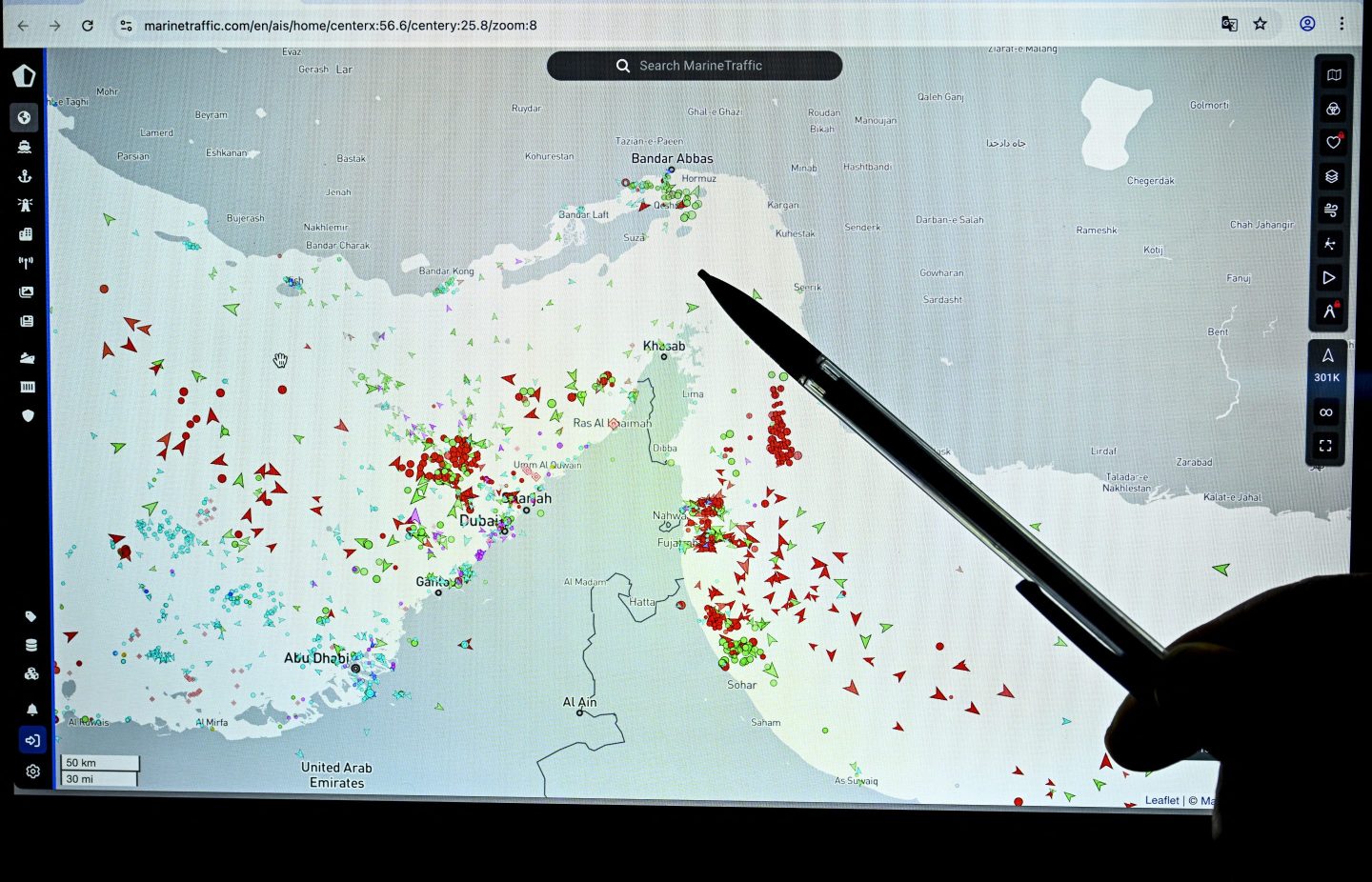
The unprecedented 35.63% surge in crude oil prices this week—the largest weekly gain in futures trading history since 1983—represents a critical supply chain shock for cross-border e-commerce sellers. With West Texas Intermediate crude closing at $90.90/barrel (up $12.21 daily) and Brent at $92.69 (up $8.52), geopolitical tensions in the Middle East have triggered near-complete traffic disruption through the Strait of Hormuz, which handles approximately one-third of global seaborne oil. Qatar's energy minister warned that crude could reach $150/barrel within weeks if tanker transits remain blocked, while JPMorgan analysts project production cuts approaching 6 million barrels per day if the strait closure persists.
For cross-border sellers, this energy crisis creates immediate operational and financial pressure across three critical dimensions. First, shipping costs will escalate substantially as fuel surcharges increase 8-15% across all logistics providers—air, ocean, and ground transportation. Sellers relying on just-in-time inventory from Asia face extended lead times (estimated 2-4 week delays) and higher freight costs, with ocean freight surcharges potentially adding $200-400 per 40-foot container. Second, product sourcing from oil-dependent regions becomes significantly more expensive, compressing margins particularly for low-margin categories (electronics, apparel, home goods) where profit margins typically range 10-20%. Third, supply chain disruptions may delay inventory replenishment, affecting fulfillment capacity during peak selling periods and forcing sellers to choose between higher carrying costs or stockout risk.
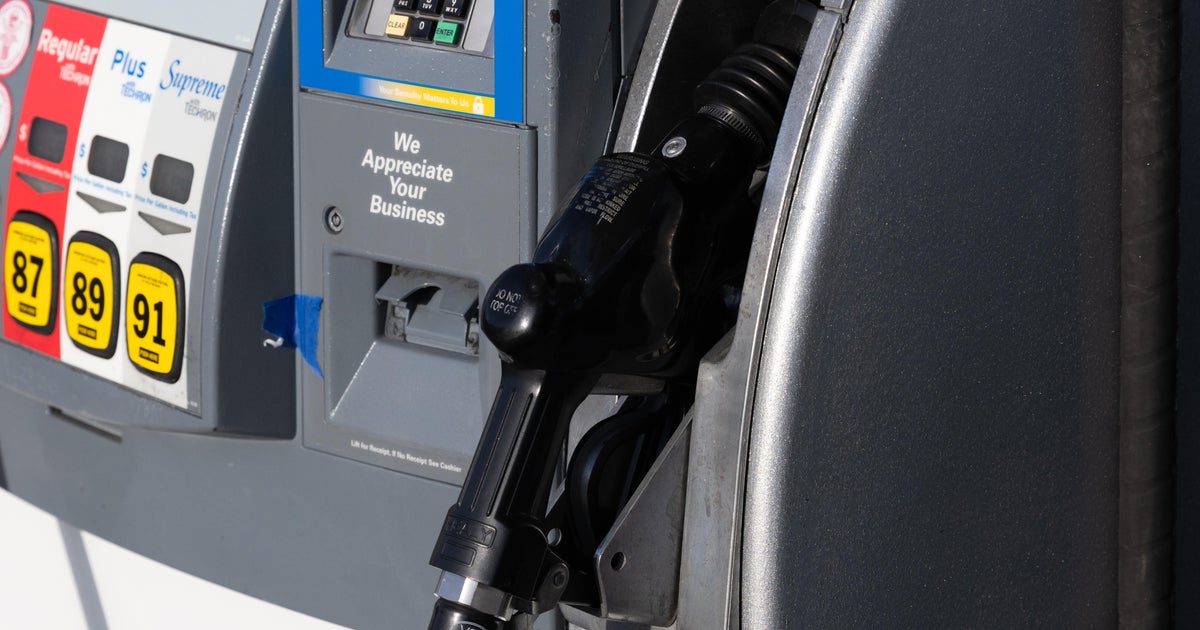
The broader economic impact signals reduced consumer spending on discretionary e-commerce categories. Historically, oil price spikes of this magnitude correlate with economic slowdowns; the 27-cent weekly increase in U.S. gasoline prices signals inflationary pressure that typically dampens online retail growth by 3-8% in discretionary categories. Sellers in fashion, electronics, and home décor should anticipate reduced demand alongside increased operational costs—a margin compression squeeze from both supply and demand sides. The Trump administration's $20 billion insurance program for Persian Gulf tankers provides limited relief, as market response remains muted and insurance costs themselves will increase.
Strategic seller responses must address both immediate cost pressures and demand volatility. Immediate actions include reviewing supplier diversification to reduce Asia-dependency (consider Vietnam, India, Mexico alternatives), adjusting pricing strategies to offset fuel surcharges (typically 2-4% price increases), and optimizing inventory levels to minimize carrying costs during uncertain supply conditions. Sellers should monitor the Strait of Hormuz situation daily, as any escalation could push crude toward $150/barrel within weeks, further compounding logistics costs. Consider shifting 20-30% of inventory to regional 3PL providers to reduce long-haul shipping exposure, and prioritize high-margin categories (specialty goods, collectibles, premium products) where margin compression is less severe.
Questions 8
How can sellers optimize inventory levels during this supply chain uncertainty?
Sellers should reduce inventory carrying costs by 15-20% while maintaining safety stock for peak periods. The news indicates supply chain disruptions may delay inventory replenishment, affecting fulfillment capacity during peak selling periods. Calculate optimal inventory levels using: (Average Daily Sales × Lead Time) + Safety Stock. For sellers with 2-4 week extended lead times, increase safety stock by 25-30% for essential SKUs only. Reduce slow-moving inventory by 40-50% to free cash for high-velocity items. Use Amazon's IPI score monitoring to stay above 400 threshold while minimizing storage fees.
What is the Trump administration's $20 billion insurance program and does it help sellers?
The Trump administration announced a $20 billion insurance program for Persian Gulf tankers to mitigate shipping disruption risks. However, the news reports that market response remained muted, indicating limited confidence in the program's effectiveness. Insurance costs themselves will increase, adding 1-2% to shipping expenses. The program primarily benefits large shipping companies and oil producers, not individual e-commerce sellers. Sellers should not rely on this program for cost relief. Instead, focus on direct mitigation: diversify sourcing, negotiate freight contracts, and implement price increases to offset fuel surcharges independently.