
)


Middle East Geopolitical Crisis Disrupts Cross-Border Logistics | Supply Chain Realignment Opportunities
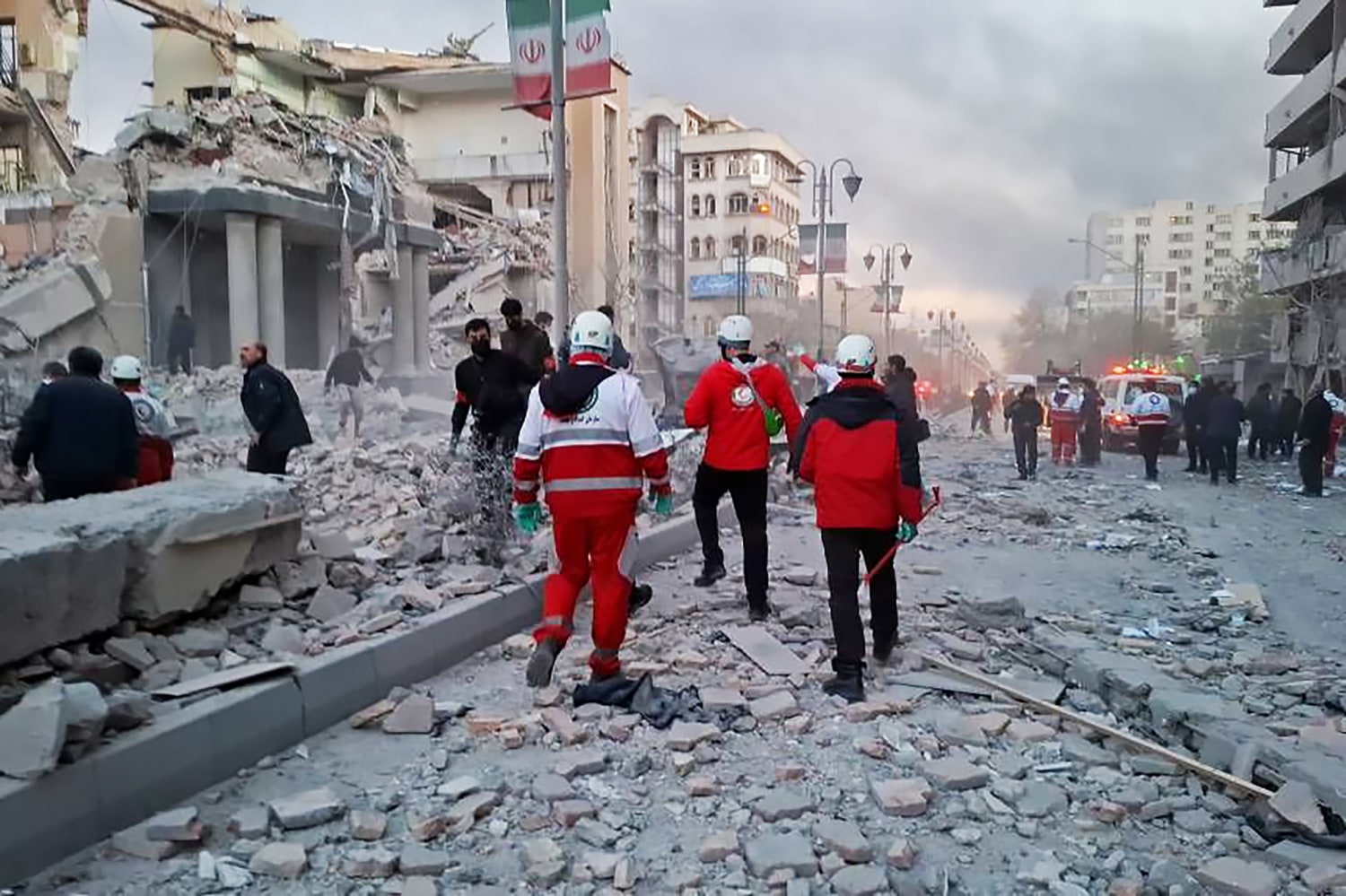
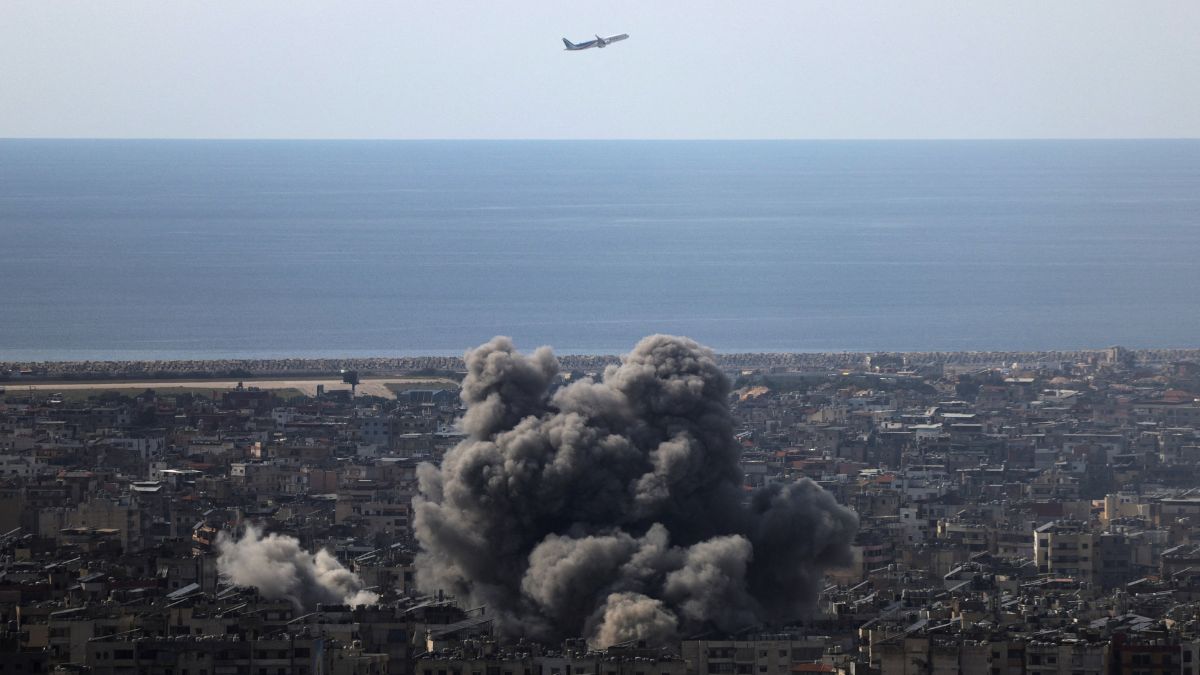
- Regional infrastructure damage affects 3,000+ stranded travelers; creates urgent demand for crisis-response merchandise and alternative sourcing strategies for sellers dependent on Persian Gulf logistics corridors






















)








)







Overview
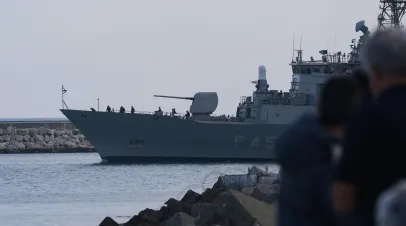
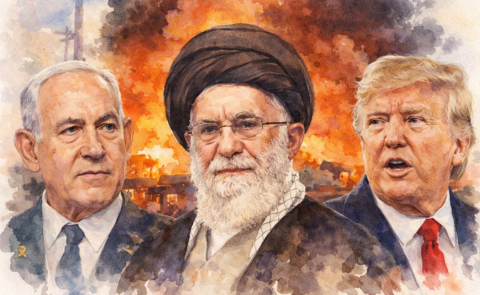
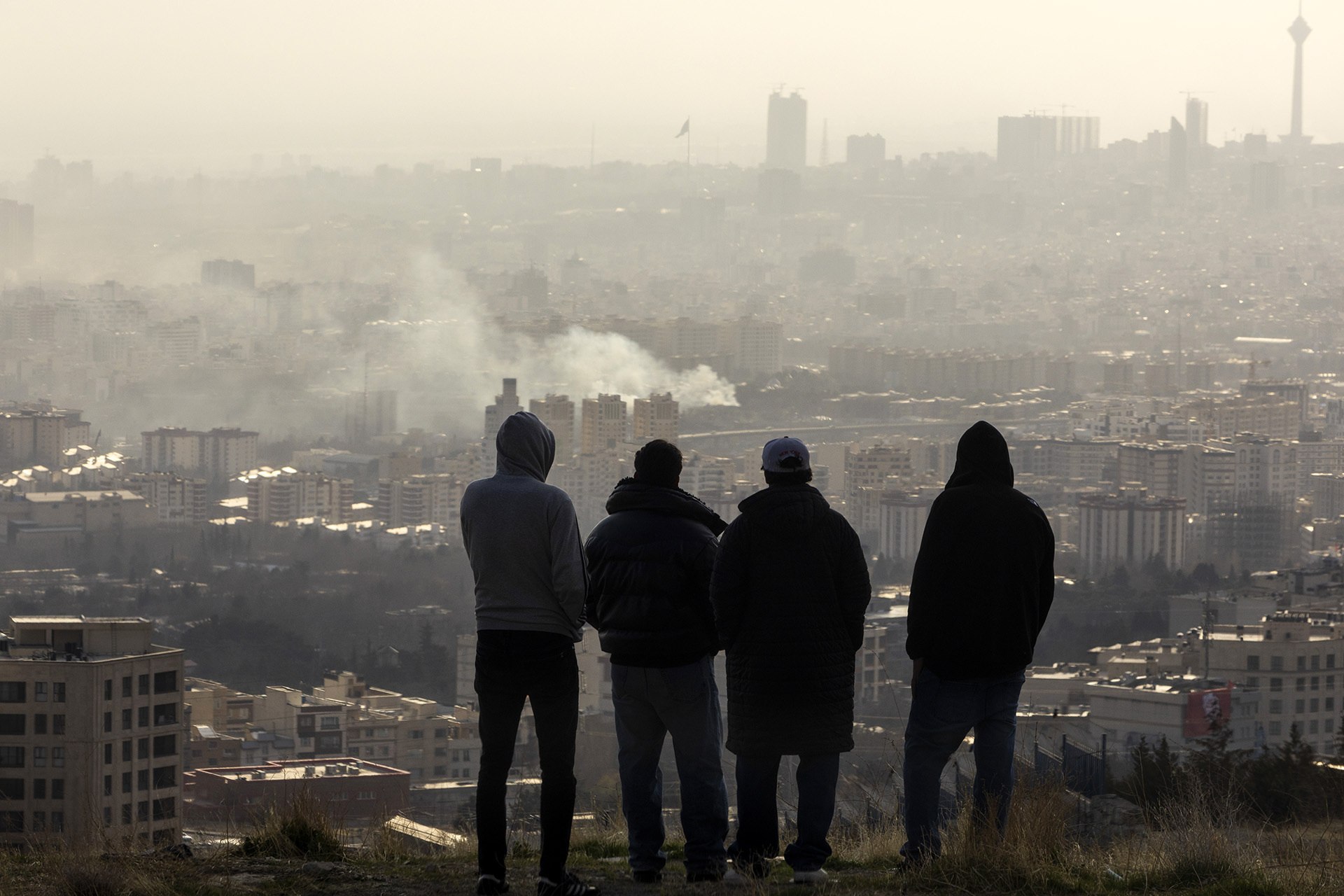
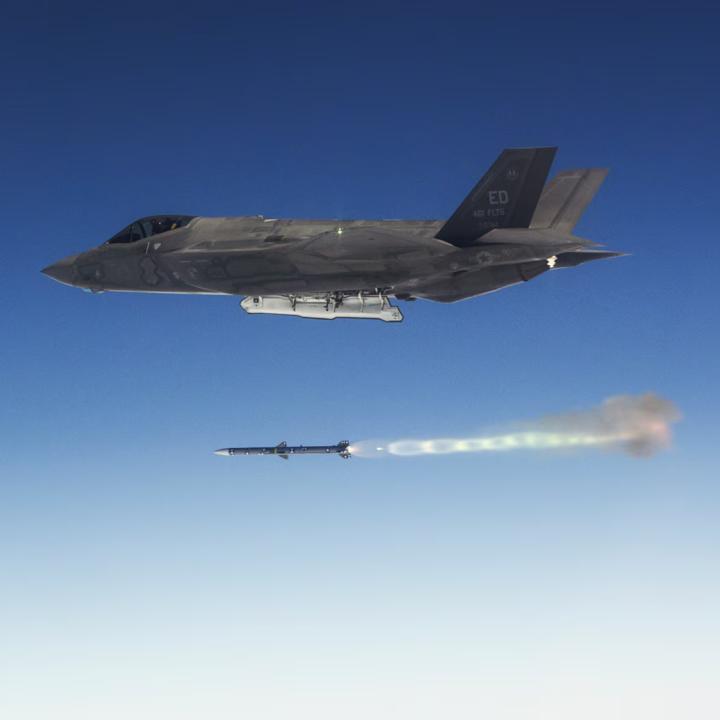
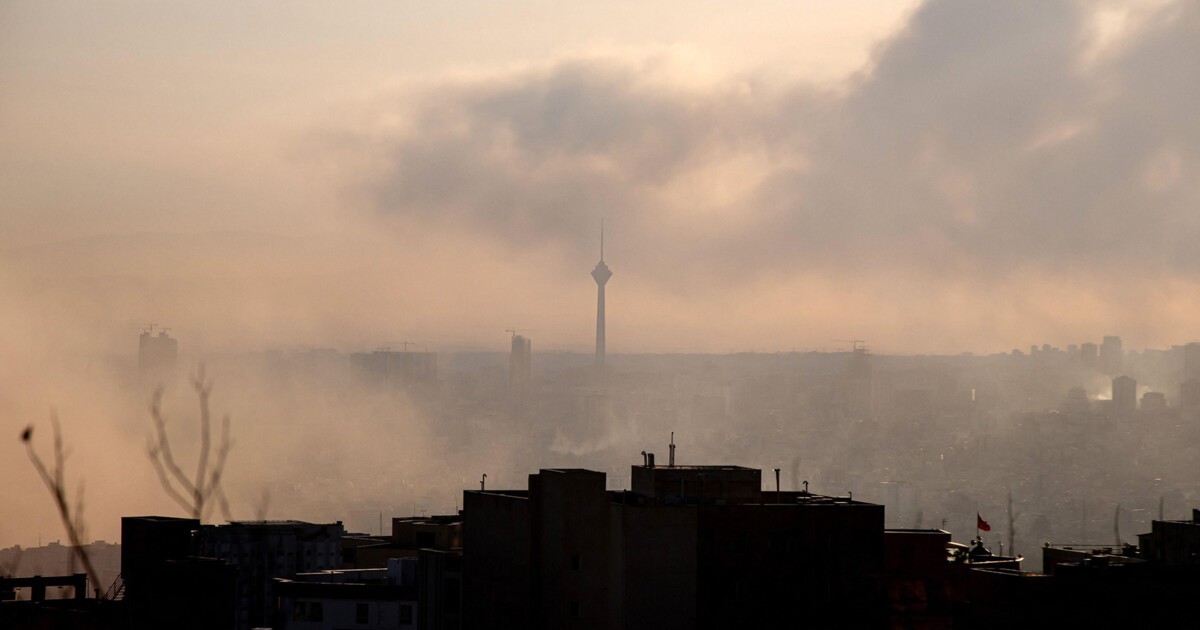
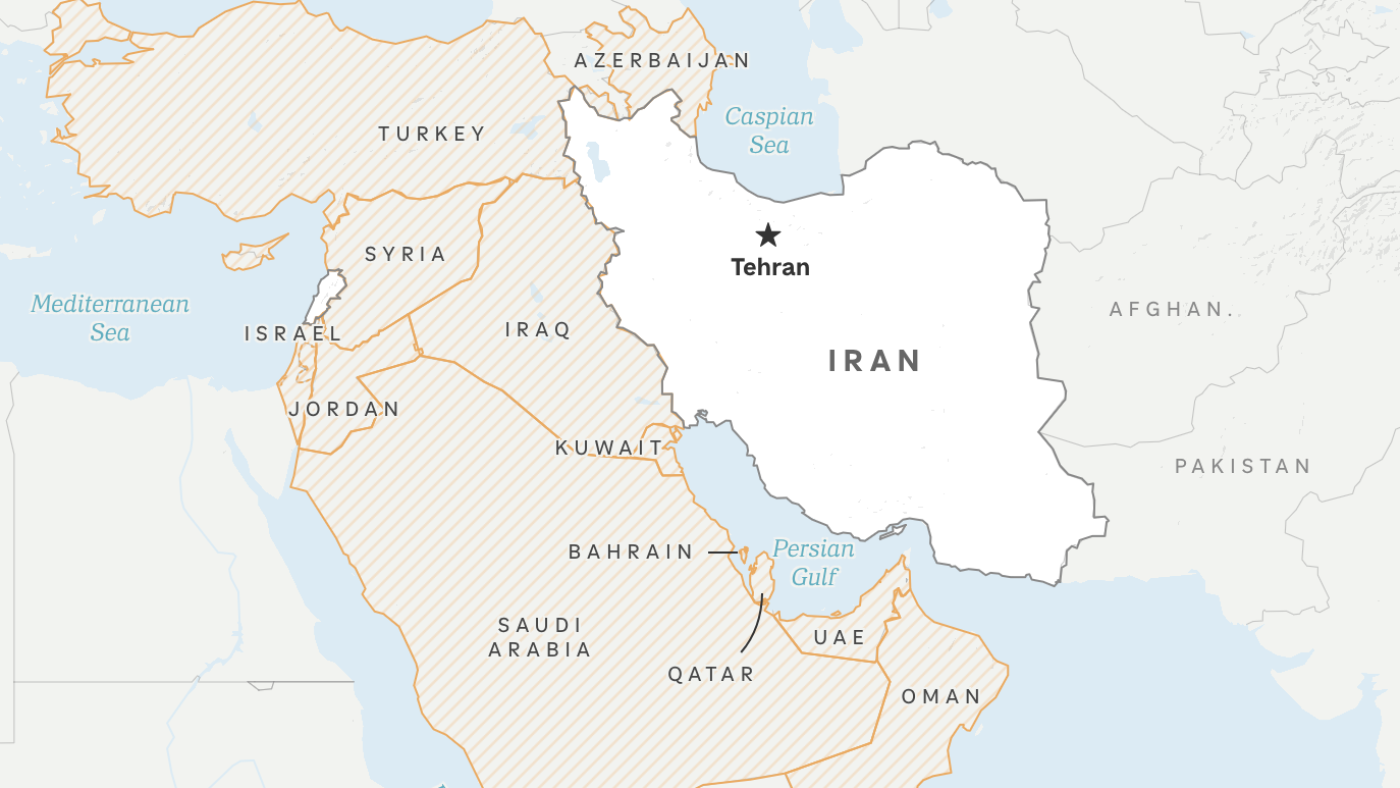
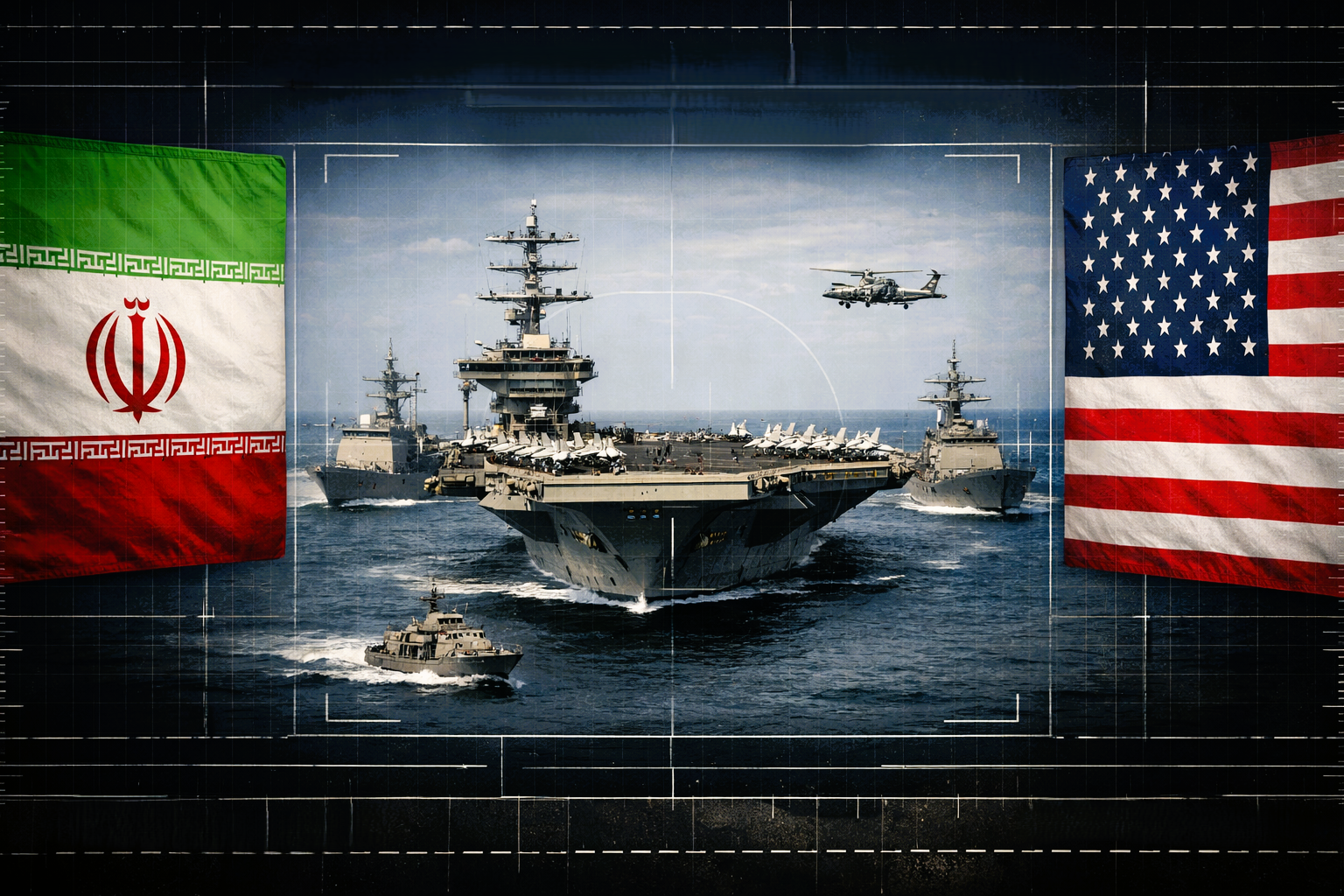
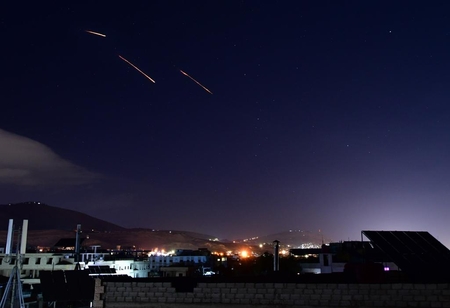
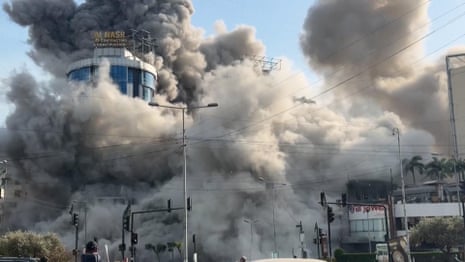
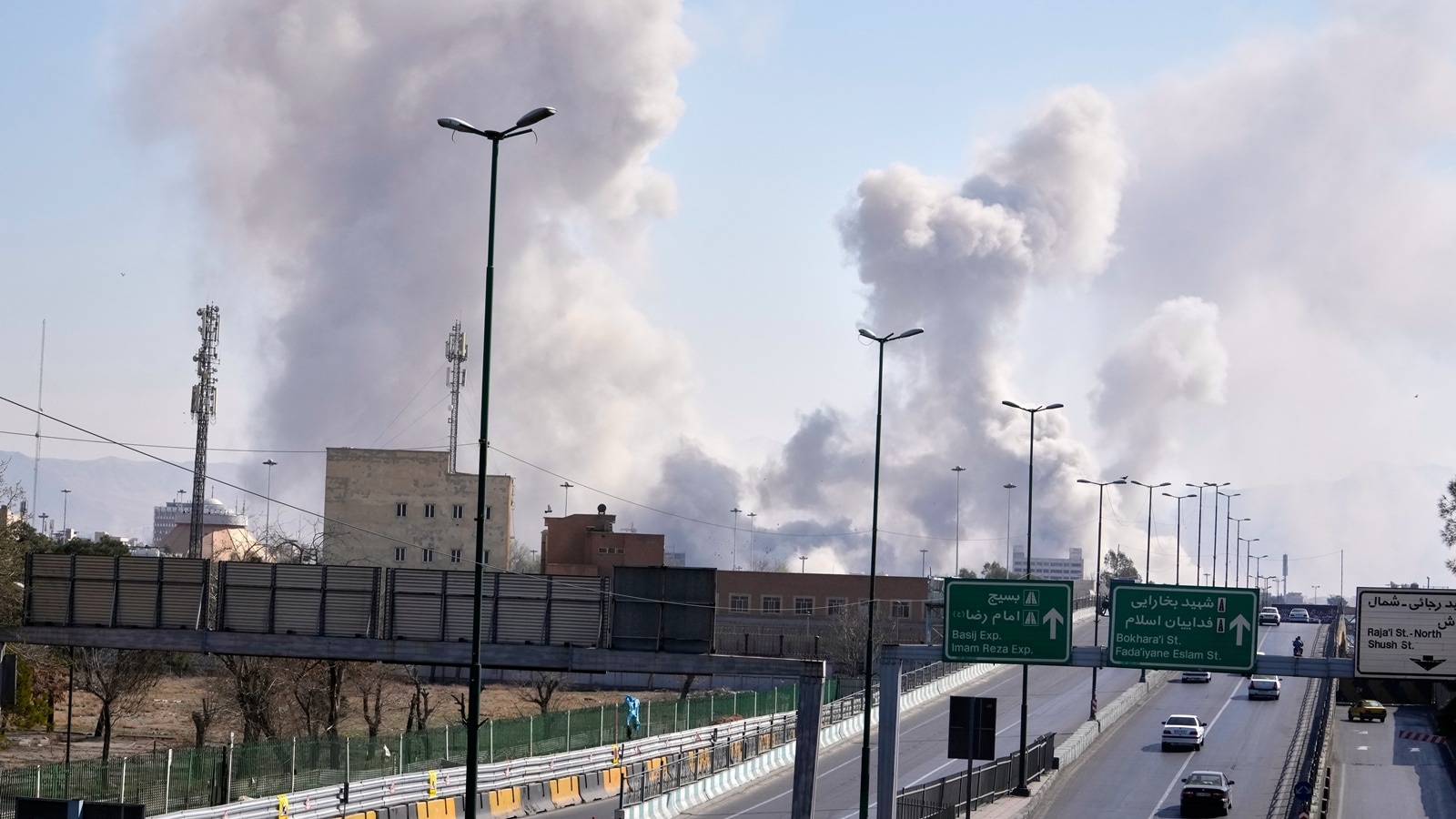
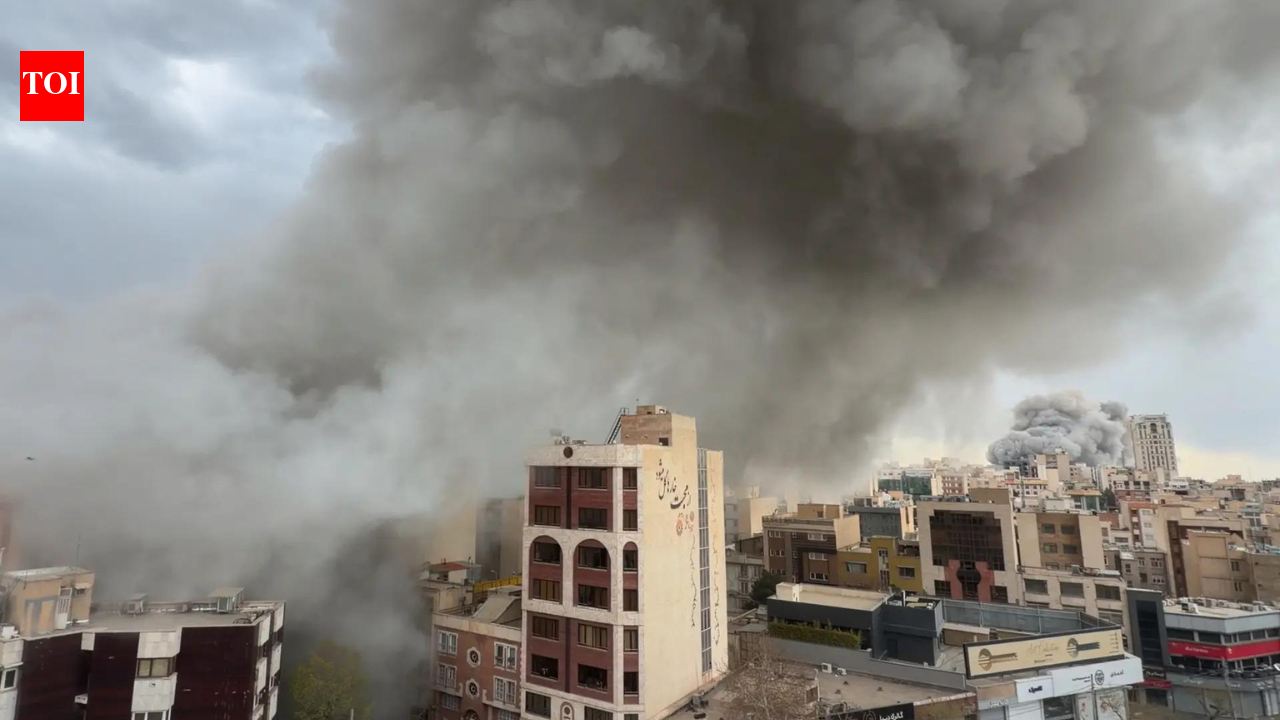
The escalating US-Israel military campaign against Iran (March 2026) represents a critical geopolitical disruption with significant implications for cross-border e-commerce sellers, particularly those reliant on Middle Eastern logistics networks, regional sourcing, or serving affected consumer markets. While the conflict centers on military operations—including strikes on Iranian infrastructure, damage to the Bushehr naval base, and infrastructure destruction affecting 30+ villages on Qeshm Island—the secondary effects create measurable business disruptions for e-commerce operations.
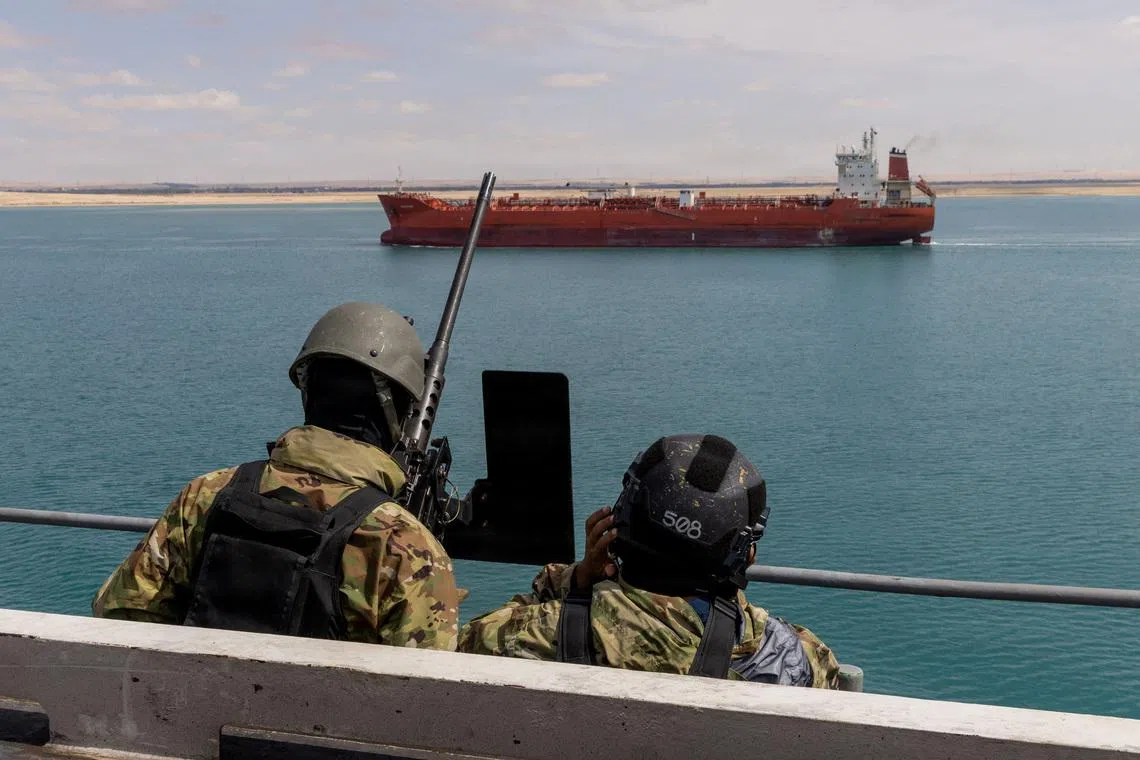
Immediate Logistics Impact: The news reports thousands of travelers stranded across the Middle East following US military strikes, indicating severe disruption to air and maritime transportation corridors. For sellers using Middle Eastern transshipment hubs (Dubai, UAE ports) as consolidation points for Asia-to-Europe or Asia-to-US shipments, this creates 2-4 week delays in fulfillment timelines. Sellers shipping through Persian Gulf ports face potential rerouting costs of $800-1,500 per container, with alternative routes (via Suez Canal or longer Asia-Europe passages) adding 7-10 days to transit times. This directly impacts Amazon FBA replenishment schedules and eBay seller inventory turnover rates.
Product Category Opportunities: The crisis creates immediate demand spikes in several e-commerce categories: (1) Emergency/Survival Merchandise (HS codes 9406.00, 3926.90)—portable water filters, emergency kits, first-aid supplies see 150-300% demand increases during regional crises; (2) Communication Devices (HS 8517.62)—satellite phones, offline communication tools experience surge demand from stranded travelers and affected regions; (3) Travel Insurance/Services—digital travel guides, alternative route planning tools, travel rebooking services; (4) Geopolitical News Merchandise—news-related apparel, commemorative items, educational materials targeting news-engaged demographics.
Competitive Advantage Window: Sellers with existing inventory in these categories can capitalize on a 2-4 week window before mainstream competitors respond. Small-to-medium sellers (10-50 SKUs) can pivot 20-30% of inventory toward crisis-response products with minimal restocking delays. Larger sellers (500+ SKUs) should consider sponsored advertising campaigns targeting keywords like "emergency supplies," "travel disruption," "Middle East crisis" with 15-25% higher PPC budgets during peak news cycles.
Strategic Sourcing Realignment: The conflict accelerates existing supply chain diversification trends away from Iran-adjacent sourcing. Sellers previously sourcing from Iran (textiles, carpets, handicrafts—HS codes 5007.10, 6304.99) face immediate market access restrictions and must identify alternative suppliers in Turkey, India, or Pakistan within 30-60 days. This creates competitive advantages for sellers already diversified across multiple sourcing countries, while concentrating risk for single-source suppliers.
Regional Market Dynamics: Consumer spending in affected regions (Lebanon, UAE, Israel) will likely contract 10-15% in Q2 2026 as uncertainty persists, reducing demand for discretionary e-commerce categories (fashion, electronics, home goods). Conversely, sellers targeting North American and European audiences may see increased demand for news-related content, educational materials about Middle East geopolitics, and premium emergency preparedness products—categories that historically see 40-60% sales increases during major geopolitical events.
Questions 8
How will the conflict affect consumer spending in Middle Eastern e-commerce markets?
Consumer spending in affected regions (Lebanon, UAE, Israel) typically contracts 10-15% during major geopolitical conflicts as uncertainty increases and discretionary spending declines. Sellers targeting these markets should expect reduced demand for fashion, electronics, and home goods categories. However, sellers targeting North American and European audiences may see increased demand for news-related content and premium emergency preparedness products—categories that historically see 40-60% sales increases during major geopolitical events. Adjust your geographic targeting in Amazon Advertising and eBay campaigns to emphasize North American and European markets during this period.
What compliance risks should sellers monitor regarding Iran-related trade restrictions?
The conflict may trigger expanded US sanctions on Iran-related trade, affecting sellers sourcing from or selling to Iran-connected entities. Review your supplier list and customer base for Iran connections and ensure compliance with OFAC (Office of Foreign Assets Control) regulations. Avoid sourcing from suppliers in Iran or Iranian-controlled entities (HS codes 5007.10, 6304.99 particularly affected). Monitor Treasury Department announcements weekly for updated sanctions lists. Non-compliance can result in $250,000+ penalties and account suspension on Amazon, eBay, and other platforms. Consult with trade compliance specialists if you have any Iran-related supply chain exposure.