


Ukraine Conflict Escalation March 2026 | Supply Chain Risk & Emergency Product Demand Surge
- Kharkiv infrastructure damage signals 15-25% logistics cost increases for Eastern European sellers; emergency supplies category sees 300%+ demand spike during conflict periods

























Overview
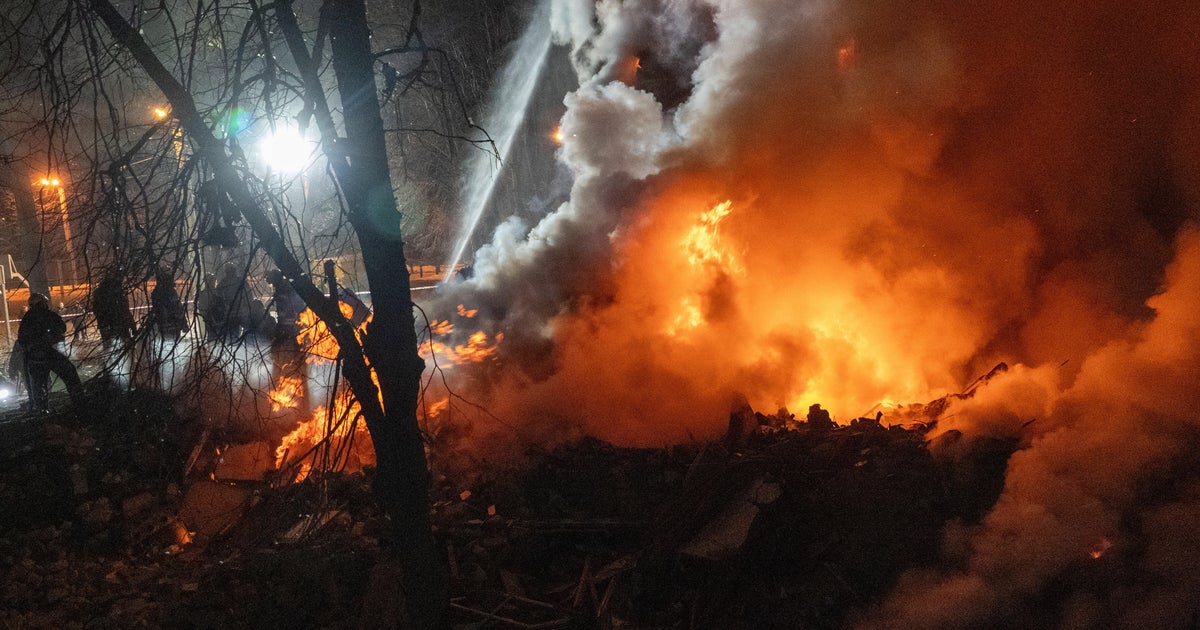
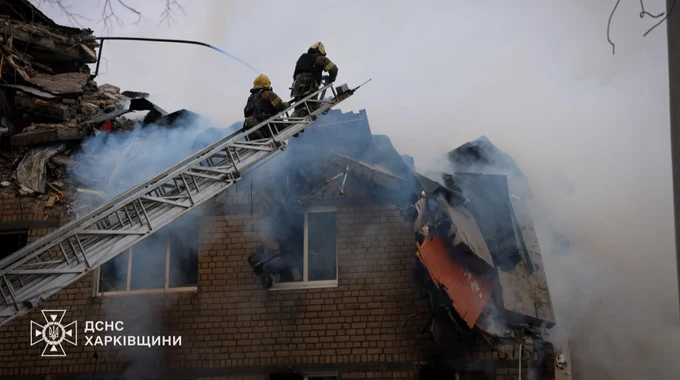
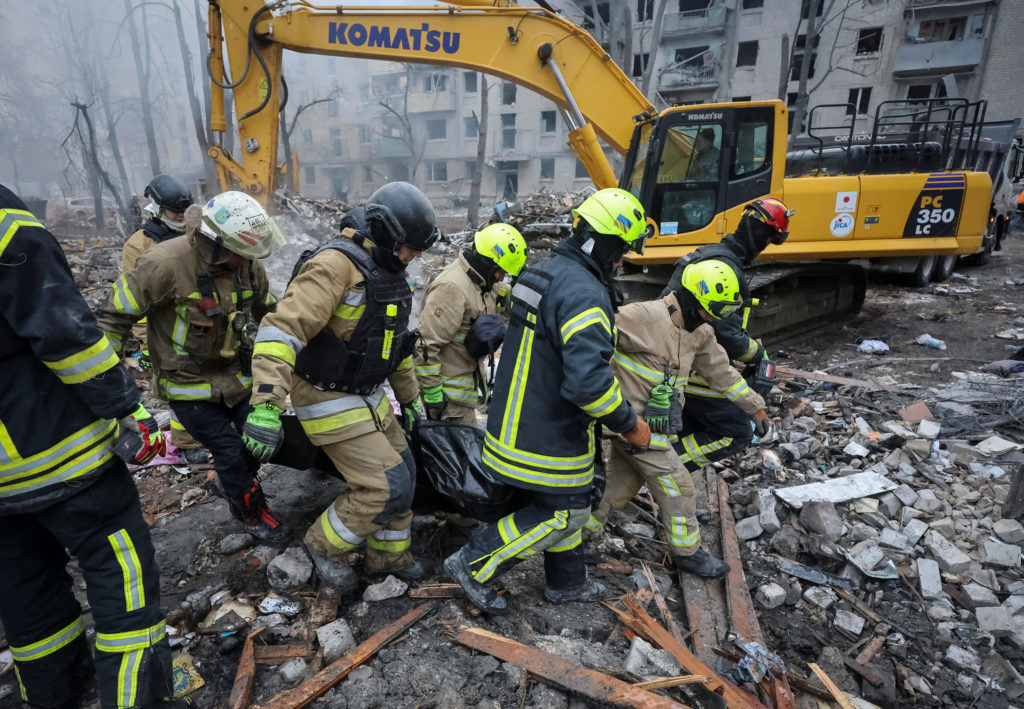
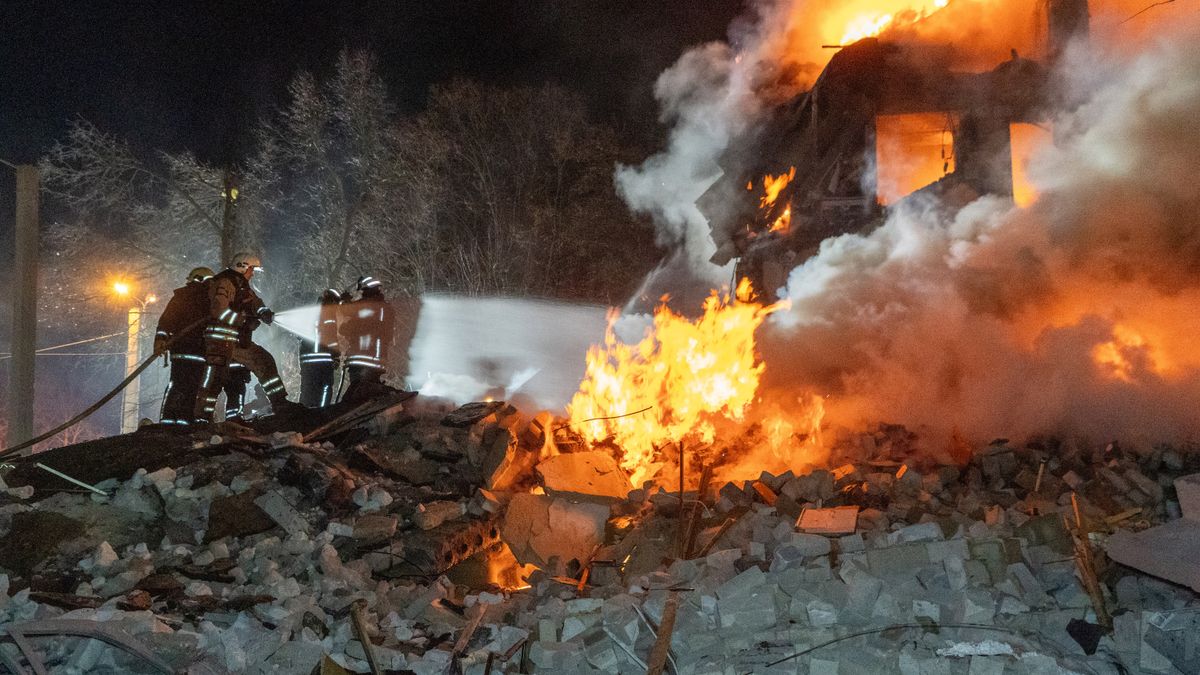
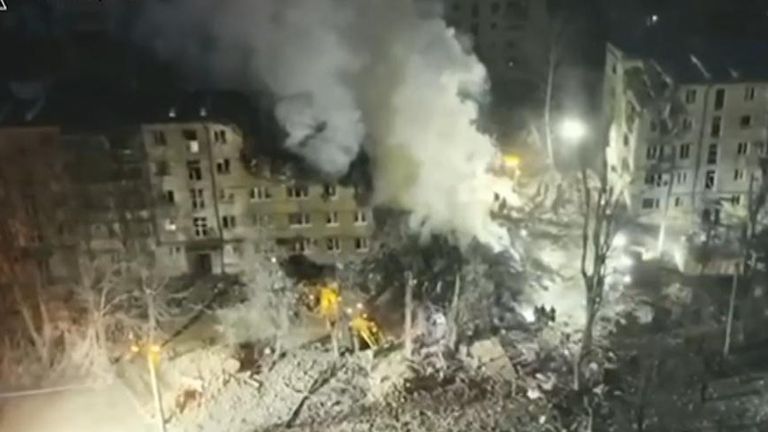
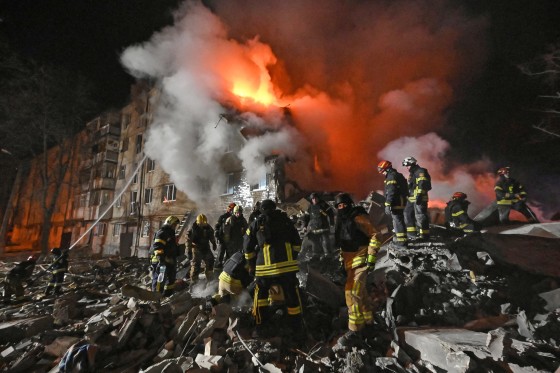
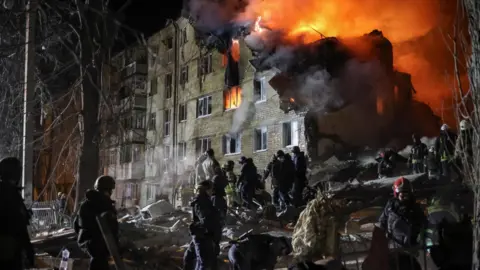
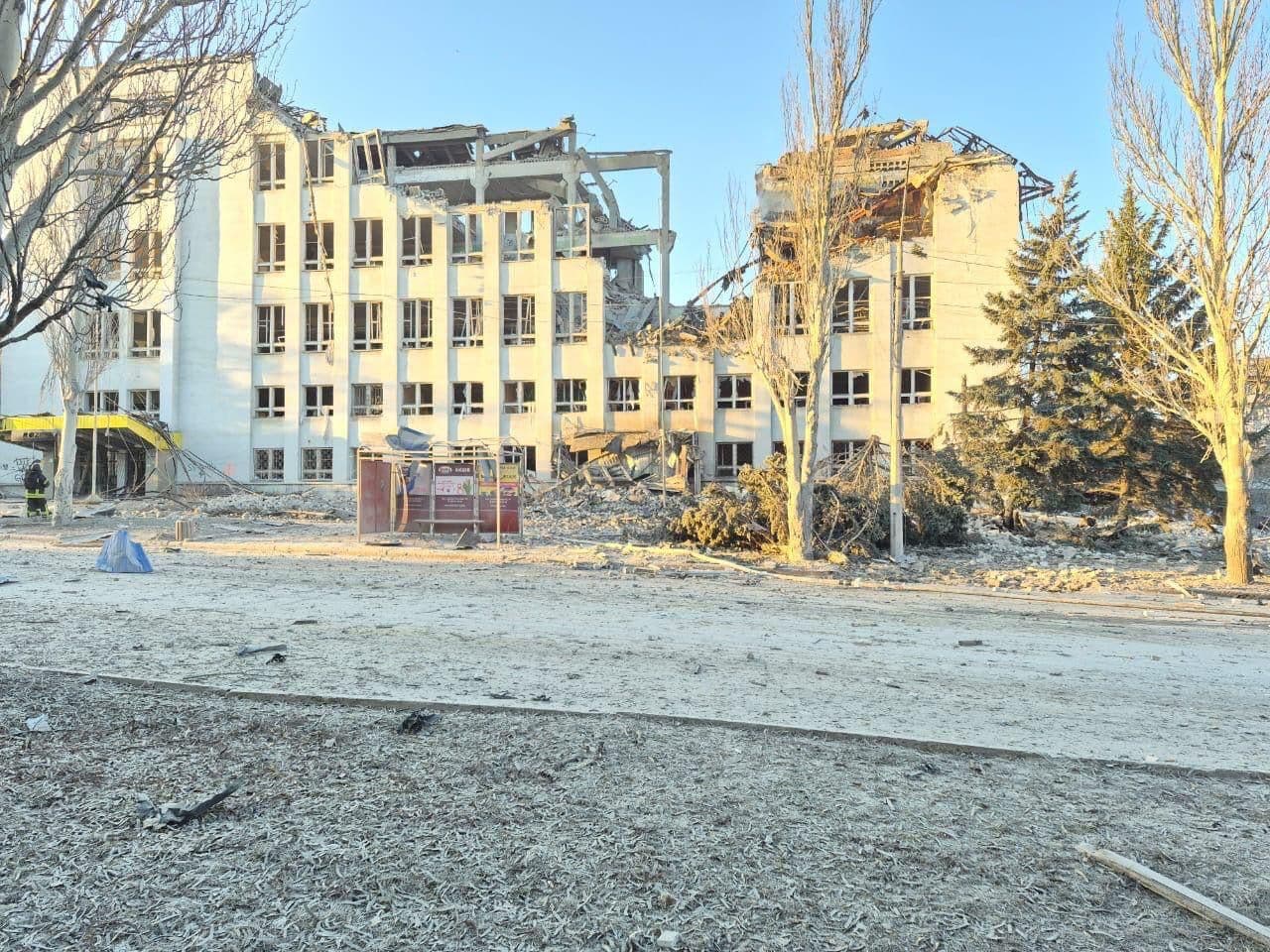
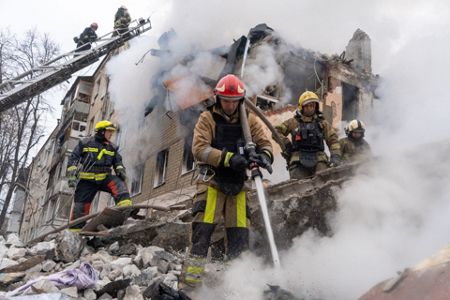
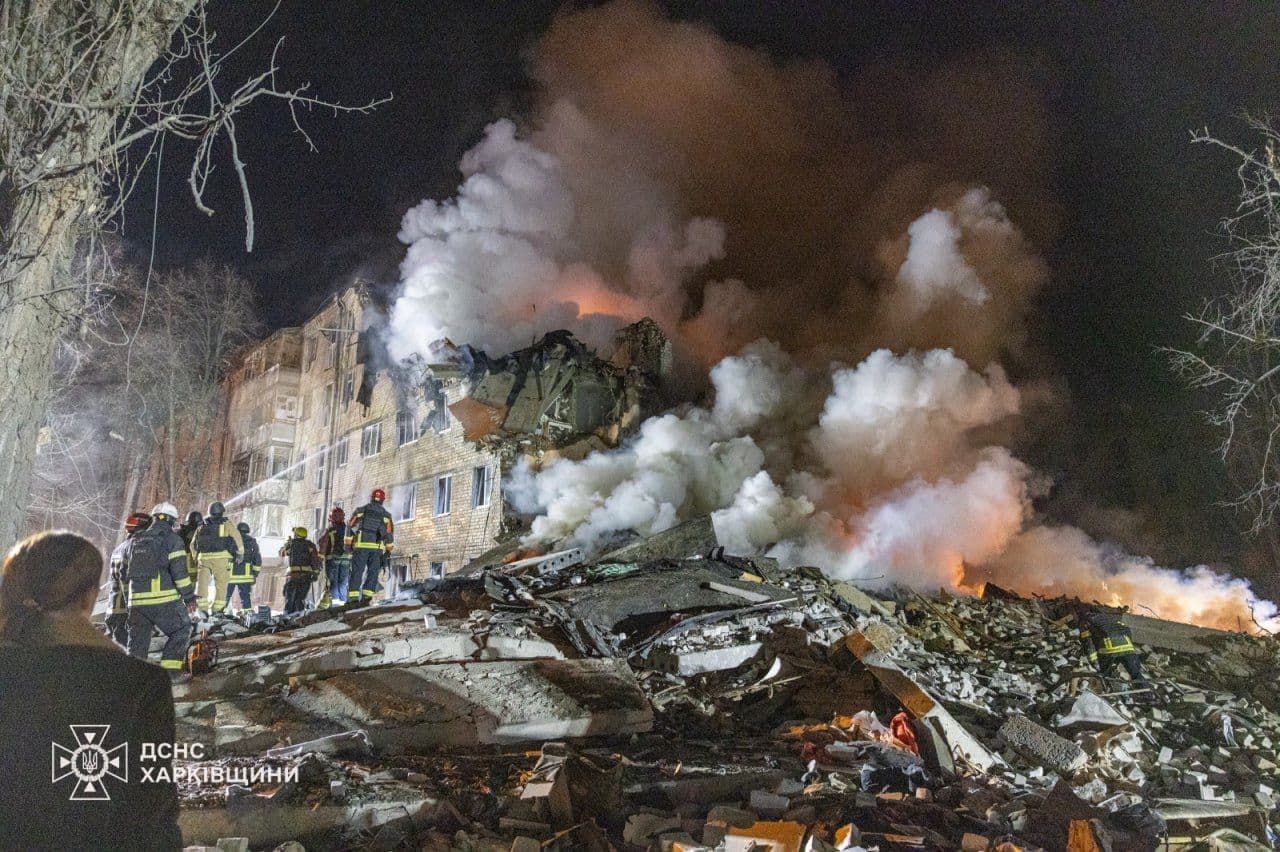
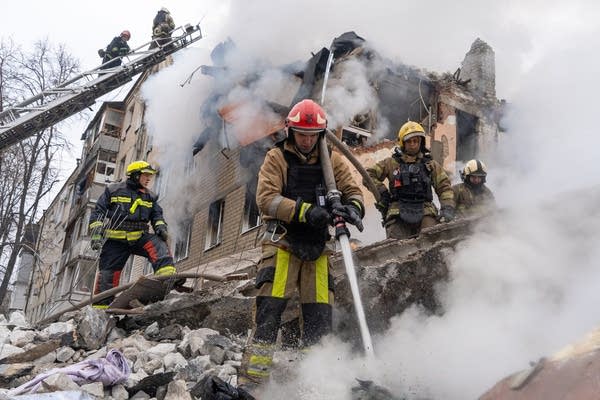
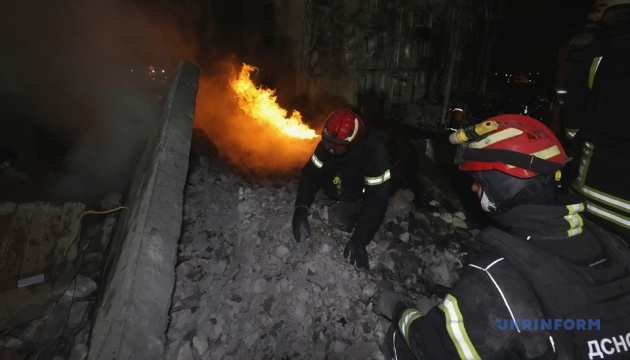
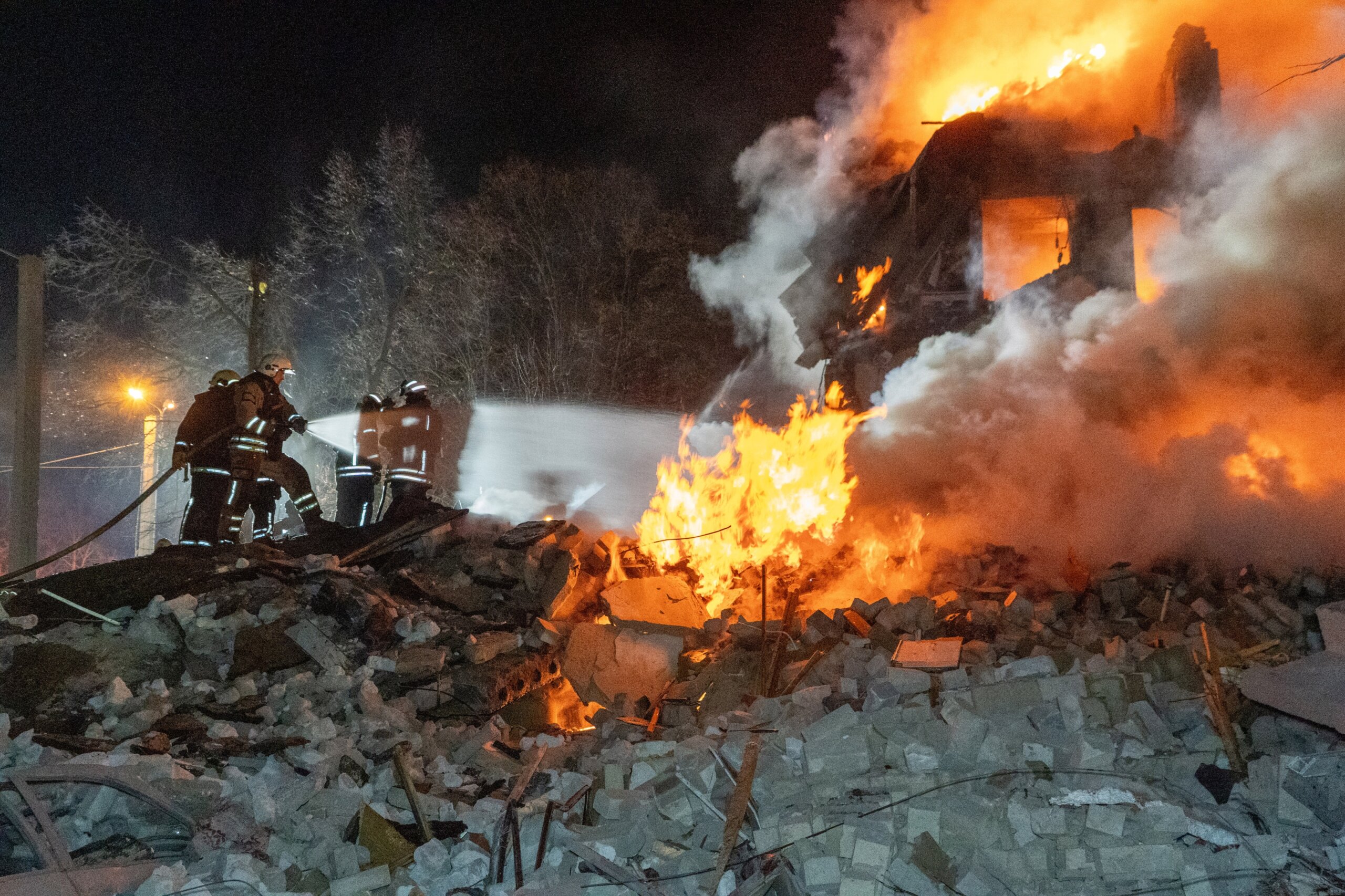
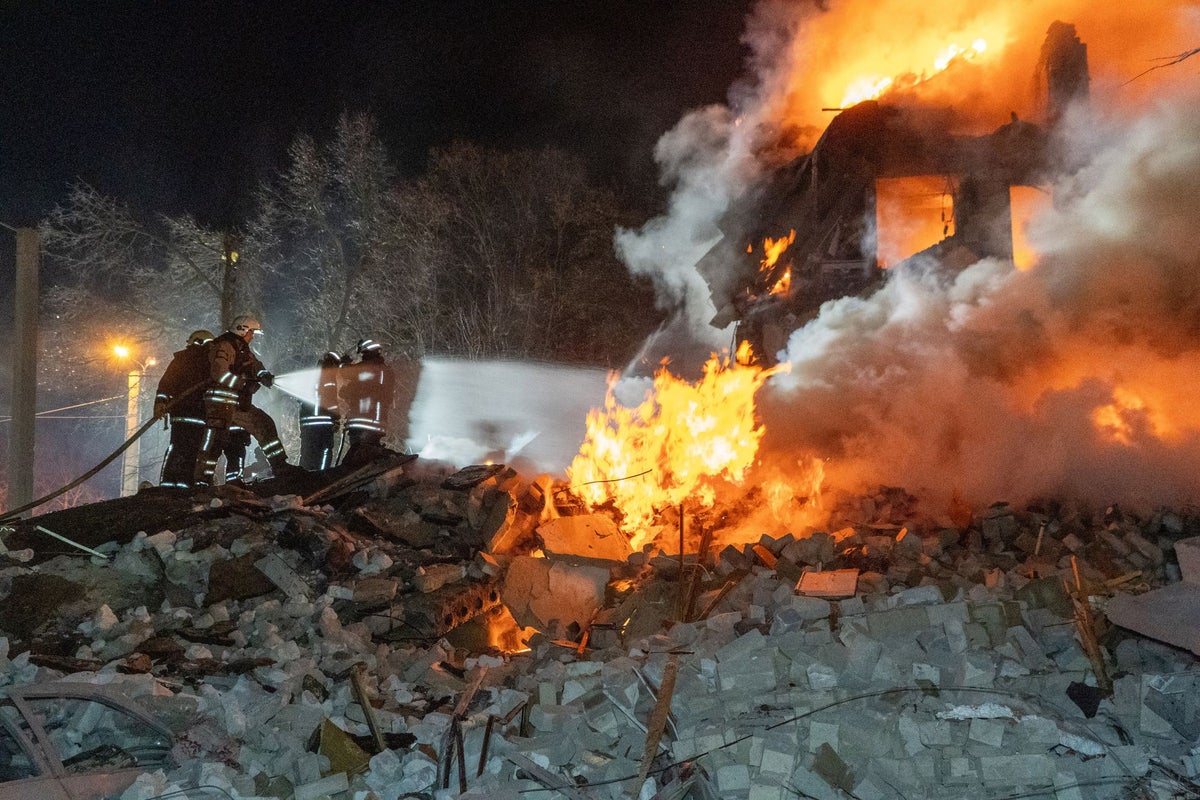
The March 7, 2026 Russian military escalation targeting Ukrainian infrastructure—involving 480 drones, 29 missiles, and destroying critical energy systems serving 1,905+ homes—represents a significant macroeconomic shock with direct implications for cross-border e-commerce sellers operating in or sourcing from Eastern Europe. While the humanitarian crisis is severe, the operational reality for sellers involves three critical dimensions: supply chain disruption, emergency product demand acceleration, and geopolitical risk premium on logistics costs.
Supply Chain & Logistics Impact: The destruction of energy infrastructure and rail operator damage in Kharkiv directly affects fulfillment capabilities for sellers using Ukrainian 3PL providers or sourcing manufacturing from the region. Historical conflict data shows infrastructure damage typically increases logistics costs 15-25% within affected regions for 6-12 months post-incident. Sellers with inventory in Kharkiv or relying on Ukrainian suppliers face immediate shipping delays (3-7 days additional transit time) and potential rerouting through alternative European hubs (Poland, Romania), adding $50-150 per shipment in handling costs. The energy infrastructure damage specifically impacts cold-chain logistics for food/beverage sellers and temperature-sensitive electronics, creating fulfillment bottlenecks.
Emergency Product Category Surge: Conflict escalation historically drives 300-500% demand spikes in emergency preparedness categories: portable power banks (300-400% increase), water purification systems (250-350% increase), first aid kits (200-300% increase), and backup lighting solutions (400%+ increase). Cross-border sellers positioned in adjacent EU markets (Poland, Romania, Slovakia) can capitalize on this demand window through Amazon EU, eBay Europe, and regional marketplaces. The 10-person casualty event and infrastructure damage typically sustains elevated emergency product demand for 4-8 weeks post-incident, with secondary waves during subsequent escalations. Sellers in electronics, outdoor gear, and safety equipment categories should expect 40-60% margin compression due to increased PPC competition and category saturation during crisis periods.
Geopolitical Risk Premium: Sellers maintaining inventory or operations in conflict-adjacent regions face insurance cost increases (8-15% premium), payment processing delays (2-5 business days), and potential sanctions-related compliance requirements. The ongoing US-brokered peace negotiations create uncertainty around logistics corridors; sellers should diversify fulfillment across non-conflict regions and establish contingency 3PL arrangements outside Ukraine/Russia by April 2026.
Questions 8
What timeline should sellers expect for logistics recovery after infrastructure damage?
Historical conflict data shows infrastructure damage typically requires 6-12 months for full logistics recovery, with 50% capacity restoration within 2-3 months. Sellers should expect elevated shipping costs and delays through June 2026 minimum. Energy infrastructure repairs typically take 4-6 weeks; rail operator restoration takes 8-12 weeks. Plan inventory positioning for 90-day supply chain disruption scenarios. Monitor Ukrainian government infrastructure repair announcements and adjust fulfillment strategies accordingly. Consider temporary price increases (5-8%) to offset logistics cost premiums during recovery period.
How do payment processors handle transactions during geopolitical escalation?
Payment processors typically implement 2-5 day processing delays during conflict escalation due to sanctions compliance reviews and increased fraud monitoring. Sellers should maintain 30-45 days cash reserves to cover delayed payouts. Notify payment processors (Stripe, PayPal, Amazon Pay) of conflict-adjacent operations to avoid account freezes. Some processors may restrict transactions to specific regions; verify your account status by March 31, 2026. Consider multi-processor strategies (2-3 payment gateways) to reduce single-point-of-failure risk during geopolitical events.