
)



Middle East Shipping Crisis Drives 14% Fuel Costs Up | Sellers Face $2-5K Monthly Impact
- Oil prices surge to $91/barrel, gasoline +14% to $3.41/gallon; Dubai airport disruptions halt air cargo; prolonged conflict threatens 6-month+ logistics stability for cross-border sellers




















Overview
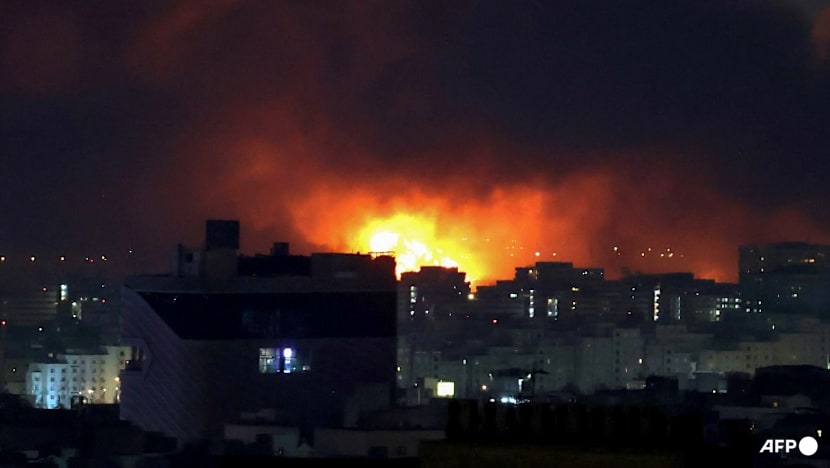
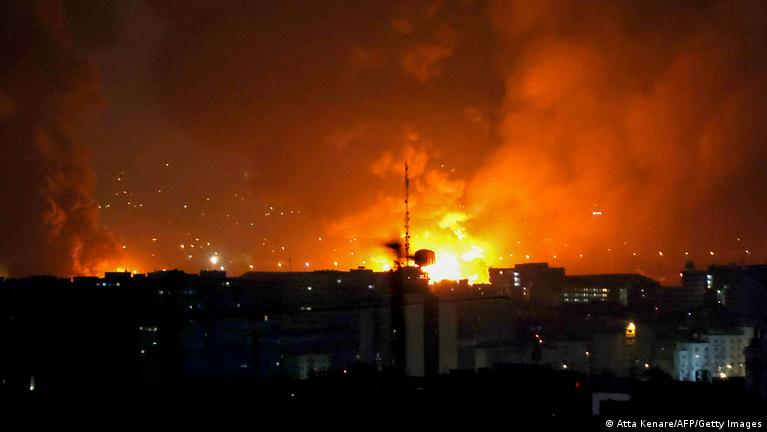
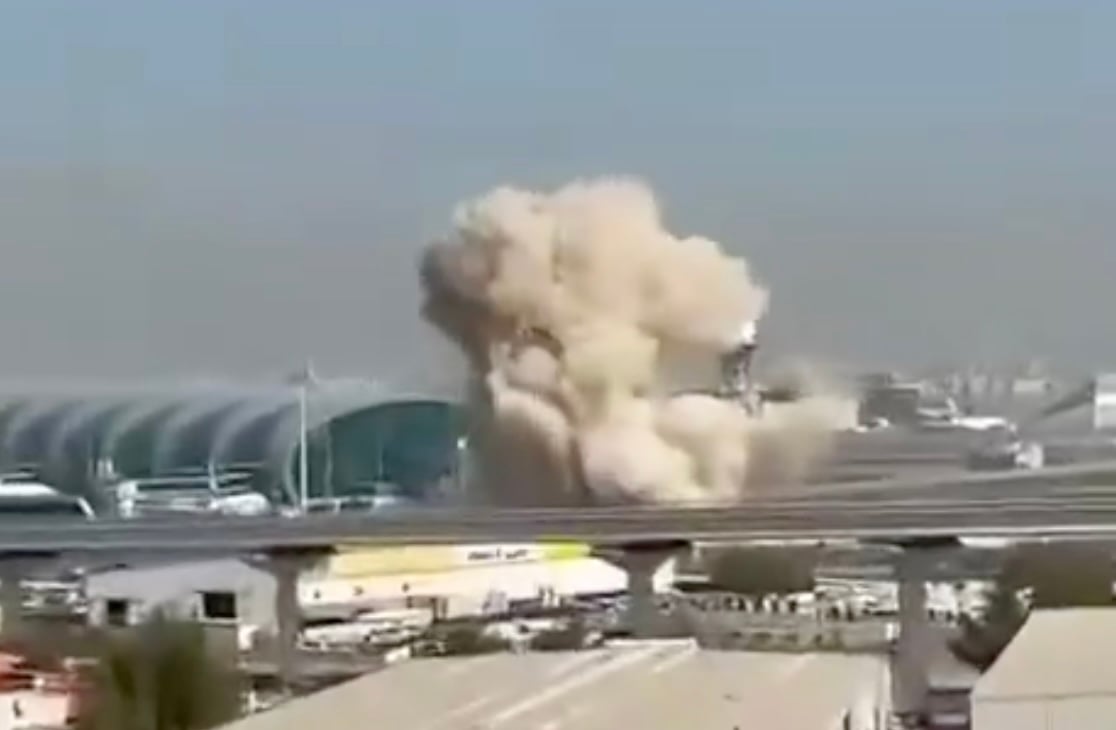
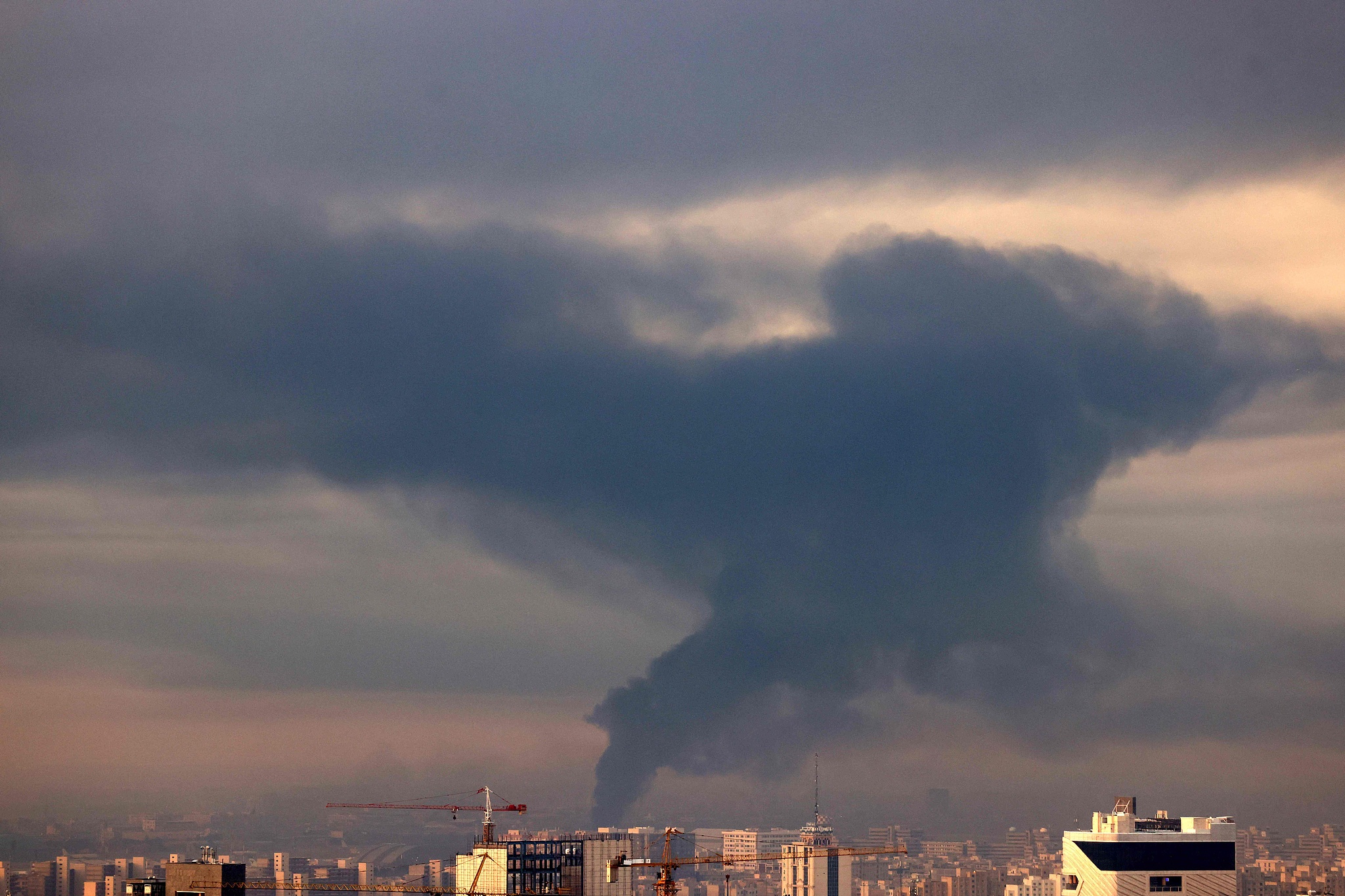
The escalating Iran-Israel military conflict now in its second week has created a critical logistics crisis for cross-border e-commerce sellers, with direct quantifiable impacts on shipping costs and supply chain reliability. Oil prices surged nearly $10 per barrel in a single day to close near $91—the highest since 2023—while unleaded gasoline prices in the United States increased 14% to $3.41 per gallon since the conflict began. These concurrent increases directly compress profit margins for sellers relying on air and ground transportation. Dubai International Airport, a critical hub for cross-border e-commerce logistics handling millions of units monthly, partially suspended all flights following drone strikes before resuming limited operations. This disruption affects air cargo shipments critical for time-sensitive categories including electronics, apparel, and perishables that depend on expedited shipping routes through the Middle East.
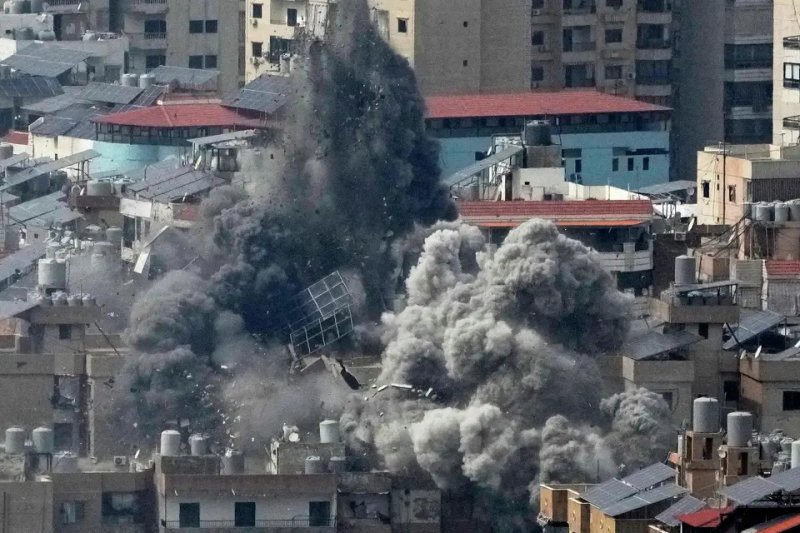
For mid-sized sellers shipping 500-2,000 units monthly via air freight, the 14% fuel surcharge translates to $2,000-5,000 in additional monthly costs, with larger sellers (5,000+ units) facing $8,000-15,000 monthly increases. Ground shipping through affected regions faces similar pressures, as Saudi Arabia's Shaybah oil field endured multiple drone attacks with defense ministry intercepting 21+ drones in successive waves. The conflict has drawn in multiple states from Oman to Turkey, snarling international travel and shipping routes that sellers depend upon for operations in Middle Eastern and adjacent markets. The mixed messaging from American and Iranian leadership suggests no clear off-ramp to end the conflict, indicating prolonged disruption lasting 6+ months rather than weeks. This timeline is critical: sellers cannot absorb sustained 14% fuel surcharges without either raising prices (risking Buy Box loss on Amazon and eBay), reducing inventory (risking stockouts), or shifting to slower, cheaper shipping (extending delivery times 2-3 weeks and damaging customer satisfaction metrics).
Strategic sourcing implications are significant for sellers currently using Middle Eastern transshipment hubs. Sellers routing inventory through Dubai, Bahrain, Qatar, and UAE ports face extended dwell times, increased insurance costs (typically 15-25% premiums during conflict periods), and potential cargo loss from infrastructure damage. The humanitarian crisis and potential port closures create additional compliance risks: sellers must verify that shipments don't inadvertently support sanctioned entities or violate OFAC regulations that tighten during Middle East conflicts. The timing window for strategic action is immediate (0-30 days): sellers must either pre-position inventory in safer logistics hubs (Singapore, Rotterdam, Los Angeles), negotiate fixed-rate shipping contracts before fuel surcharges compound further, or shift product mix toward lower-weight, higher-margin categories that absorb fuel costs more easily. Historical precedent from 2022 Russia-Ukraine conflict shows similar disruptions lasted 8-12 months with cumulative cost impacts of 18-22% on affected shipping corridors.
Questions 8
What insurance and risk mitigation strategies should I implement for Middle East operations?
Geopolitical risk insurance premiums increase 15-25% during Middle East conflicts, but coverage protects against cargo loss and infrastructure damage. Negotiate all-risk cargo insurance with conflict exclusion waivers before shipping through affected regions. Diversify shipping routes: allocate 40% inventory to Singapore hub, 30% to Rotterdam, 30% to Los Angeles to reduce single-point-of-failure risk. Implement supply chain visibility tools (real-time tracking) to identify disruptions within 24 hours rather than discovering delays at customer delivery stage.
How do I adjust my Amazon FBA pricing strategy during fuel surcharge spikes?
Fuel surcharges compress margins 8-12% on affected categories. In Amazon Seller Central, analyze your product's price elasticity: electronics and apparel typically absorb 3-5% price increases without losing Buy Box, while commodity items lose competitiveness above 2-3% increases. Consider shifting product mix toward higher-margin items (15%+ margins) that absorb fuel costs more easily. Monitor competitor pricing daily—during conflicts, sellers often raise prices 5-8%, creating temporary margin expansion windows before price wars normalize.