






Middle East Instability & Venezuela Sanctions Risk | Cross-Border Sellers Face Supply Chain Disruption
- Escalating Iran-US military conflict threatens Asia-Europe shipping routes; Venezuela sanctions could disrupt 15-20% of Latin American sourcing; sellers must diversify supply chains by Q2 2026











Overview
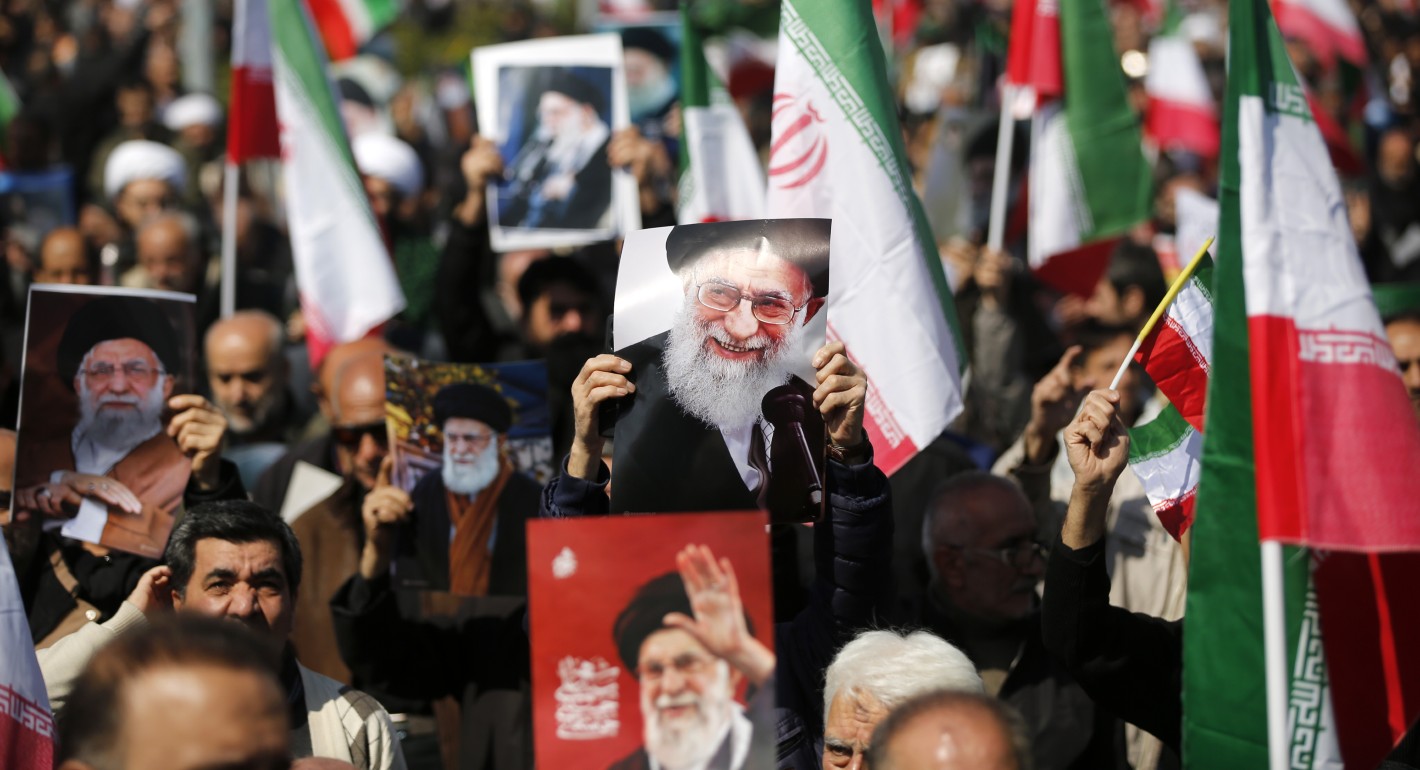
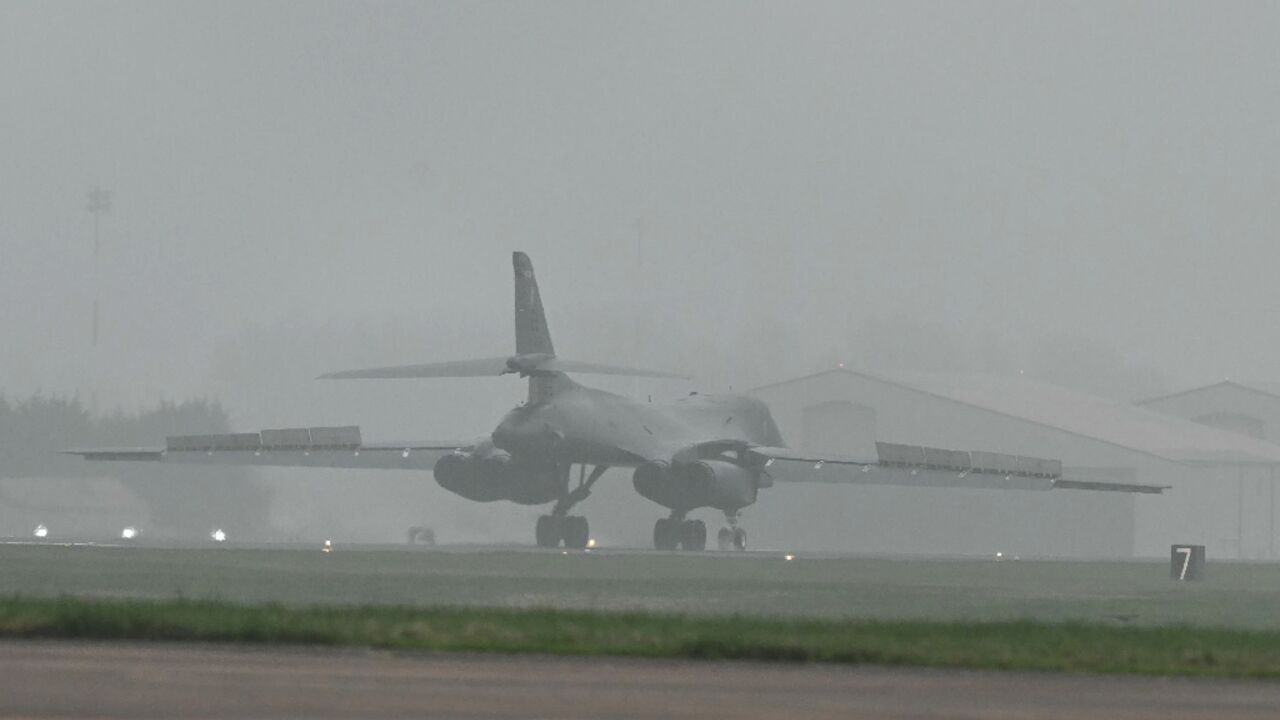
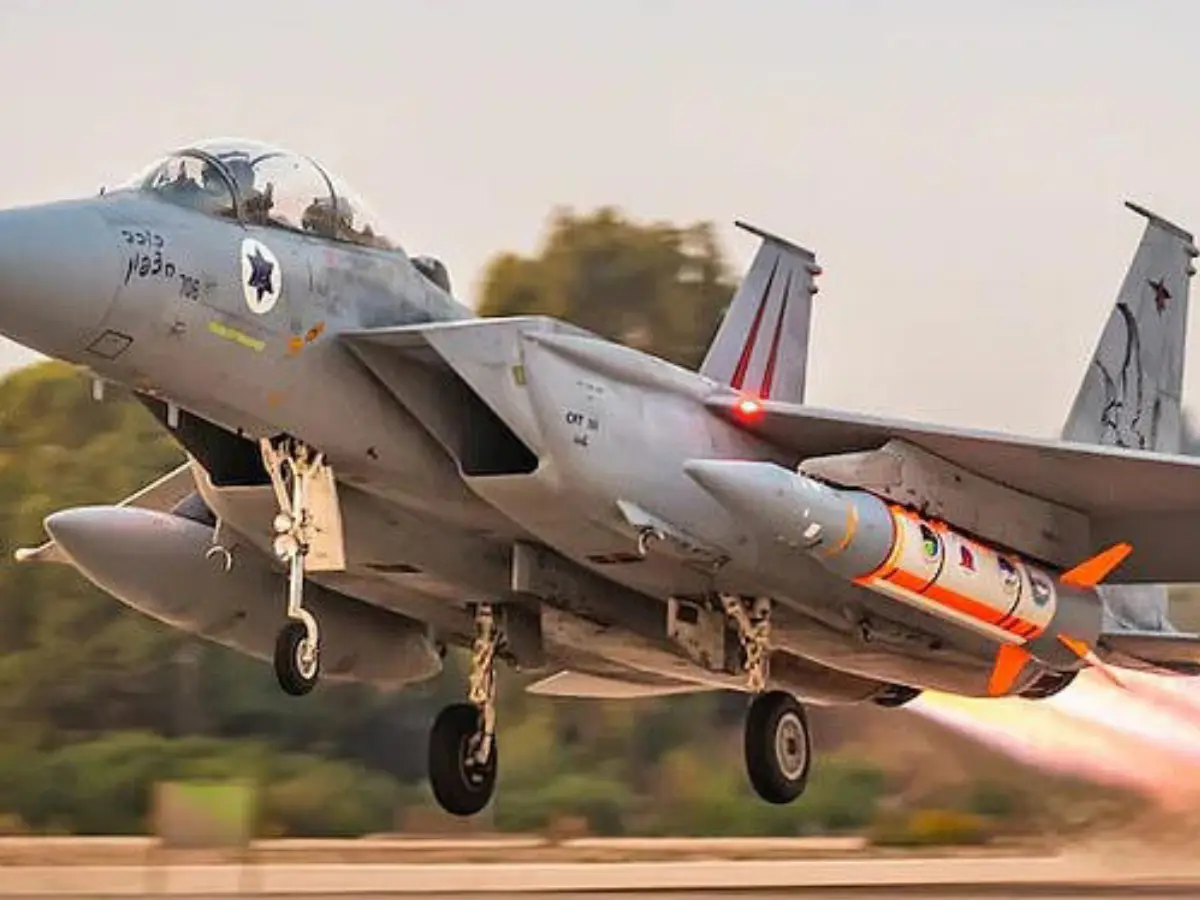
The geopolitical landscape shifted dramatically in March 2026 with two critical developments affecting cross-border e-commerce sellers: the assassination of Iran's Supreme Leader Ayatollah Ali Khamenei and the Trump administration's military escalation against Iran, combined with stated interest in controlling Venezuelan resources. According to classified National Intelligence Council reports completed in mid-February 2026, large-scale US military operations against Iran are unlikely to achieve regime change, yet the ongoing bombing campaign has already created significant supply chain vulnerabilities. The military campaign, which began following Khamenei's assassination, has resulted in 168+ civilian casualties and triggered Iranian retaliatory strikes against Israel and US installations across the Middle East.
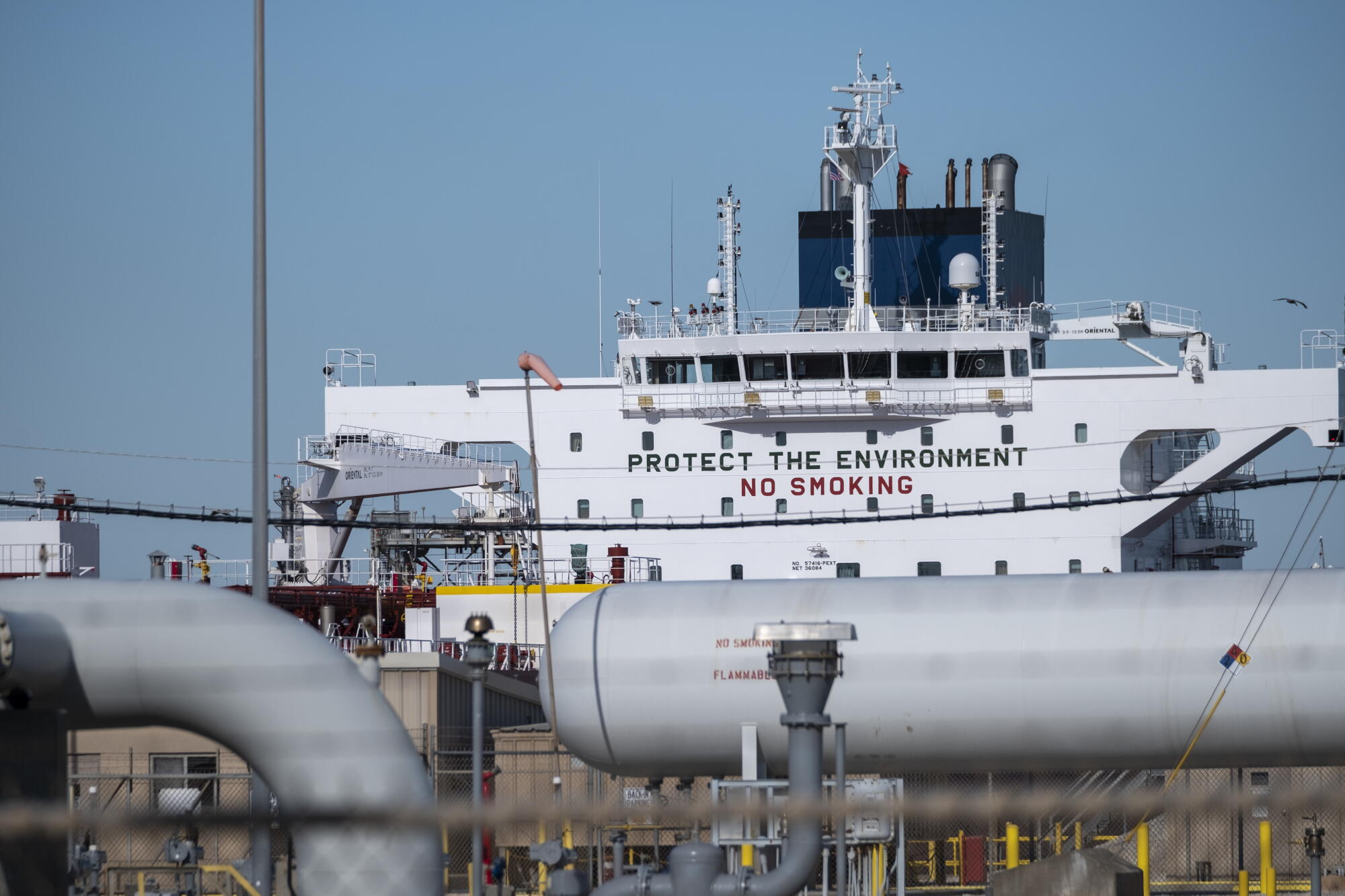
For cross-border sellers, this creates three immediate operational risks: First, shipping route disruption through the Indian Ocean and near Turkey threatens Asia-Europe trade corridors that handle 35-40% of global e-commerce logistics. Sellers shipping electronics, textiles, and consumer goods from China/Vietnam to EU markets face potential 2-4 week delays and 8-15% cost increases for alternative routing. Second, Middle Eastern market access complications emerge as payment processing, currency fluctuations, and sanctions compliance become increasingly complex. Sellers with existing Iran-related supply chains or customers in the region must immediately audit compliance exposure. Third, Venezuela sanctions escalation presents emerging risk. The Trump administration's stated interest in Venezuelan oil, minerals, and gold—combined with historical patterns of resource-driven interventions (paralleling the 1953 Iran coup and 1948 Venezuela's 50-50 profit-sharing precedent)—suggests potential sanctions expansion that could disrupt sourcing of specialty metals, minerals, and agricultural products from Latin America.
The intelligence assessment's conclusion that regime change is "unlikely" paradoxically increases seller risk. Prolonged military engagement without political resolution typically extends supply chain disruption longer than rapid regime transitions. Iran's clerical and military structures maintain succession protocols ensuring government continuity, meaning sanctions and military operations will persist indefinitely rather than resolving through political change. For sellers sourcing from or shipping through the Middle East, this signals a 12-24 month minimum disruption window. Additionally, the depletion of US weapon stockpiles noted by Democratic senators suggests continued military operations will strain global logistics capacity, as defense contractors compete for shipping resources and transportation costs remain elevated across all sectors.
Questions 7
When should I update my compliance procedures for geopolitical risk?
**Immediate action required by March 31, 2026.** Update your compliance procedures to include: (1) Monthly OFAC SDN list screening for customers and suppliers; (2) Geopolitical risk assessment for all sourcing countries; (3) Shipping route monitoring for Middle East disruptions; (4) Currency hedging for Middle East market exposure. The intelligence assessment indicates prolonged military engagement, making this a 12-24 month compliance priority, not a temporary issue. Sellers should also review insurance policies for supply chain disruption coverage and consider increasing inventory buffers by 20-30% for critical components. Failure to update procedures by Q2 2026 risks account suspension and federal penalties if sanctions violations occur.
How will weapon stockpile depletion affect shipping costs?
Democratic senators report rapidly depleting US weapon stockpiles due to intensive missile and advanced weapons usage in the Iran campaign. This creates two shipping cost pressures: (1) **Defense contractor competition** for logistics capacity drives up freight rates across all sectors by 5-12% as military shipments compete for container space; (2) **Port congestion** increases as military operations require dedicated shipping infrastructure. Historical precedent from 2022 Ukraine conflict showed 15-20% shipping cost increases during peak military operations. Sellers should lock in shipping rates by April 2026 before further escalation. Consider consolidating shipments and using slower transit options (30-45 days vs. 14-21 days) to reduce costs by 8-10% during this period.