



Air Freight Crisis: Gulf Airspace Closures Drive 15-25% Shipping Cost Surge for E-Commerce Sellers
- Brent crude surges to $90/barrel; Emirates/Etihad capacity cuts 40-60%; alternative routes add 8-12 hours flight time and $0.50-1.20/kg air freight premiums













Overview
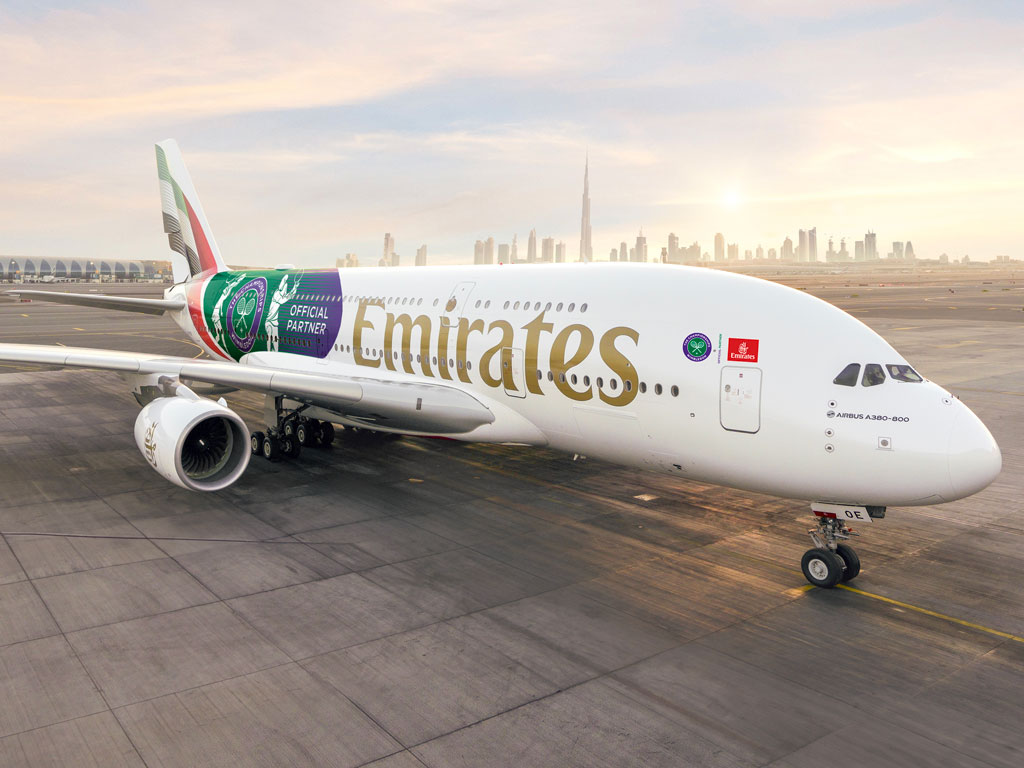
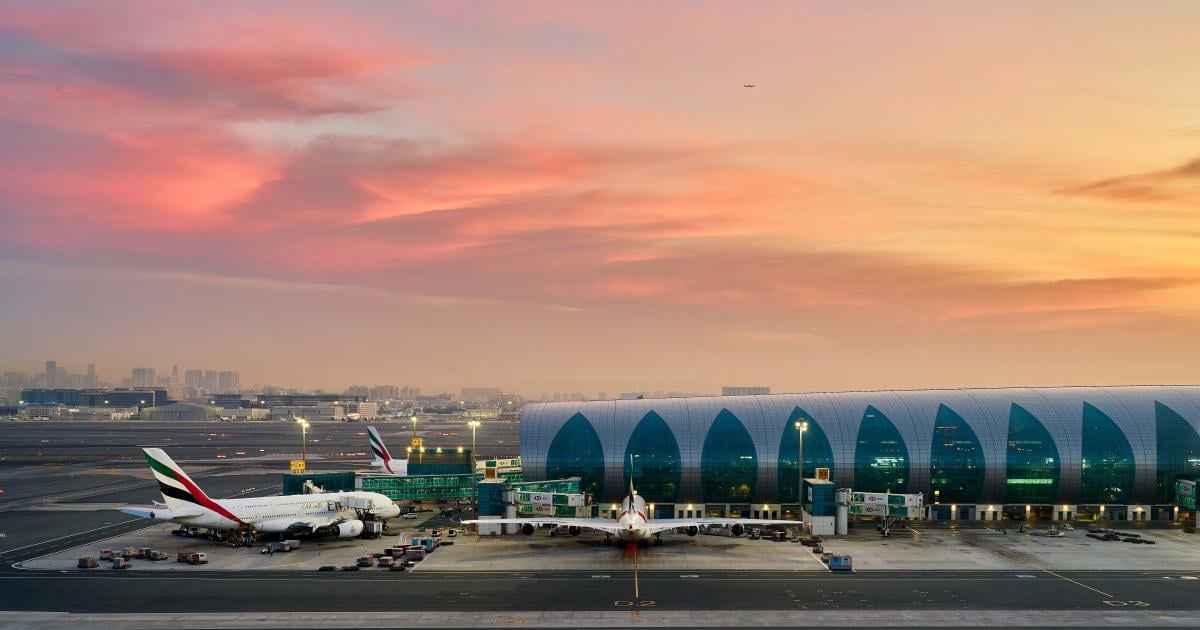
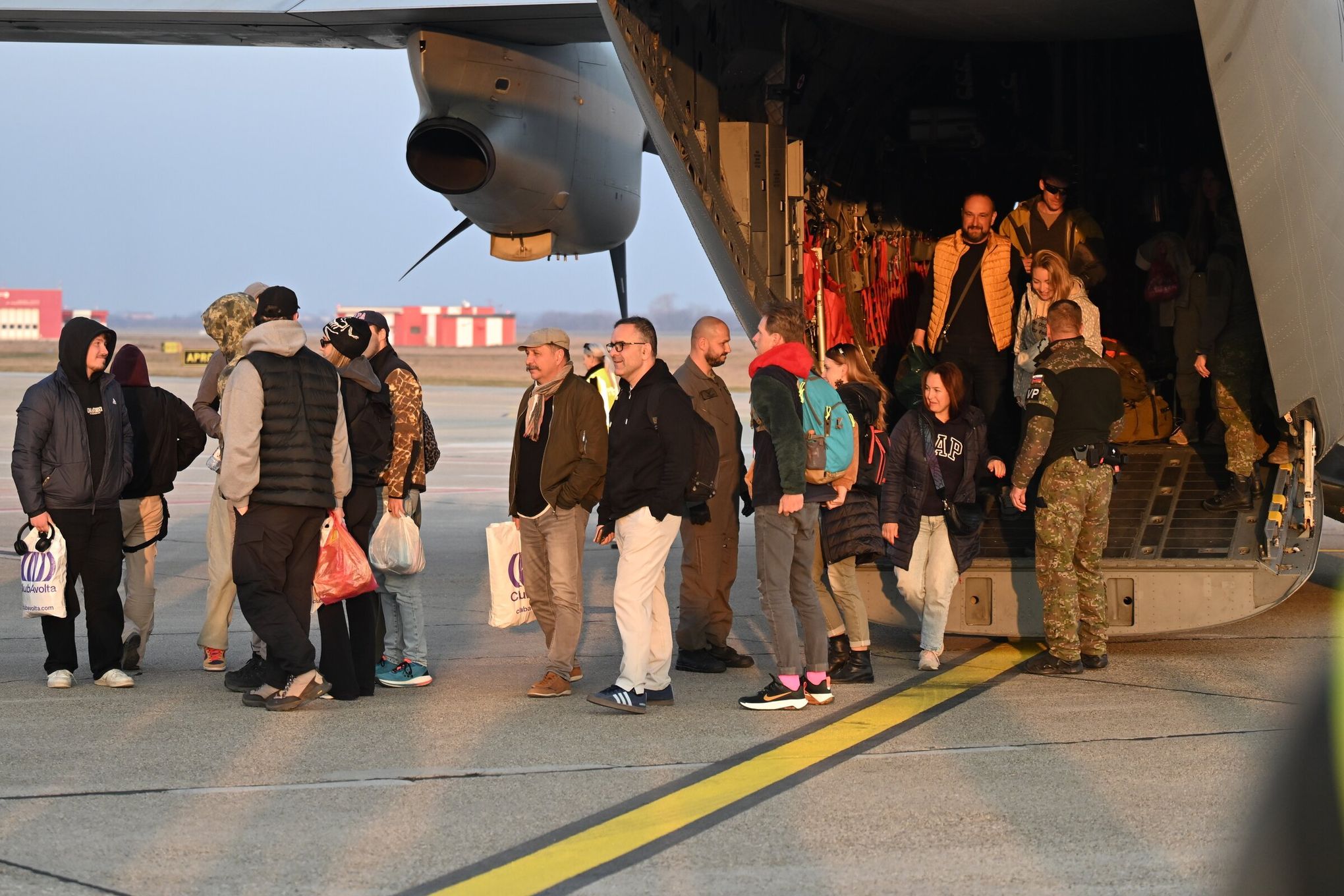
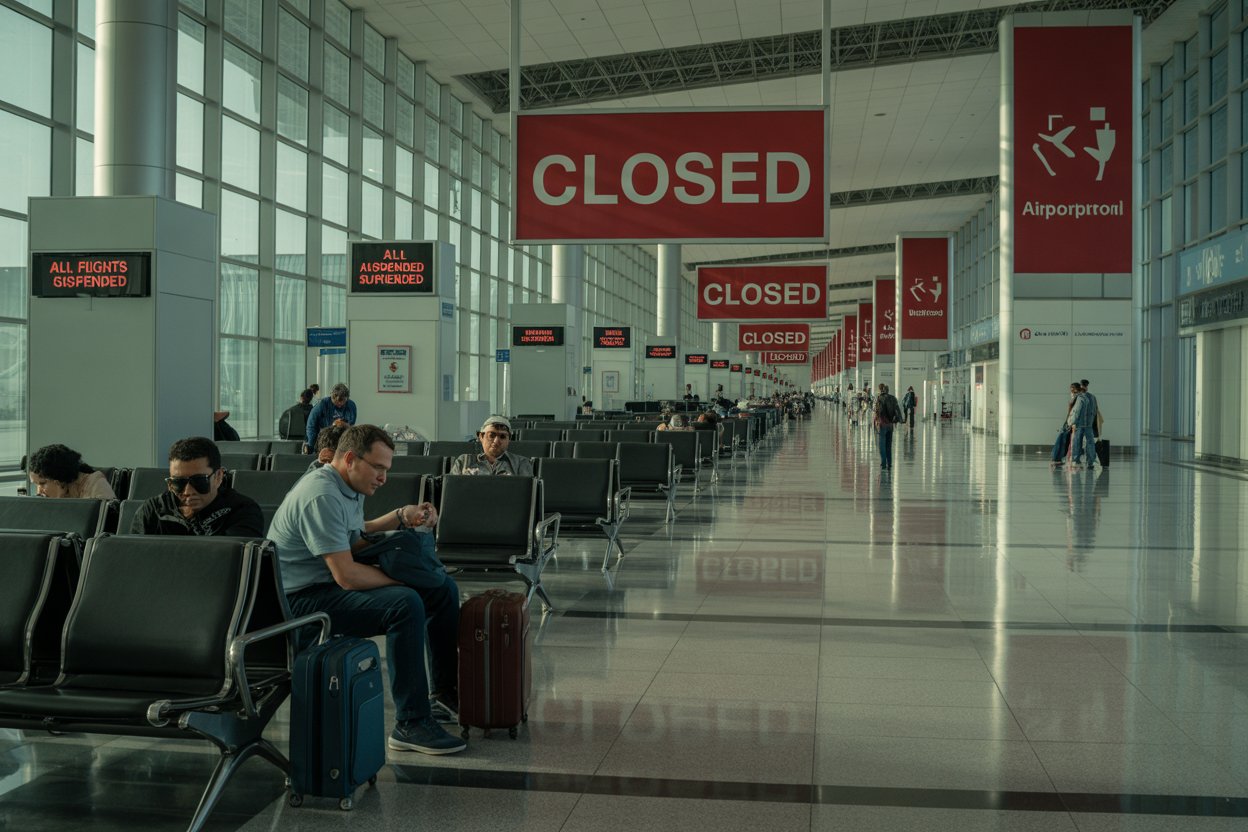
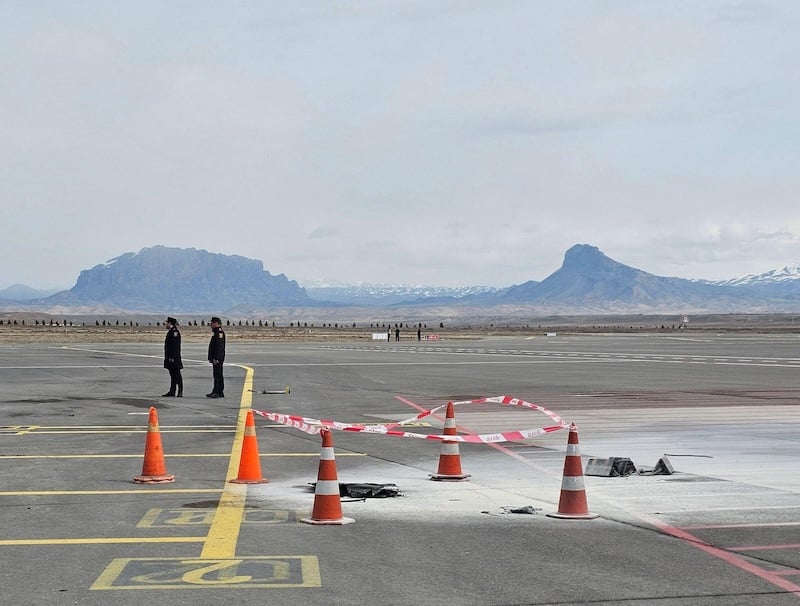
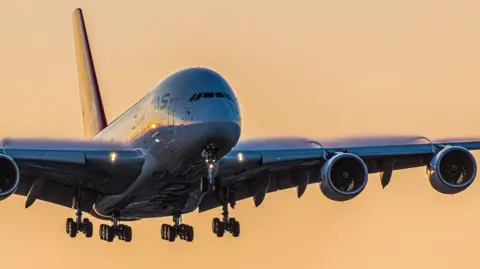
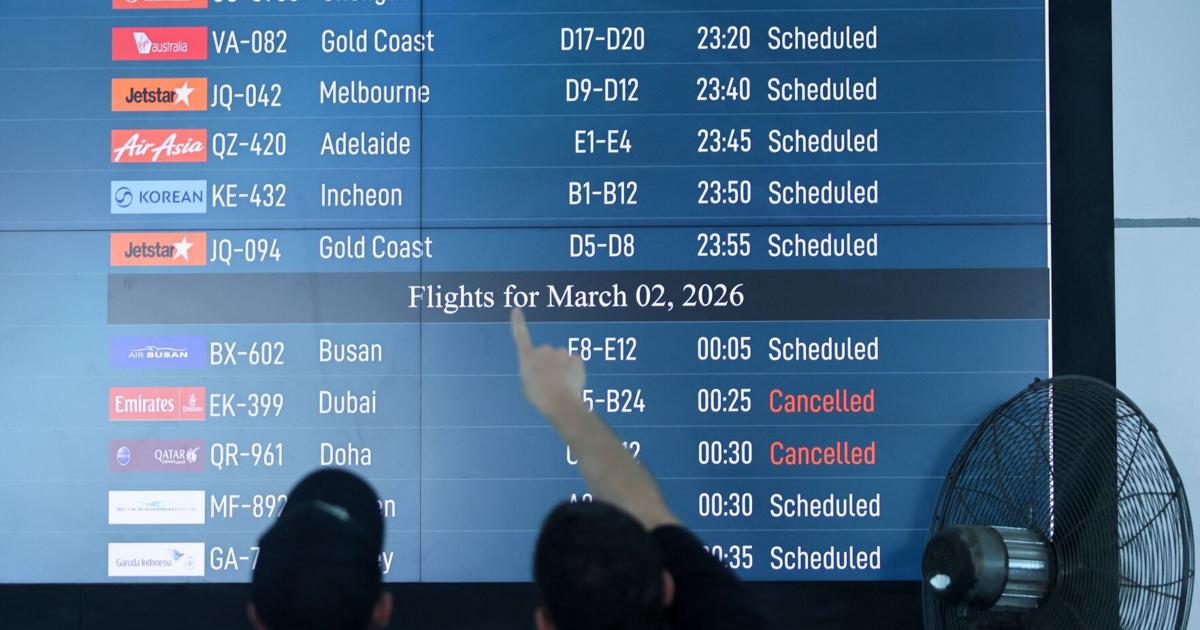
The Gulf airspace closure following US-Israeli military operations against Iran represents the most significant disruption to global e-commerce logistics since the 2022 Russia-Ukraine conflict. The three major Gulf aviation hubs—Emirates (Dubai), Etihad (Abu Dhabi), and Qatar Airways (Doha)—handle nearly 300,000 passengers daily with 66% in transit connections, but airspace closures over Iran, Iraq, southern Azerbaijan, and the Strait of Hormuz have forced airlines to implement costly detours. Brent crude surged from $72.50 to $90+ per barrel, directly impacting air freight costs. For cross-border e-commerce sellers, this creates an immediate 15-25% cost increase on time-sensitive shipments to Europe and Asia.
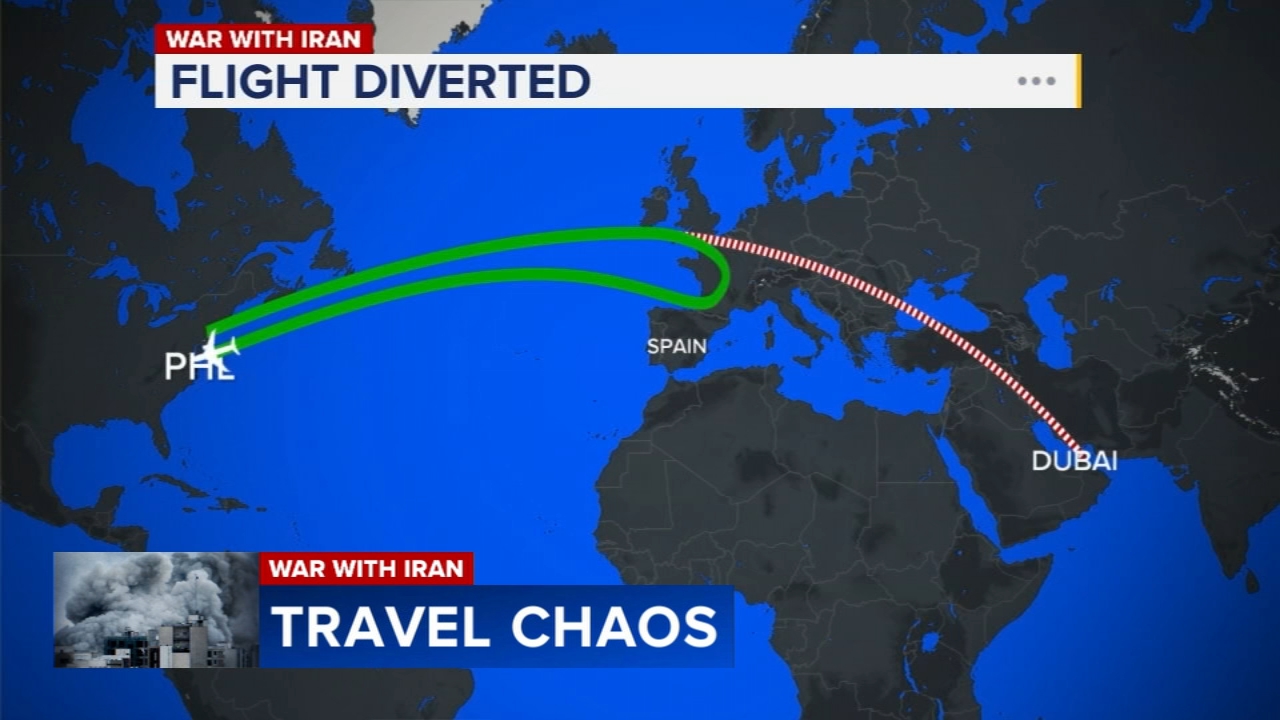
Immediate Air Freight Impact for Sellers: Airlines have reduced Gulf hub capacity by 40-60%, forcing traffic north via Caucasus/Afghanistan or south via Egypt/Saudi Arabia—both routes add 8-12 hours of flight time and increase fuel consumption by 18-22%. Qantas has already implemented Singapore refueling stops on Perth-London routes. Air freight rates from Asia to Europe/US are rising $0.50-1.20/kg above normal levels ($3.50-4.50/kg baseline), with peak congestion during Europe-Asia afternoon/evening schedules and Asia-Europe early morning departures. Sellers shipping high-value electronics, fashion, and time-sensitive goods face delivery delays of 3-7 days and margin compression of 8-12% on air shipments. The disruption directly affects e-commerce supply chains: extended flight times increase carrying costs, inventory holding expenses, and risk of stockouts during peak seasons.
Strategic Sourcing & Inventory Repositioning: The closure of the Strait of Hormuz—responsible for 20% of global oil flows—signals prolonged fuel price elevation. Sellers should immediately shift 30-40% of air freight volume to ocean freight alternatives (15-20 day transit vs. 3-5 days air), accepting longer lead times but recovering 60-70% of cost increases. For high-velocity categories (electronics, apparel, beauty), consider pre-positioning inventory in Istanbul, Riyadh, or Southeast Asian hubs (Bangkok, Singapore) to bypass Gulf routing entirely. Wizz Air's $50 million profit warning and credit rating downgrades for unhedged carriers signal sustained cost pressure through Q2 2025. Sellers relying on air freight to Middle East markets face 11% visitor reduction and $34 billion spending loss (Oxford Economics), making regional sourcing from India, Thailand, and Vietnam more attractive for Gulf-destined inventory.
Warehouse & Fulfillment Strategy: Reposition 20-30% of inventory from Dubai/Abu Dhabi FBA centers to alternative hubs: Istanbul (Turkish Airlines capacity increasing), Riyadh (Saudi Arabia emerging as alternative hub), or Southeast Asia (Bangkok, Singapore). Ocean freight from Asia to Europe now costs $800-1,200/container (vs. $600-900 pre-conflict), but air freight premiums make ocean viable for non-urgent categories. For sellers with 1,000+ monthly units to Europe/Asia, negotiate 90-day payment terms with 3PL providers to absorb working capital impact of extended transit times. Monitor Qantas Project Sunrise acceleration—direct Sydney-London flights would create new routing options bypassing Gulf entirely by late 2025.
Questions 8
How much will air freight costs increase for sellers shipping Asia to Europe during Gulf airspace closure?
Air freight premiums are rising $0.50-1.20/kg above baseline rates ($3.50-4.50/kg), representing 15-25% cost increases for time-sensitive shipments. Extended flight times via alternative routes (Caucasus/Egypt/Saudi Arabia) add 8-12 hours and increase fuel consumption 18-22%. For a typical 500kg electronics shipment, this translates to $250-600 additional cost. Sellers should expect 3-7 day delivery delays and margin compression of 8-12% on air shipments through Q2 2025, depending on route and carrier hedging status.
Should sellers switch from air freight to ocean freight during this crisis?
Yes, for non-urgent categories. Ocean freight costs $800-1,200/container (vs. $600-900 pre-conflict), but air freight premiums now make ocean economically viable for 15-20 day transit shipments. Sellers should shift 30-40% of air volume to ocean, accepting longer lead times but recovering 60-70% of cost increases. For high-velocity categories (electronics, apparel, beauty), maintain air freight but pre-position inventory in Istanbul, Riyadh, or Southeast Asia to bypass Gulf routing. This strategy works best for sellers with 1,000+ monthly units and flexible delivery windows.