


PA Fuel Price Gouging Probe 2026 | Critical Logistics Cost Impact for E-Commerce Sellers
- Sudden fuel surcharges threaten 8-12% margin compression for sellers shipping to Lehigh Valley and Pennsylvania regions; regulatory investigation may establish precedent for fuel surcharge transparency and cost predictability



















Overview
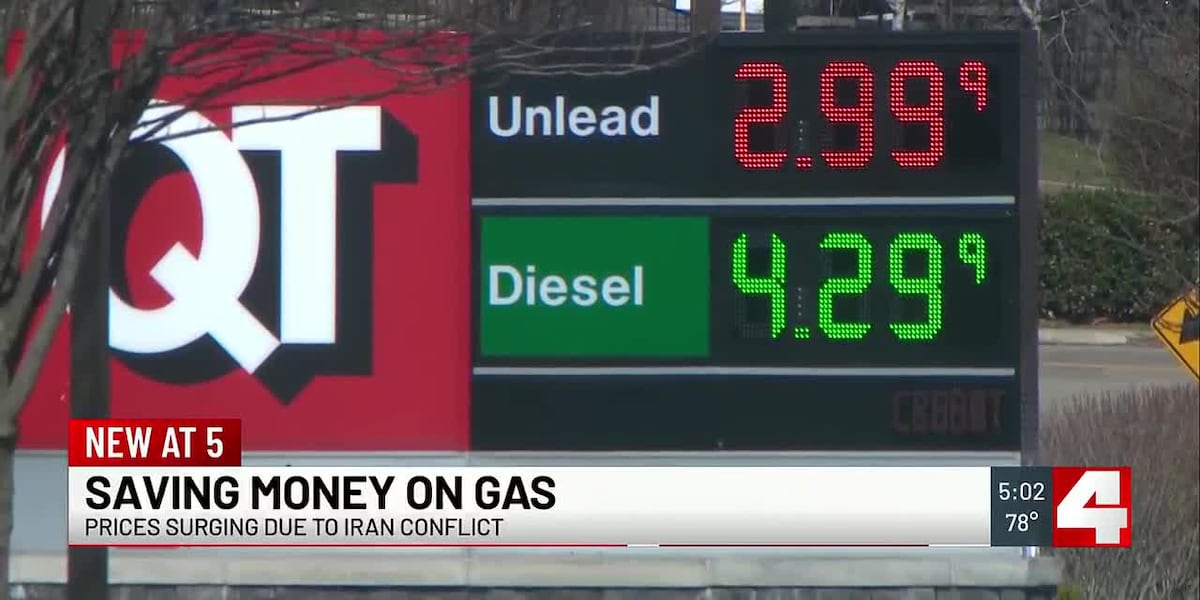
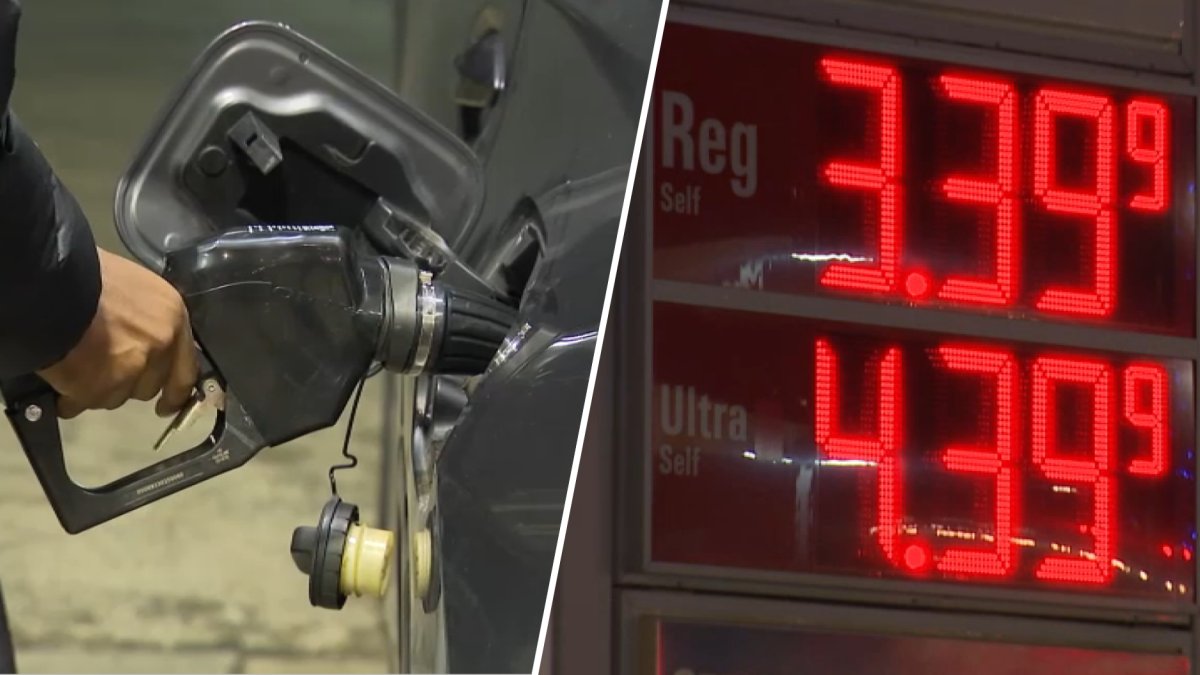
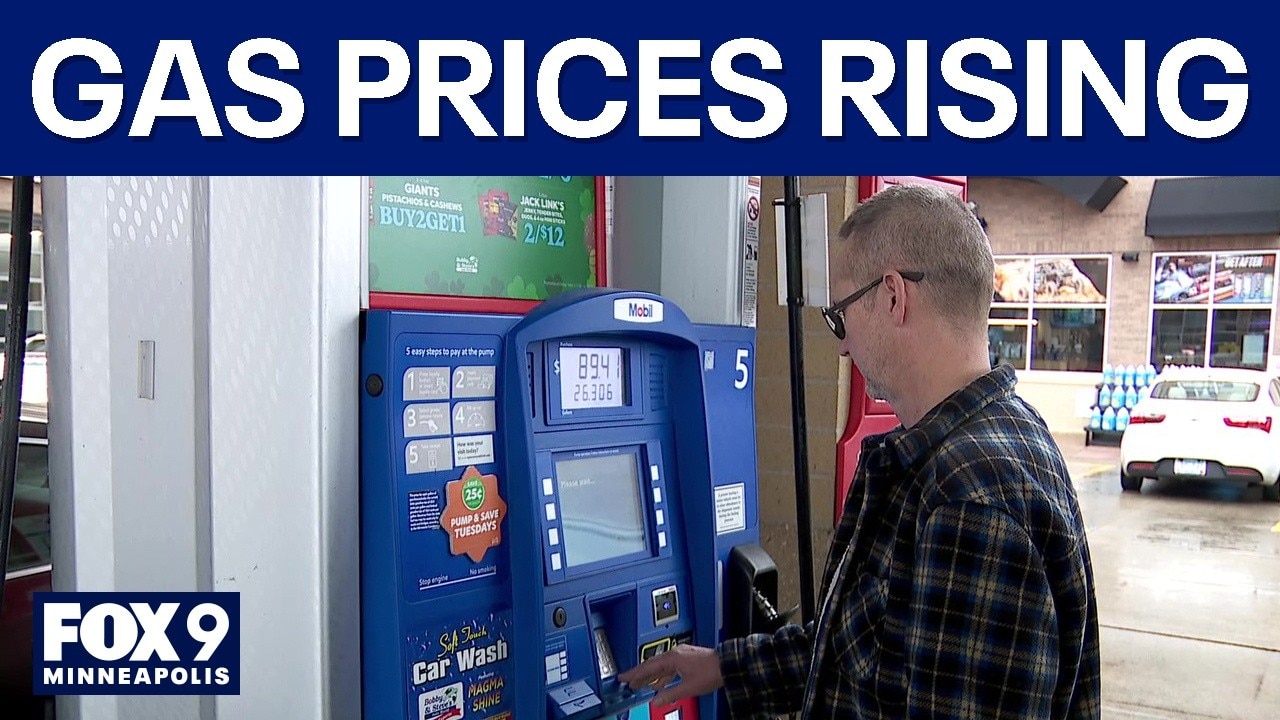
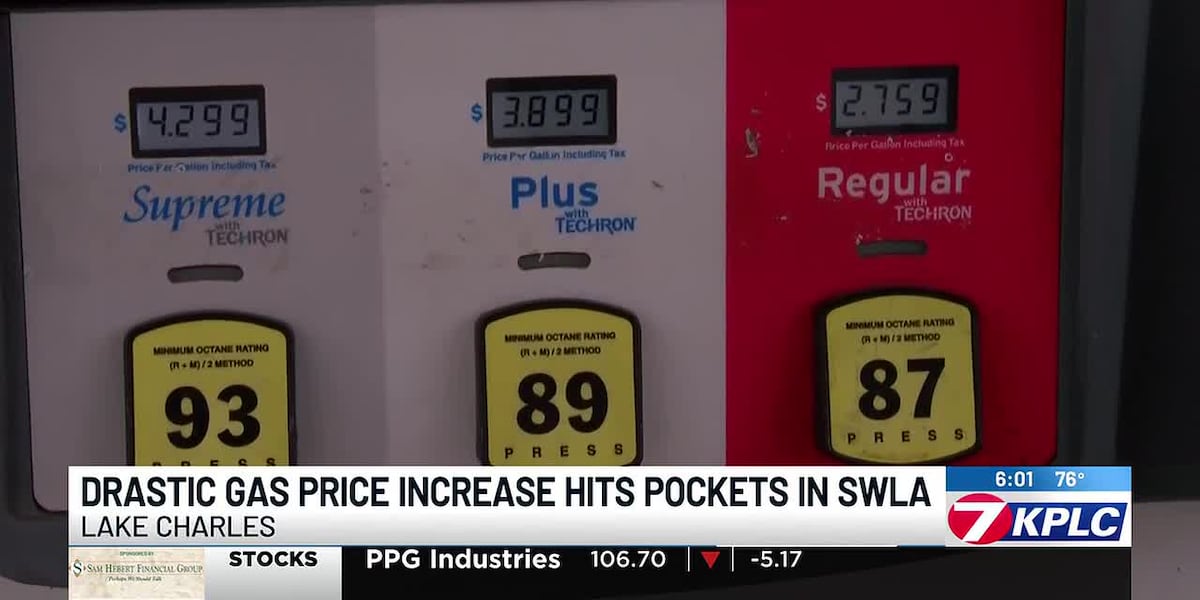
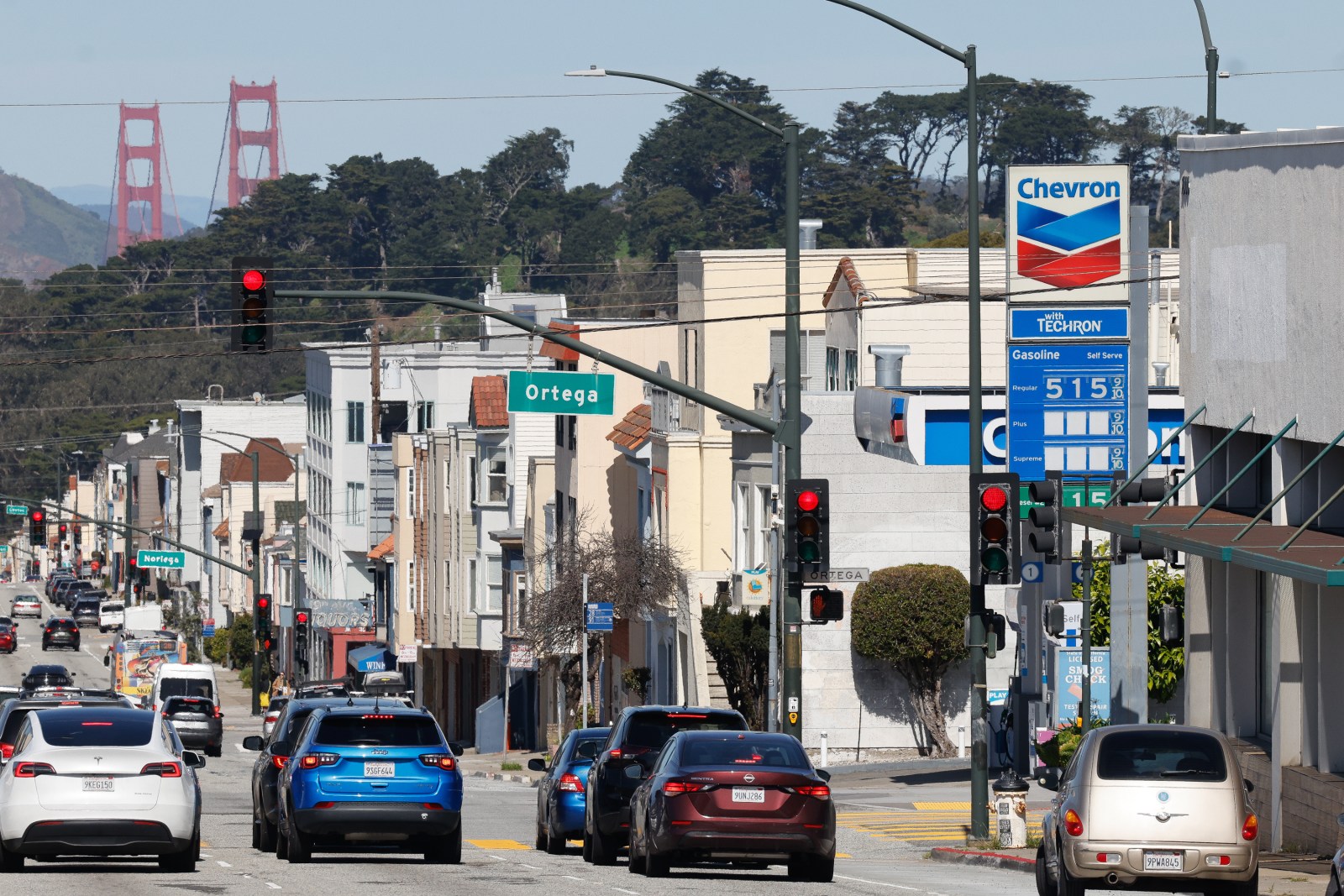
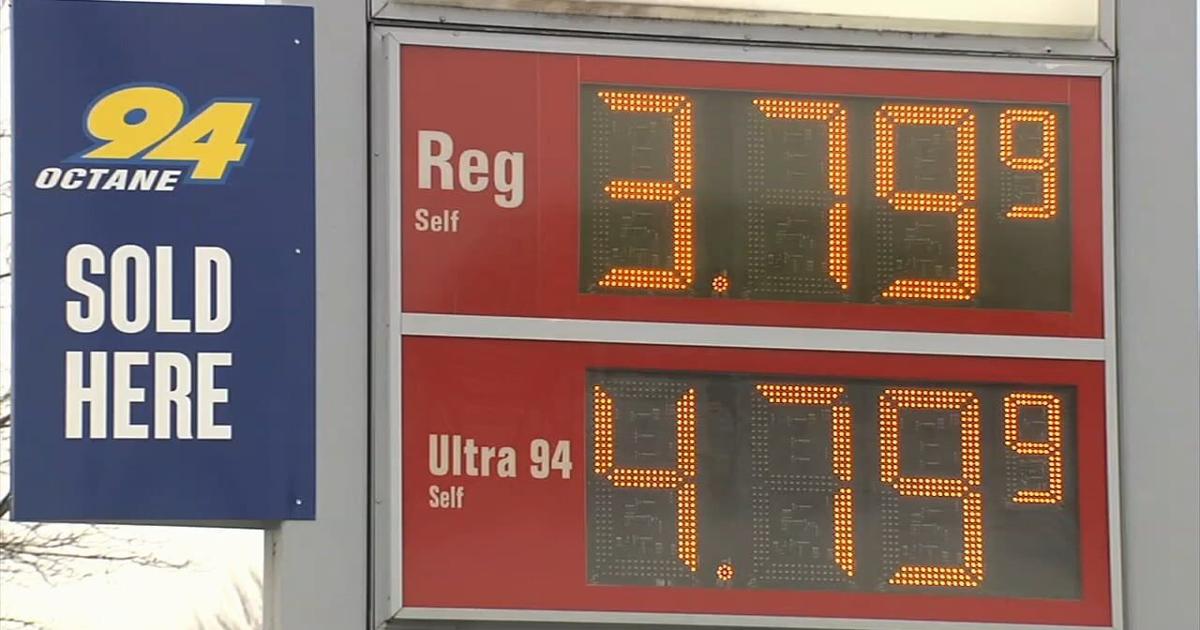
Pennsylvania lawmakers initiated a formal price gouging investigation on March 6, 2026, following overnight gasoline price spikes across the Lehigh Valley and broader state regions, directly impacting e-commerce logistics costs and supply chain economics. The investigation, driven by legislative frustration expressed through the phrase "Enough is enough," reflects growing state-level scrutiny of sudden commodity price increases—a trend that will reshape how sellers budget transportation expenses and manage fulfillment operations.
For cross-border e-commerce sellers, this development creates immediate operational challenges. Rising fuel costs directly increase last-mile delivery expenses, warehouse operations, and regional inventory distribution costs. Sellers relying on Pennsylvania-based 3PL providers and regional logistics networks face potential fuel surcharges ranging from 5-15% on transportation bills, compressing profit margins by 8-12% for high-volume sellers shipping 1,000+ units monthly to the region. Amazon FBA sellers with fulfillment centers in Pennsylvania (including the Lehigh Valley distribution hub) will experience increased storage and handling costs, while eBay and Shopify sellers using regional carriers like UPS and FedEx will see surcharge adjustments reflected in shipping rate cards.
The regulatory investigation creates a critical timing window for seller strategy adjustments. If Pennsylvania lawmakers establish fuel surcharge transparency requirements or price caps, logistics providers will be forced to restructure their pricing models, potentially creating 30-60 day transition periods where rates remain volatile. Sellers should immediately audit their logistics cost structure: identify which shipments originate from or transit through Pennsylvania, calculate current fuel surcharge percentages, and model worst-case scenarios where fuel costs increase an additional 10-15%. This investigation aligns with similar price gouging probes in other states (California, New York, Texas), suggesting a broader regulatory trend toward commodity price oversight that could spread to additional regions by Q3 2026.
Strategic implications extend beyond immediate cost management. The investigation signals that state governments increasingly view sudden fuel price increases as consumer protection issues, not market-driven adjustments. This precedent may lead to mandatory fuel surcharge disclosure requirements, price increase notification periods, or even temporary price caps—all of which would benefit sellers by reducing logistics cost unpredictability. However, compliance complexity will increase: sellers may need to track fuel surcharge policies by state, adjust pricing strategies for region-specific logistics costs, and maintain documentation of fuel-related cost increases for potential regulatory inquiries. The outcome will likely influence how Amazon, eBay, and Shopify handle seller fee adjustments and shipping cost pass-through policies in affected regions.
Questions 8
How does Pennsylvania's fuel price gouging investigation affect my shipping costs?
The March 2026 investigation directly impacts sellers shipping to or through Pennsylvania by creating fuel surcharge volatility. Sellers using regional 3PL providers or carriers with Pennsylvania operations face potential 5-15% fuel surcharge increases on transportation bills, compressing profit margins 8-12% for high-volume operations. The investigation may lead to regulatory requirements for fuel surcharge transparency, which could stabilize costs long-term but create 30-60 day transition periods of rate uncertainty. Monitor your logistics provider's fuel surcharge policies and request written confirmation of current rates before the investigation concludes.
What is the timeline for this investigation and when will it affect my costs?
The investigation was initiated March 6, 2026, with no published completion timeline. Regulatory investigations typically take 60-120 days, suggesting potential outcomes by June-August 2026. However, fuel surcharge impacts are immediate—sellers are already experiencing rate increases from logistics providers responding to market conditions. The investigation's outcome will likely influence how Amazon, eBay, and Shopify handle seller fee adjustments and shipping cost pass-through policies by Q3 2026. Sellers should prepare for two scenarios: (1) short-term (30-60 days) continued rate volatility, and (2) medium-term (90-180 days) potential regulatory changes requiring compliance adjustments. Monitor Pennsylvania legislative updates and your logistics provider communications weekly.