




Public Health Alert Reveals Critical Infectious Disease Monitoring Challenges
- Emerging viral transmission patterns expose gaps in regional health surveillance systems























Overview
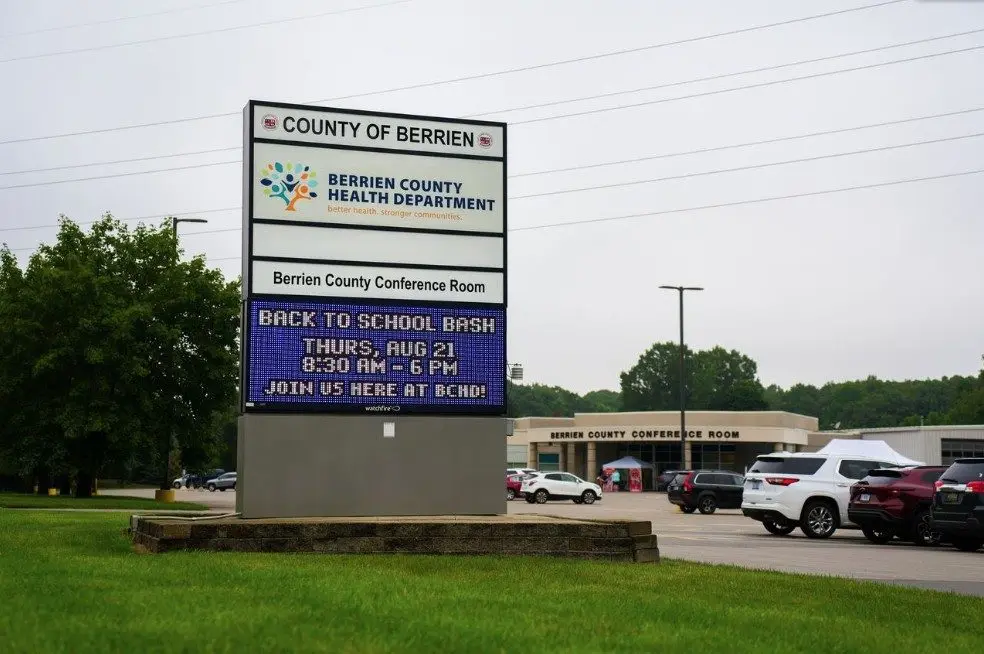
The simultaneous norovirus outbreaks in California and Illinois highlight critical vulnerabilities in regional infectious disease monitoring and public health response mechanisms. While the news summaries focus on transmission statistics in two distinct states, the broader implications reveal systemic challenges in rapid viral spread detection and containment.
Epidemiological Surveillance Gaps emerge as a key concern. The concurrent reports from California and Illinois suggest that current public health infrastructure may struggle to provide real-time, comprehensive tracking of highly contagious pathogens. This indicates a potential need for more integrated, cross-state communication and data-sharing protocols to enable faster response times.
Transmission Dynamics underscore the complexity of viral spread in modern interconnected environments. The rapid transmission across multiple states demonstrates how quickly infectious agents can move through population centers, challenging existing public health containment strategies. This points to an urgent need for more sophisticated predictive modeling and early warning systems that can anticipate and mitigate potential outbreak scenarios.
The strategic implications extend beyond immediate health concerns. These outbreaks reveal critical weaknesses in current epidemiological monitoring frameworks, suggesting significant investment opportunities in health technology, data integration platforms, and advanced viral tracking systems. Organizations and policymakers must prioritize developing more agile, interconnected health surveillance infrastructure to effectively respond to emerging infectious threats.
Questions 3
What are the key challenges in tracking viral spread across multiple states?
Major challenges include fragmented data systems, lack of real-time communication between regional health departments, and insufficient predictive modeling capabilities that can anticipate and track rapid viral transmission.
What technological solutions could improve infectious disease monitoring?
Advanced data integration platforms, AI-powered predictive modeling, real-time geospatial tracking systems, and enhanced inter-state health communication protocols could significantly improve outbreak detection and response capabilities.