


Media's Political Tightrope: Jimmy Kimmel's Contract Reveals Network Resilience in Charged Landscape
- Disney's strategic commitment signals complex navigation of talent, viewership, and political tensions





























Overview
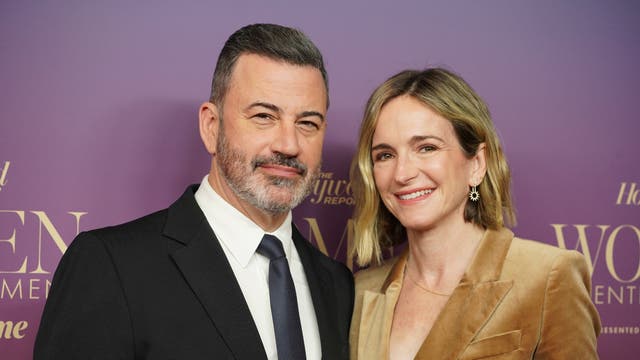
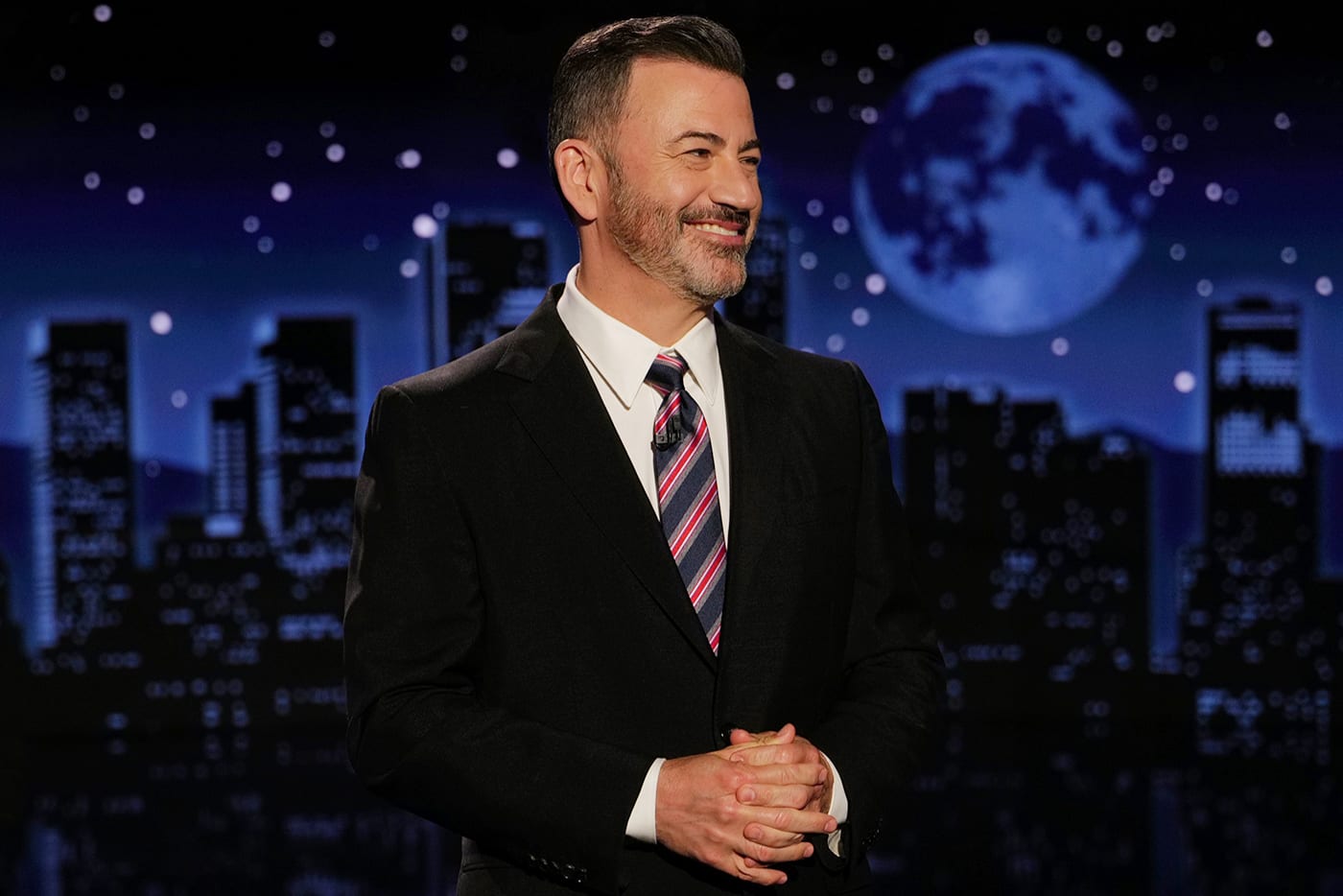
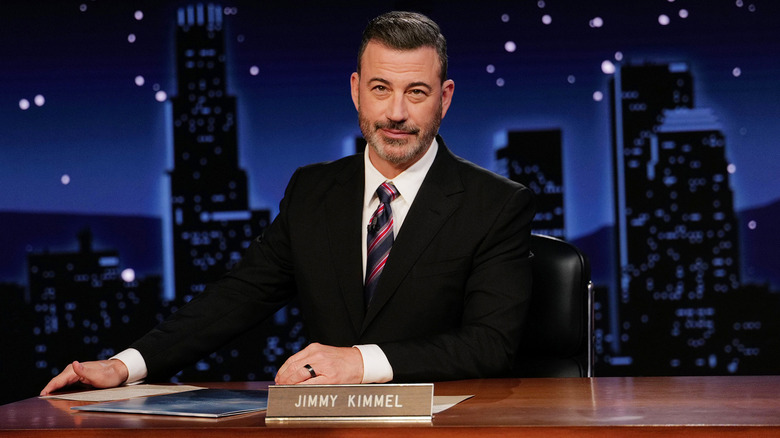
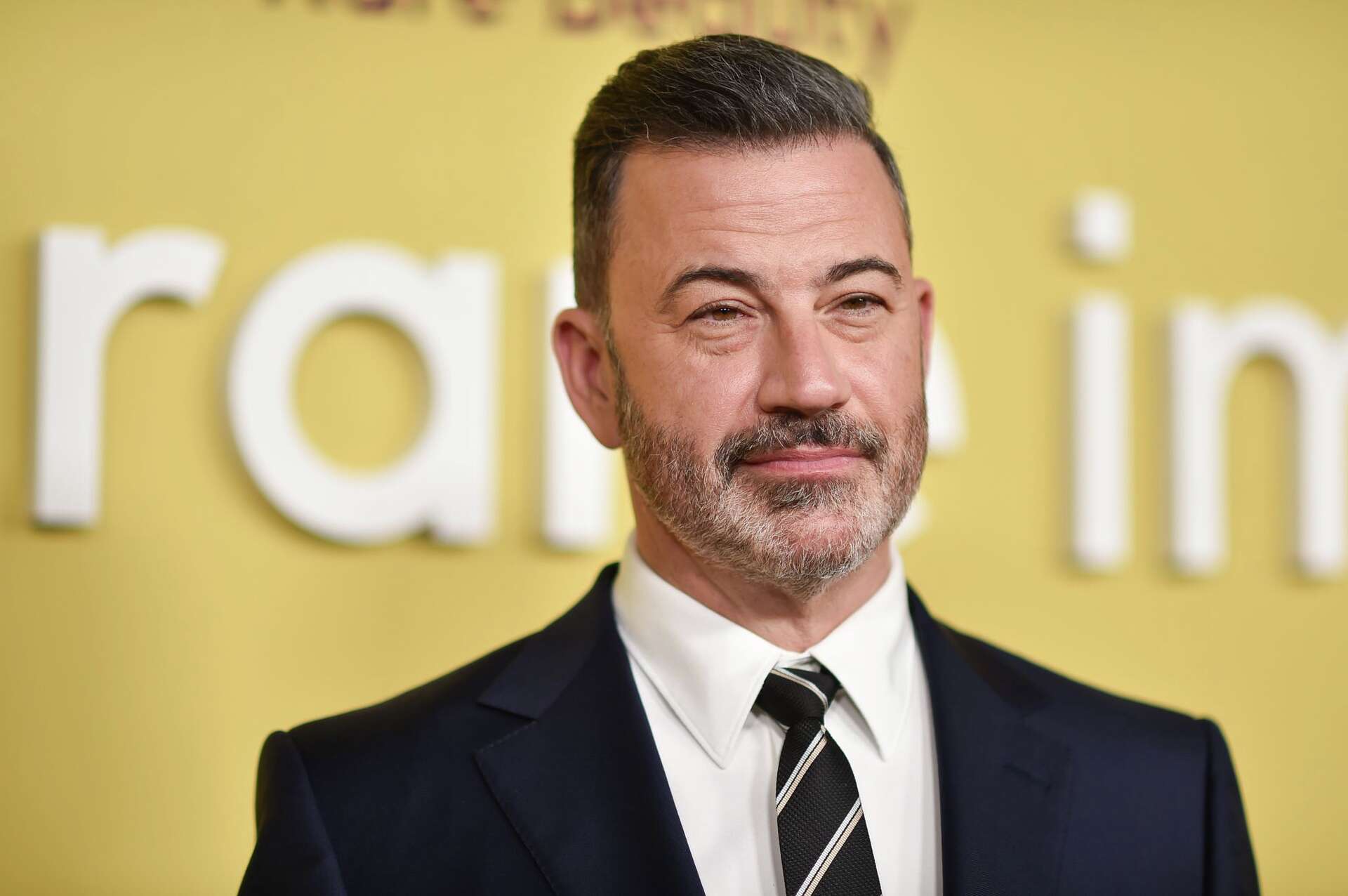
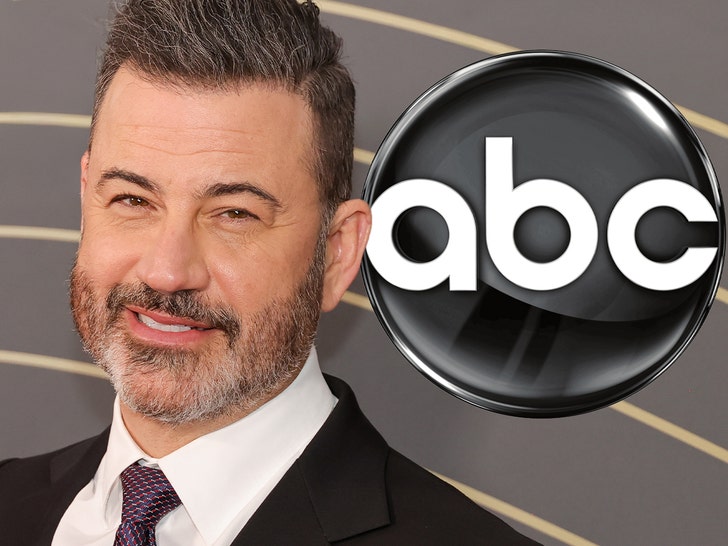
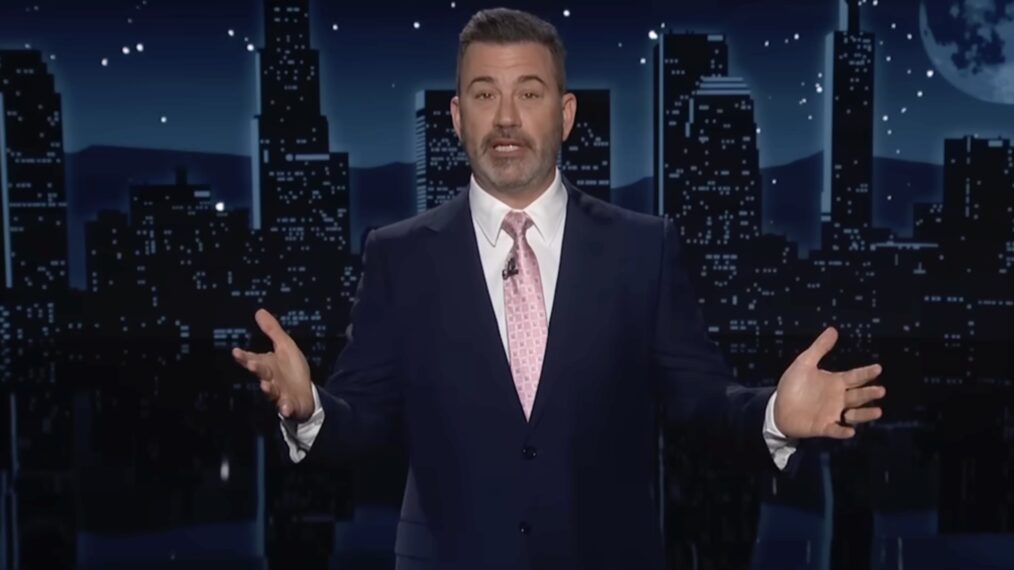
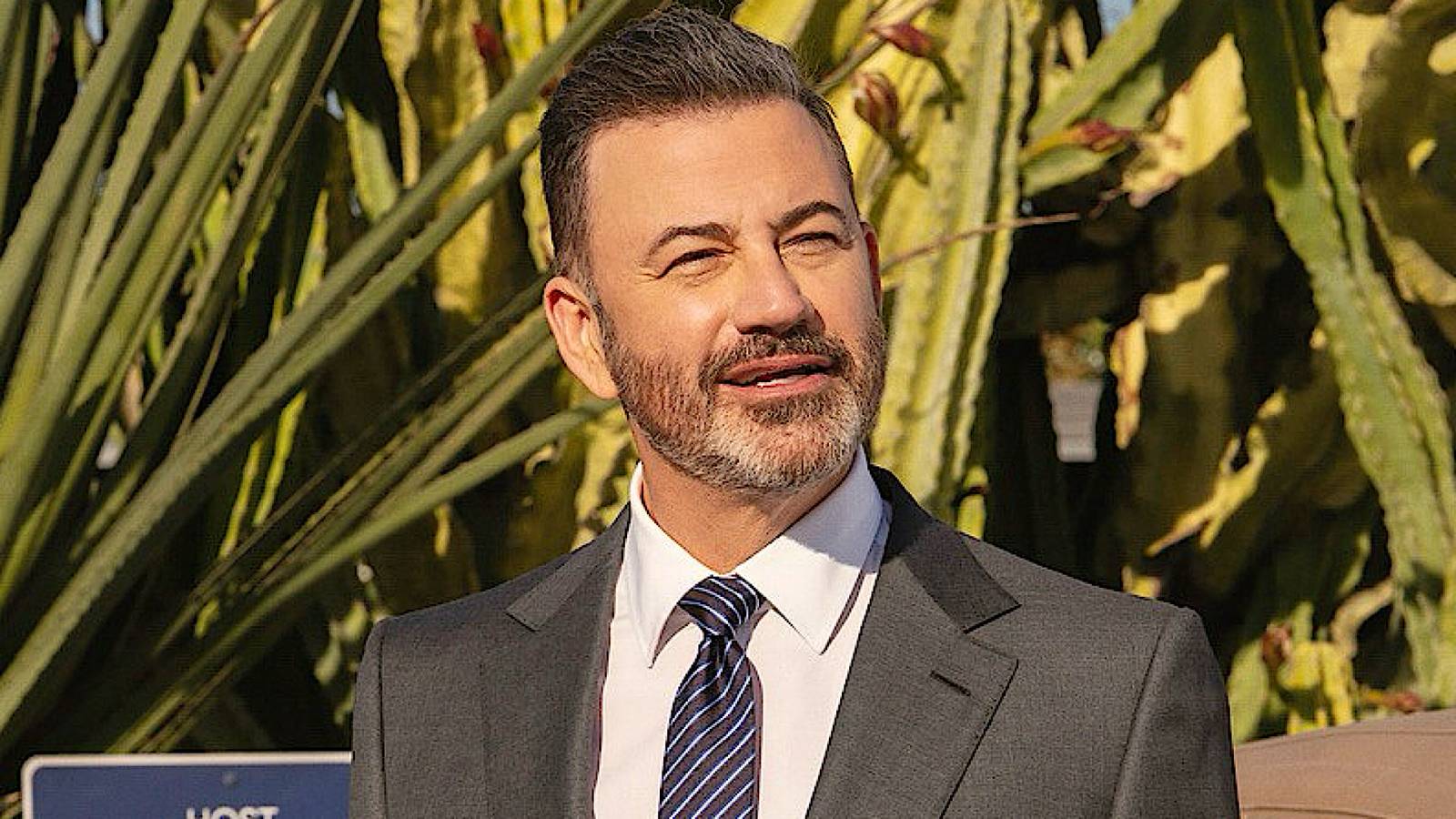
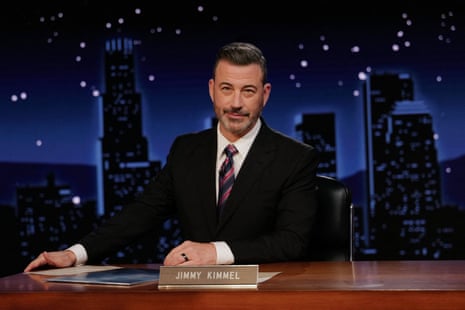
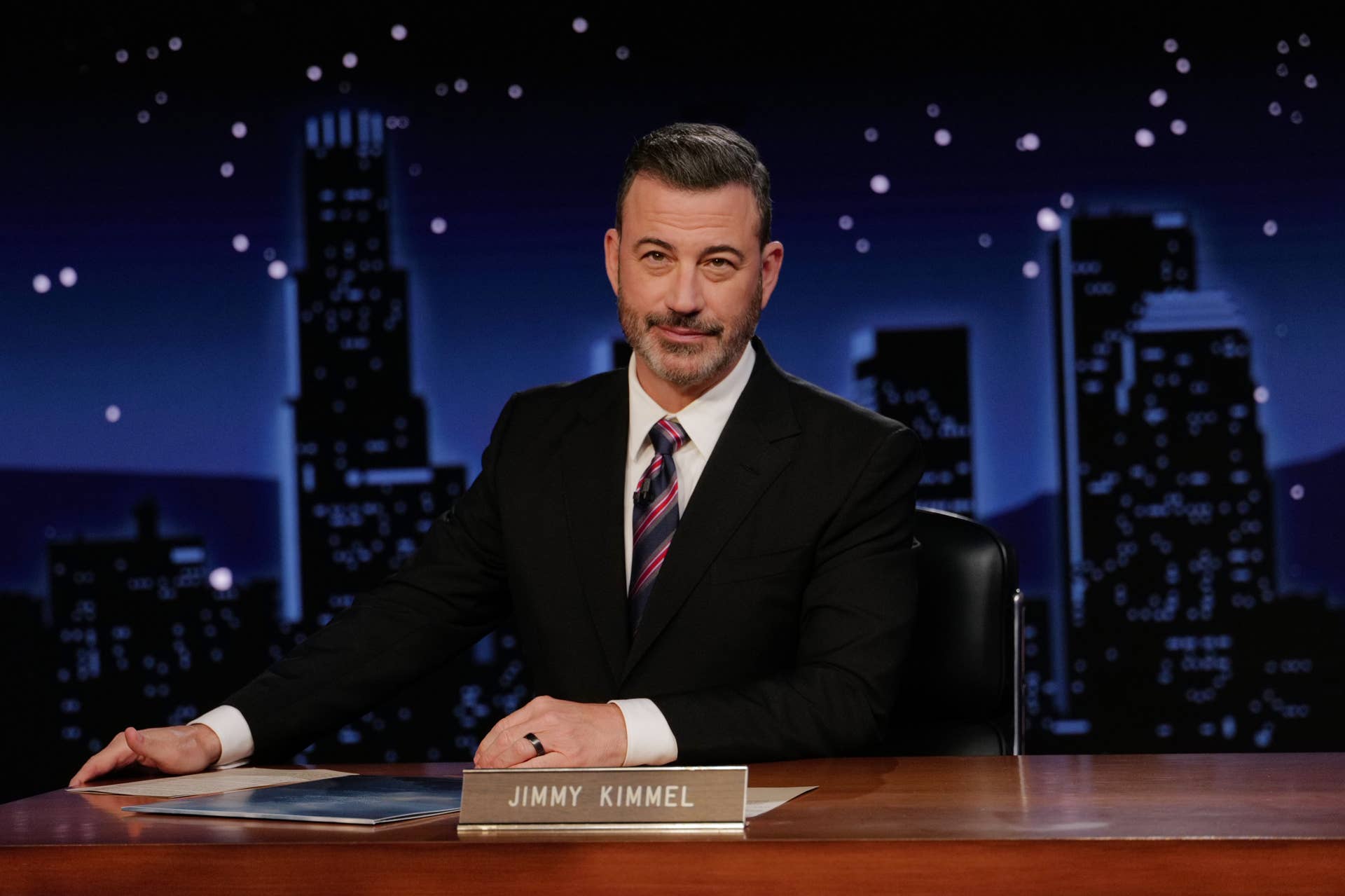
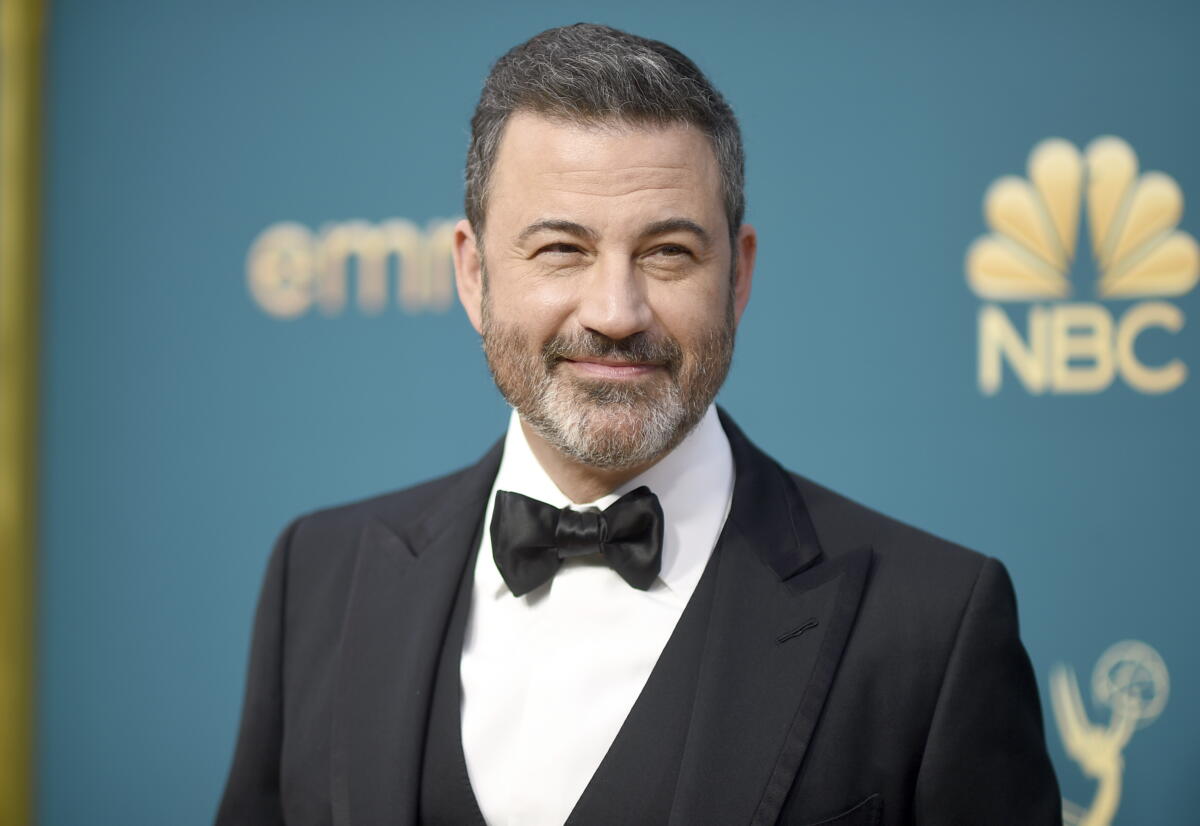
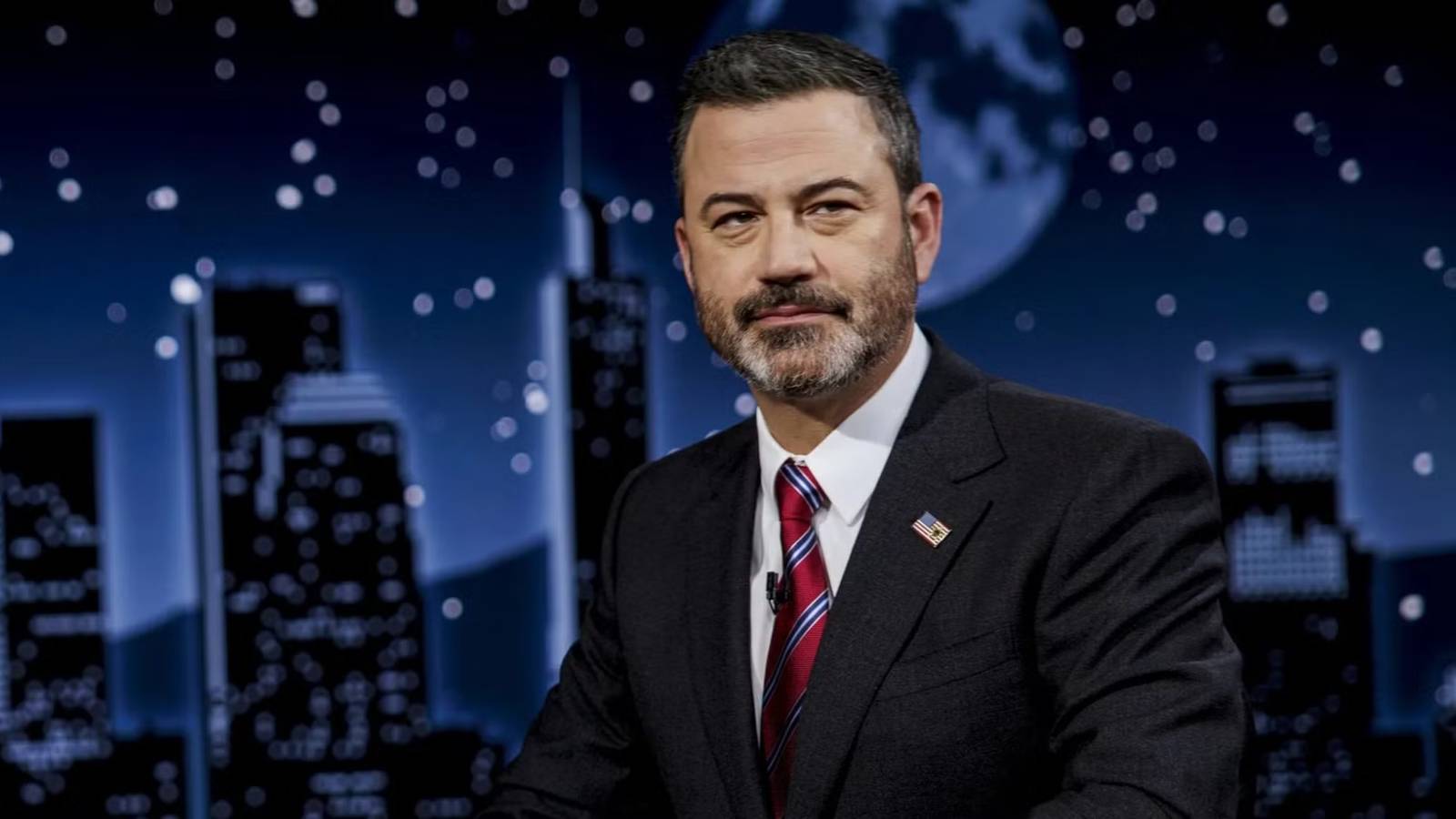
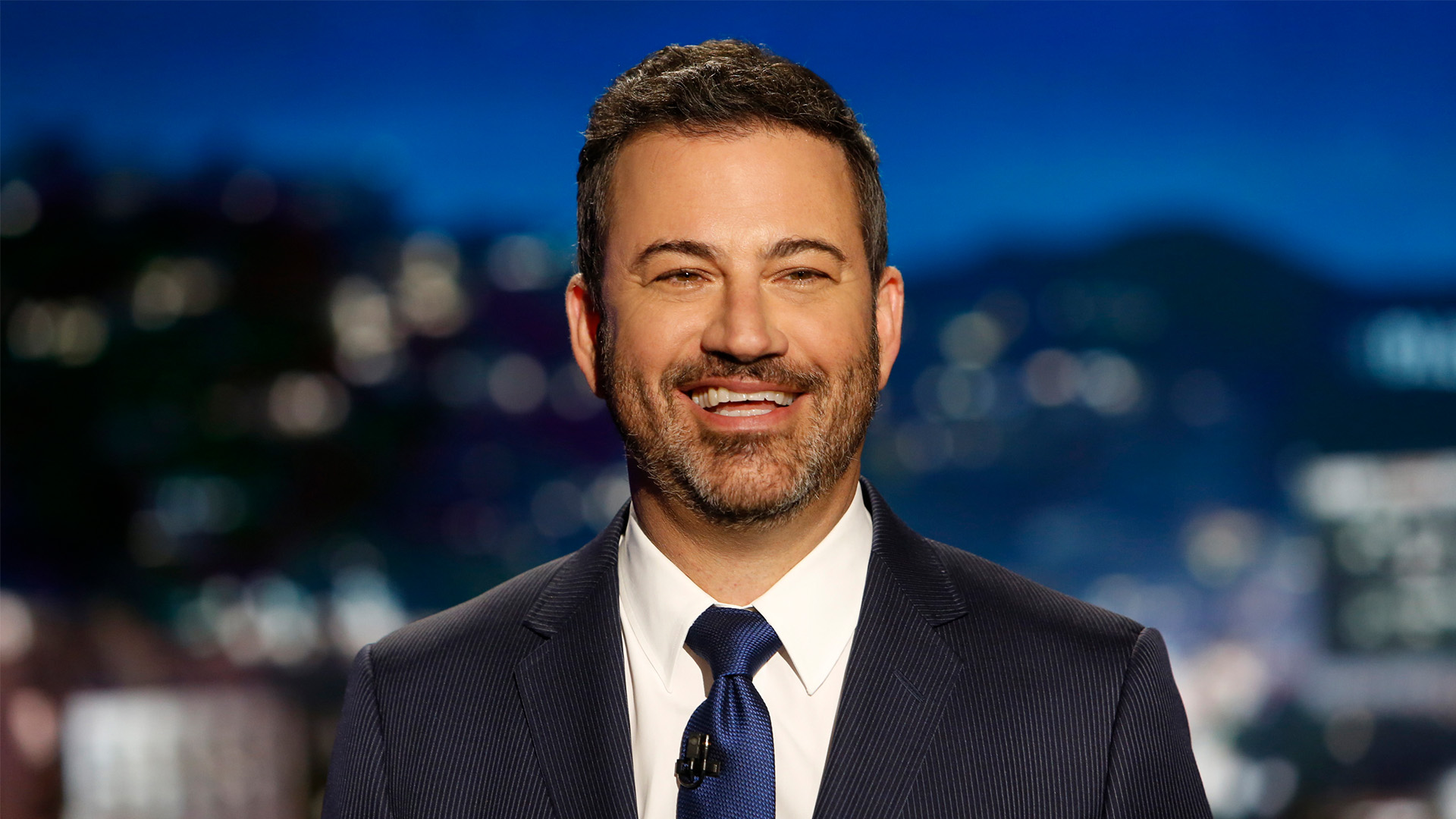
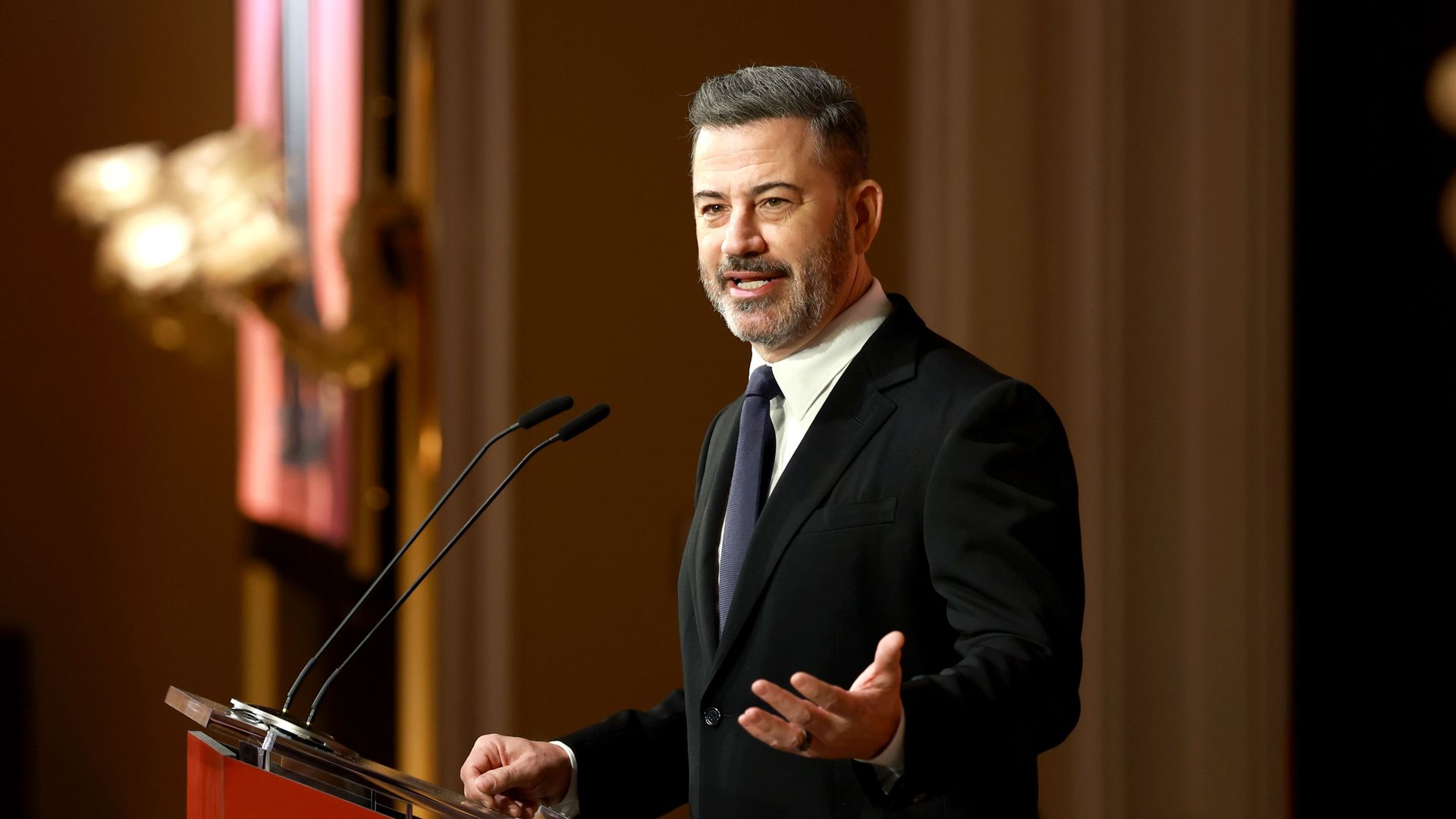
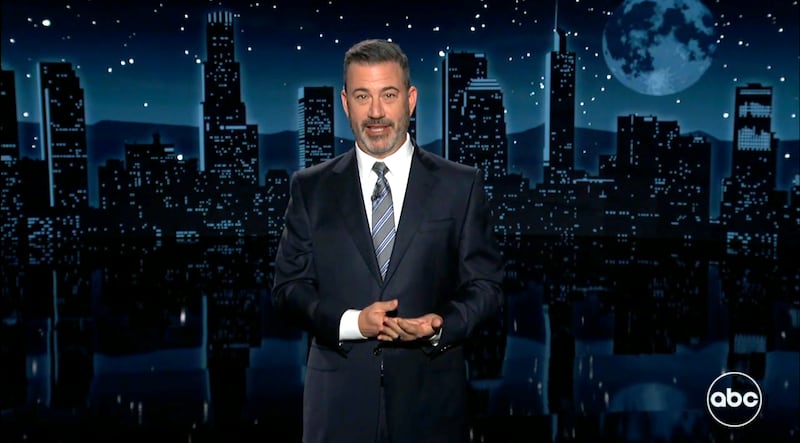
In the intricate world of media programming, Jimmy Kimmel's contract extension with ABC through May 2027 emerges as a pivotal case study of strategic resilience amid political turbulence. Despite facing a brief suspension following controversial comments and direct pressure from former President Trump, Disney has demonstrated a nuanced approach to talent management that goes far beyond a simple contract renewal.
The contract renewal represents more than a routine business decision—it's a calculated statement about media companies' ability to maintain programming integrity under external political pressures. Kimmel's extension comes against a backdrop of significant industry shifts, with CBS simultaneously canceling Stephen Colbert's show, another prominent late-night personality known for political commentary. This suggests a broader recalibration in how networks balance controversial talent, audience expectations, and political sensitivities.
The strategic implications are multilayered. By extending Kimmel's contract despite potential backlash, Disney signals a commitment to preserving creative voices and resisting direct political interference. The timing is particularly noteworthy—the contract was signed over the summer, before his temporary suspension, indicating a premeditated stance of support. This move reveals a sophisticated understanding that talent value extends beyond momentary controversies, and that maintaining a diverse, provocative media landscape requires principled decision-making.
Moreover, the renewal underscores the delicate equilibrium media companies must maintain. They must simultaneously support talent, preserve viewership, manage potential political tensions, and uphold their programming vision. Kimmel's extension is not just about one comedian, but about the broader ecosystem of media representation, free speech, and the evolving dynamics of political discourse in entertainment.
For media strategists and industry observers, this contract represents a critical inflection point—a moment where networks are actively defining their stance on talent, controversy, and creative expression in an increasingly polarized media environment.
Questions 3
How does Kimmel's contract extension impact the broader media landscape?
The contract signals a critical moment in media dynamics, showing networks are actively defining their stance on talent, controversy, and creative expression. It suggests media companies are becoming more sophisticated in balancing political sensitivities with maintaining diverse, provocative content.
What risks does Disney face with this contract extension?
Potential risks include alienating conservative audiences, facing continued political backlash, and potential advertiser hesitation. However, Disney seems to calculate that the long-term benefits of supporting diverse talent outweigh these short-term challenges.