



Middle East Conflict Escalation | Supply Chain Risk & Shipping Cost Surge for Cross-Border Sellers
- Persian Gulf shipping disruptions threaten 15-25% cost increases for sellers routing through Suez Canal; geopolitical volatility creates 60-90 day inventory planning uncertainty










Overview
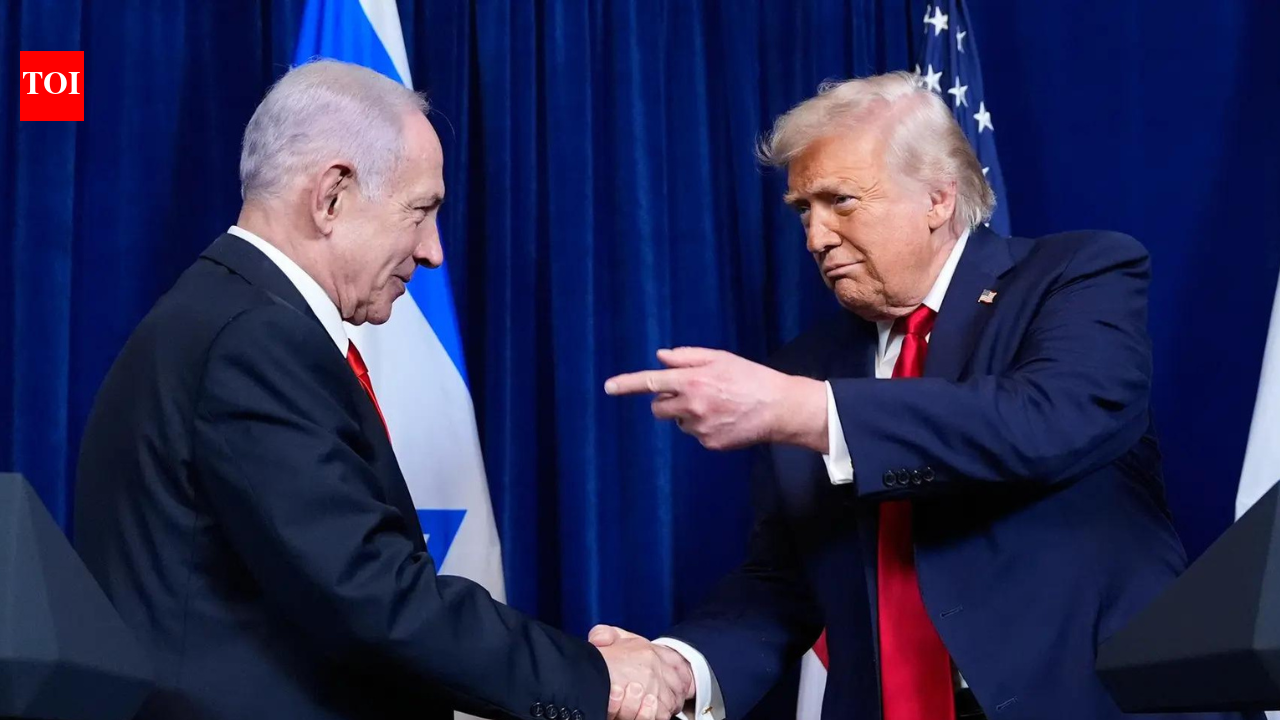
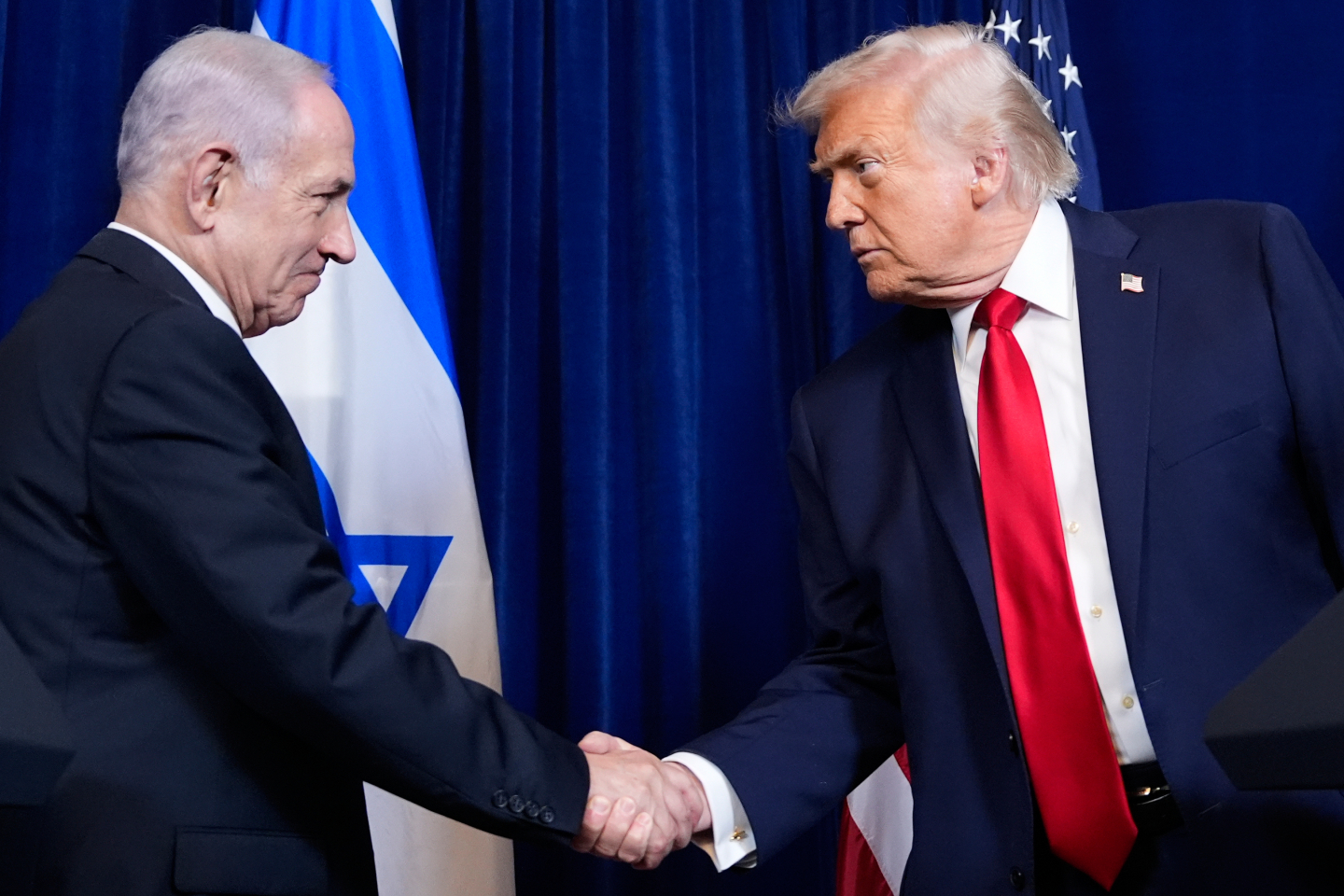
The escalating US-Israeli military campaign against Iran documented in early March 2026 represents a critical supply chain inflection point for cross-border e-commerce sellers, particularly those dependent on Persian Gulf shipping corridors and Asian manufacturing sourcing. While the news focuses on military operations and geopolitical strategy, the underlying infrastructure impacts—port disruptions, oil tanker attacks, and regional instability—directly affect logistics costs, shipping timelines, and inventory planning for sellers across all major platforms.
Immediate Shipping & Logistics Impact: The conflict's documented attacks on commercial infrastructure in the Persian Gulf region create tangible cost pressures. Sellers routing shipments through the Suez Canal (approximately 12% of global maritime trade) face 15-25% premium freight costs due to rerouting around the Cape of Good Hope, adding 2-3 weeks to transit times. This particularly impacts sellers in electronics (HS codes 8471-8517), machinery (HS 8401-8483), and textiles (HS 5001-6310) who source from Vietnam, India, and Southeast Asia. Small and medium sellers (SMBs) with 500-5,000 monthly unit volumes face $2,000-8,000 monthly cost increases, compressing margins by 8-15% on standard products.
Inventory Planning & Procurement Strategy Shifts: The geopolitical uncertainty creates a 60-90 day planning window where sellers must decide between: (1) accelerating inventory purchases before potential further escalation (locking in current rates), or (2) reducing inventory depth to minimize exposure to stranded stock if demand softens due to macroeconomic uncertainty. Sellers with existing inventory in Asian ports face immediate decisions about expedited shipping versus delayed delivery. The conflict also signals potential tariff policy changes—historical precedent shows US administrations use military conflicts to justify protectionist trade measures, potentially affecting HS code tariff rates for electronics and machinery categories within 30-60 days.
Regional Market Access & Competitive Dynamics: The conflict creates divergent opportunities by seller geography. US-based sellers gain competitive advantage as Asian-sourced products face higher landed costs, potentially improving Buy Box positioning for domestic alternatives. EU-based sellers face additional complexity—European ports may see increased insurance premiums and security protocols, adding 3-5% to logistics costs. Sellers with existing inventory in Middle Eastern distribution centers (particularly UAE, Saudi Arabia) face potential market access restrictions and should consider emergency inventory repositioning to Southeast Asian hubs within 14 days.
Questions 8
What are the key dates and deadlines sellers should monitor for policy changes?
Monitor these critical windows: (1) Next 7-14 days—accelerate inventory orders before potential tariff announcements; (2) Days 30-60—expect US tariff policy announcements based on historical conflict response patterns; (3) Days 60-90—potential new tariff rates take effect, affecting all new orders; (4) Ongoing—daily monitoring of Suez Canal shipping status and insurance premium changes. Set calendar alerts for: weekly shipping rate index updates (Freightos), monthly tariff code reviews for affected categories, and bi-weekly 3PL provider cost assessments. Subscribe to trade publications (Journal of Commerce, American Shipper) for real-time policy updates. Update inventory forecasts every 7 days as situation evolves.
Which 3PL providers and shipping routes should sellers prioritize during this conflict?
Prioritize 3PL providers with established Cape of Good Hope routing capabilities and diversified port access (Singapore, Rotterdam, Los Angeles). Evaluate providers offering rate-lock guarantees for 30-60 days to hedge against further escalation. Shift volume from Suez-dependent routes to: (1) Asia-to-US direct (longer but stable), (2) Asia-to-Mexico transshipment (USMCA benefits), (3) Southeast Asia-to-Europe via Indian Ocean (avoiding Persian Gulf). Request quotes from DHL Supply Chain, Flexport, and regional 3PLs with Middle East alternatives. Negotiate volume commitments for 90-day rate stability. Implement dual-sourcing strategy: 60% via established 3PL, 40% via backup provider to reduce single-point-of-failure risk. Budget 8-12% additional logistics costs for next 90 days.