



Energy Tariff Reversal Creates 30-Day Arbitrage Window for Cross-Border Logistics
- Trump suspends 25% tariff on Indian oil imports; creates short-term trading opportunities and supply chain cost reductions for energy-dependent e-commerce sellers







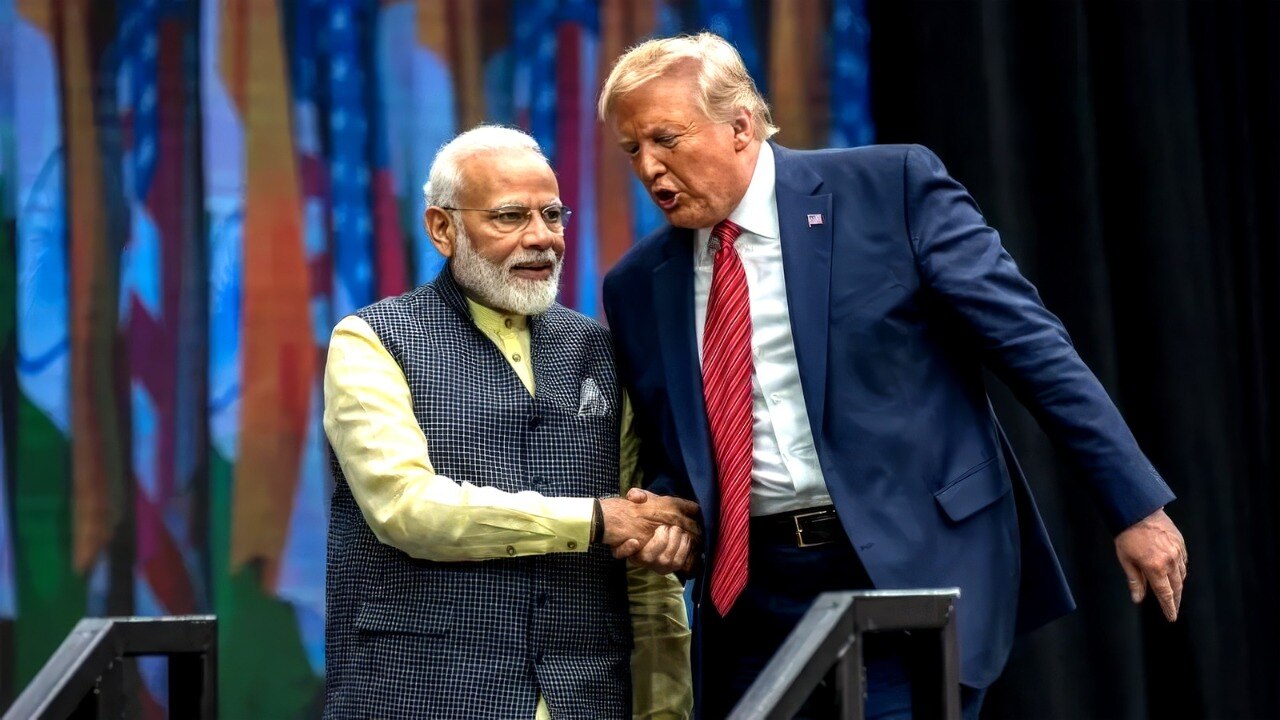


Overview
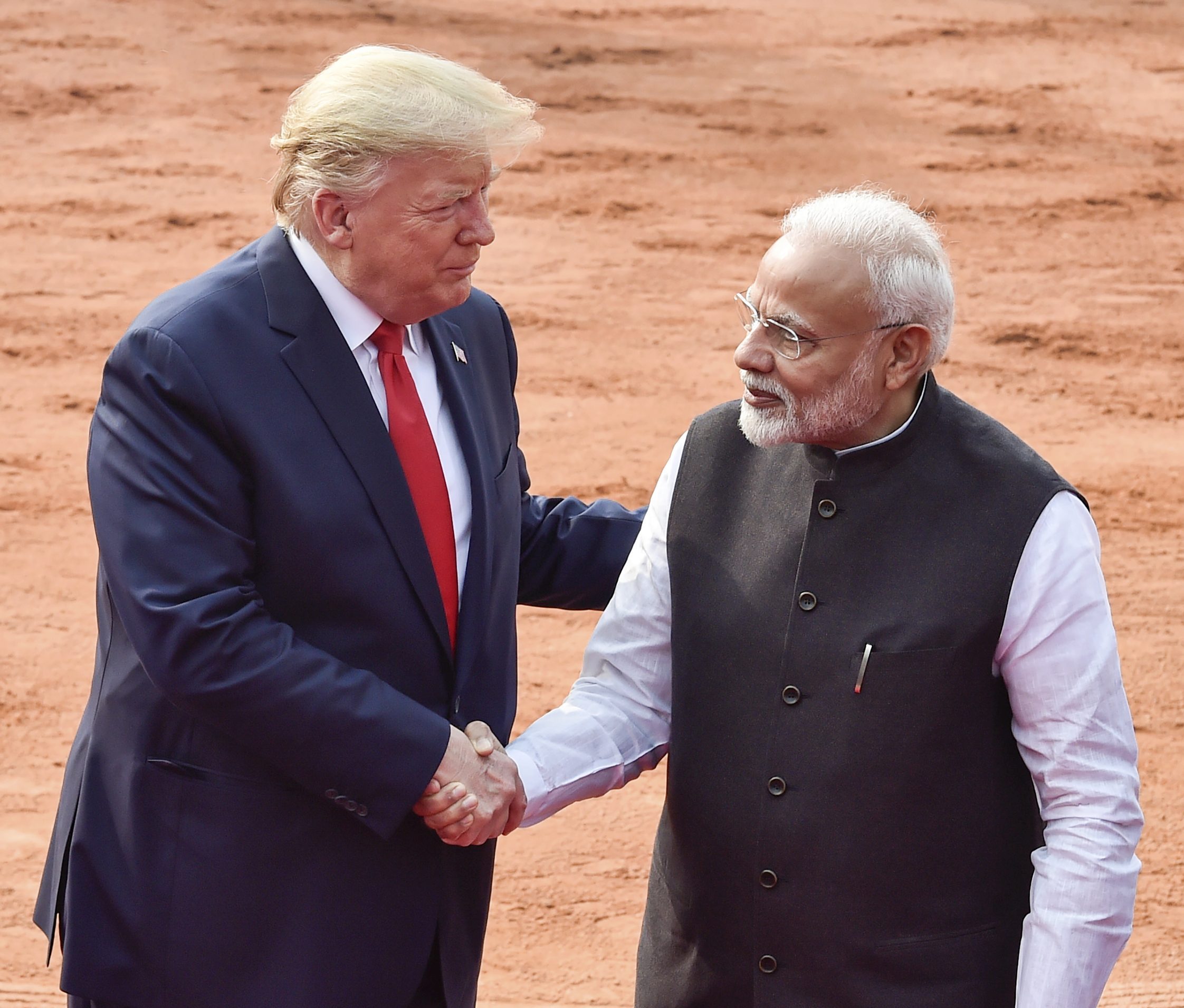
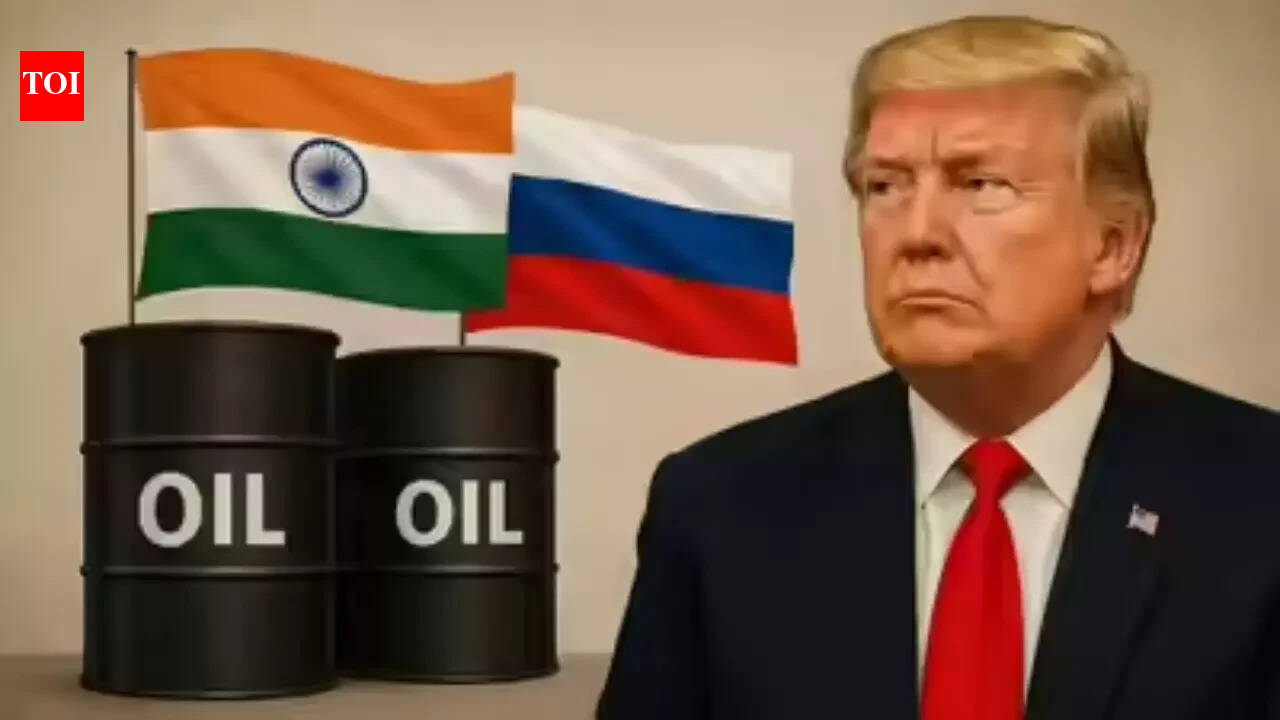
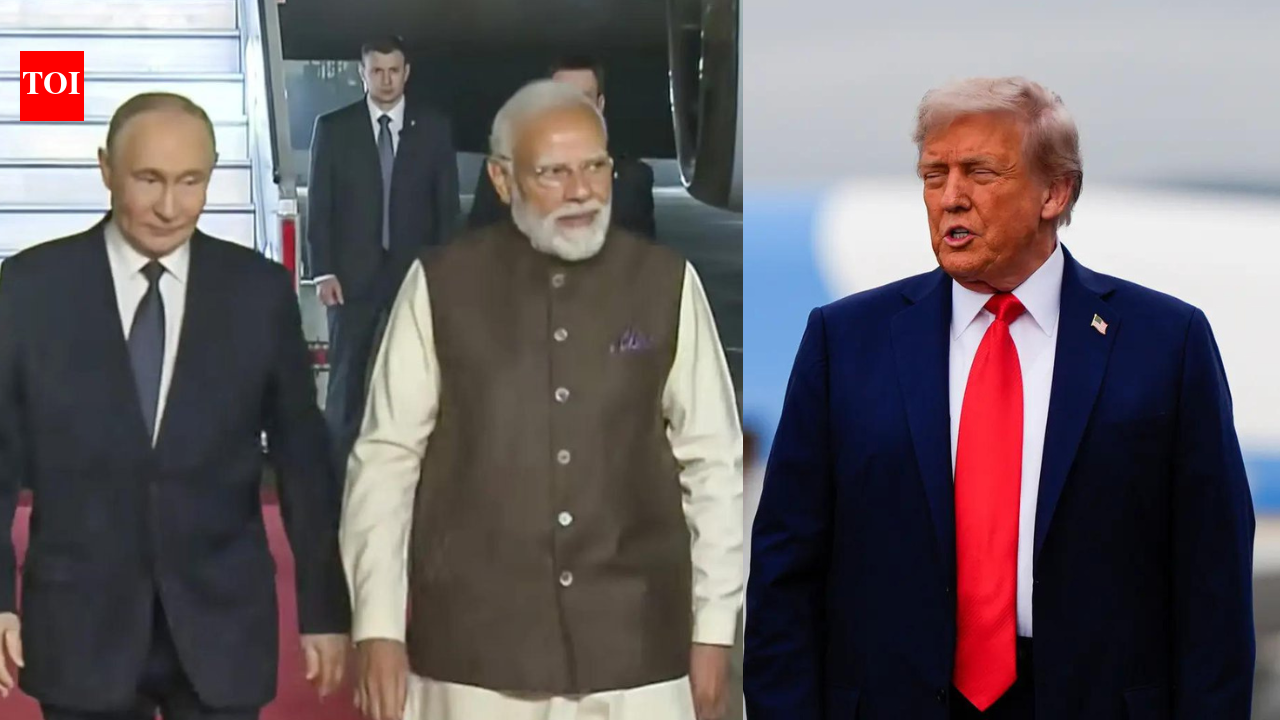
The Trump administration's 30-day waiver on Russian oil purchases by Indian refiners represents a critical tariff arbitrage opportunity for cross-border sellers, particularly those in energy-intensive categories and logistics-dependent businesses. Treasury Secretary Scott Bessent announced this temporary measure on Friday, reversing the previous 25% tariff on Indian oil imports that Trump had implemented to pressure Russia's Ukraine war financing. This policy reversal directly impacts global energy pricing—a foundational cost driver for e-commerce operations—by addressing supply pressures following Middle East escalation that killed Iranian Supreme Leader Ayatollah Ali Khamenei and destabilized the Strait of Hormuz, a critical energy corridor.
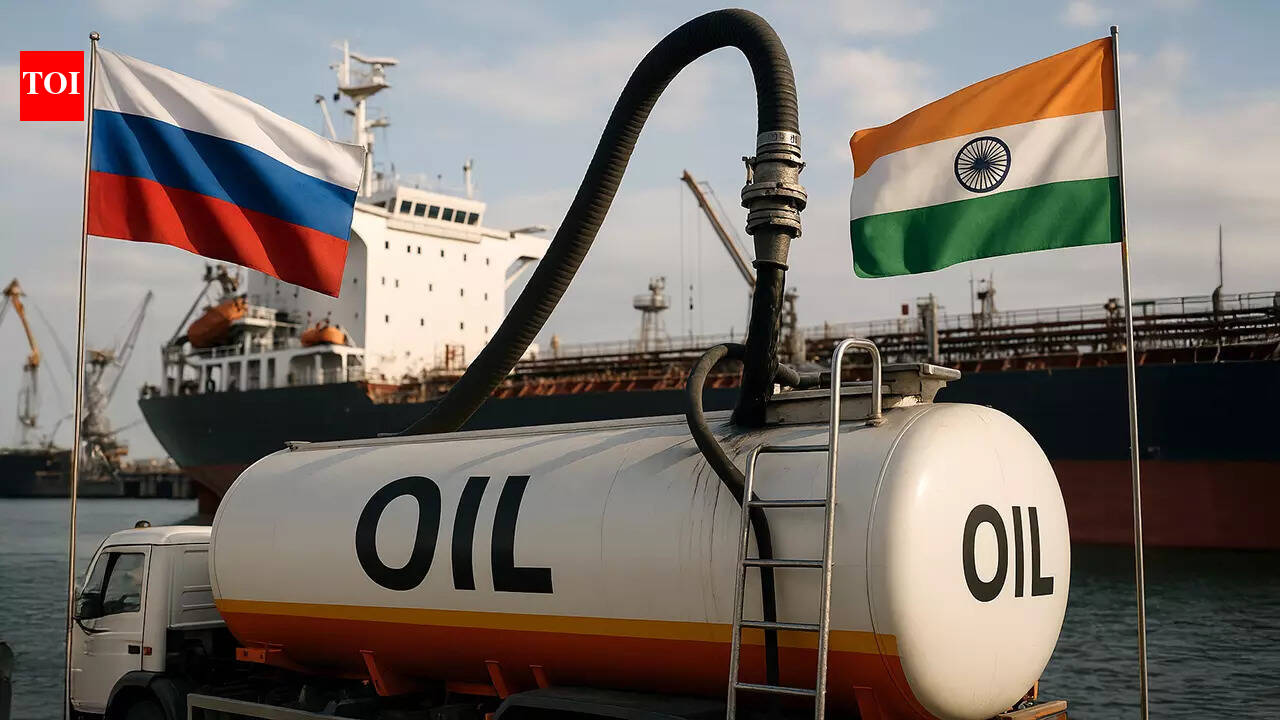
Tariff Arbitrage Opportunity: The 25% tariff suspension on Indian oil creates immediate cost reductions for sellers relying on Indian manufacturing and logistics hubs. Indian refineries can now access cheaper Russian crude (already stranded at sea), reducing downstream energy costs for Indian-based 3PL providers, manufacturing facilities, and cross-border logistics networks. Sellers sourcing from India—particularly in electronics, textiles, and consumer goods—should expect 3-5% cost reductions in freight and manufacturing expenses over the 30-day window as energy costs cascade through supply chains.
Market Access Shift: The waiver signals the Trump administration's prioritization of energy stability over sanctions enforcement, creating a 30-day window where India becomes a more cost-competitive sourcing destination. With US domestic reserves exceeding 415 million barrels, the administration is simultaneously positioning US oil as an alternative to Russian supplies, creating a dual-sourcing opportunity. Sellers can negotiate better rates with Indian suppliers during this window before the waiver expires, locking in lower costs for Q1-Q2 2025 inventory.
Competitive Dynamics: Small-to-medium sellers (SMBs) sourcing from India gain disproportionate advantages during this 30-day period, as they can renegotiate supplier contracts before larger competitors recognize the opportunity. Energy-intensive categories—electronics manufacturing, plastic goods, textiles—see the largest margin improvements. However, the temporary nature creates urgency: sellers must act within 30 days to secure supplier commitments before the waiver expires and tariffs potentially return.
Compliance and Risk: The measure explicitly targets "oil already stranded at sea," limiting scope to existing inventory. Sellers must verify supplier compliance with transaction documentation to avoid tariff reimposition. The geopolitical context—over 1,000 deaths in Iran, six US troops killed, ongoing Gulf escalation—introduces volatility risk. Energy prices could spike if Middle East tensions escalate further, potentially negating the 30-day savings window.
Strategic Timing: This represents a classic policy-driven arbitrage window. Sellers should immediately contact Indian suppliers to lock in pricing for 60-90 day delivery windows, capturing the cost advantage before competitors mobilize. The administration's expectation that India will increase US oil purchases suggests a longer-term shift toward US-India energy partnerships, potentially creating sustained sourcing advantages for sellers positioned in India.
Questions 8
How does Middle East escalation affect the reliability of this tariff arbitrage window?
The waiver directly addresses supply pressures from Middle East escalation—Iranian Supreme Leader's death, missile responses, Strait of Hormuz destabilization—which threatens global energy supplies. If tensions escalate further, energy prices could spike, negating the 30-day cost advantage. Conversely, if tensions de-escalate, the administration may end the waiver earlier than 30 days. Sellers should treat this as a volatile opportunity window with execution risk. The 1,000+ deaths in Iran and six US troops killed indicate ongoing military escalation. Sellers should prioritize securing supplier commitments within 7-10 days rather than waiting for additional clarity, as geopolitical developments could rapidly change policy.
How does this policy reversal affect US-based sellers competing with Indian suppliers?
US-based sellers face increased competition as Indian suppliers gain 3-5% cost advantages during the 30-day window. However, the administration simultaneously positions US domestic oil (415+ million barrels in reserves) as an alternative to Russian supplies, potentially creating longer-term advantages for US-based energy-intensive manufacturers. US sellers should consider sourcing from India during this window to reduce their own costs, or accelerate domestic manufacturing investments to compete on energy efficiency. The policy signals the administration's willingness to use tariff flexibility for geopolitical objectives, creating unpredictability in US-India trade frameworks beyond the 30-day period.