


Strait of Hormuz Blockade Triggers 15-25% Shipping Cost Surge for Cross-Border E-Commerce Sellers
- Iran-U.S. conflict disrupts 20% of global oil supply; Brent crude jumps $28 in largest weekly gain since April 2020; sellers face 2-4 week freight rate increases and margin compression across all shipping corridors
















)




Overview
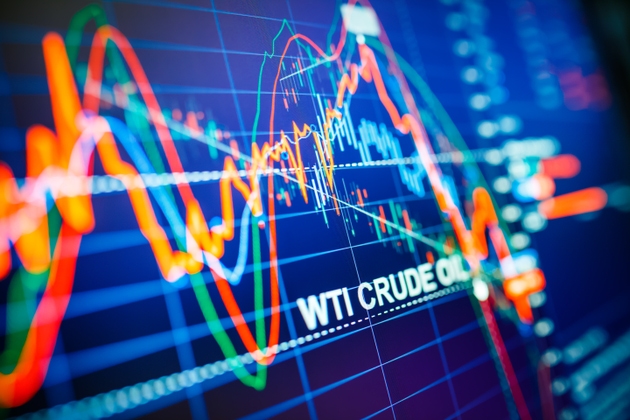
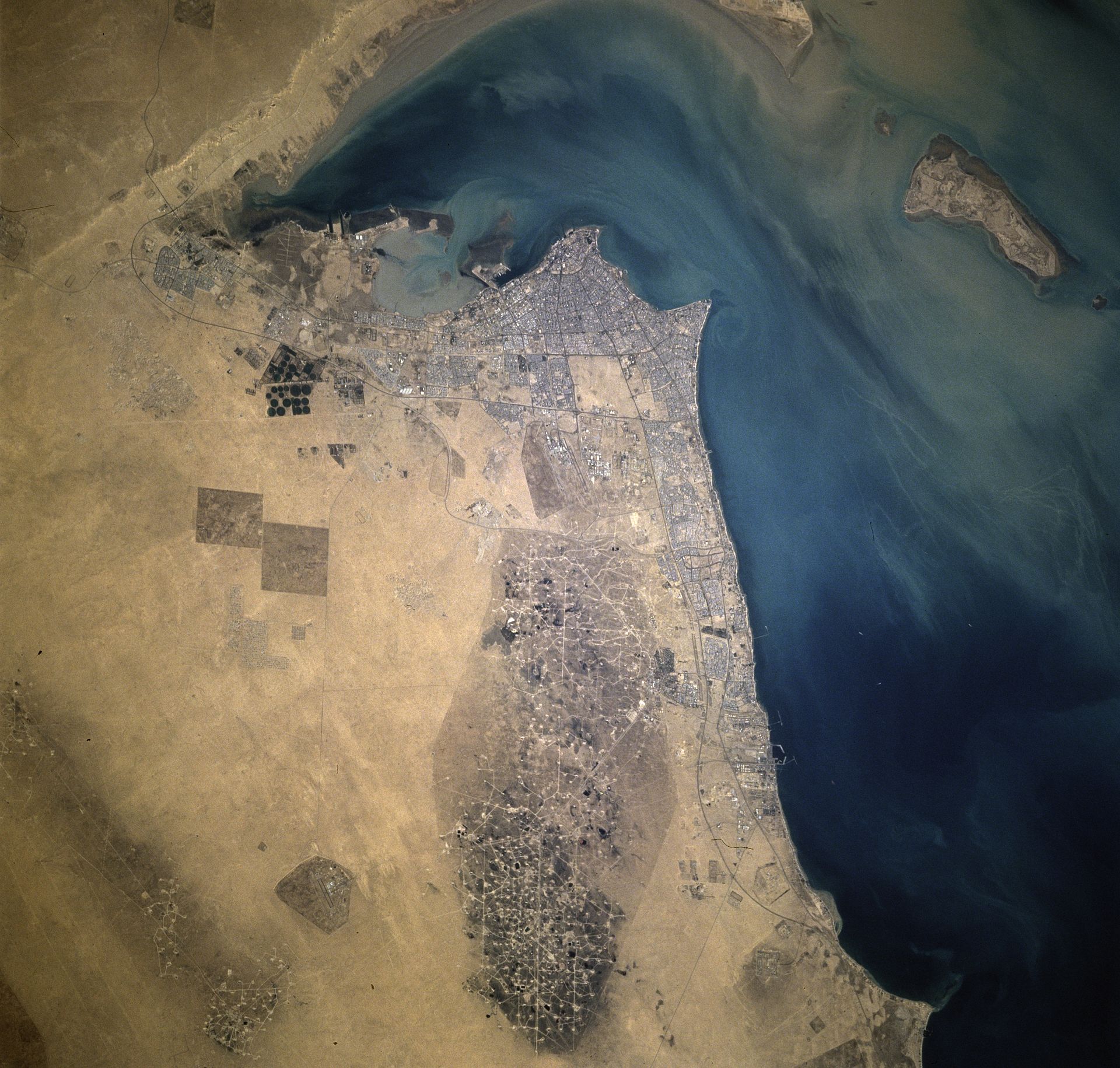
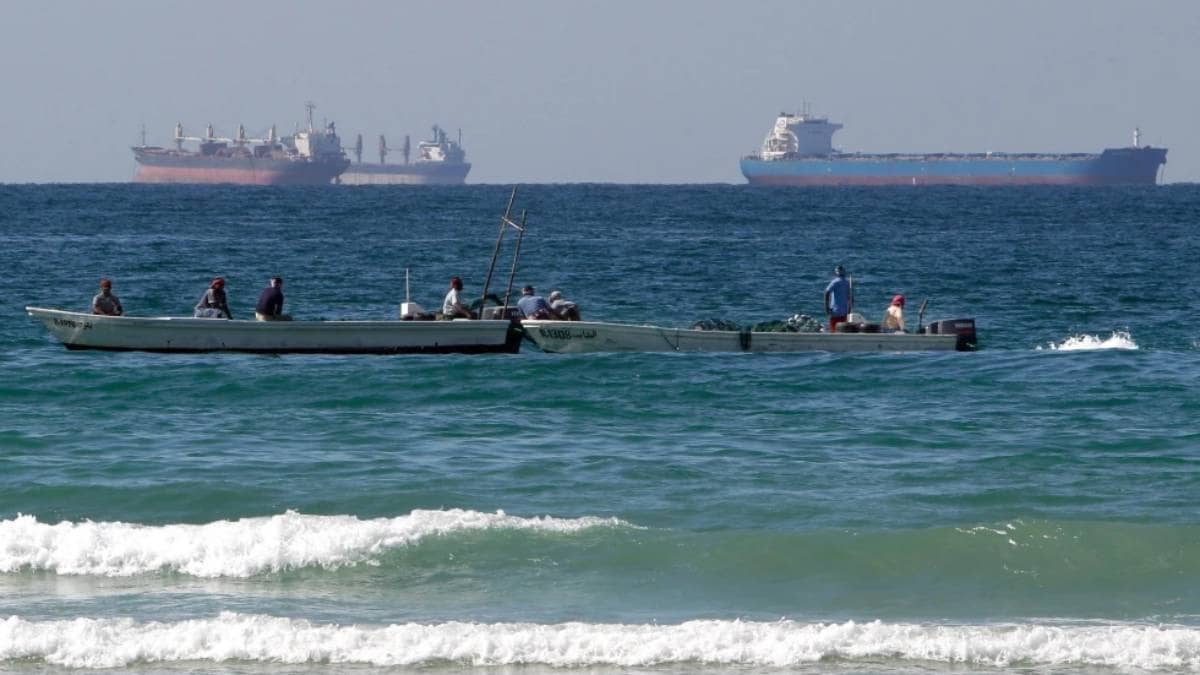
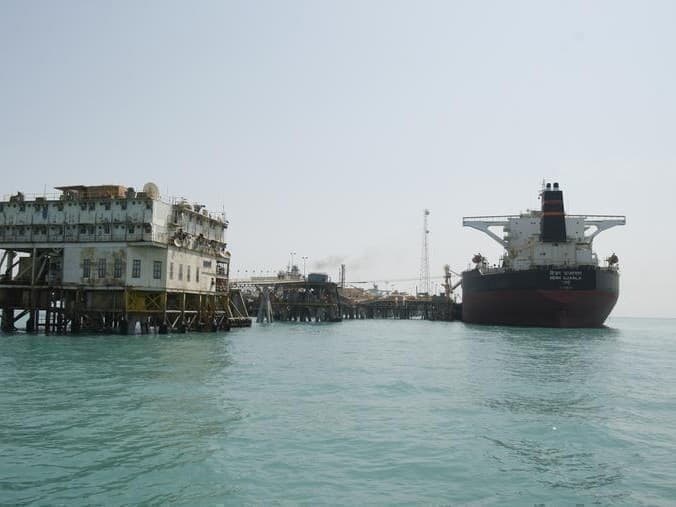
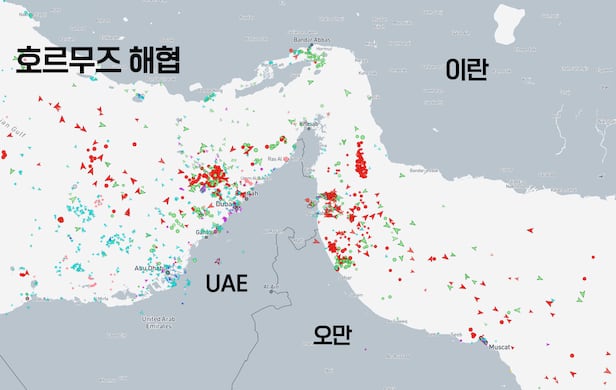
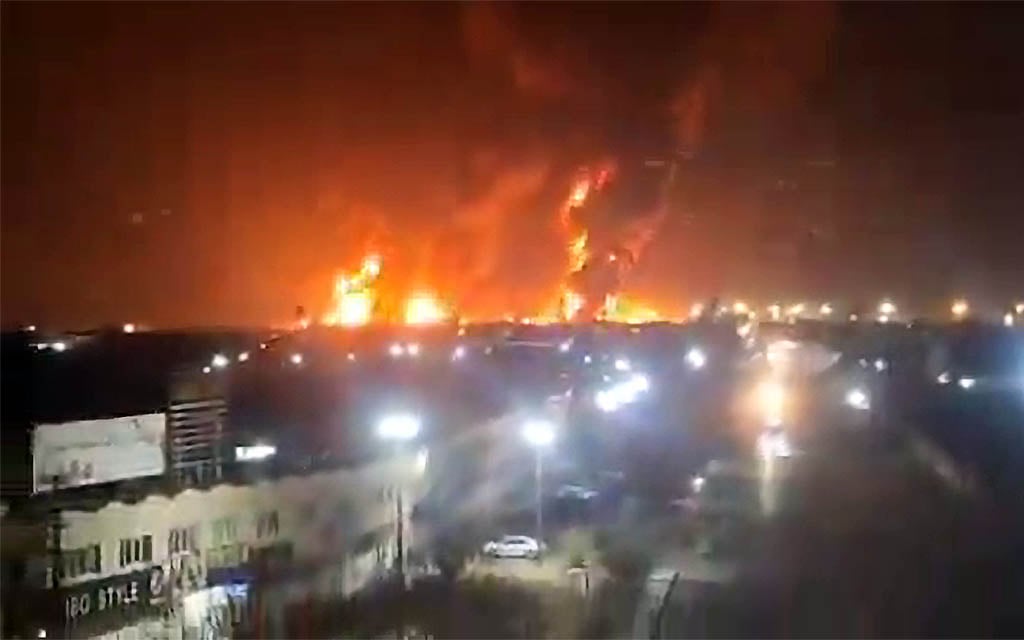
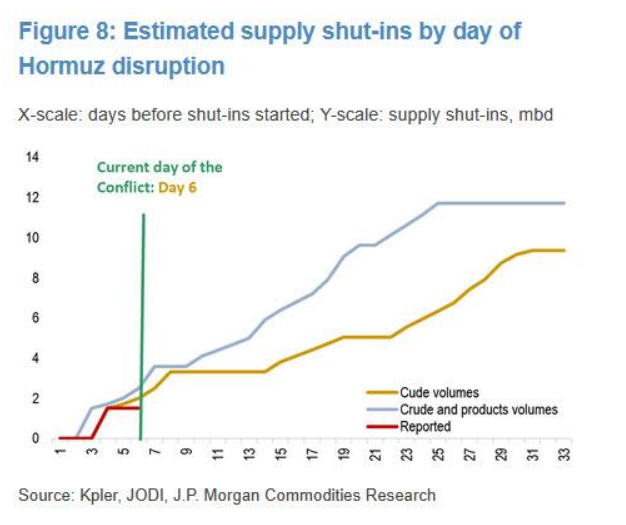
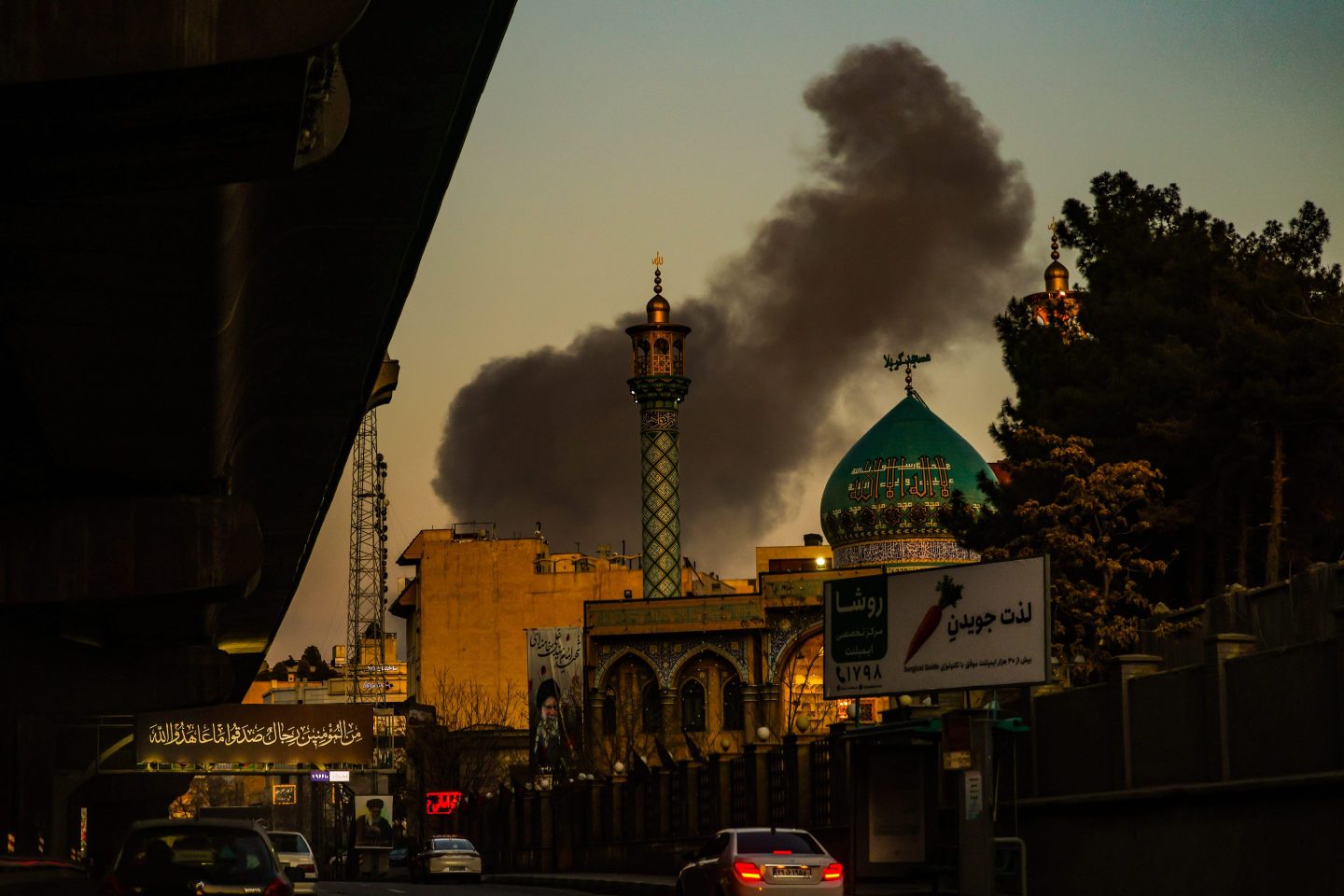
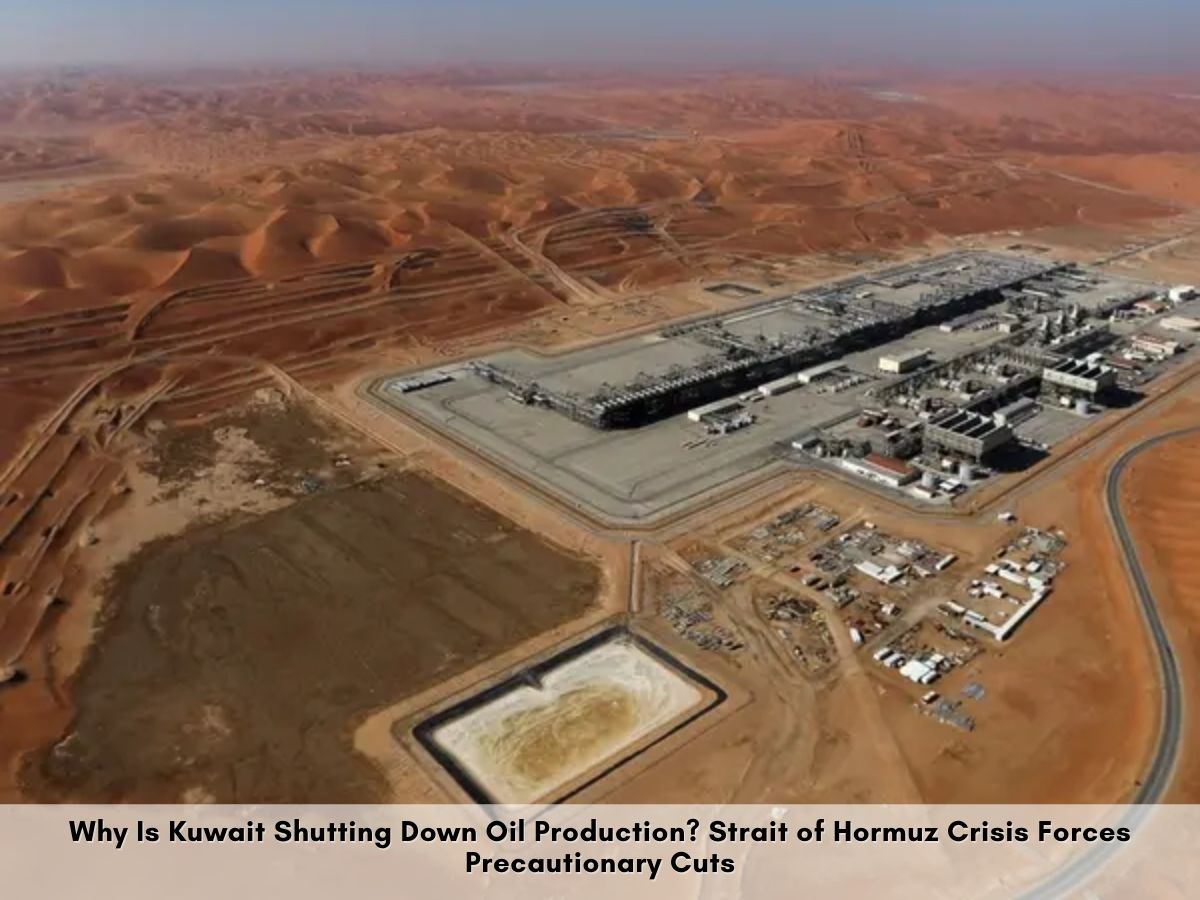
The Strait of Hormuz blockade triggered by escalating Iran-U.S. tensions has created an unprecedented energy crisis affecting cross-border e-commerce sellers globally. On March 7, 2026, Kuwait Petroleum Corporation (KPC) declared force majeure and cut crude oil production from 2.6 million barrels per day, following similar cuts by Iraq (1.5 million bpd) and Qatar's LNG suspension. The blockade has halted tanker transit for eight consecutive days, disrupting approximately 20% of global oil and LNG supply. Brent crude surged $28 in a single week—the largest increase since April 2020—while U.S. crude rocketed $35.63, marking its biggest weekly gain in futures trading history since 1983. JPMorgan estimates production cuts could exceed 4 million barrels per day if the Strait remains closed, with potential Brent prices spiking above $100 per barrel if conflict extends beyond three weeks.
For cross-border e-commerce sellers, this geopolitical crisis translates directly into operational cost increases of 15-25% within 2-4 weeks. Logistics providers including DHL, FedEx, and ocean freight operators are already implementing fuel surcharges. Sellers shipping from Asia to Europe and North America face the most acute pressure, particularly those in energy-intensive categories: electronics, automotive parts, heavy goods, and petrochemical-dependent products. The news reports indicate that storage facilities in Saudi Arabia and UAE will reach maximum capacity within three weeks, suggesting the disruption will persist through at least late March 2026. Sellers with fixed-price contracts face immediate margin erosion, while those with flexible pricing models can adjust product costs to offset increased freight expenses. The blockade also threatens inventory replenishment timelines—sellers dependent on just-in-time inventory models from Middle Eastern suppliers or Asian manufacturers face 5-10 day delays as vessel availability plummets.
Strategic implications extend beyond immediate cost pressures. The simultaneous production cuts across multiple OPEC+ members (Kuwait, Iraq, Qatar, with Saudi Arabia and UAE approaching capacity limits) indicate prolonged supply constraints rather than temporary disruptions. Historical precedent shows Strait of Hormuz disruptions create sustained commodity price volatility lasting weeks or months. Sellers should immediately monitor shipping rate indices from major carriers and adjust inventory strategies to account for extended lead times. Companies with flexible pricing models can implement 8-12% cost-of-goods-sold adjustments to maintain margins. Those with fixed contracts should prioritize nearshoring strategies—shifting sourcing from Asia to Mexico, India, or Vietnam to reduce exposure to Middle Eastern logistics routes. The energy crisis also creates opportunities for sellers in alternative energy products, emergency power solutions, and fuel-efficient logistics technologies, though these represent niche categories compared to the broad margin compression affecting mainstream e-commerce.
Questions 8
Should sellers consider nearshoring or alternative sourcing strategies?
Yes, nearshoring represents a strategic response to prolonged energy price volatility. The news indicates that simultaneous production cuts across Kuwait, Iraq, Qatar, Saudi Arabia, and UAE suggest sustained supply constraints rather than temporary disruptions. Shifting 20-30% of sourcing from Asia to Mexico, India, or Vietnam reduces exposure to Middle Eastern logistics routes and fuel surcharge volatility. This strategy works best for sellers with flexible supply chains and products where sourcing cost differentials are manageable (typically 5-15% higher from nearshore suppliers). Evaluate nearshoring for high-volume categories where freight represents 15%+ of COGS. Implementation timeline: 4-6 weeks for supplier qualification and initial orders.
How does the Strait of Hormuz blockade affect just-in-time inventory models?
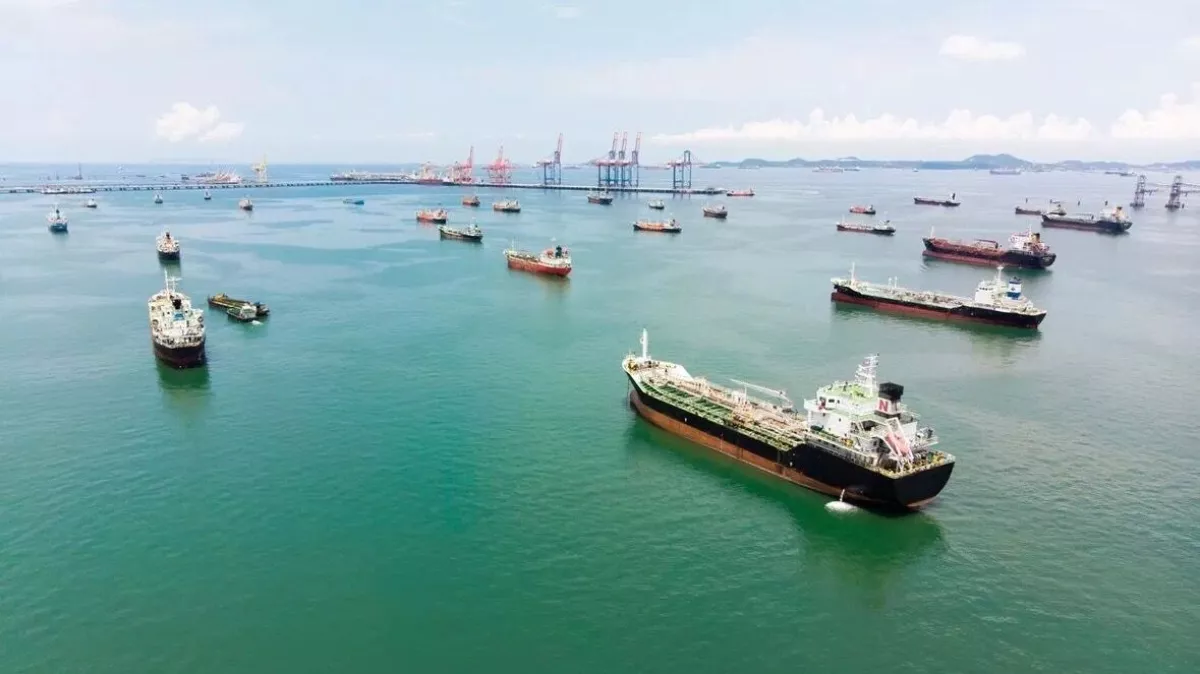
Just-in-time inventory models face acute vulnerability due to extended lead times and vessel availability constraints. The blockade has halted tanker transit, with ship owners fearing Iranian attacks, creating near-total absence of available vessels for product shipments. Sellers dependent on just-in-time replenishment from Asia or Middle Eastern suppliers face 5-10 day delays, potentially causing inventory stockouts and lost sales. The news reports indicate that storage facilities across the region are experiencing unprecedented utilization rates, suggesting vessel scarcity will persist. Sellers should immediately increase safety stock by 15-20% for high-velocity SKUs and shift to 2-3 week minimum inventory buffers. This increases working capital requirements by 8-12% but prevents stockouts during extended transit delays.