

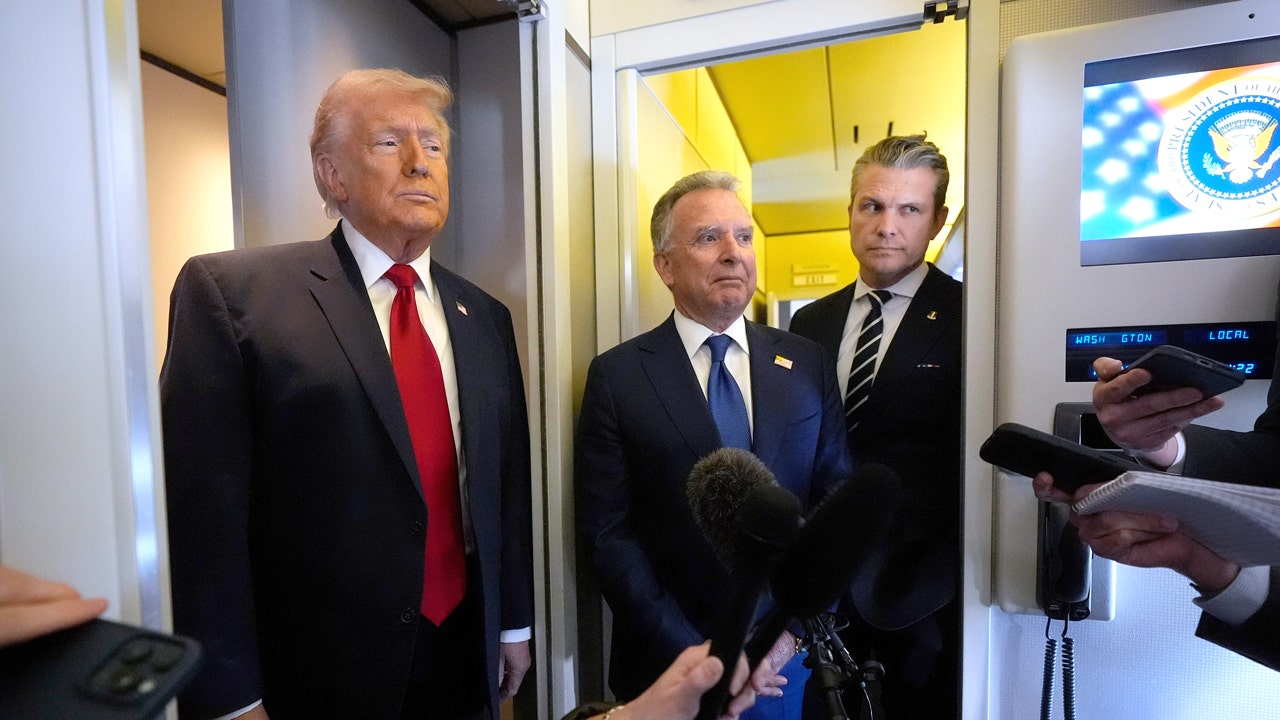


Middle East Conflict Escalation Triggers Supply Chain Crisis | Cross-Border Sellers Face 15-25% Shipping Cost Surge
- Strait of Hormuz closure disrupts 21% of global oil shipments; energy-dependent logistics face margin compression; sellers relying on Middle Eastern routes must pivot sourcing strategies immediately










Overview
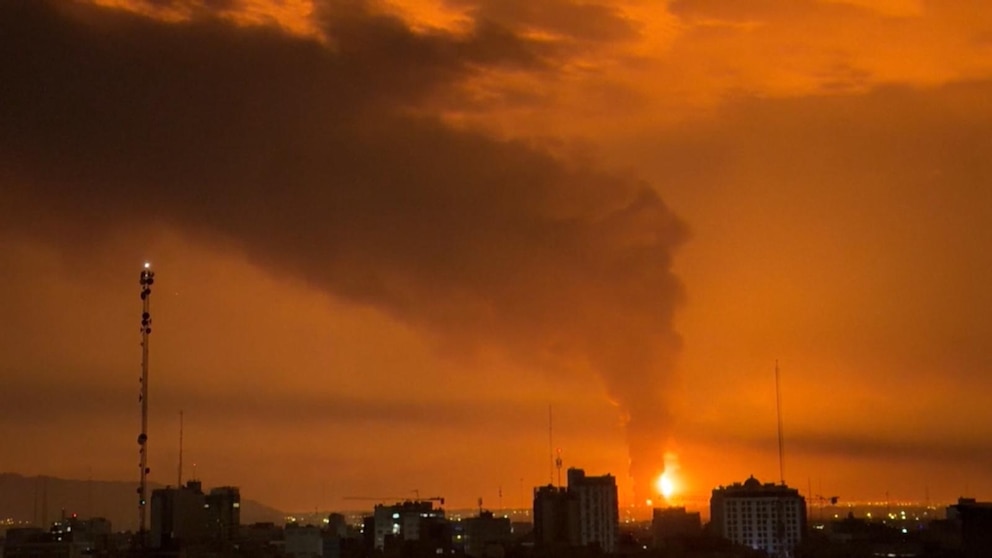
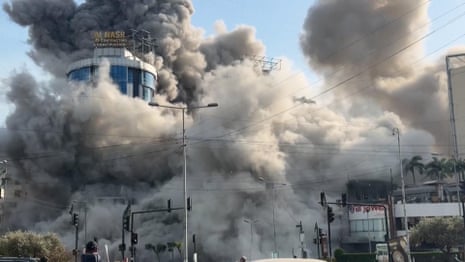
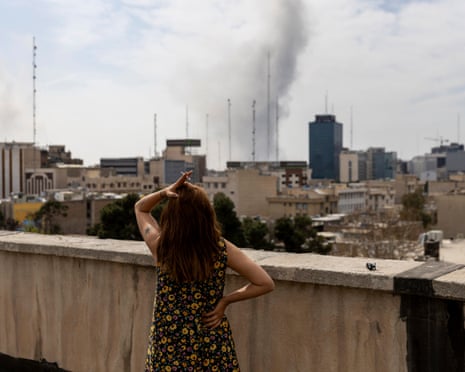
The escalating Iran-US military conflict represents a critical supply chain disruption event for cross-border e-commerce sellers, with direct operational and financial consequences. As reported on March 7, 2026, the conflict has expanded beyond military exchanges to include attacks on critical energy infrastructure across the Gulf region, with Kuwait's national oil company cutting output alongside earlier reductions from Iraq and Qatar. Most critically, the Strait of Hormuz—a chokepoint handling approximately 21% of global petroleum shipments—is now effectively closed, creating immediate logistics bottlenecks for sellers dependent on energy-intensive transportation modes.
Energy price escalation directly impacts seller margins across multiple fulfillment channels. Oil prices have reached multi-year highs, translating to 15-25% increases in shipping costs for sellers using air freight, ocean freight, and ground transportation. This margin compression disproportionately affects small-to-medium sellers (SMBs) with 100-5,000 monthly units, who lack negotiating power with 3PL providers and cannot absorb cost increases through price adjustments without losing Buy Box eligibility on Amazon. Large sellers with established logistics networks can negotiate volume discounts, creating a competitive advantage window for enterprise-scale operations.
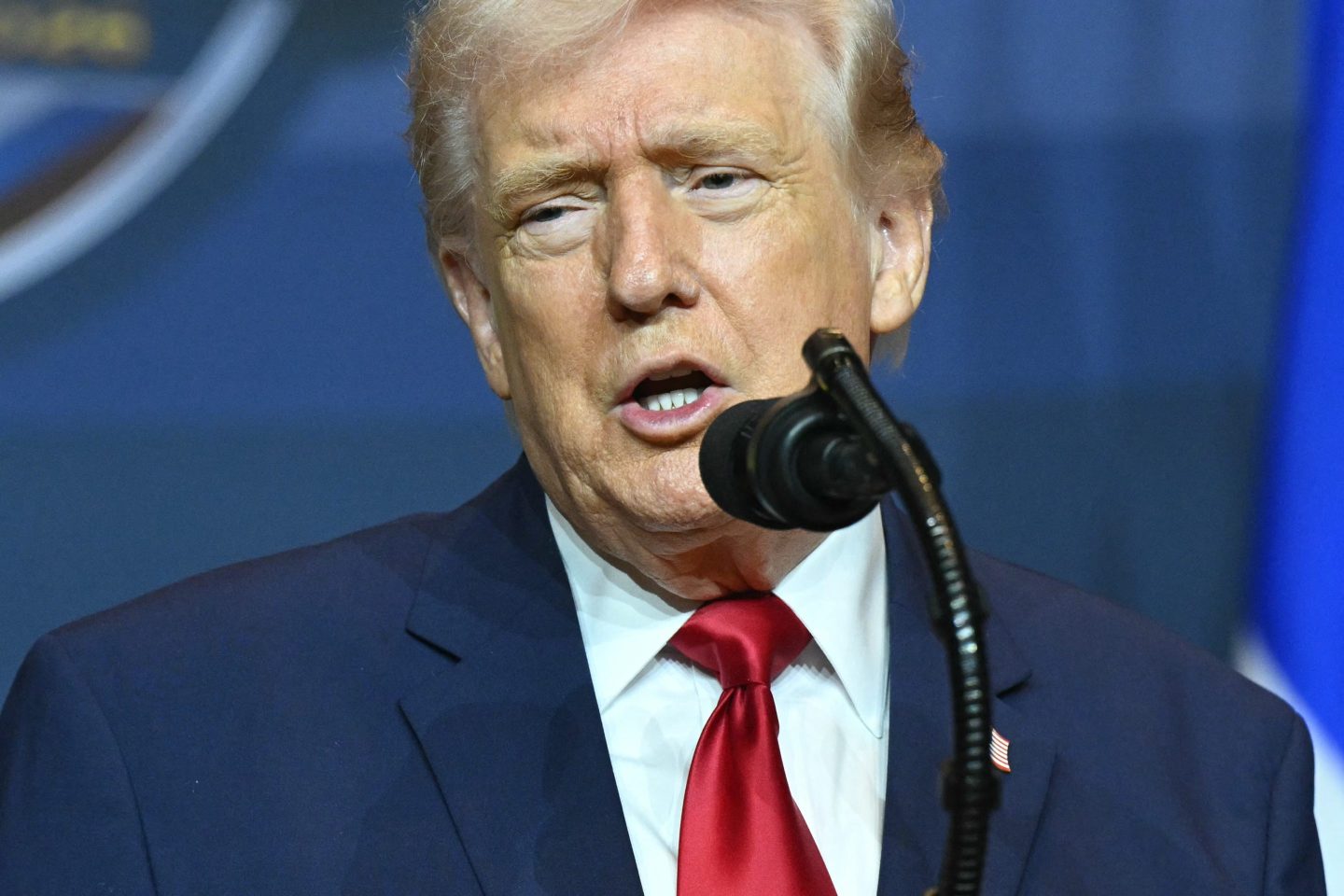
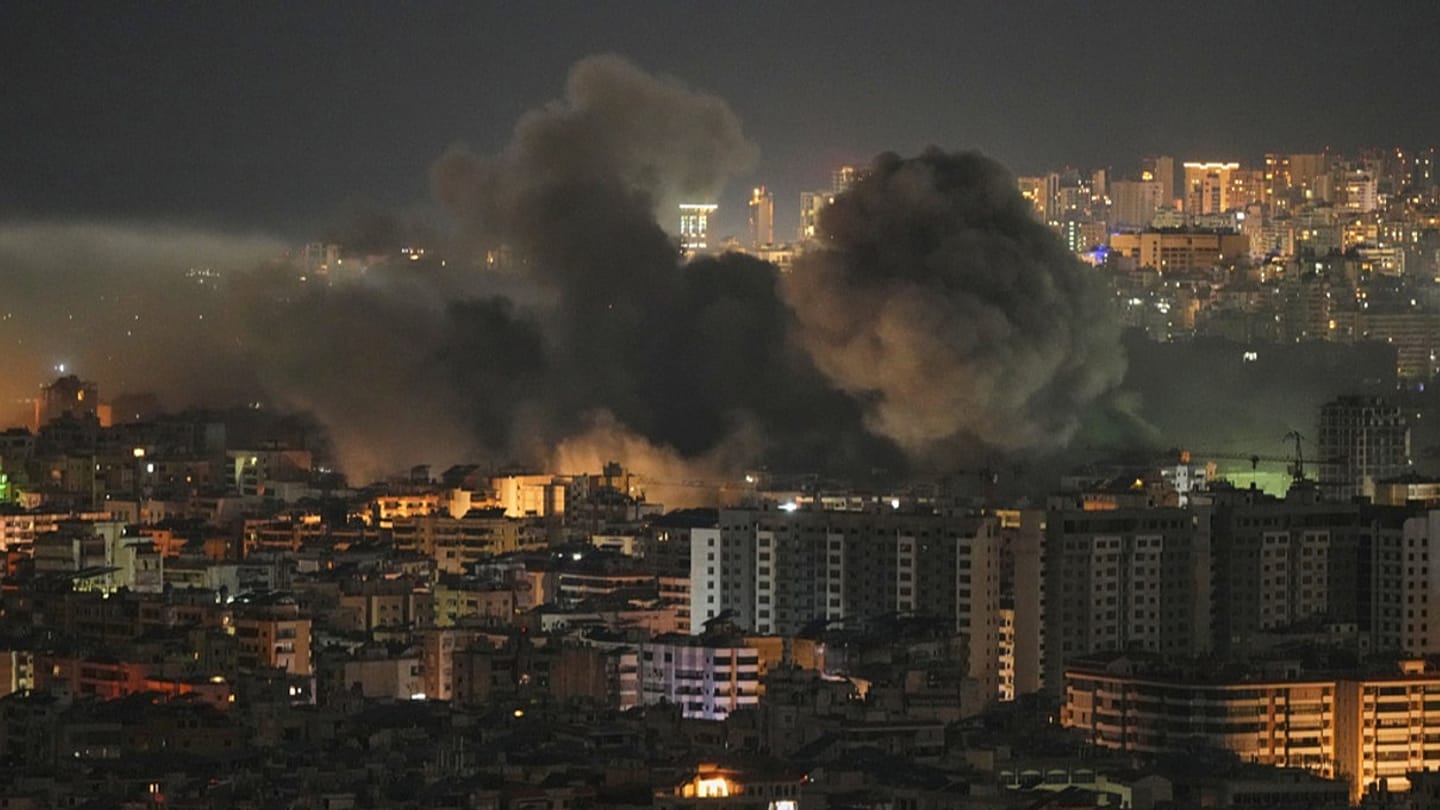
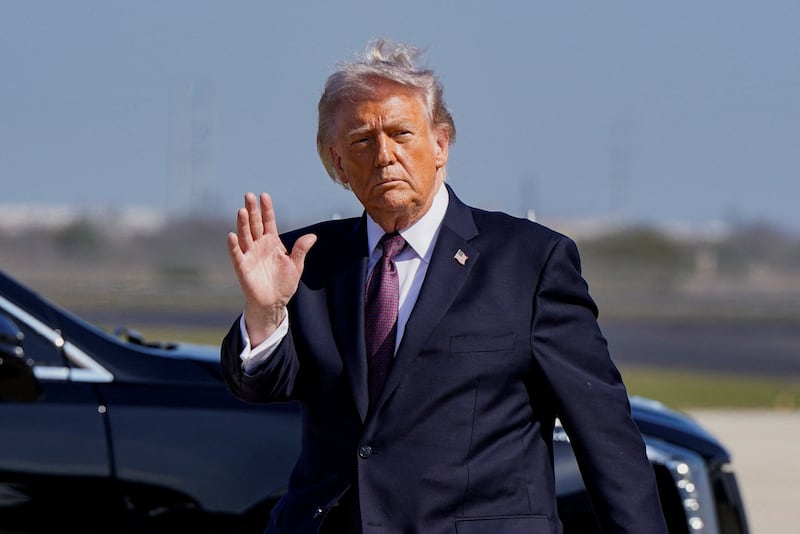
Port closure risks threaten inventory management and delivery timelines across multiple regions. The conflict's expansion to include Lebanese operations (approximately 300 deaths reported since Monday) and potential US ground troop deployment creates uncertainty around port accessibility in Dubai, Jebel Ali, and other critical Middle Eastern distribution hubs. Sellers with inventory positioned in these regions face potential 2-4 week delays in shipment processing. Additionally, the unresolved conflict timeline—with Trump administration statements indicating pursuit of "unconditional surrender" rather than negotiated settlement—suggests sustained disruption through Q2 2026 at minimum.
Strategic sourcing country shifts present both risks and opportunities. Sellers currently sourcing from Iran-adjacent regions (Iraq, Syria) face immediate supply chain breaks. However, this creates arbitrage opportunities for sellers who can rapidly pivot sourcing to Vietnam, India, and Indonesia—countries with lower energy-dependent manufacturing costs and alternative shipping routes avoiding the Strait of Hormuz. Categories most vulnerable include electronics (HS 8471-8517), machinery (HS 8401-8483), and textiles (HS 5001-6310), which typically route through Middle Eastern ports.
The conflict's impact extends beyond logistics to demand-side considerations. Consumer spending in affected regions (UAE, Saudi Arabia, Kuwait) typically contracts 8-12% during geopolitical crises, reducing market access opportunities for sellers targeting Gulf Cooperation Council (GCC) markets. Conversely, sellers in North America and Europe may see increased demand for alternative products as supply constraints drive price increases for Middle Eastern-sourced goods.
Questions 8
What is the timeline for supply chain normalization after conflict resolution?
Historical geopolitical crises suggest 8-12 weeks for shipping cost normalization after conflict resolution, with port operations returning to baseline within 4-6 weeks. However, the Trump administration's stated position of pursuing 'unconditional surrender' rather than negotiated settlement suggests the conflict could extend through Q2 2026 at minimum. Sellers should plan inventory strategies assuming elevated shipping costs through June 2026 and prepare contingency plans for extended disruption through Q3. The Strait of Hormuz typically requires 2-3 weeks to fully reopen after military operations cease, during which shipping costs remain elevated. Sellers should establish monitoring protocols with 3PL providers and set internal cost thresholds triggering alternative routing decisions.
How does the conflict affect demand in Gulf Cooperation Council markets?
Consumer spending in GCC markets (UAE, Saudi Arabia, Kuwait, Qatar, Bahrain, Oman) typically contracts 8-12% during geopolitical crises, reducing market access opportunities for sellers targeting these regions. The conflict's expansion to include Lebanese operations and potential US ground troop deployment creates uncertainty that suppresses discretionary spending. Sellers with significant revenue exposure to GCC markets should expect 10-15% demand reduction through Q2 2026. However, this creates counter-opportunities: sellers in North America and Europe may see increased demand for alternative products as supply constraints drive price increases for Middle Eastern-sourced goods. Sellers should reallocate marketing spend away from GCC markets and toward North American and European audiences during the conflict period.