





Middle East Supply Chain Crisis | Air Cargo Routes Disrupted, Shipping Costs Surge 15-25%
- Dubai airport suspensions, airspace closures, and logistics hub evacuations create immediate shipping delays for cross-border sellers relying on Gulf region fulfillment centers and Asia-Europe air freight corridors







)


)


)

Overview
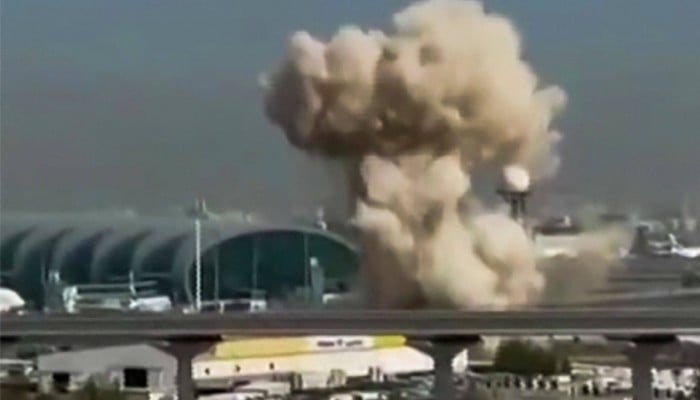
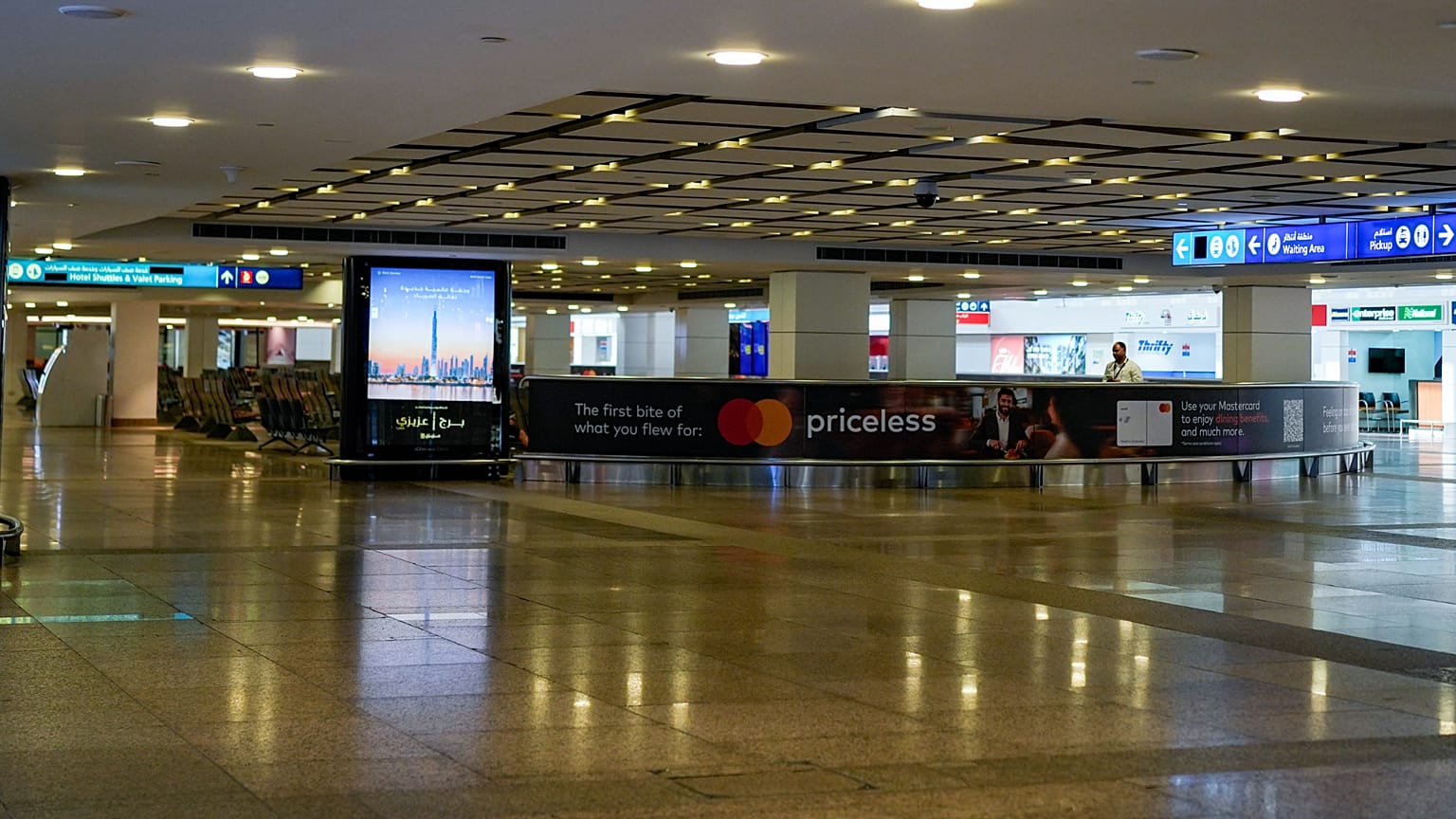
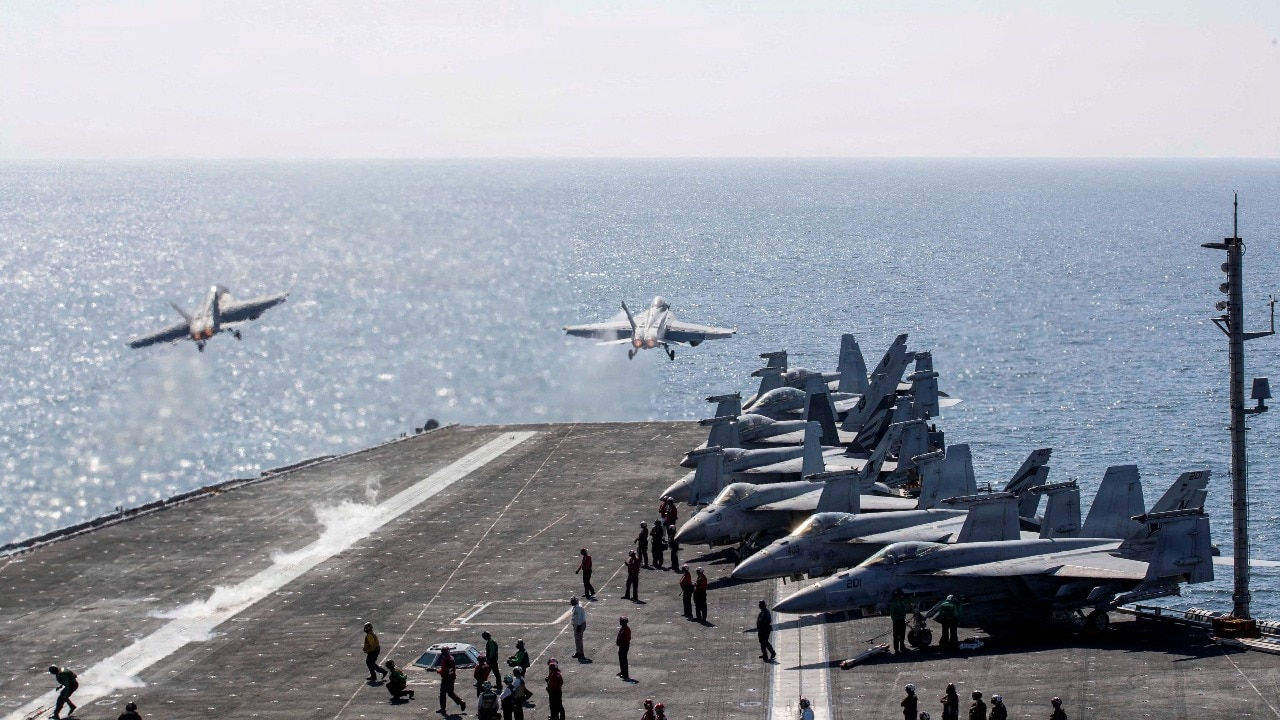
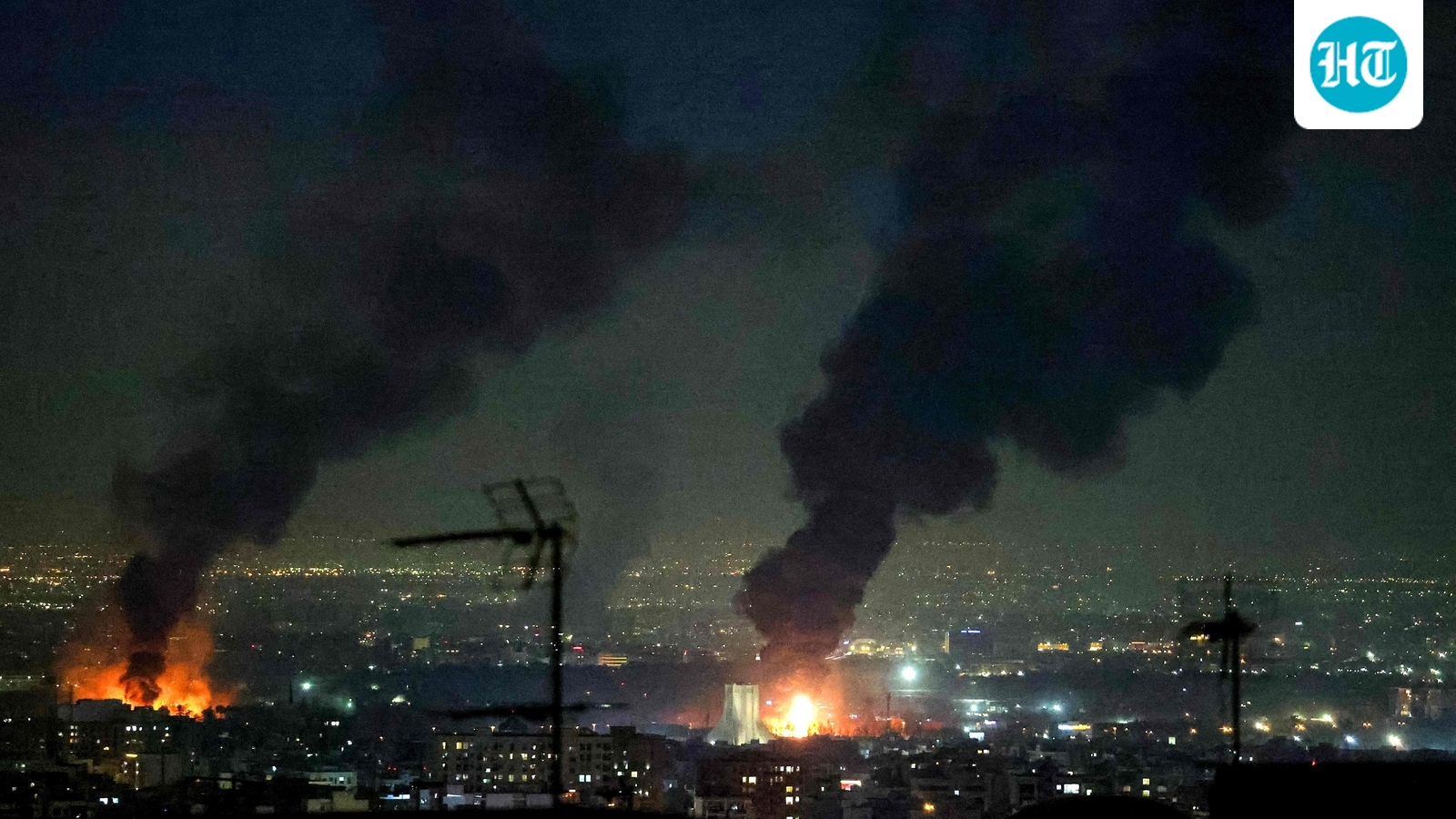
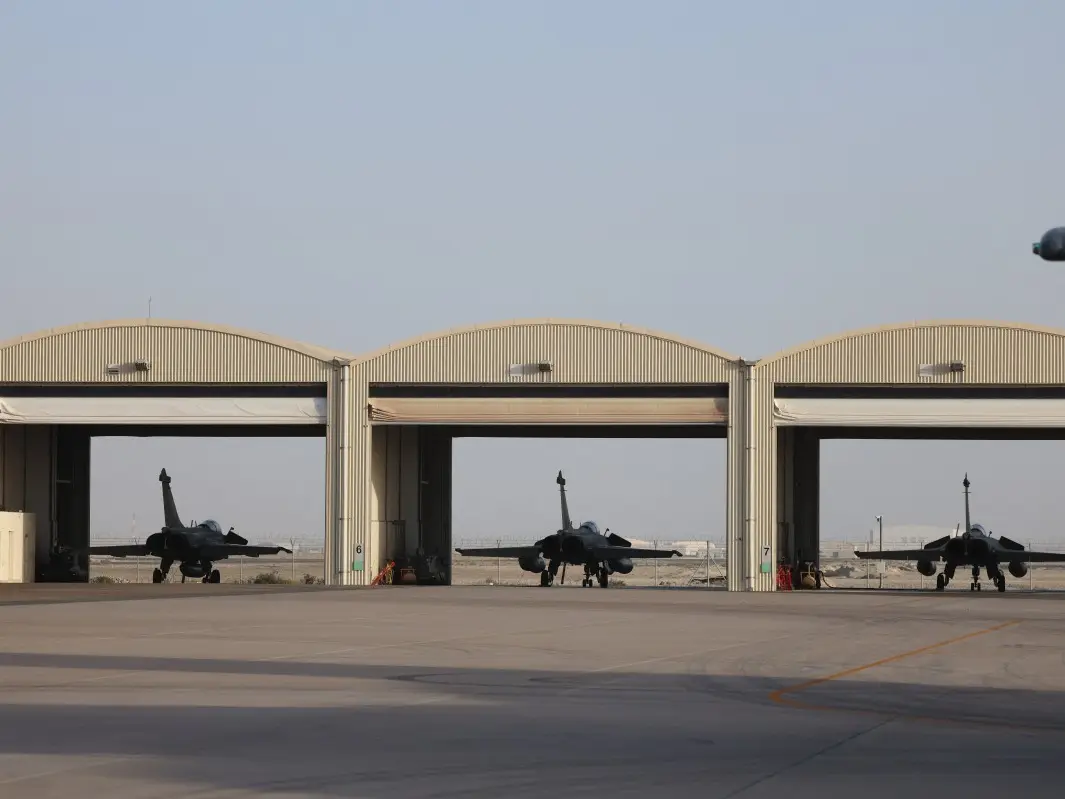
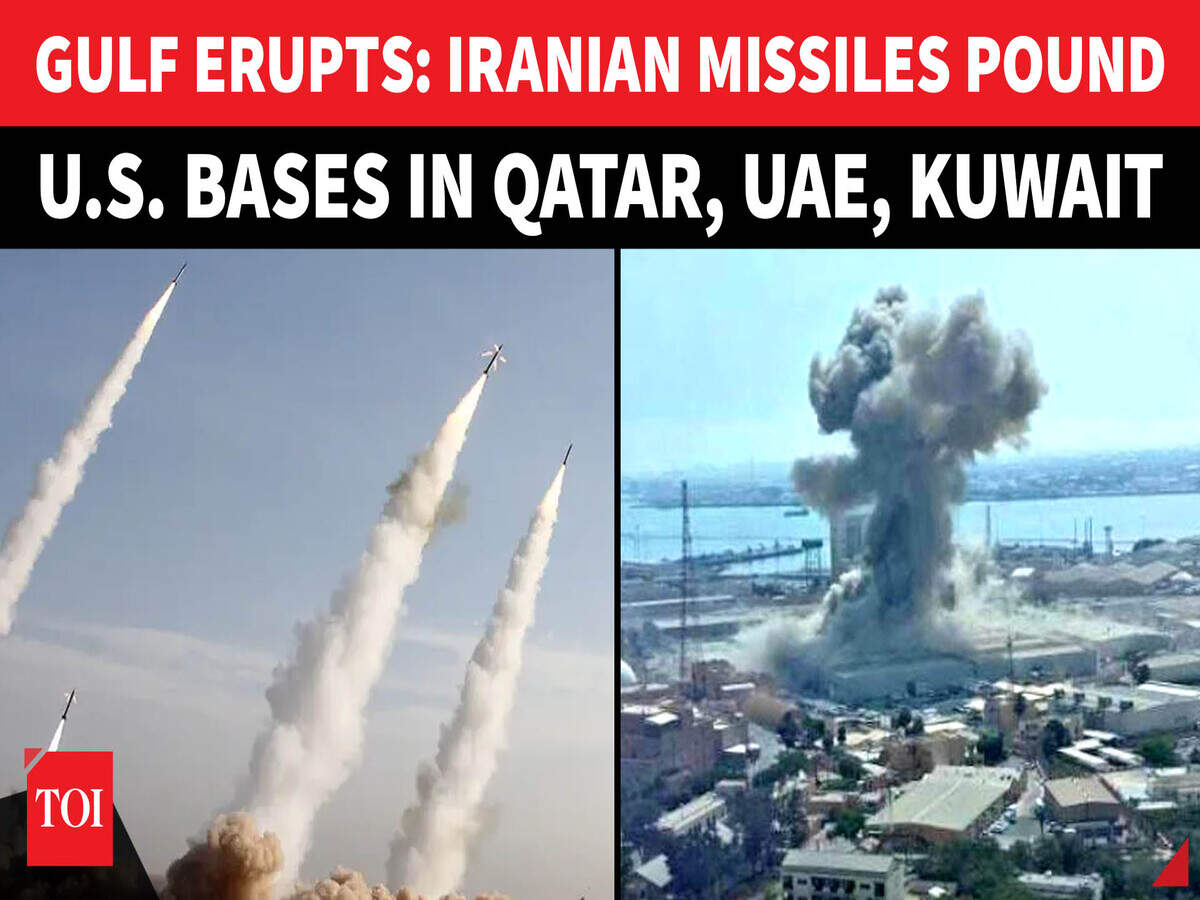
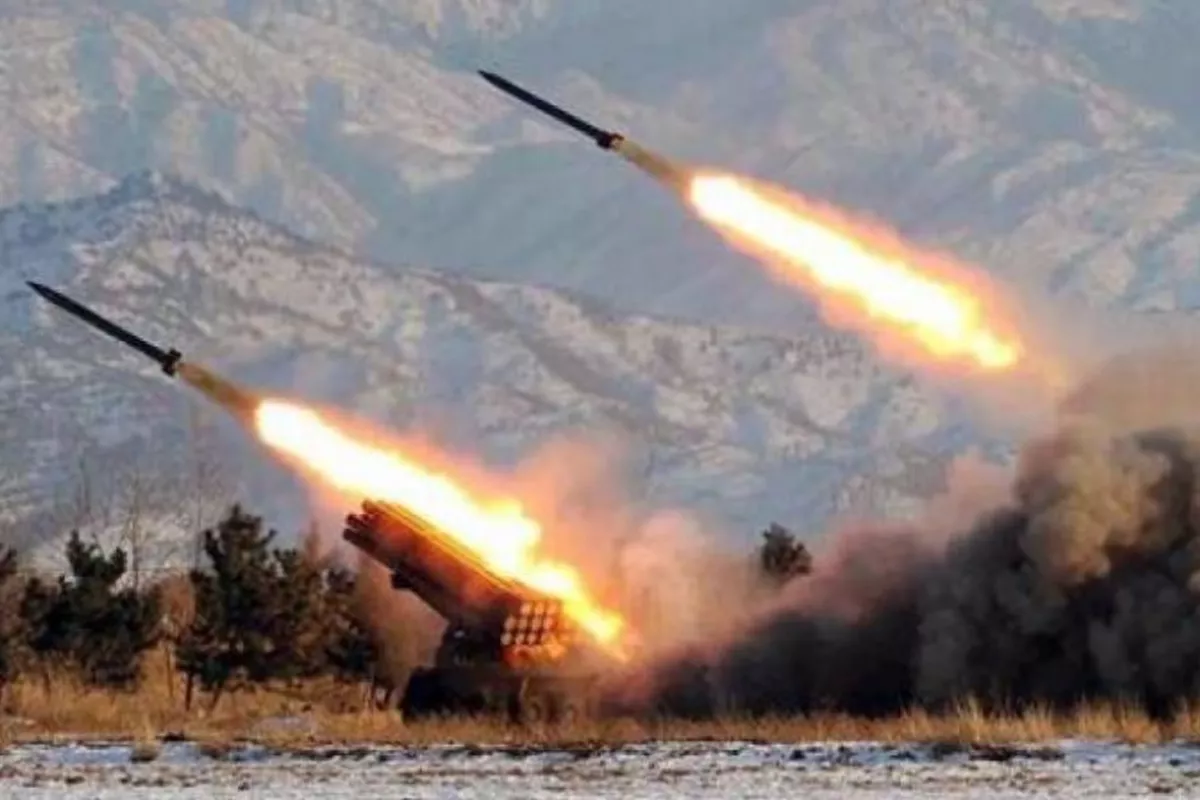
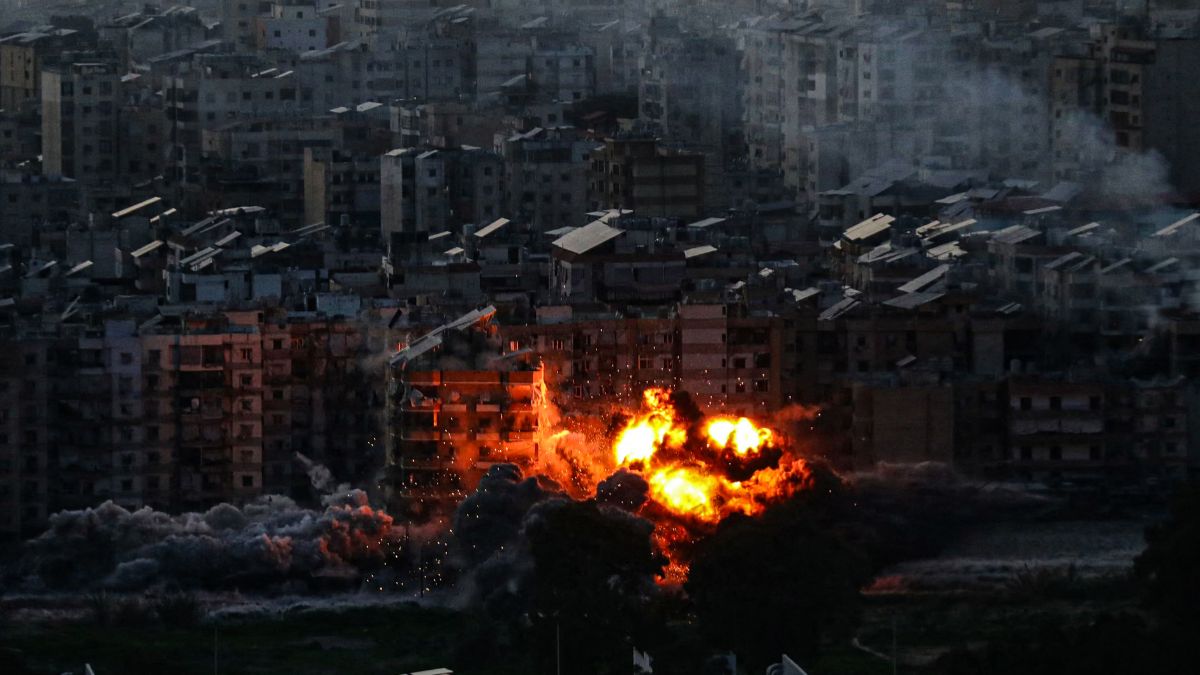
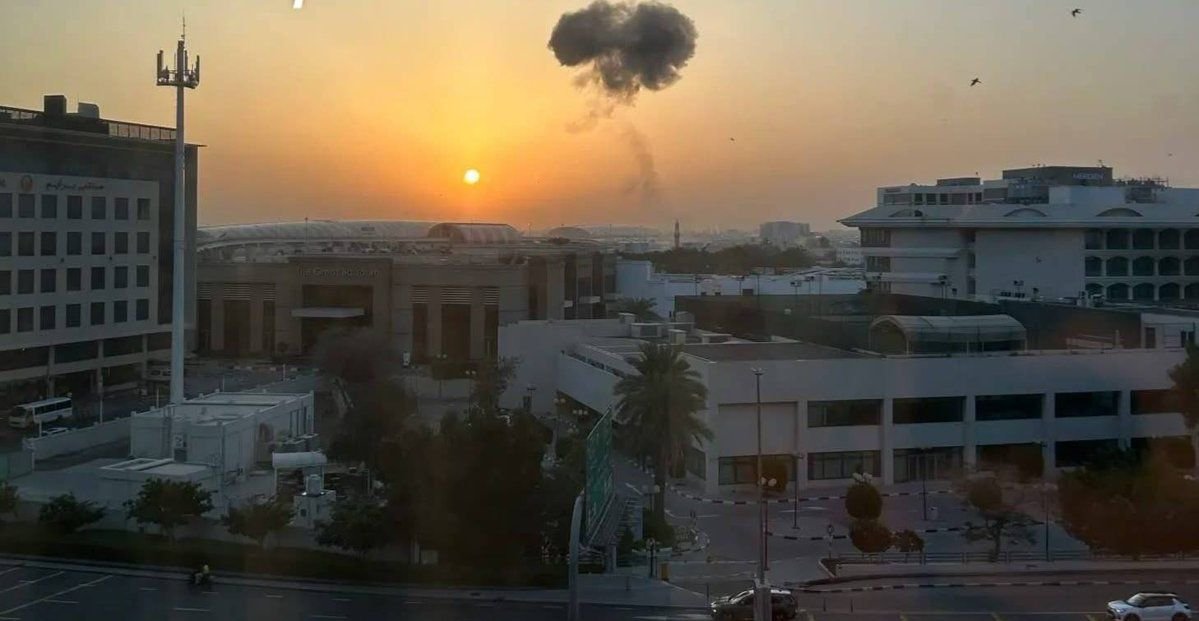
The escalating Iran-Gulf states military conflict represents a critical supply chain disruption event for cross-border e-commerce sellers, with direct operational impacts on global logistics infrastructure. Dubai International Airport, handling 127.7 million passengers annually and serving as a critical hub for e-commerce air cargo operations, suspended operations for 30 minutes during drone attacks on the Marina district. Qatar's Civil Aviation Authority announced partial resumption of air navigation through contingency routes with limited capacity, while Emirates suspended then partially resumed flights following missile debris interceptions. These disruptions directly threaten sellers utilizing Middle Eastern transit hubs and air freight routes for time-sensitive international shipments.
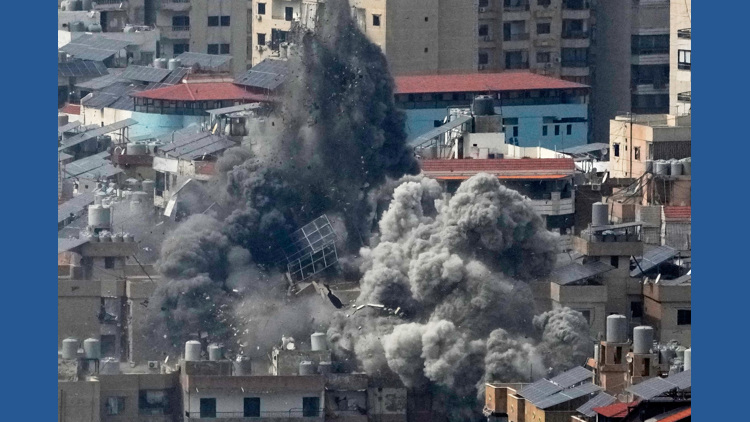
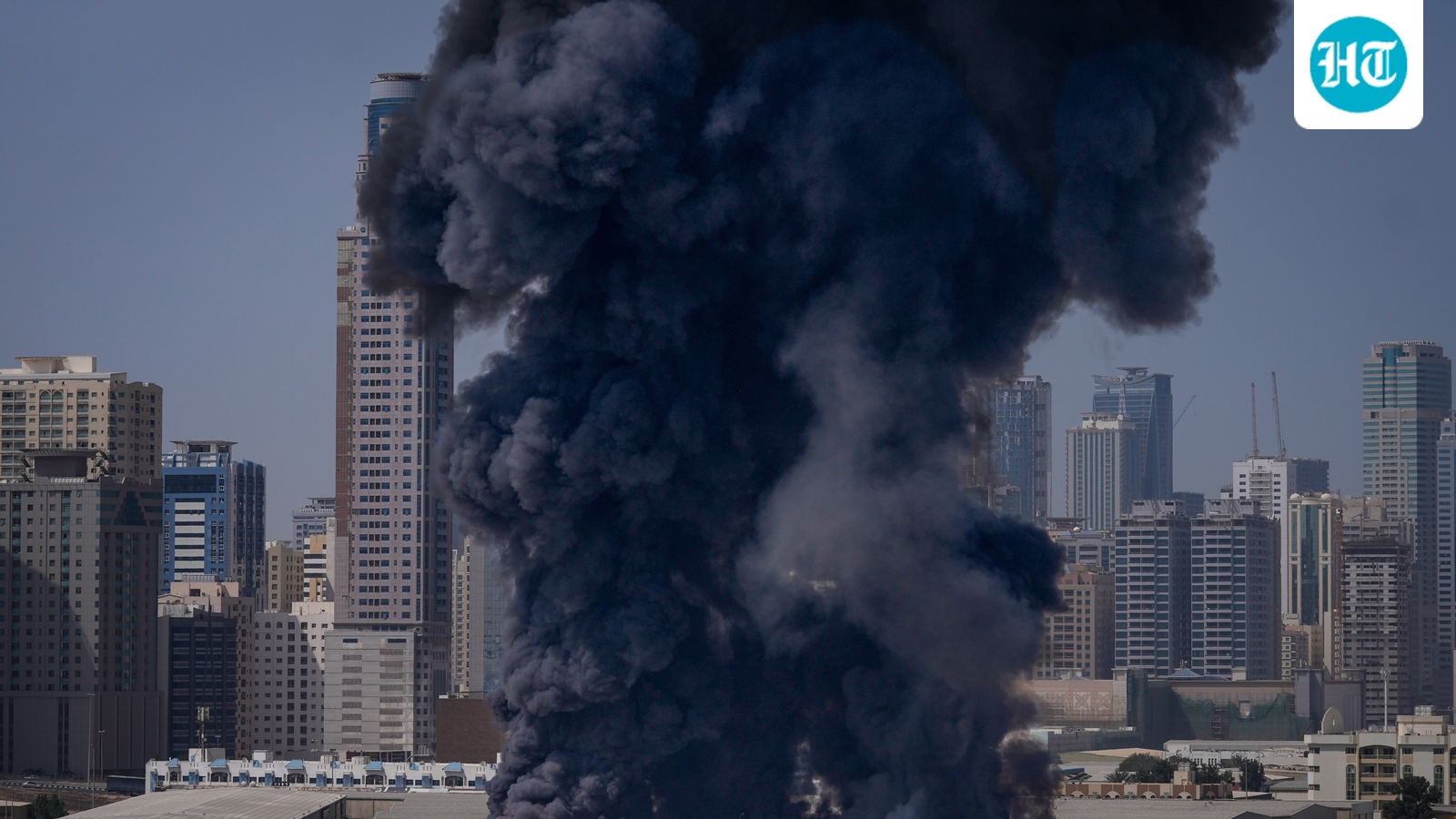
Immediate Logistics Impact: The conflict has caused regional airspace closures and triggered mass exodus of travelers attempting to leave the Middle East. E-commerce sellers utilizing Dubai, Abu Dhabi, Doha, and other Gulf region logistics centers face potential operational delays and route diversions. Major tech companies like Google initiated emergency evacuations of approximately 1,000 employees from Dubai, demonstrating the scale of business disruption. Airspace closures eliminated commercial flight options, forcing stranded individuals to seek private jet charters and overland escape routes. This incident highlights vulnerabilities in supply chain continuity for companies operating fulfillment centers, customer service hubs, and regional headquarters throughout the Gulf states.
Shipping Cost Escalation: The ongoing instability threatens supply chain continuity and increases shipping costs substantially. Industry analysis indicates air freight premiums typically increase 15-25% during regional conflicts due to route diversification, fuel surcharges, and capacity constraints. Sellers shipping high-value electronics, fashion, and time-sensitive products (HS codes 8471, 6204, 9405) face immediate cost pressures. The Shaybah oil field, producing one million barrels daily, faced drone interception attempts, signaling potential fuel price volatility that directly impacts air cargo pricing. Bahrain confirmed intercepting 86 missiles and 148 drones since attacks began, indicating sustained military operations that will prolong logistics disruptions.
Strategic Sourcing Implications: The crisis threatens to realign Middle Eastern trade relationships toward closer U.S. security partnerships, potentially reshaping trade relationships and logistics corridors throughout the Middle East. Sellers currently routing inventory through Gulf hubs should immediately evaluate alternative logistics pathways via Southeast Asia (Singapore, Bangkok) or direct Asia-to-Europe corridors. The U.S. State Department advised Americans to leave 15 countries across the Middle East region including the UAE, Saudi Arabia, Egypt, Iraq, and Israel, signaling extended operational uncertainty. Sellers with fulfillment operations in these regions face potential staffing shortages and operational continuity risks. The conflict's fluid nature with no immediate resolution creates sustained risk for businesses dependent on Middle Eastern logistics infrastructure and air cargo services essential for time-sensitive international shipments.
Questions 7
How long will Middle East logistics disruptions likely persist?
The situation remains fluid with no immediate resolution, creating sustained risk for businesses dependent on Middle Eastern logistics infrastructure. Qatar's Civil Aviation Authority announced partial resumption of air navigation through contingency routes with limited capacity, indicating operations will remain constrained for weeks. Iranian President Masoud Pezeshkian announced Tehran would cease attacks unless provoked, though attacks continued after the statement, signaling unpredictable escalation patterns. Historical precedent suggests regional conflicts typically disrupt logistics for 4-8 weeks before normalization. Sellers should plan for extended disruptions through April 2026 and maintain alternative routing arrangements. Monitor official aviation authority announcements and geopolitical developments for resolution signals.
What immediate actions should sellers take to protect supply chain continuity?
Sellers should immediately: (1) Audit inventory levels in Gulf fulfillment centers and develop evacuation plans by March 15, 2026; (2) Contact 3PL providers to confirm alternative routing capabilities and cost estimates; (3) Evaluate Southeast Asia fulfillment options (Singapore, Bangkok) as backup hubs; (4) Monitor airspace reopening timelines through aviation authority websites; (5) Increase safety stock for time-sensitive categories by 15-20% to buffer against delays. Major corporations demonstrated more robust emergency response protocols than government agencies, indicating sellers should develop independent contingency plans. The U.S. State Department provided no specific evacuation procedures or logistical support, requiring sellers to self-manage supply chain resilience.