

China's AI-Powered Labor Strategy Reshapes Supply Chains | Seller Impact 2026
- 12.7M new graduates drive automation acceleration in Chinese manufacturing; supply chain costs and timelines face 8-15% volatility through 2030














Overview
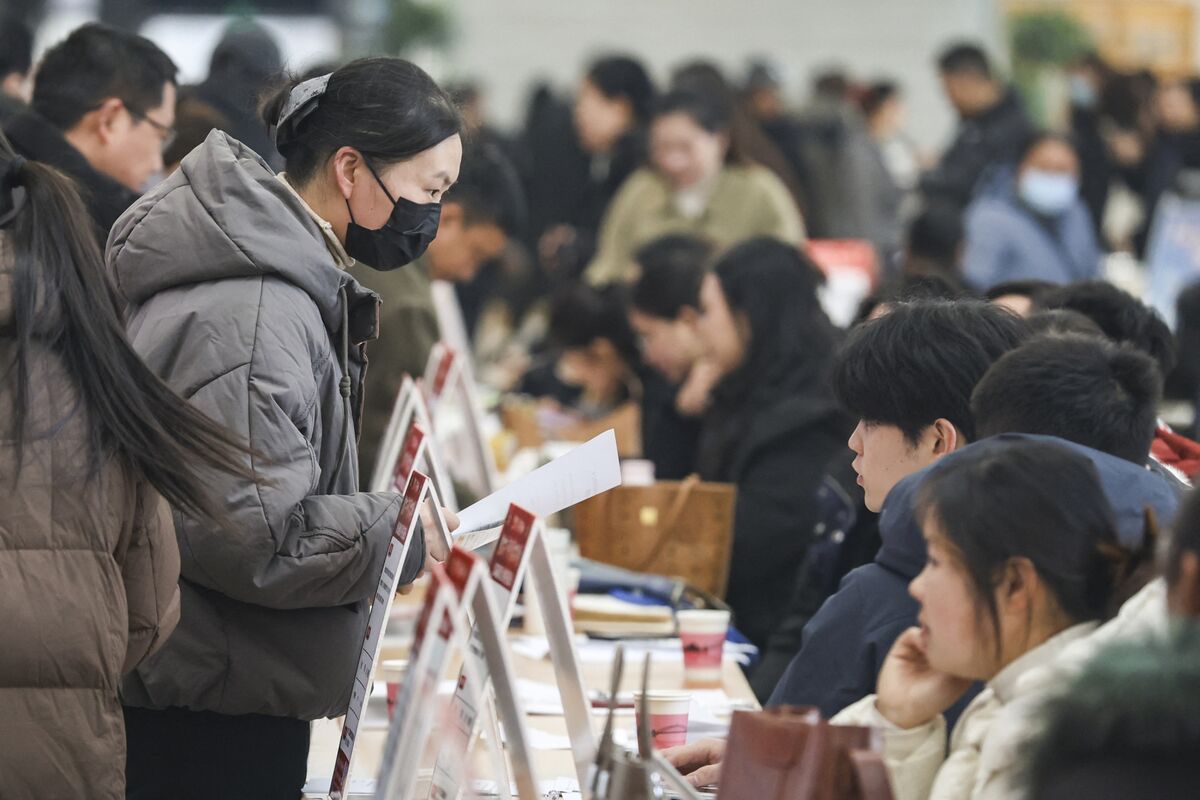
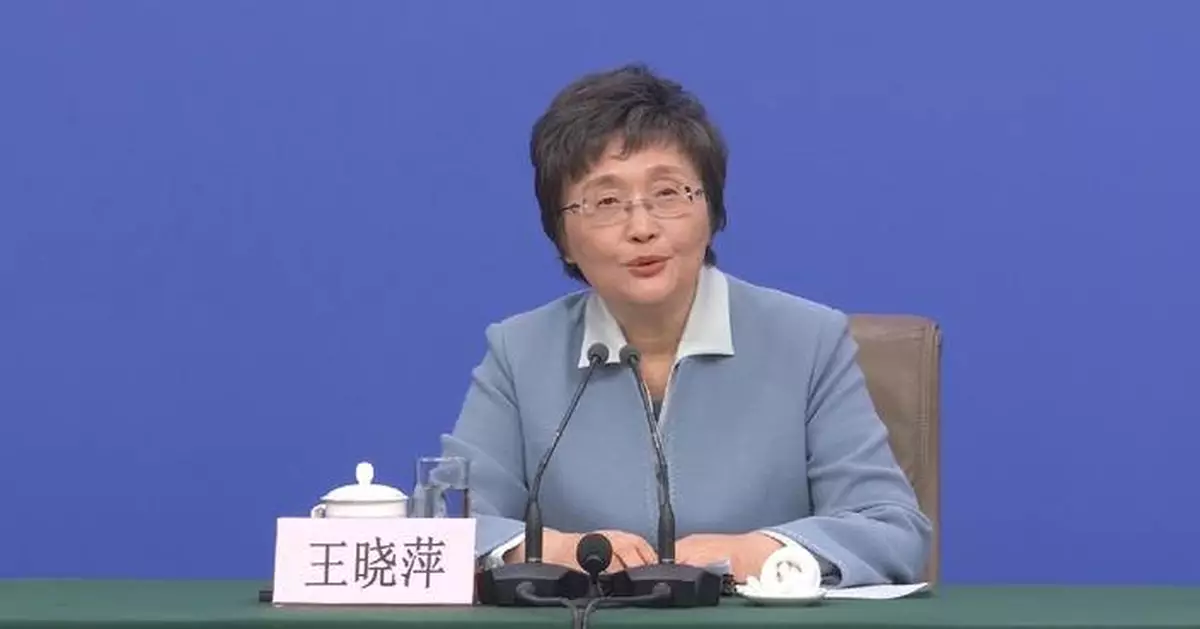
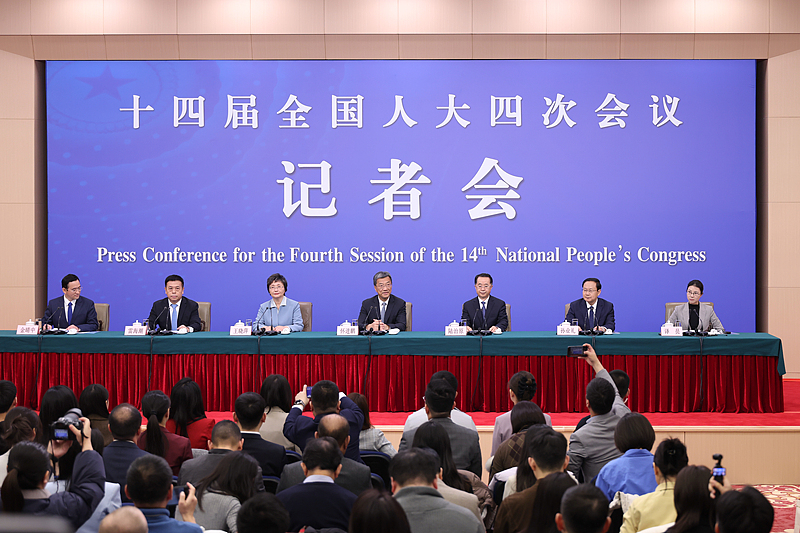
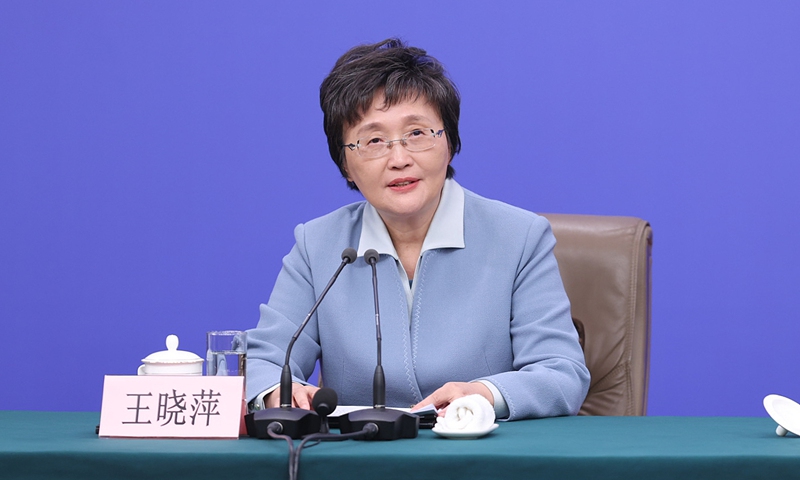
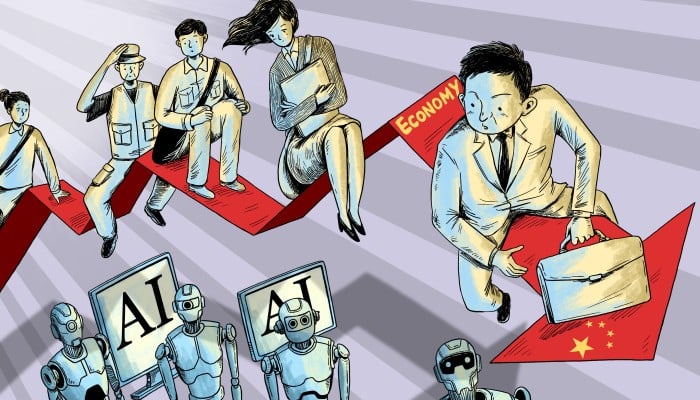
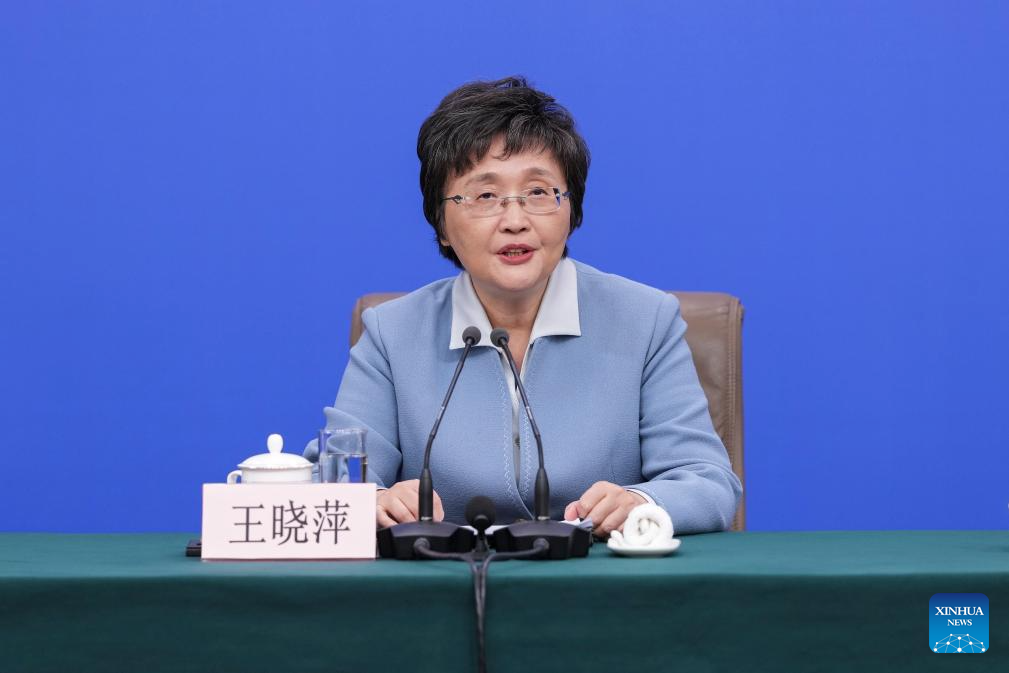
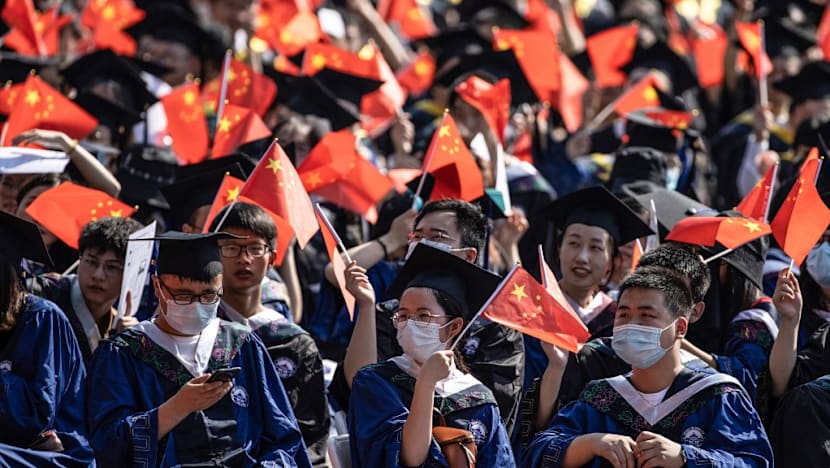
China's government announced a comprehensive AI-driven employment strategy at the March 2026 National People's Congress, directly reshaping global supply chains for cross-border e-commerce sellers. Human Resources Minister Wang Xiaoping revealed that 12.7 million university graduates will enter China's labor market this year—exceeding Belgium's entire population—forcing Beijing to pivot toward AI-powered workforce development rather than traditional job creation. This policy shift carries profound implications for sellers sourcing from China, as the government explicitly commits to maintaining employment stability over the next five years while accelerating AI adoption across manufacturing, logistics, and e-commerce operations.
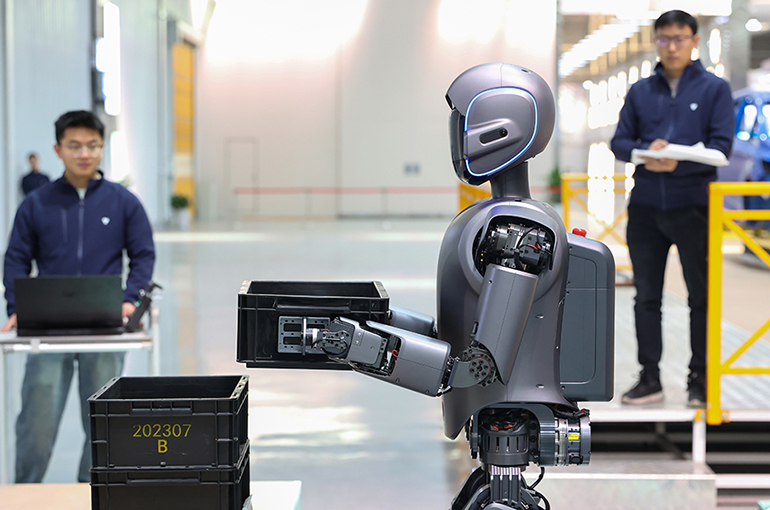
The immediate supply chain impact centers on labor cost volatility and automation acceleration. Chinese manufacturers face dual pressures: absorbing record graduate cohorts while investing in AI technologies to maintain competitive pricing. For sellers relying on Chinese suppliers, this creates a 12-18 month window of uncertainty. Labor costs may initially rise 5-8% as companies hire graduates for AI-adjacent roles, then compress 10-15% as automation scales. Production timelines could extend 2-3 weeks during the transition period as suppliers implement new AI systems. Sellers should expect supplier communications about price adjustments and lead time changes through Q3 2026.
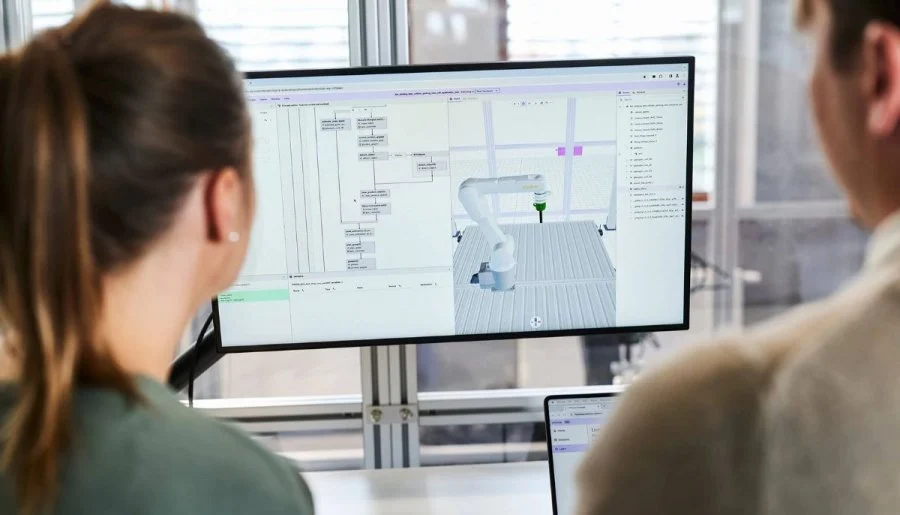
The strategic opportunity lies in AI-enabled supply chain intelligence. Sellers can leverage AI tools to monitor Chinese supplier automation adoption rates, predict cost trajectories, and identify which product categories will experience the most significant price compression. Companies like Alibaba and Made-in-China are already deploying AI to match graduates with e-commerce logistics roles, creating a new talent pool for digital commerce operations. Sellers using predictive analytics can time inventory purchases to capture cost savings before competitors, potentially securing 3-5% margin improvements on high-volume SKUs. The government's emphasis on "upgrading traditional roles through AI integration" signals that Chinese suppliers will increasingly offer AI-enhanced services—automated quality control, real-time inventory tracking, predictive shipping—that sellers can monetize through premium positioning.
Risk mitigation requires immediate supplier diversification analysis. While China's government commitment to employment stability is credible, the transition period (2026-2028) presents execution risks. Sellers should conduct AI readiness audits of top 10-20 suppliers, identifying which have invested in automation versus those relying on labor-intensive processes. Companies that delay AI adoption may face cost pressures and supply disruptions if labor availability tightens. Conversely, early-adopter suppliers will offer cost advantages and reliability improvements. The government's focus on young people and college graduates suggests a shift toward higher-skilled, higher-wage workers—meaning labor-intensive, low-margin categories (basic apparel, simple electronics) may experience the most significant cost increases, while tech-enabled products benefit from automation gains.
Questions 8
What compliance or regulatory changes should I monitor related to this employment policy?
Monitor three regulatory areas: First, China's AI governance framework may introduce new data handling and automation standards affecting supplier operations—stay updated on MIIT (Ministry of Industry and Information Technology) announcements. Second, the government's emphasis on 'responsible AI adoption' may lead to labor practice audits of suppliers, potentially affecting compliance requirements for sellers using platforms like Amazon (which requires supplier audits). Third, watch for changes in export regulations as China positions AI-enabled manufacturing as a competitive advantage—tariff classifications for AI-enhanced products may shift. Subscribe to government policy updates through the National People's Congress website and work with customs brokers to understand how automation investments might affect product classifications and duties. Staying ahead of regulatory changes can prevent supply disruptions and compliance penalties.
How can I use this policy shift to gain competitive advantage over other sellers?
Three immediate opportunities exist: First, use predictive analytics to identify suppliers investing in AI automation 2-3 months before competitors recognize the trend—secure cost advantages on high-volume SKUs by Q3 2026. Second, shift product mix toward automation-friendly categories (electronics, smart devices, quality-controlled items) where Chinese suppliers will offer 10-15% cost improvements. Third, develop supplier relationships with companies targeting the 12.7 million new graduates—these suppliers will have access to higher-skilled labor pools and can offer enhanced services (real-time tracking, predictive logistics, quality certifications) that justify premium positioning. Sellers implementing these strategies by June 2026 can achieve 3-5% margin improvements before market-wide adoption.