




Crude Oil Surge to $90 | Shipping Cost Impact for Cross-Border Sellers
- Fuel surcharges increase 2-5% on international logistics; FBA sellers face $150-400/month cost increases; geopolitical tensions signal sustained price pressure through Q2 2026











































Overview
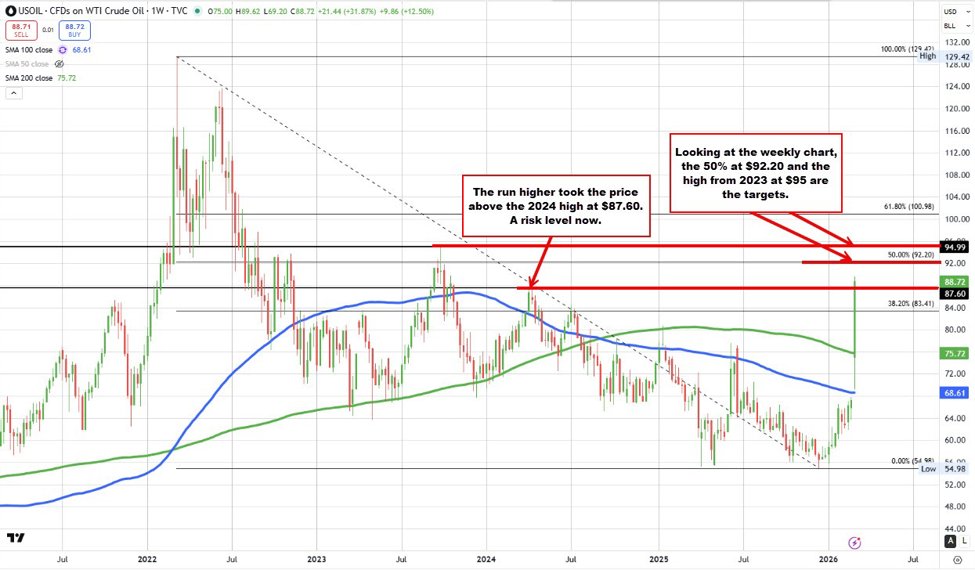
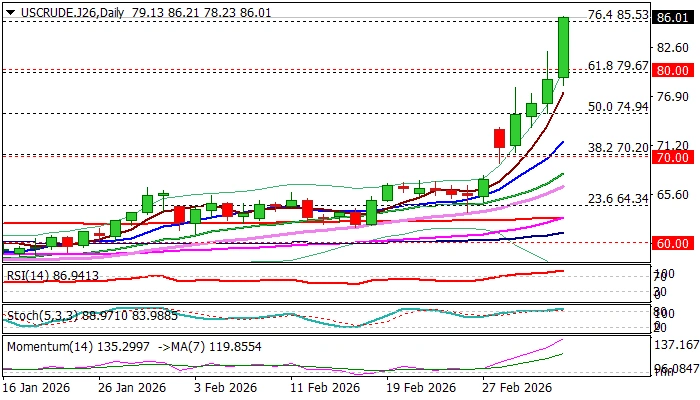
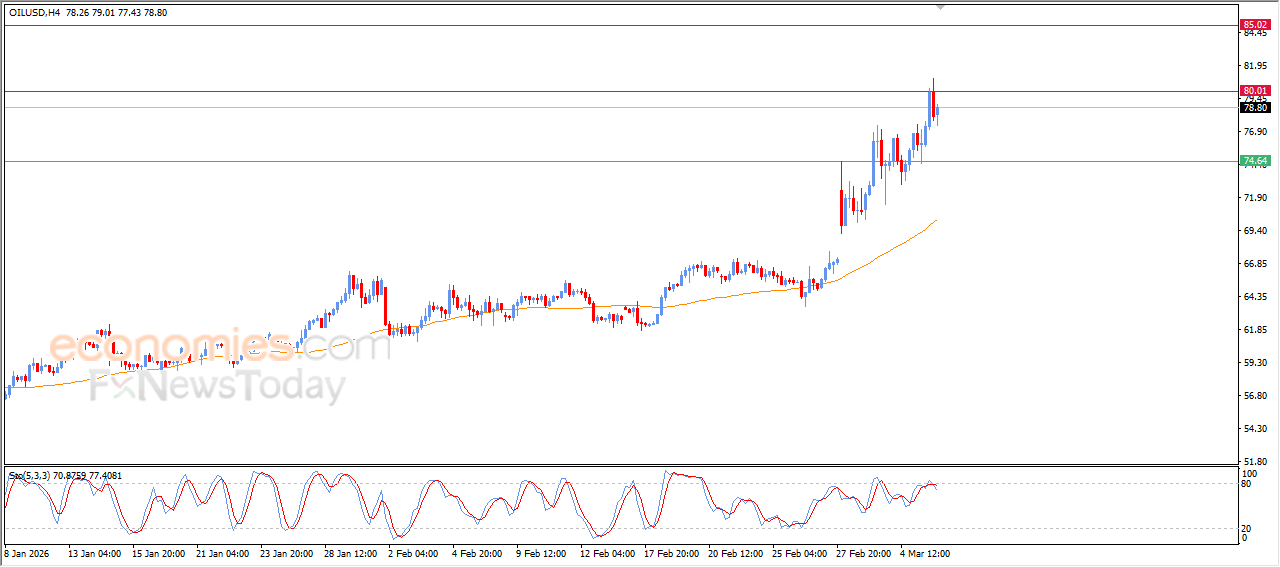
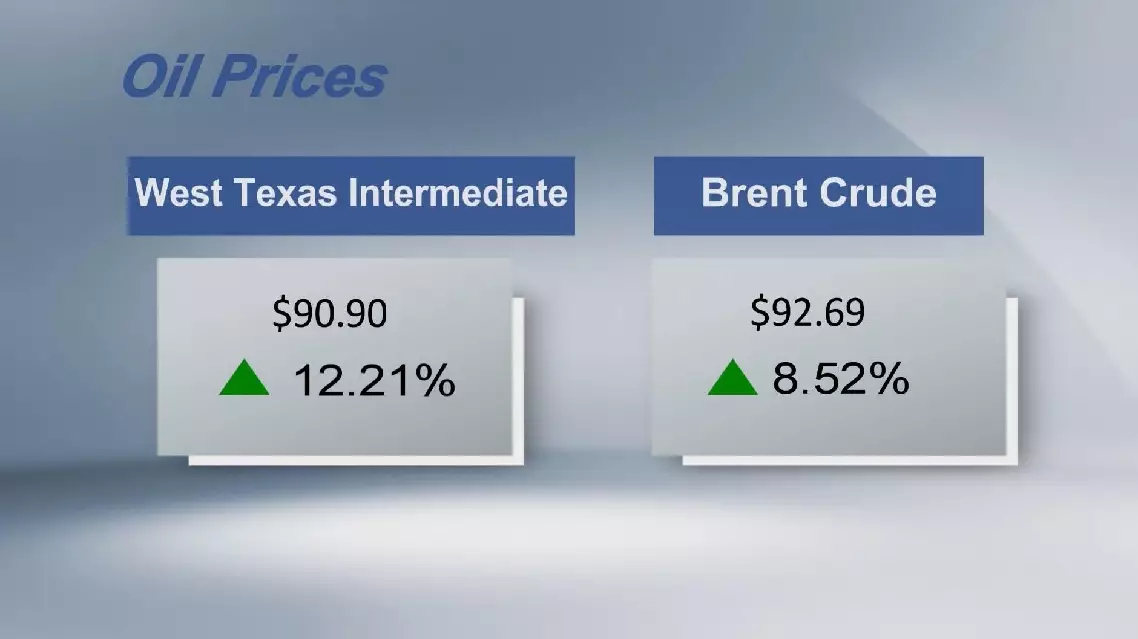
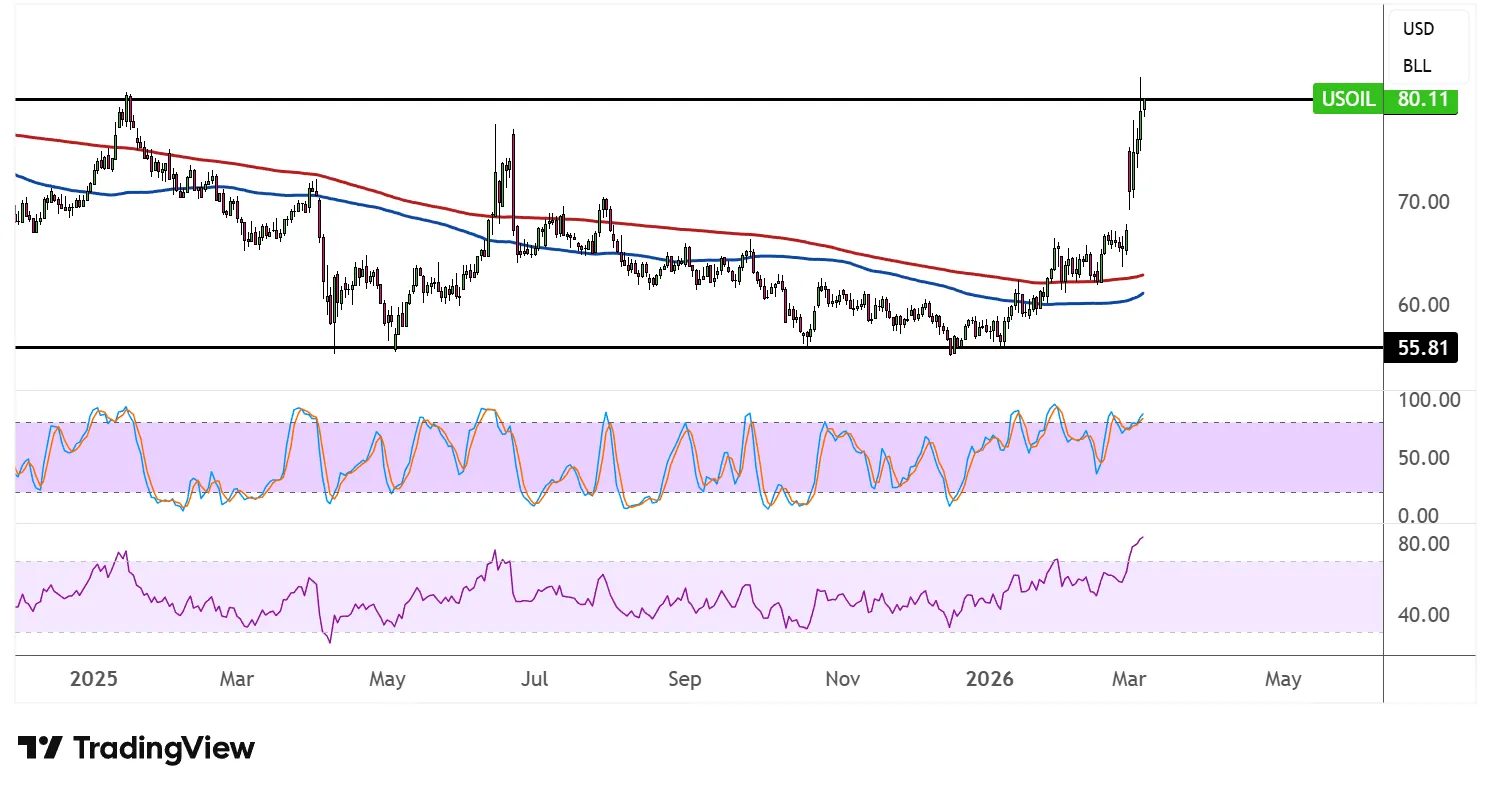
Crude oil prices have surged above $90 per barrel as of March 6, 2026, reaching extreme overbought conditions with RSI at 88.94—the highest level since August 1990 during the Iraq-Kuwait conflict. The 12% single-day surge and 35% weekly gains, driven by Iran conflict concerns and U.S./Israeli military strikes affecting global supply expectations, create immediate financial pressure on cross-border e-commerce sellers through elevated fuel surcharges on international shipping.
For cross-border sellers, this translates directly to working capital compression. Historical precedent from 1990 shows that despite overbought technical signals, crude prices continued rallying for two months after reaching peak RSI, suggesting sustained elevated fuel costs through May 2026. Current market dynamics indicate fuel surcharges will increase 2-5% on international shipping depending on logistics provider and shipping method. FBA sellers shipping 1,000+ units monthly face $150-400 in additional monthly fulfillment costs, while dropshippers using DHL, FedEx, or UPS international services experience similar margin compression. Sellers shipping from Asia to US/EU markets are most vulnerable, as air freight and ocean freight fuel surcharges compound with longer transit distances.
The financial optimization opportunity lies in three immediate actions: (1) Lock in shipping rates now through 90-day forward contracts with 3PL providers before fuel surcharges increase further—typical savings of 3-8% versus spot pricing; (2) Shift inventory positioning to regional fulfillment centers (US, EU, Asia hubs) to reduce long-haul shipping distances and fuel exposure; (3) Implement dynamic pricing strategies that pass 2-3% of fuel surcharge increases to customers while maintaining competitiveness. Sellers can also explore invoice financing and supply chain financing products that unlock working capital immediately—factoring platforms like Fundbox, BlueVine, and trade finance providers offer 1-3% discounts on invoices, converting 30-60 day payment cycles to 5-7 day cash access, offsetting fuel cost increases. Currency hedging becomes critical: sellers with USD revenue and CNY/INR costs should lock in forward FX rates to prevent dual pressure from oil-driven inflation and potential currency depreciation in emerging markets. Monitor fuel surcharge indices from major carriers (DHL Fuel Index, FedEx Fuel Surcharge) weekly and adjust pricing models accordingly.
Questions 8
How do I monitor fuel surcharge changes to adjust pricing dynamically?
Subscribe to weekly fuel surcharge indices from DHL, FedEx, and UPS—these are published publicly and updated every Friday. Set up alerts when surcharges increase 1%+ and adjust your product pricing within 48 hours. Most Amazon and eBay sellers can increase prices 2-3% without losing Buy Box or conversion rates during cost-driven increases. Use dynamic pricing tools (Repricing Central, SellerActive, Keepa) to automate adjustments based on fuel surcharge changes. This ensures margin protection without manual intervention and maintains competitiveness.
Which seller segments are most vulnerable to crude oil price increases?
FBA sellers shipping 1,000+ units monthly from Asia to US/EU face the highest exposure—$150-400 monthly cost increases compress margins 2-5%. Dropshippers using DHL/FedEx international services experience similar pressure. Sellers in heavy/bulky categories (furniture, appliances, sporting goods) face disproportionate fuel surcharge impact due to dimensional weight pricing. Conversely, sellers with US-based inventory, lightweight products, or regional fulfillment strategies experience minimal impact. Review your fulfillment cost breakdown by shipping method and geography to identify vulnerability.