




Apple MacBook Neo $599 Model | 50% Material Waste Reduction Reshapes Electronics E-Commerce
- Sustainable manufacturing drives affordable premium laptops; sellers must adopt eco-design principles to compete in $180B+ electronics category by March 2025











Overview
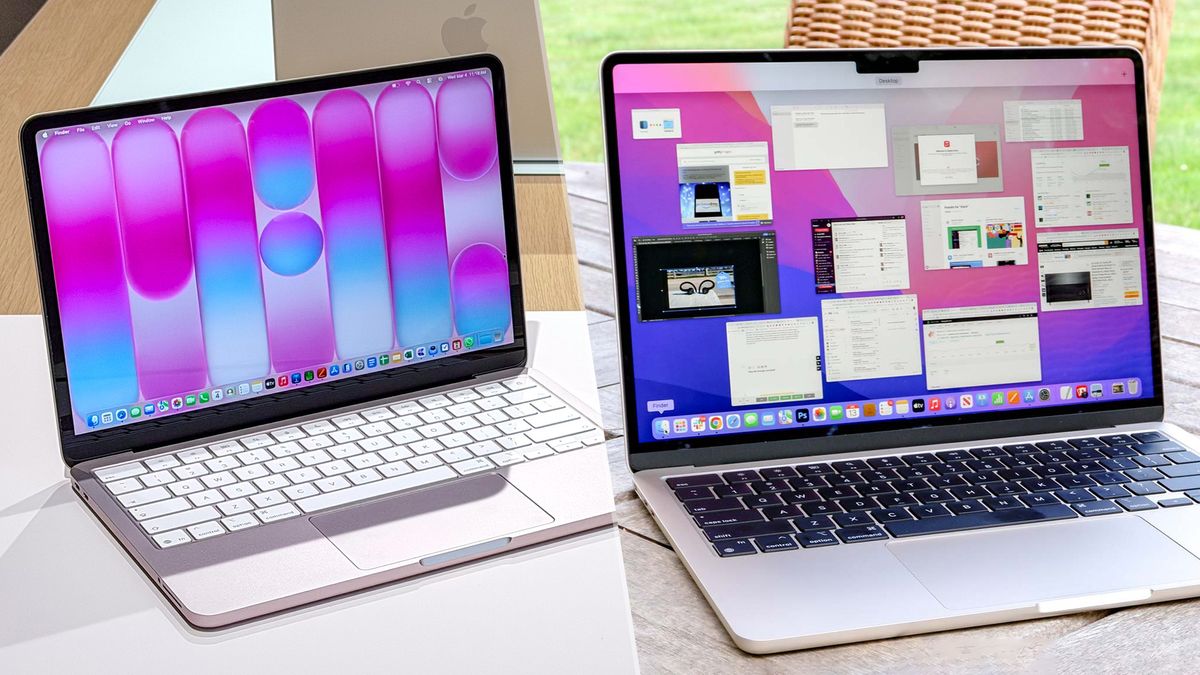
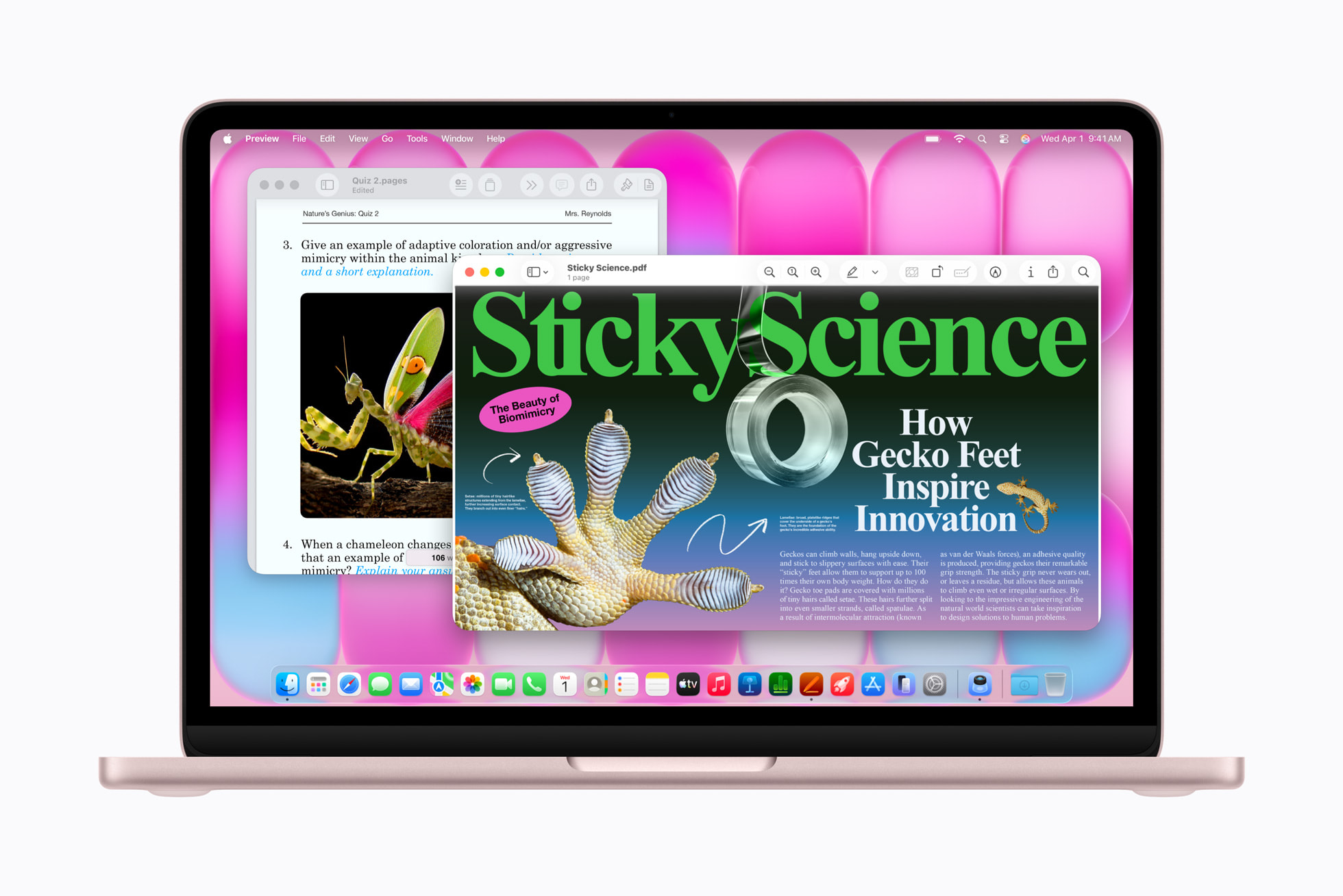
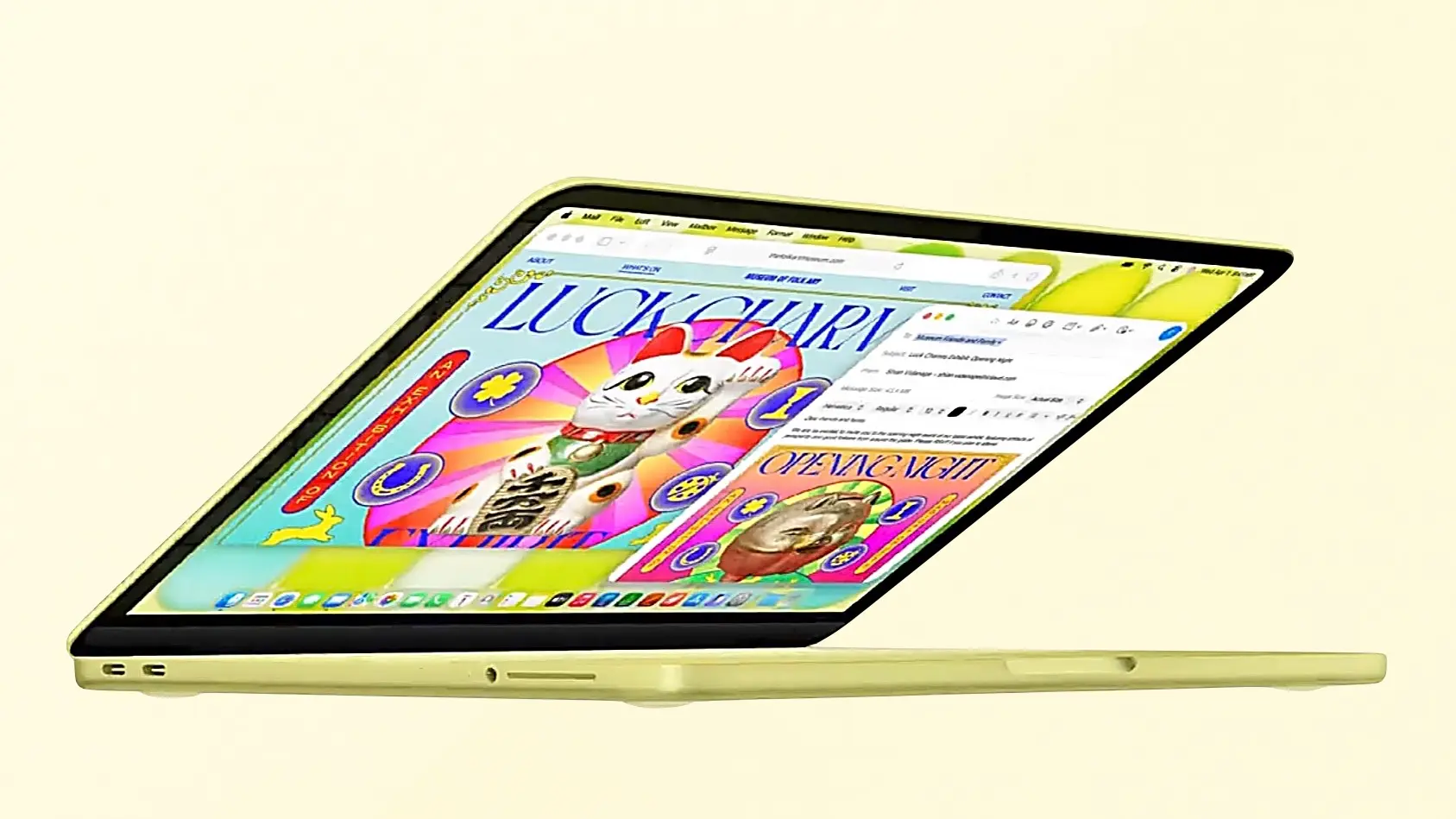
Apple's MacBook Neo launch represents a fundamental shift in how premium electronics are manufactured and priced, directly impacting e-commerce sellers across multiple categories. The $599 device, available for pre-order ahead of its March 11 launch, achieves a 50% reduction in material waste and manufacturing time through innovative aluminum extrusion processing—a "special equation" combining alloy selection, design optimization, and heat-pressure forming techniques. This isn't cost-cutting; it's sustainable engineering that maintains premium quality while dramatically reducing production complexity.
For e-commerce sellers, this signals three critical market shifts: First, consumer demand for sustainable electronics is now mainstream, not niche. Apple's positioning the MacBook Neo as premium-quality-at-affordable-price validates that eco-conscious manufacturing commands market share. Sellers in electronics, computer accessories, and refurbished tech categories must immediately audit their supply chains for material waste reduction opportunities. Second, manufacturing efficiency directly enables competitive pricing. By halving material usage and machining time, Apple can undercut competitors while maintaining margins—a playbook other manufacturers will replicate. Third, the circular economy is becoming a competitive moat. Products with highest recycled content and lowest waste footprints will capture growing consumer segments, particularly in developed markets where sustainability drives purchasing decisions.
Automation and AI opportunities for sellers are immediate: Use AI-powered supply chain analysis tools to identify material waste in your sourcing—similar to Apple's approach, even 20-30% reductions in waste translate to 5-8% cost savings that enable aggressive pricing. Implement predictive analytics on competitor pricing to monitor how other brands respond to MacBook Neo's $599 positioning; expect 10-15% price compression across the $500-800 laptop segment within 6 months. Deploy sentiment analysis on product reviews to track consumer perception of sustainability claims—this data reveals which eco-messaging resonates and drives conversion lift. For sellers sourcing from Asia-Pacific manufacturers, use AI to identify suppliers already implementing waste-reduction processes; these partners will gain competitive advantage as brands prioritize sustainable sourcing.
Strategic implications extend beyond laptops. The MacBook Neo demonstrates that premium positioning and affordability are compatible when manufacturing is optimized. Sellers in electronics, home goods, and consumer tech should expect margin pressure as competitors adopt similar efficiency strategies. However, first-movers who transparently communicate their waste reduction and recycled content will capture premium positioning within lower price tiers—a powerful differentiation strategy. The product's March 11 launch creates a 4-6 week window for sellers to analyze market response, adjust positioning, and prepare inventory strategies before competitor responses solidify.
Questions 7
What pricing strategy should sellers adopt in response to MacBook Neo's $599 positioning?
The MacBook Neo proves premium quality and affordable pricing are compatible when manufacturing is optimized—not when quality is cut. Sellers should avoid race-to-bottom pricing and instead focus on transparent communication of manufacturing efficiency and recycled content. Use AI pricing tools to monitor competitor responses to MacBook Neo's $599 launch; expect 10-15% compression across the $500-800 laptop segment within 6 months. Position your products by highlighting specific waste-reduction achievements and recycled content percentages—this justifies premium positioning within lower price tiers. Sellers who lead on sustainability messaging will capture margin-conscious consumers who value both affordability and environmental responsibility, creating defensible pricing power.
How can sellers use the MacBook Neo launch to identify supply chain optimization opportunities?
The MacBook Neo's success demonstrates that manufacturing efficiency directly enables market competitiveness. Sellers should immediately conduct three analyses: (1) Map your current material waste across production—identify where scrap, excess packaging, or processing inefficiency occurs; (2) Benchmark against Apple's 50% reduction target and set internal goals for 20-30% improvement within 12 months; (3) Use AI supply chain tools to identify manufacturers already implementing waste-reduction processes and prioritize partnerships with them. The March 11 launch creates a 4-6 week window to analyze market response and adjust your sourcing strategy before competitors solidify their positions. Sellers who move first on sustainable sourcing will capture first-mover advantage in eco-conscious consumer segments.