






Global Tensions Simmer: Protests and Military Provocations Expose Fragile International Dynamics
- Escalating Geopolitical Friction Signals Deepening Systemic Challenges Across Economic and Security Domains

































)



Overview
The current global landscape reveals a complex tapestry of institutional stress and geopolitical tension that extends far beyond isolated incidents. Two seemingly disconnected events—Greek agricultural protests and Japan-China military confrontation—actually illuminate a broader pattern of systemic fragility in international relations.
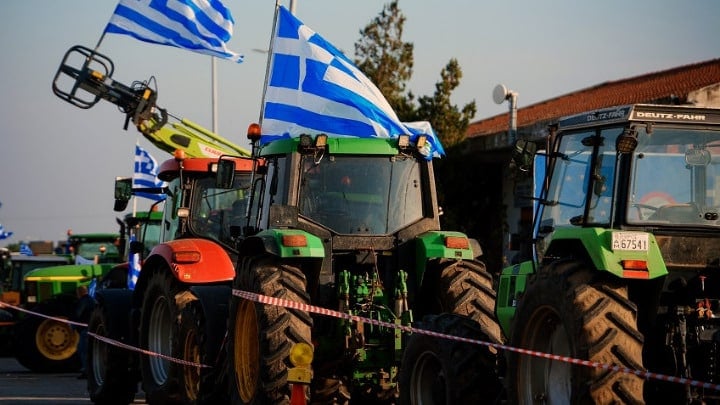
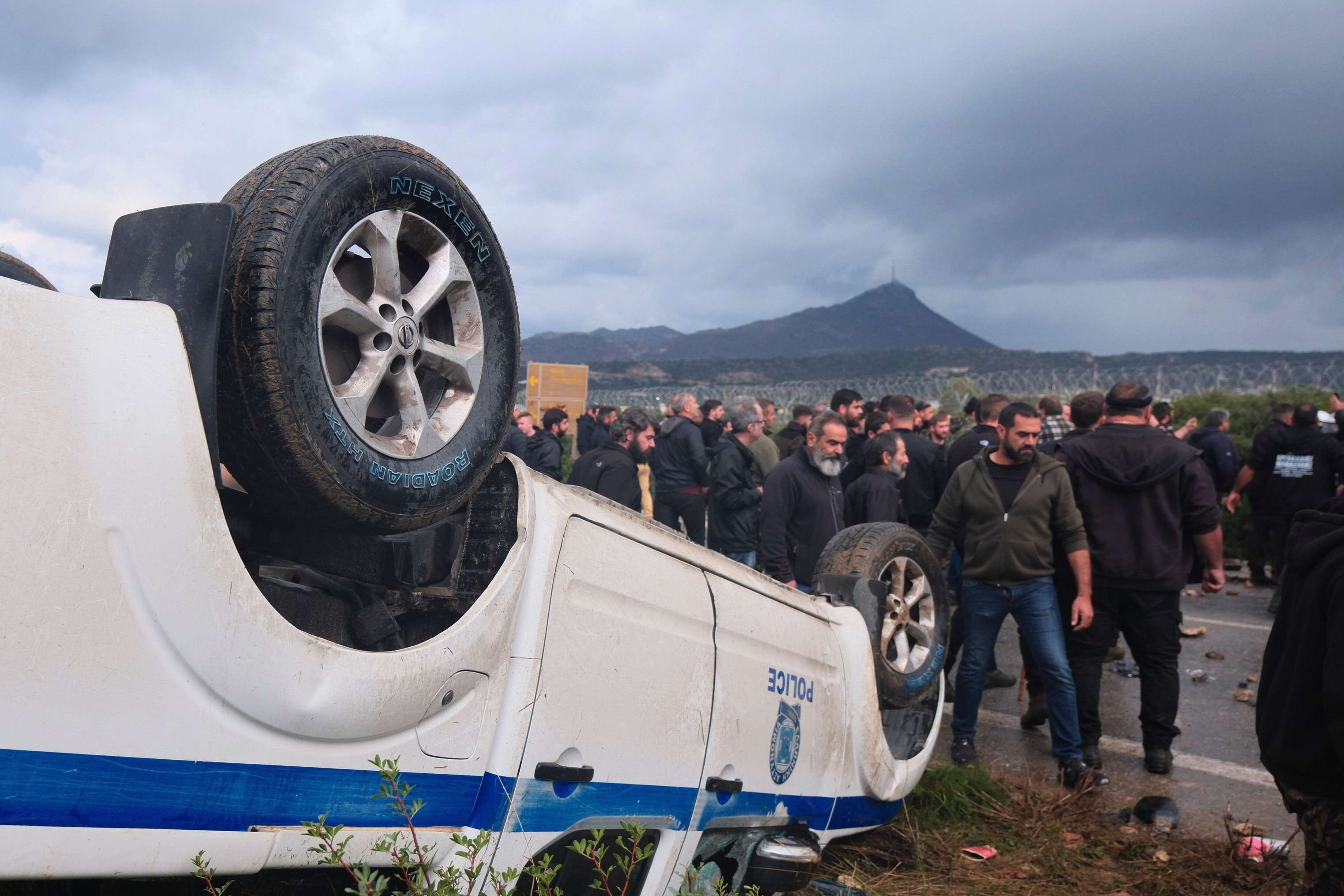
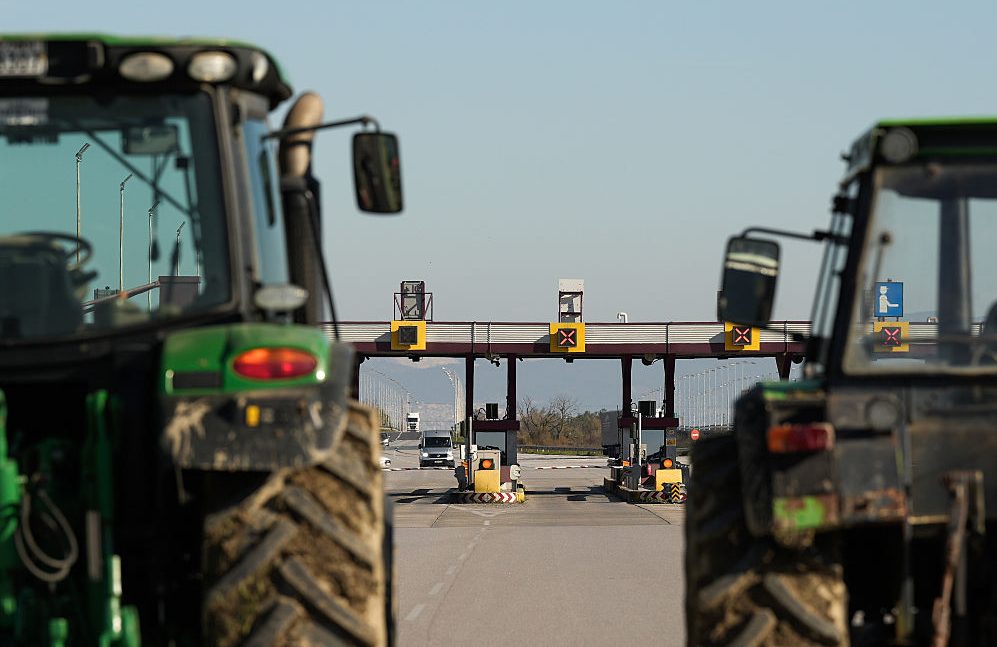
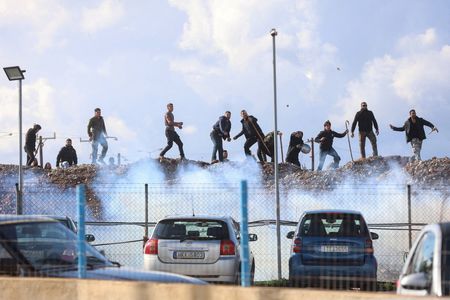
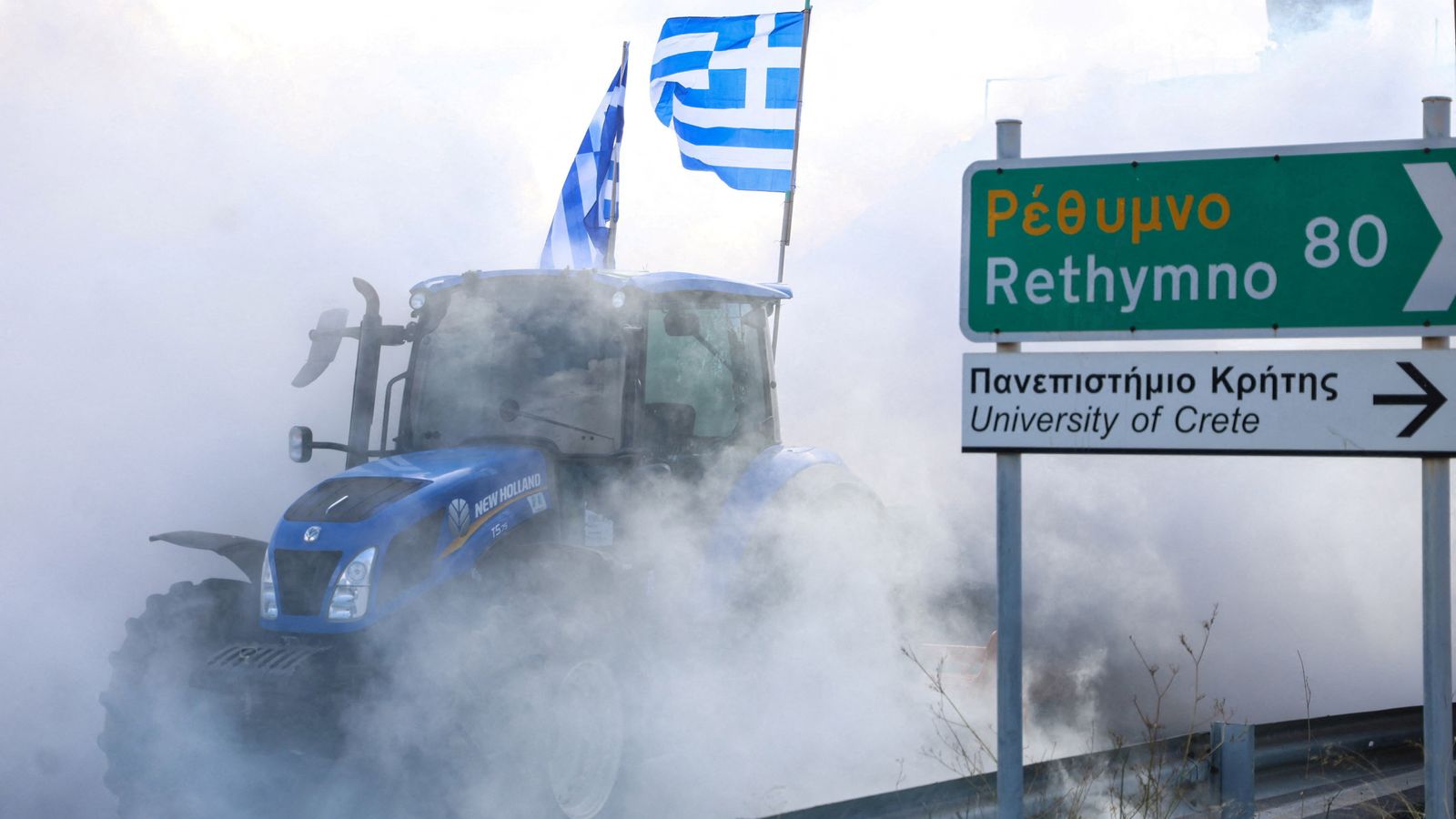
Institutional Breakdown in Economic Governance emerges as a critical theme. The Greek farmers' protests represent more than a localized disruption; they signal a profound breakdown in European Union agricultural policy. By blocking transportation infrastructure, including Crete's Nikos Kazantzakis International Airport, farmers are exposing fundamental weaknesses in subsidy management and bureaucratic accountability. The fraud scandal surrounding agricultural subsidies suggests deeper structural problems in how transnational economic support systems operate.
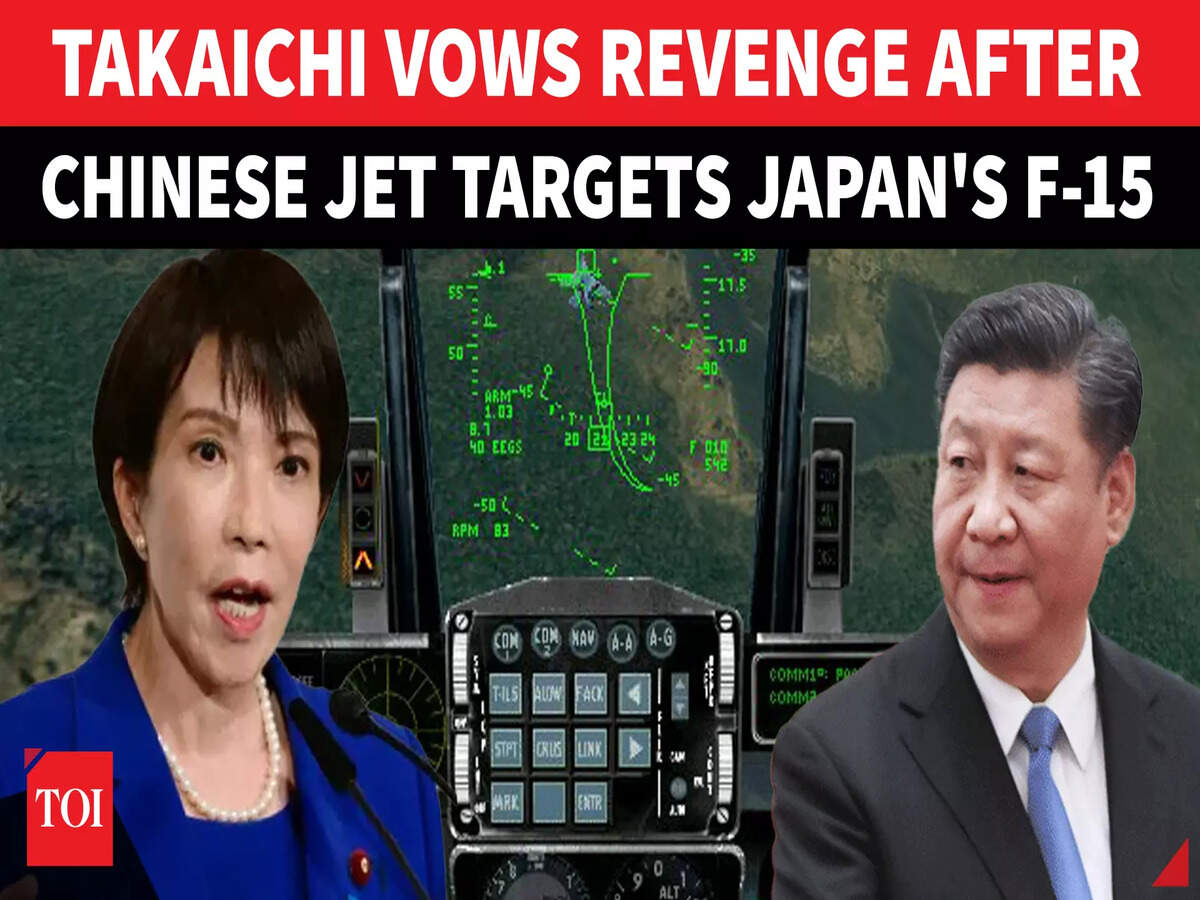
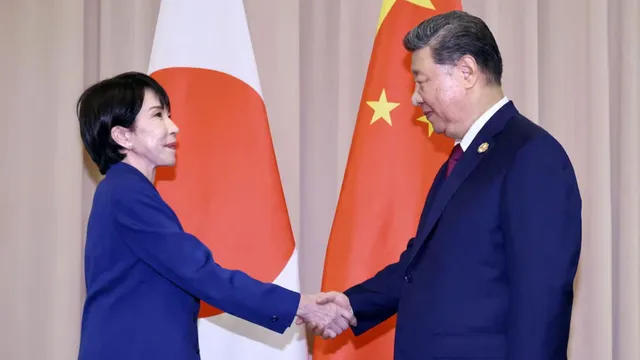
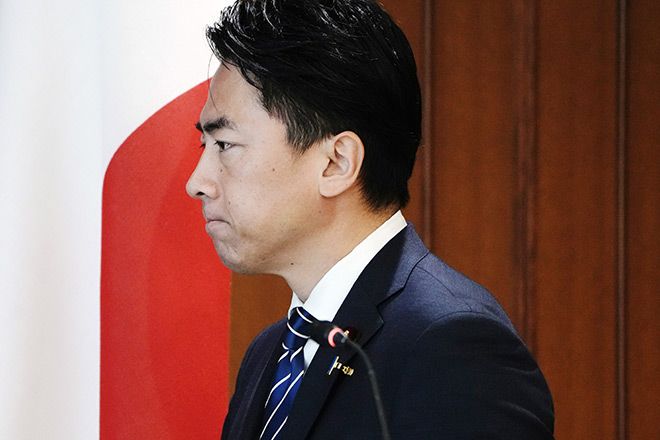
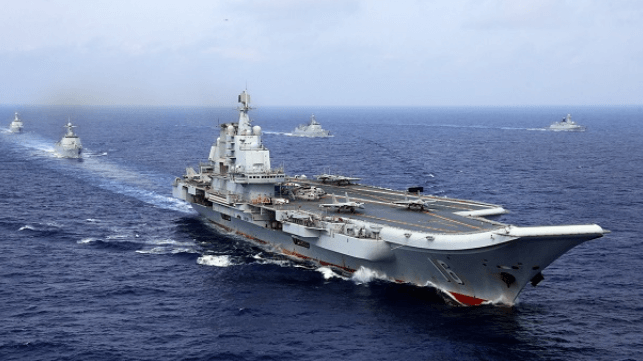
Geopolitical Tension as a Pressure Indicator is equally revealing. The radar lock incident between a Chinese J-15 fighter and a Japanese F-15 aircraft near Okinawa is not merely a military provocation but a strategic signaling mechanism. Japanese Prime Minister Sanae Takaichi's direct warning to China demonstrates the increasingly thin diplomatic margins in regional security dynamics. This incident reveals how minor technological interactions can rapidly escalate into potential conflict scenarios.
The underlying connection between these events is the erosion of institutional trust. Whether in economic policy or military engagement, traditional mechanisms of negotiation and conflict resolution are showing significant strain. Stakeholders are increasingly bypassing formal channels, using direct action—be it tractors blocking highways or military aircraft sending technological warnings—to communicate their frustrations and demands.
For policymakers and strategic observers, these developments signal a critical inflection point. The traditional assumptions of multilateral cooperation are being fundamentally challenged, replaced by more direct, potentially destabilizing forms of engagement. Organizations and governments must rapidly adapt to this new landscape of heightened uncertainty and reduced institutional resilience.
Questions 3
What underlying factors are driving the Greek farmers' protests?
The protests stem from delayed EU agricultural subsidies and a fraud scandal that has undermined trust in the subsidy allocation system. Farmers are using infrastructure blockades as a direct action mechanism to demand accountability and financial support, revealing deep systemic issues in agricultural policy management.
How significant is the Japan-China military radar incident?
The radar lock event is a critical indicator of escalating regional tensions. It represents a form of military signaling where technological interactions become diplomatic communication tools, potentially increasing the risk of accidental escalation or miscalculation between major powers.