


Mobile OS Evolution: How CMF's NothingOS 4.0 Redefines User Experience Optimization
- Emerging smartphone software strategies signal a new era of hyper-personalized mobile interfaces


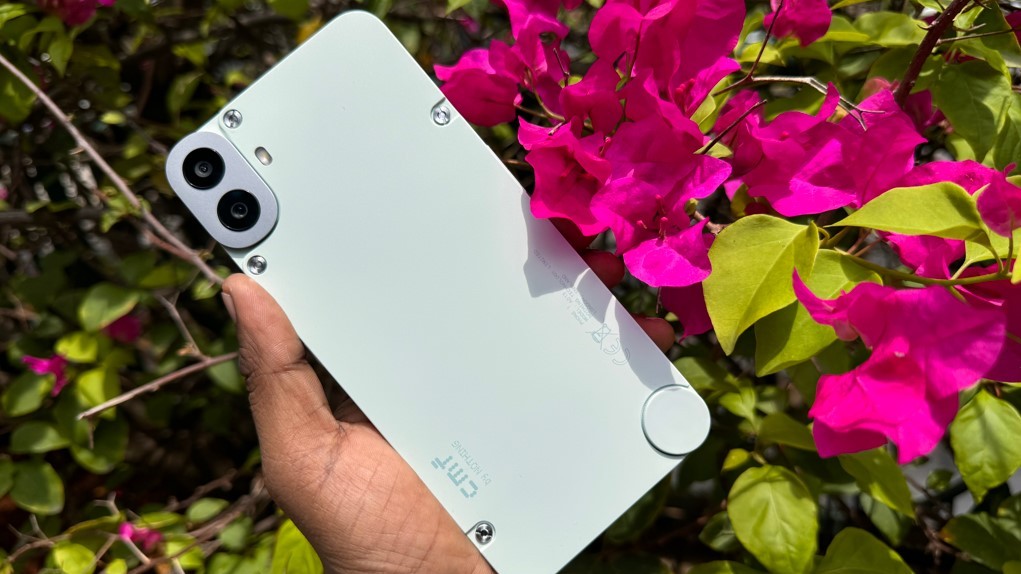
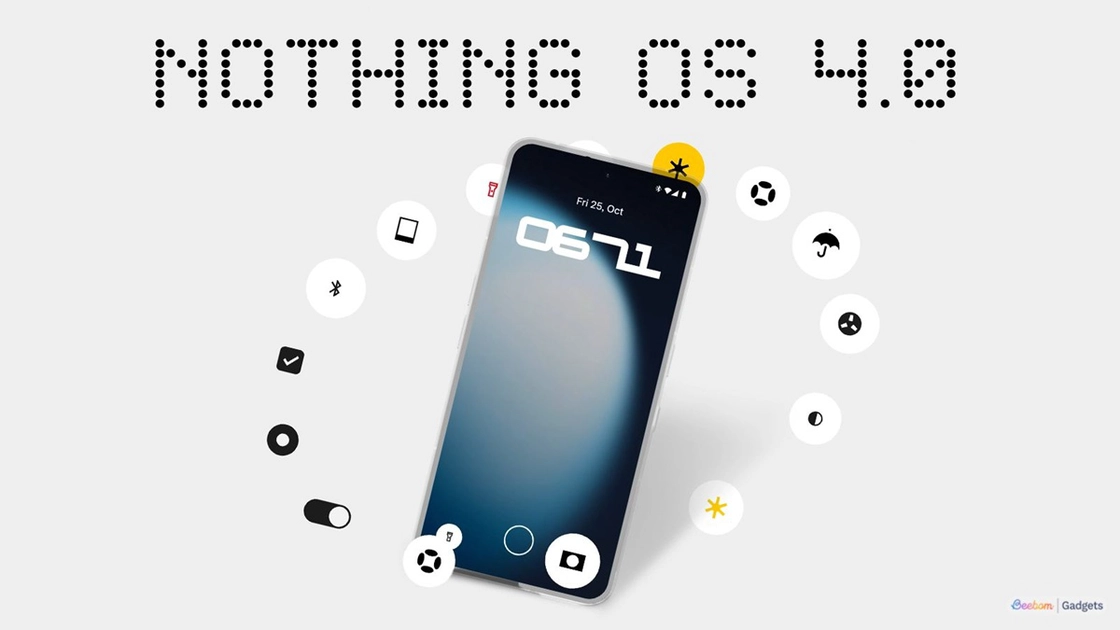
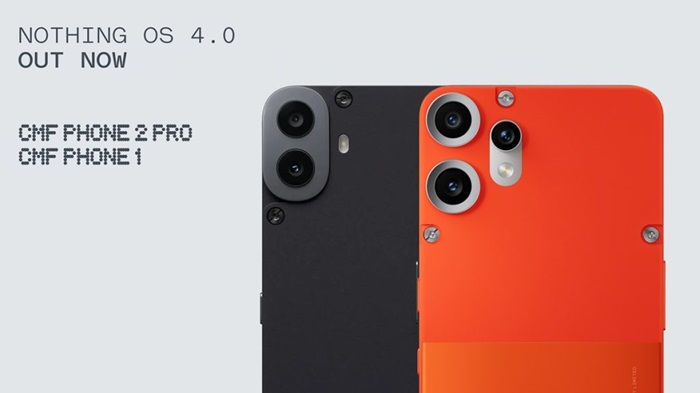




Overview
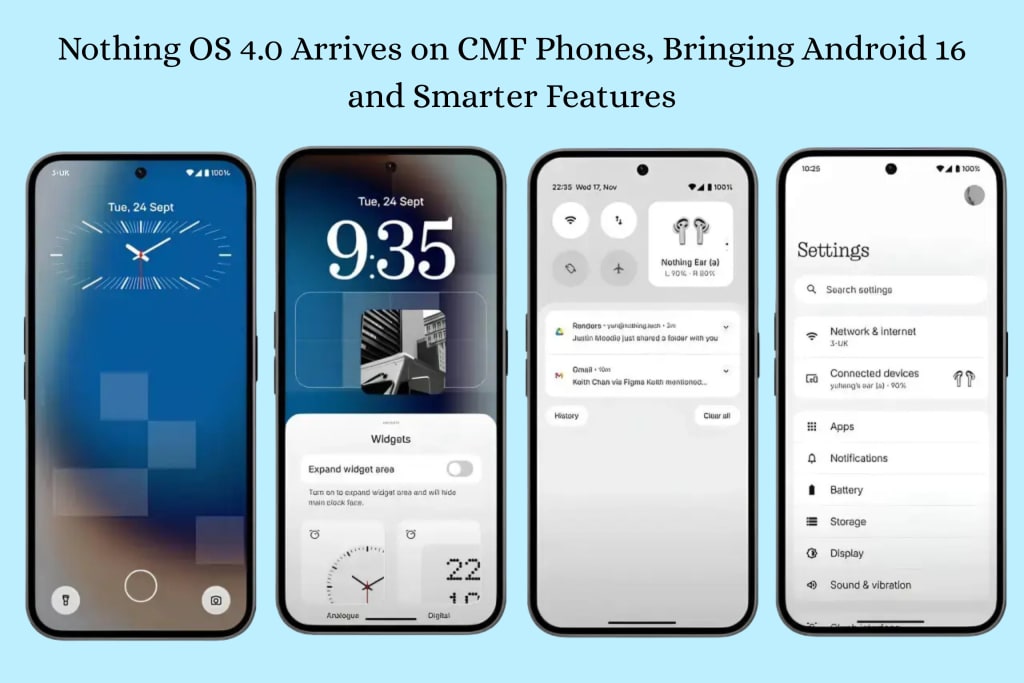
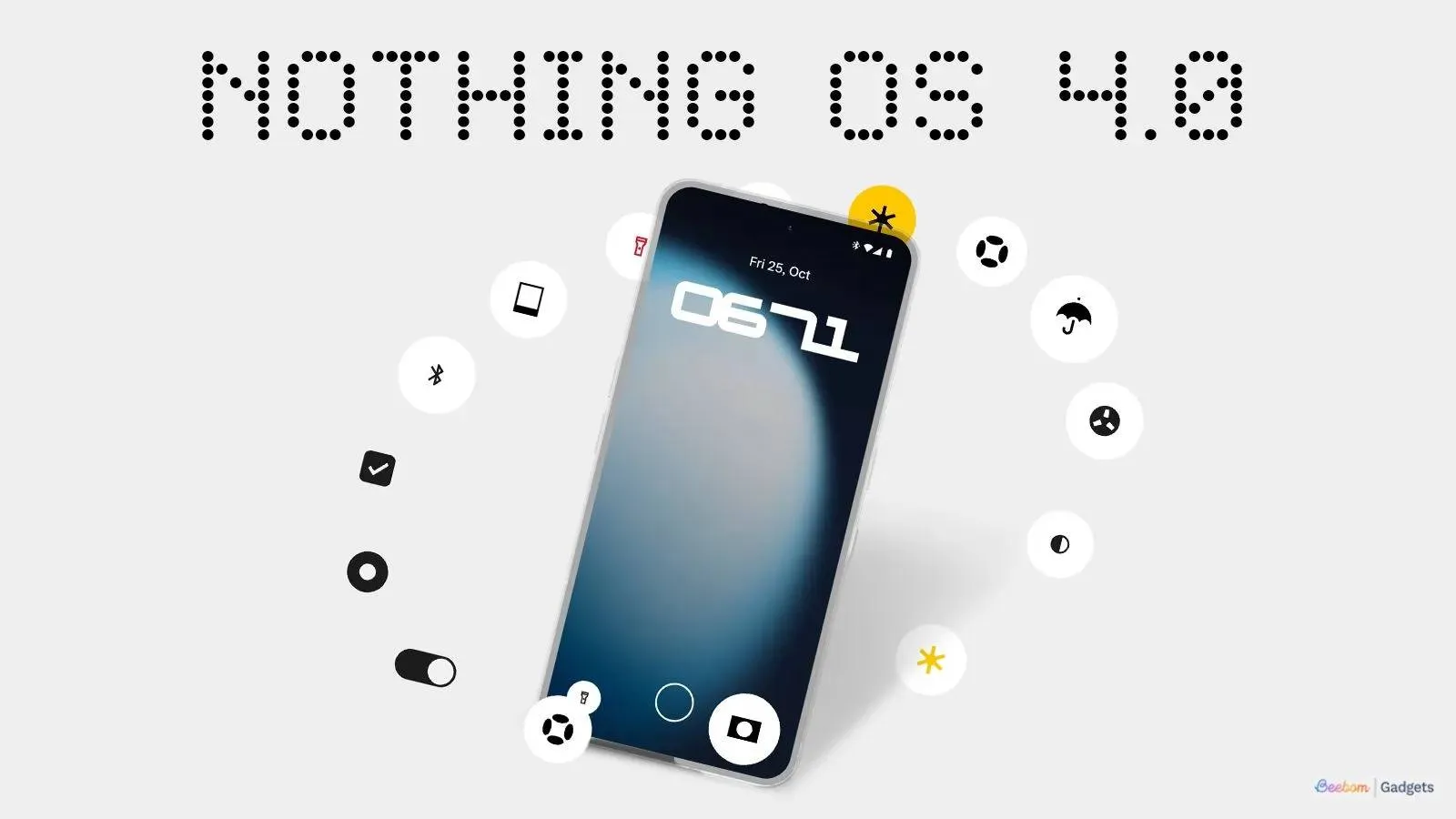
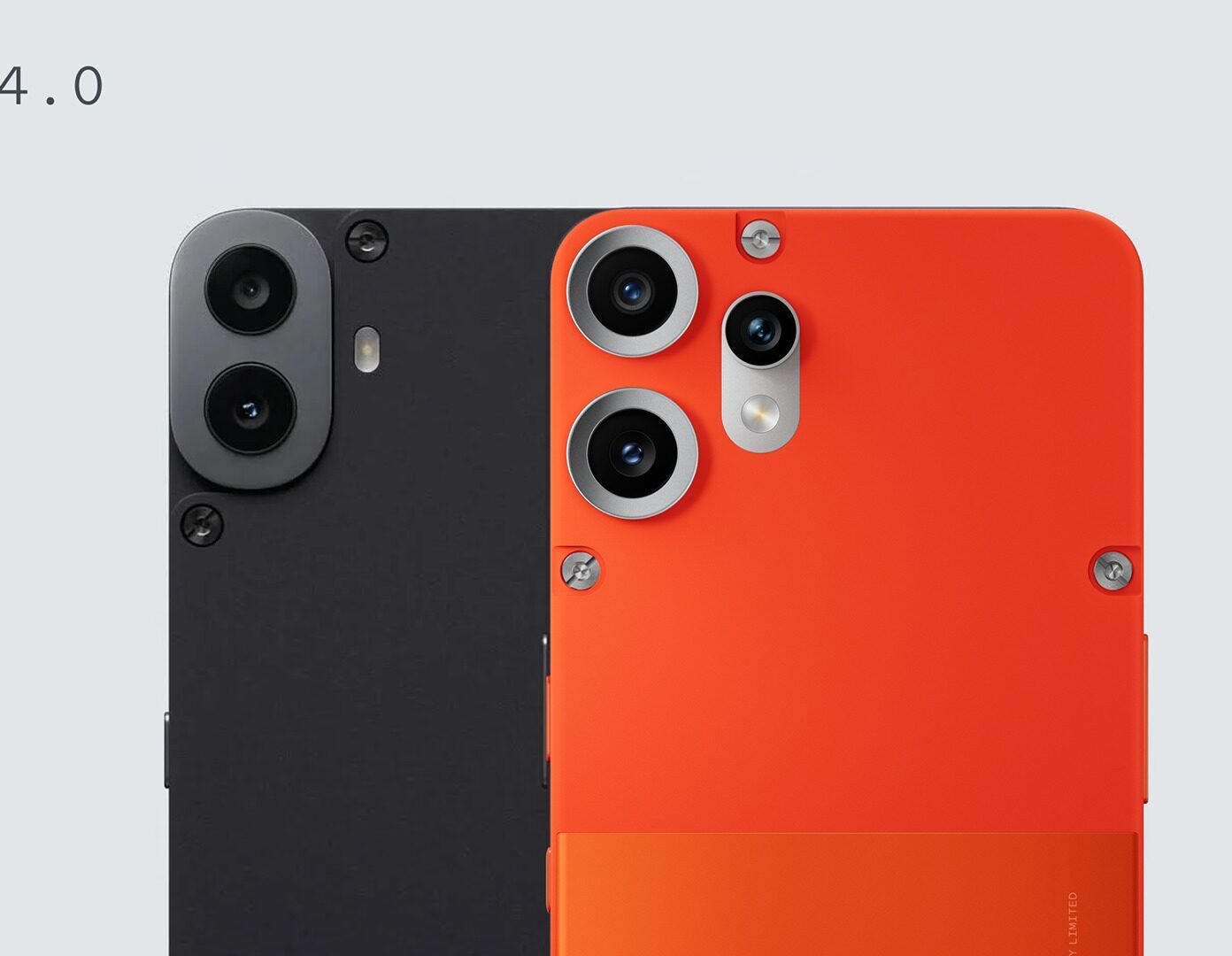
Mobile operating system design is undergoing a profound transformation, with CMF's NothingOS 4.0 representing a pivotal moment in user-centric software development. The launch of this Android 16-based update reveals a strategic shift towards creating deeply personalized, efficiency-driven mobile experiences that go beyond traditional interface limitations.
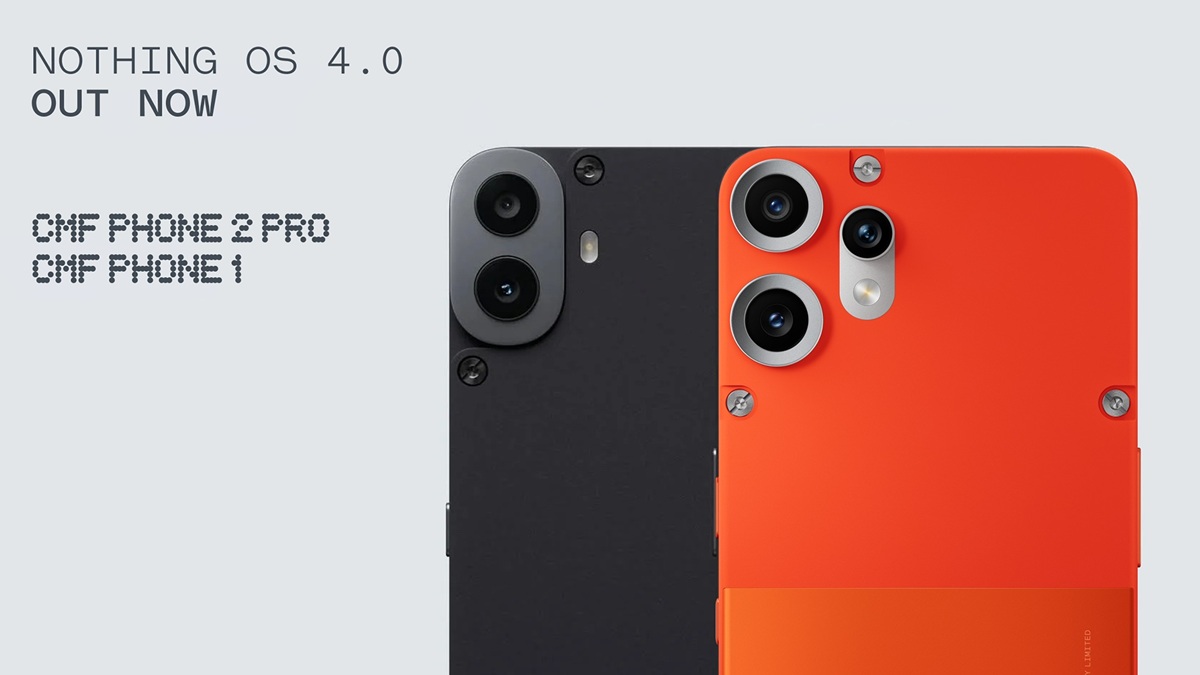
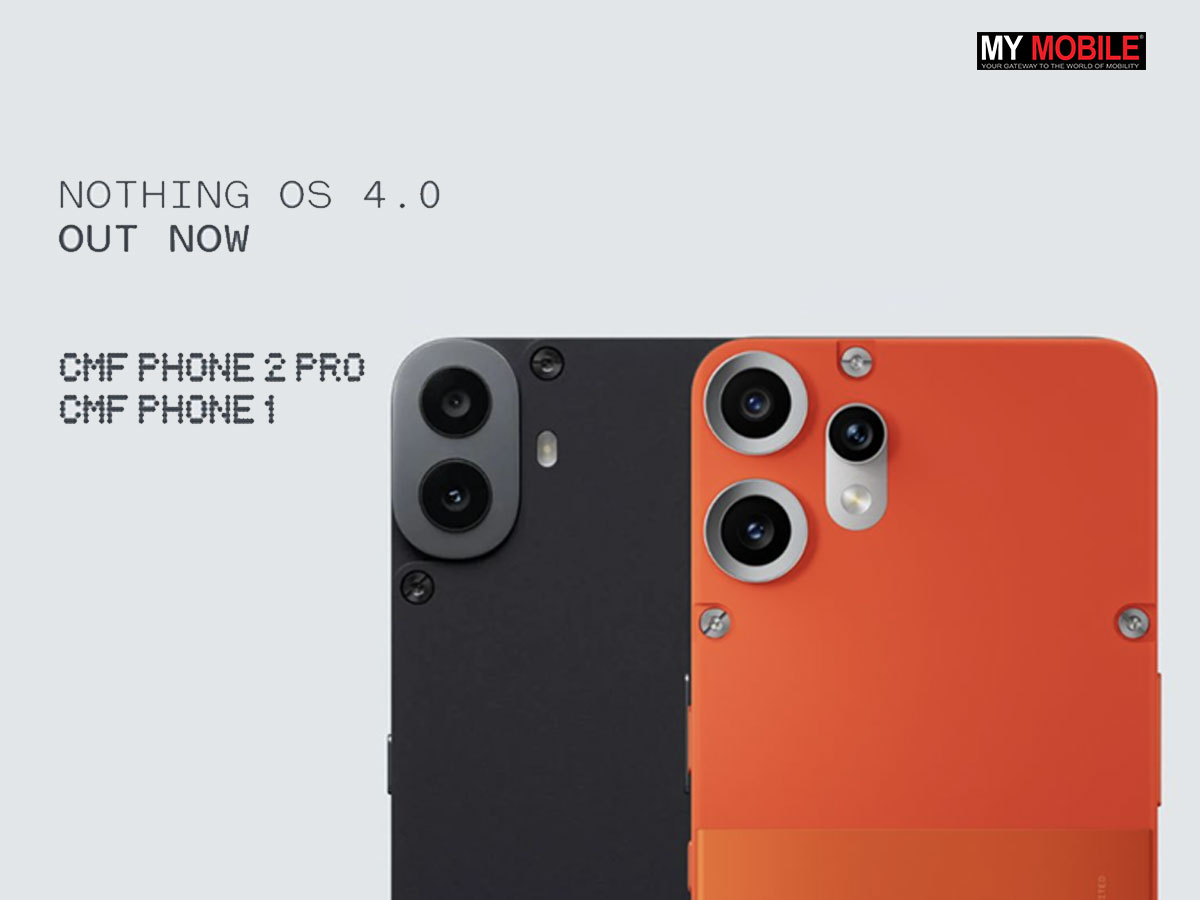
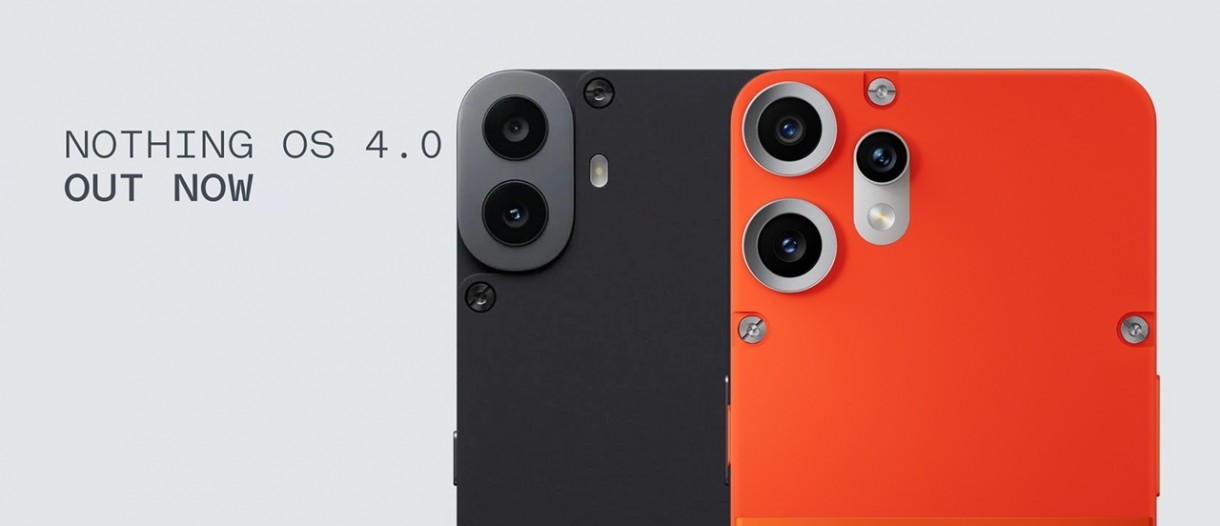
Intelligent User Experience Optimization emerges as the core narrative. By introducing features like simultaneous floating app management, hidden app icon privacy, and customizable haptic feedback, CMF demonstrates a nuanced understanding of user interaction dynamics. The 2GB update's substantial size isn't just technical overhead—it's a deliberate investment in creating a more intuitive, responsive digital environment. The phased rollout across CMF Phone 1 and Phone 2 Pro (late 2025 to early 2026) suggests a carefully calibrated approach to software deployment.
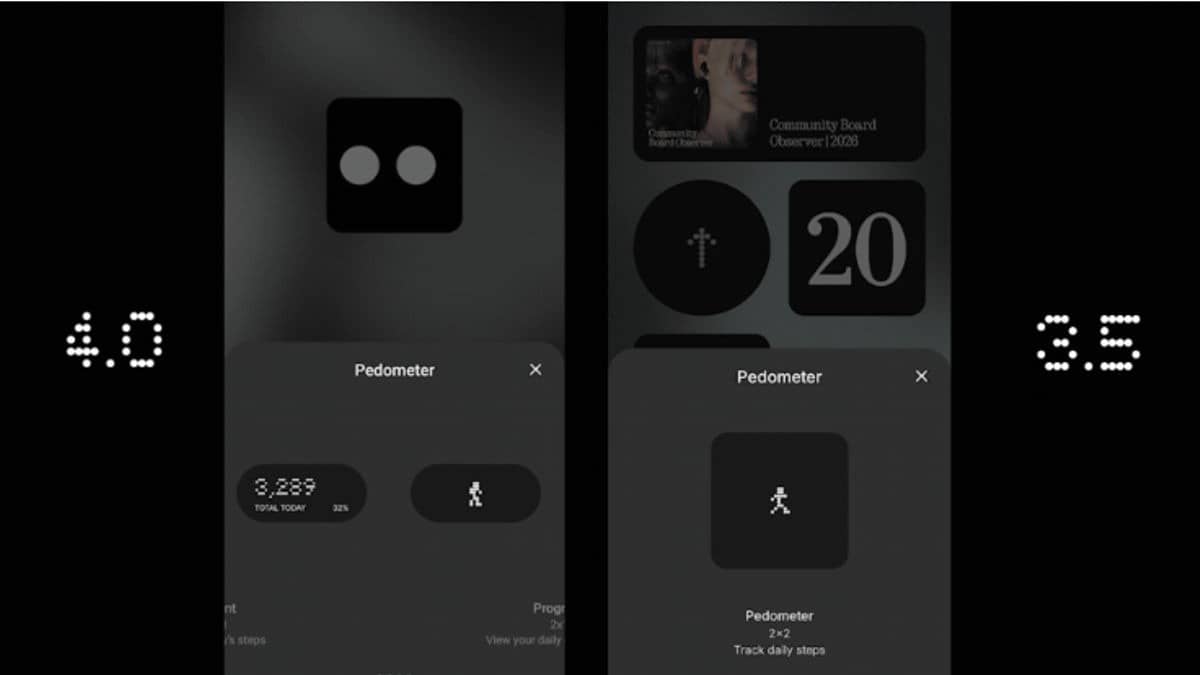
Technological Refinement as Competitive Strategy is particularly noteworthy. The update's enhanced Extra Dark Mode, which reduces power consumption, and expanded widget customization options represent more than incremental improvements. They signal a broader industry trend where software differentiation becomes as critical as hardware specifications. By focusing on UI readability, system animations, and first-party app experiences, CMF is positioning its operating system as a holistic user experience platform rather than merely a functional interface.
The strategic implications are profound. Mobile manufacturers are no longer competing solely on hardware specifications but on their ability to create seamless, anticipatory digital experiences. CMF's approach—balancing functionality with aesthetic appeal—suggests that future mobile ecosystems will be defined by their capacity to understand and adapt to individual user preferences with unprecedented granularity.
Critically, this evolution points to a future where mobile operating systems become intelligent platforms that dynamically adjust to user behavior, privacy needs, and contextual requirements. The inclusion of features like volume rocker-based haptic feedback demonstrates an emerging design philosophy that prioritizes subtle, non-visual interaction modes—a potential glimpse into more intuitive human-technology interfaces.
Questions 3
What are the technical considerations for this mobile OS update?
The 2GB update requires users to download via Wi-Fi with at least 50% battery, indicating a substantial technical investment in user experience. The phased rollout across CMF Phone 1 and Phone 2 Pro suggests a careful, stability-focused deployment strategy that prioritizes system performance and user satisfaction.
What makes NothingOS 4.0's approach to mobile interfaces unique?
NothingOS 4.0 distinguishes itself through hyper-personalized features like simultaneous floating app management, hidden app icons, and customizable haptic feedback. Unlike traditional mobile OS updates, it focuses on creating an adaptive, privacy-conscious user experience that goes beyond standard interface improvements.