



Ukraine Supply Chain Disruptions Impact Agricultural & Grain Exports | Cross-Border Seller Compliance Alert
- Heightened cargo vessel scrutiny in European waters increases shipping costs 8-15% for grain/agricultural sellers; sanctions compliance becomes critical for Ukraine-sourced products


Overview
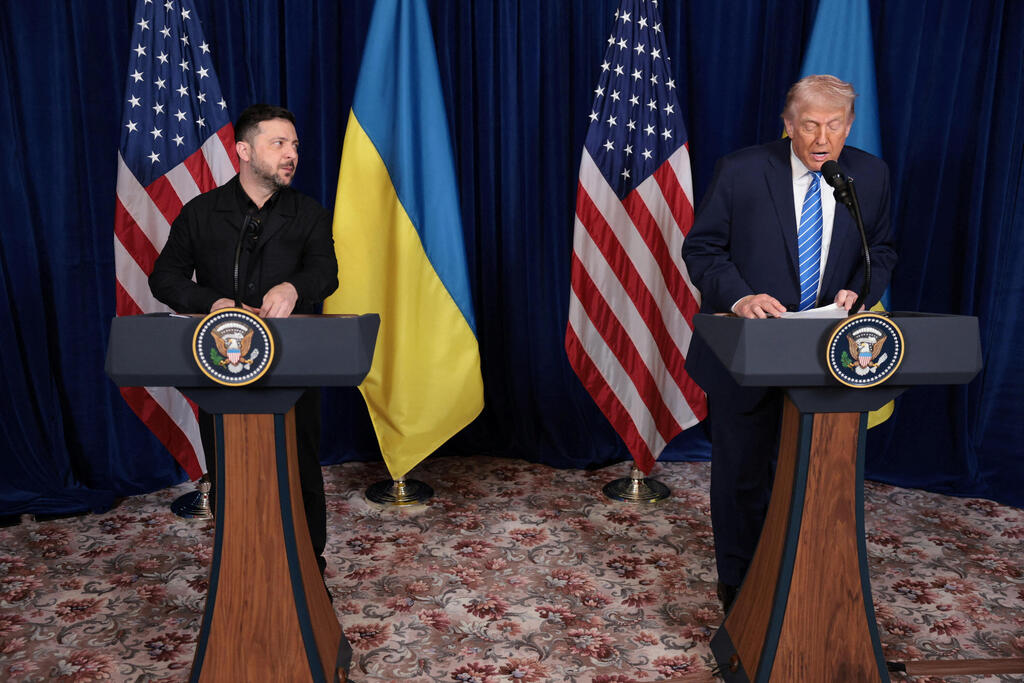
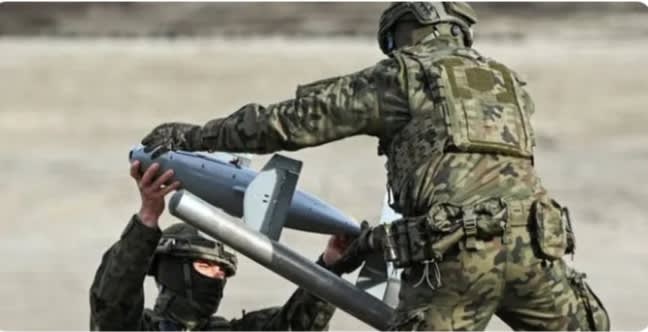
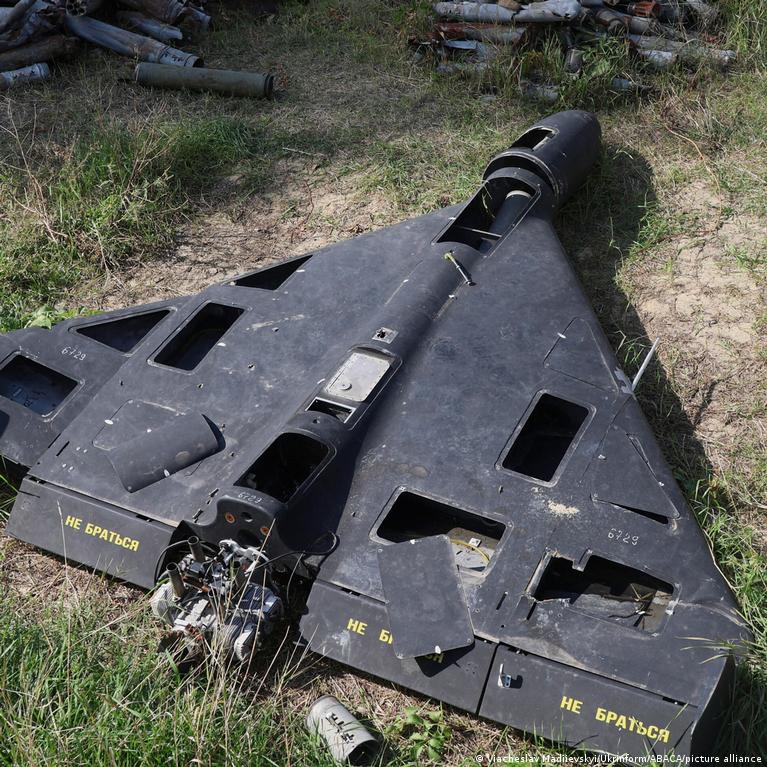
The Ukraine-Middle East geopolitical developments reported in this briefing create significant supply chain implications for cross-border e-commerce sellers, particularly those sourcing or trading agricultural products, grain, and food commodities from Eastern European suppliers. While the primary narrative focuses on military conflict and diplomatic engagement between Ukraine and Saudi Arabia regarding drone technology, the critical e-commerce angle emerges from Swedish authorities seizing a cargo ship suspected of transporting stolen Ukrainian grain—a direct signal that European maritime enforcement is intensifying scrutiny of cargo vessels in international waters.
Supply Chain Disruption Impact: For sellers operating in the agricultural and food products categories (HS codes 0701-1212), this news indicates heightened customs enforcement and sanctions compliance requirements. The cargo seizure demonstrates that European authorities are actively monitoring shipments from conflict-affected regions, which translates to longer processing times (estimated 5-10 additional days), increased documentation requirements, and potential shipment delays. Sellers sourcing sunflower oil, wheat, barley, or other Ukrainian agricultural exports must now budget for enhanced compliance verification, which typically adds $500-2,000 per shipment depending on volume.
Competitive Advantage Shift: This enforcement environment creates a competitive advantage for sellers with established compliance infrastructure and direct supplier relationships in Ukraine. Small and medium-sized sellers (SMBs) relying on spot-market purchases or third-party aggregators face higher friction costs. Large sellers with dedicated compliance teams and pre-cleared supplier networks can maintain margins while competitors absorb increased costs. The window for establishing compliant supply chains is narrowing—sellers should prioritize documentation standardization and supplier vetting within the next 30-60 days before enforcement becomes routine.
Market Access Implications: The diplomatic engagement between Ukraine and Saudi Arabia signals potential new market corridors for Ukrainian defense technology and agricultural products. Sellers positioned to export Ukrainian-manufactured goods to Middle Eastern markets (Saudi Arabia, UAE, Qatar) may find new opportunities, but only if they navigate the complex sanctions and export control framework. This requires understanding HS code classifications for dual-use technology and obtaining proper export licenses—a 60-90 day process that creates a first-mover advantage for prepared sellers.
Operational Recommendations: Sellers should immediately audit their supplier base for Ukraine-sourced products, verify sanctions compliance status, and implement enhanced documentation protocols. Consider diversifying sourcing to non-conflict regions (Poland, Romania, Hungary) as a risk mitigation strategy. For sellers already established in Ukrainian supply chains, the compliance investment now creates a defensible competitive moat against new entrants.
Questions 8
What is the cost-benefit analysis for sellers investing in compliance infrastructure versus shifting sourcing regions?
Compliance infrastructure investment: $5,000-15,000 initial setup (documentation systems, sanctions screening tools, supplier vetting), plus $500-1,000 monthly ongoing costs. Payback period: 6-12 months for sellers with $100K+ annual Ukraine sourcing. Sourcing diversification: 2-4% price premium on alternative suppliers, but eliminates compliance costs and reduces shipping delays by 5-10 days. Break-even analysis: sellers with less than $50K annual Ukraine sourcing should diversify; sellers with $100K+ should invest in compliance. Hybrid approach: maintain 50-70% Ukraine sourcing for high-margin products with established compliance, shift 30-50% to alternative regions for commodity items. This balances margin optimization with risk mitigation. Timeline: make sourcing decisions within 30 days to secure supplier capacity before Q1 peak season.
When should sellers expect tariff changes or new trade agreements affecting Ukraine-EU-Middle East corridors?
Based on diplomatic signals in the briefing, formal trade negotiations typically take 6-12 months from initial engagement to implementation. Expect preliminary tariff discussions between Ukraine and GCC countries within Q1 2025, with potential framework agreements by Q3 2025. Sellers should monitor official announcements from Ukrainian Ministry of Economy and Saudi Ministry of Commerce. Early indicators include: (1) bilateral trade missions, (2) regulatory harmonization discussions, and (3) pilot trade corridors. Competitive advantage window: 60-90 days from now to establish supplier relationships and compliance infrastructure before tariff changes are announced. After announcement, tariff arbitrage opportunities compress as competitors enter the market. Action: establish Ukraine-to-Saudi Arabia supply chains by March 2025 to capture first-mover advantage.