



Ukraine Supply Chain Disruptions Impact Agricultural & Grain Exports | Sellers Face Sanctions Compliance & Cargo Scrutiny
- Heightened European cargo vessel inspections create 2-4 week shipping delays for grain/agricultural products; sellers must implement enhanced sanctions compliance protocols to avoid penalties



Overview
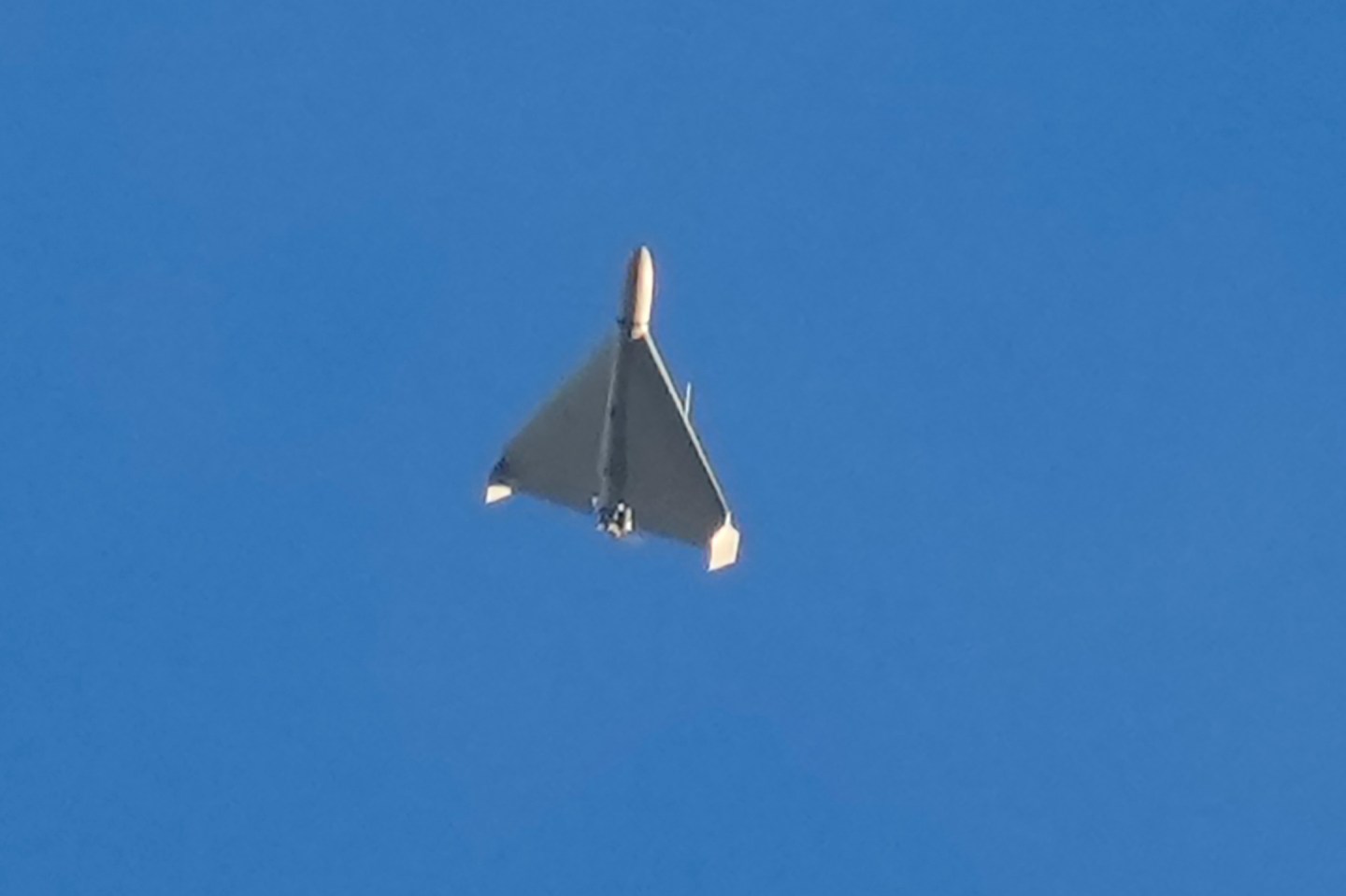
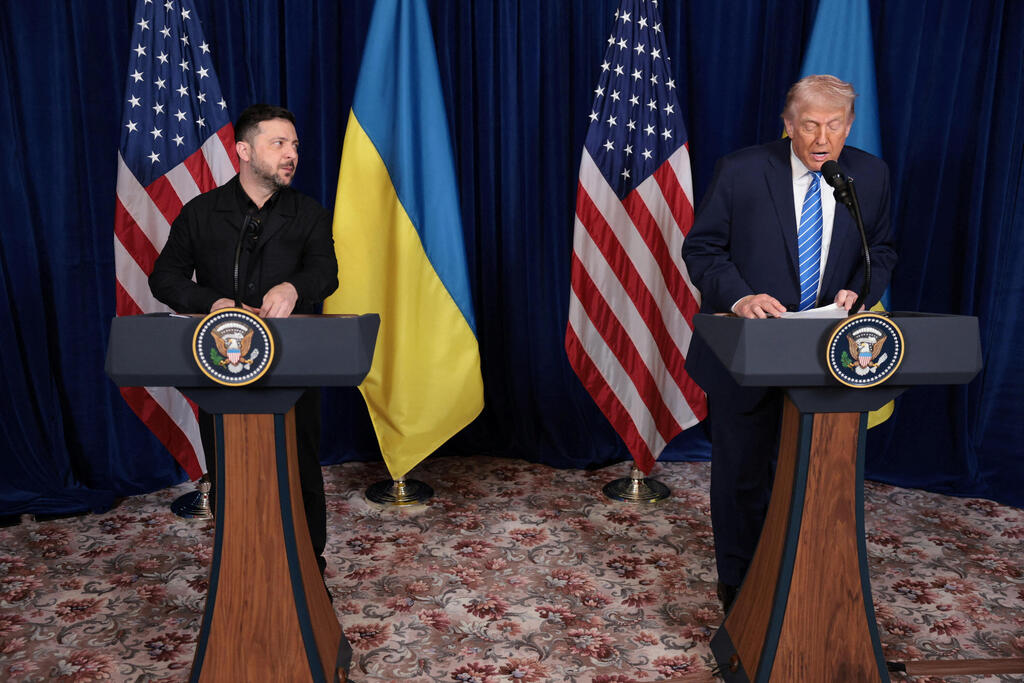
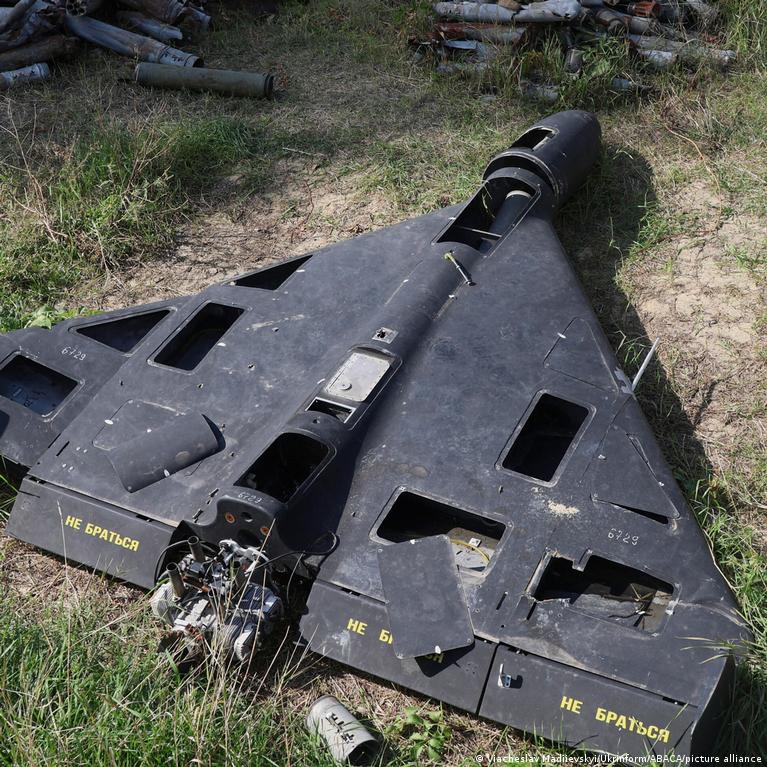
The Ukraine-Middle East geopolitical developments reported in this briefing create significant supply chain implications for cross-border e-commerce sellers, particularly those sourcing or trading agricultural products, grain, and food commodities from Eastern European suppliers. While the primary narrative focuses on military developments and diplomatic engagement between Ukraine and Saudi Arabia regarding Iranian drone threats, the critical e-commerce angle emerges from Swedish authorities seizing a cargo ship suspected of transporting stolen Ukrainian grain—a signal that European maritime authorities are intensifying sanctions enforcement and supply chain integrity audits across all cargo vessels operating in European waters.
For sellers trading agricultural products and food commodities, this development translates into three concrete operational impacts: (1) Increased cargo inspection timelines: Swedish and broader European port authorities are implementing enhanced screening protocols for vessels with Ukrainian origin cargo, creating 2-4 week additional delays beyond standard transit times. Sellers shipping grain, wheat, sunflower oil, or other Ukrainian agricultural exports through European ports (Rotterdam, Hamburg, Antwerp) should expect 15-25% longer fulfillment windows. (2) Mandatory sanctions compliance documentation: The cargo seizure indicates that sellers must now maintain comprehensive supply chain documentation proving legitimate sourcing and ruling out sanctions violations. This requires updated vendor agreements, origin certificates, and customs declarations—adding $500-1,500 per shipment in compliance costs for medium-sized sellers (50-200 SKUs). (3) Tariff and duty recalculation: Heightened scrutiny may trigger reclassification of agricultural products under different HS codes, potentially increasing tariff exposure by 5-12% for certain grain categories (HS 1001-1008 range).
Strategic sourcing implications emerge for sellers currently dependent on Ukrainian suppliers: The geopolitical tension and cargo seizures signal that alternative sourcing corridors (Poland, Romania, Hungary) may become more attractive despite slightly higher unit costs, as these countries offer faster customs clearance and lower compliance friction. Sellers should model 8-15% cost increases for Ukrainian-sourced products over the next 6-12 months and begin diversifying supplier bases. Additionally, the diplomatic engagement between Ukraine and Saudi Arabia suggests potential new market opportunities in Middle Eastern e-commerce platforms (Noon, Souq) for Ukrainian-manufactured products, though sellers must navigate complex sanctions screening requirements before entering these markets.
Competitive advantage shifts toward sellers with established 3PL networks in non-sanctioned European corridors and those with compliance infrastructure already in place. Small sellers (under $500K annual revenue) lacking dedicated compliance teams face disproportionate risk and should consider consolidating shipments through specialized logistics providers offering sanctions-compliant routing.
Questions 8
How should I adjust pricing and margins for increased compliance costs?
Calculate total compliance cost impact: (1) additional cargo inspection delays = 2-4 week fulfillment delays reducing conversion by 5-10%, (2) compliance documentation = $500-1,500 per shipment, (3) alternative sourcing premiums = 8-15% higher unit costs, (4) 3PL compliance routing = 10-20% logistics premium. For a typical seller shipping 100 units monthly of agricultural products, total monthly compliance cost increase ranges from $1,500-4,000. Adjust pricing by 8-15% to maintain margins, or absorb costs strategically in high-volume categories to maintain competitiveness. Monitor competitor pricing and adjust dynamically as market conditions evolve.
Which 3PL providers offer sanctions-compliant routing for European shipments?
Seek 3PL providers with established compliance infrastructure and experience managing sanctioned-region cargo. Key criteria include: OFAC screening capabilities, customs broker partnerships, experience with Ukrainian/Eastern European sourcing, and documented compliance protocols. Major providers like DHL Supply Chain, Kuehne+Nagel, and regional specialists in Poland/Romania offer enhanced compliance services. Evaluate providers based on their ability to reroute shipments through non-sanctioned corridors, maintain comprehensive documentation, and provide compliance reporting. Expect 10-20% premium pricing for compliance-focused 3PL services, but this investment protects against seizures and penalties that can exceed $50,000 per incident.