


Middle East Geopolitical Escalation March 2026 | Supply Chain Risk & Shipping Route Disruptions for Cross-Border Sellers
- Suez Canal/Indian Ocean shipping delays expected 2-6 weeks; Iran sanctions trigger sourcing alternatives; UK-US alliance tensions create tariff uncertainty for sellers































)



Overview
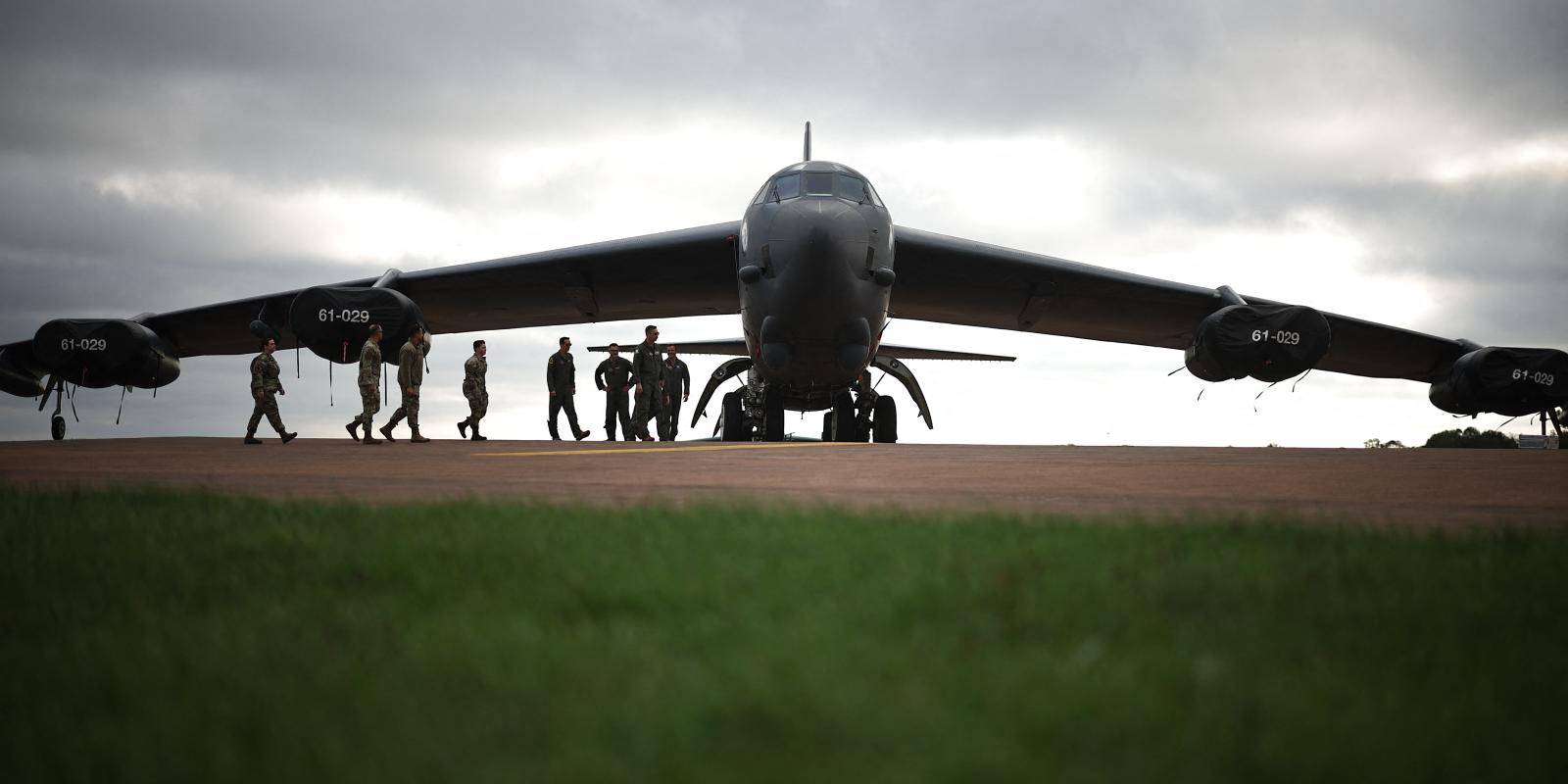
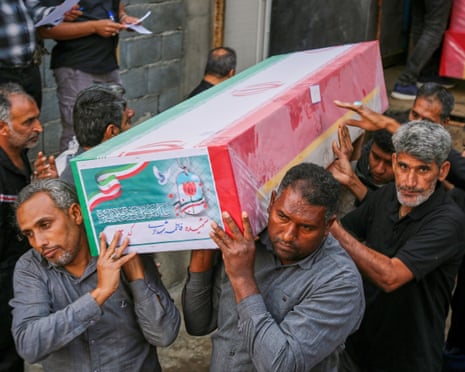
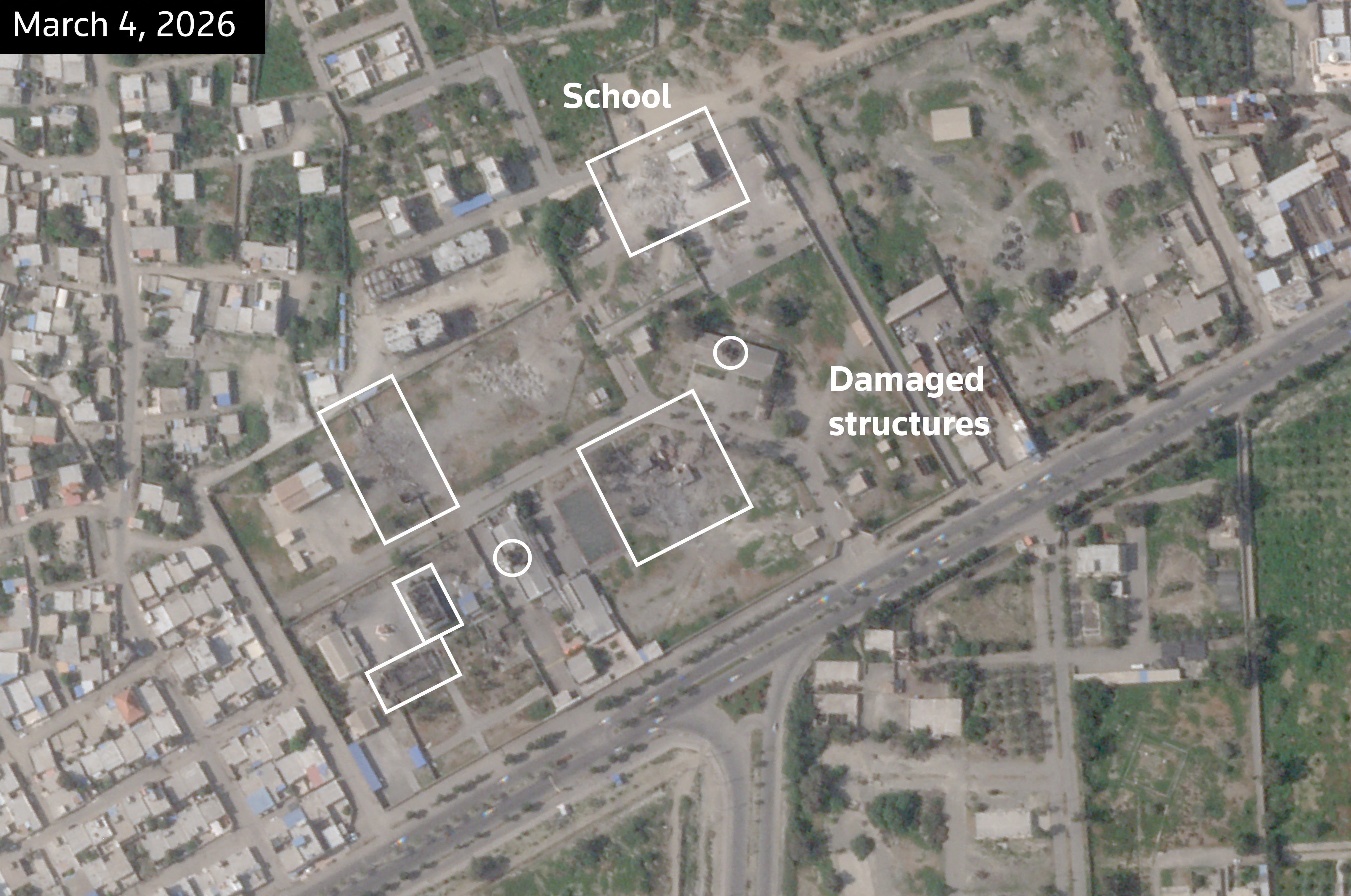
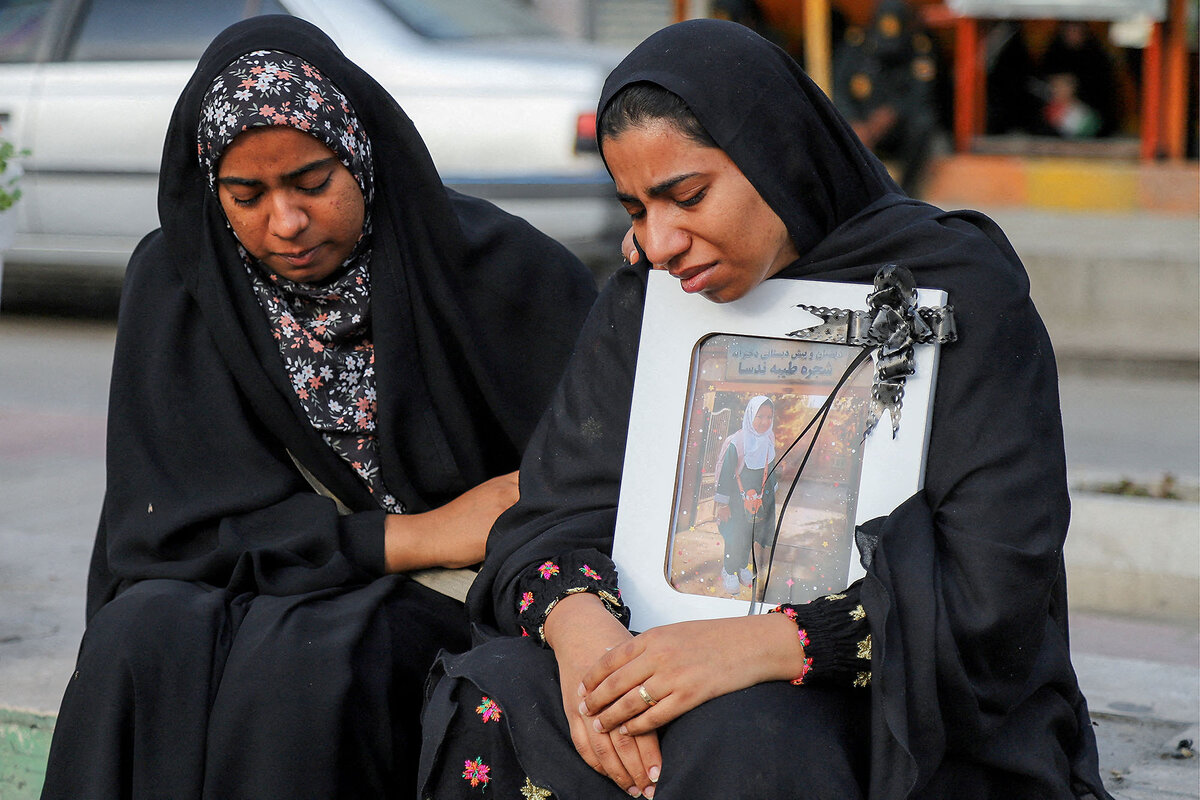
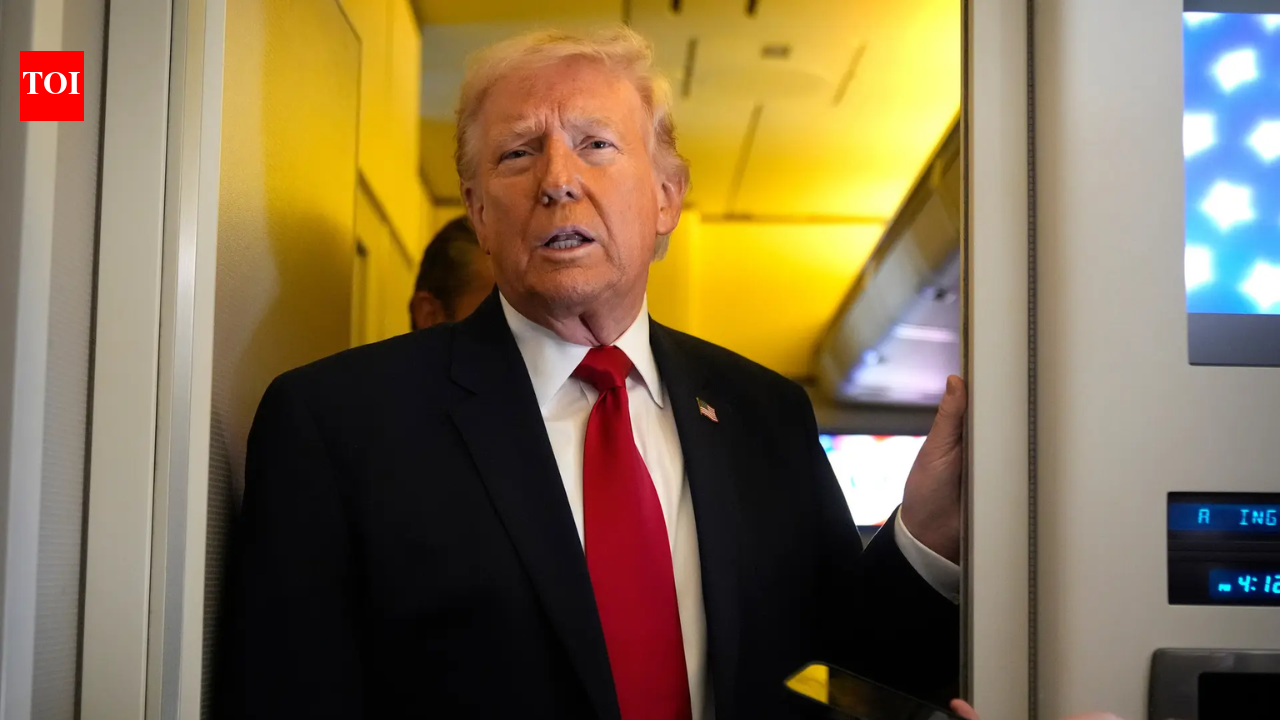
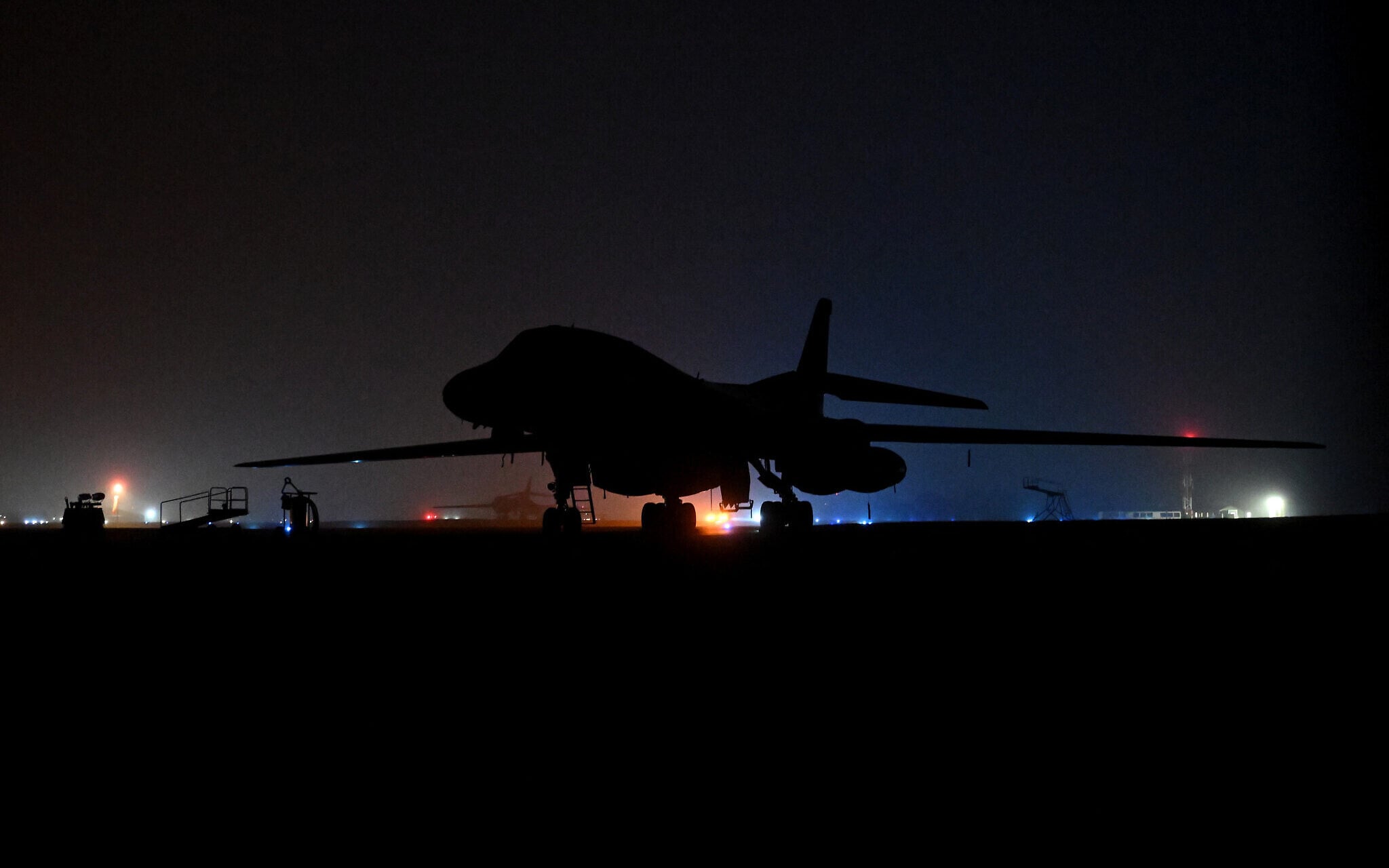
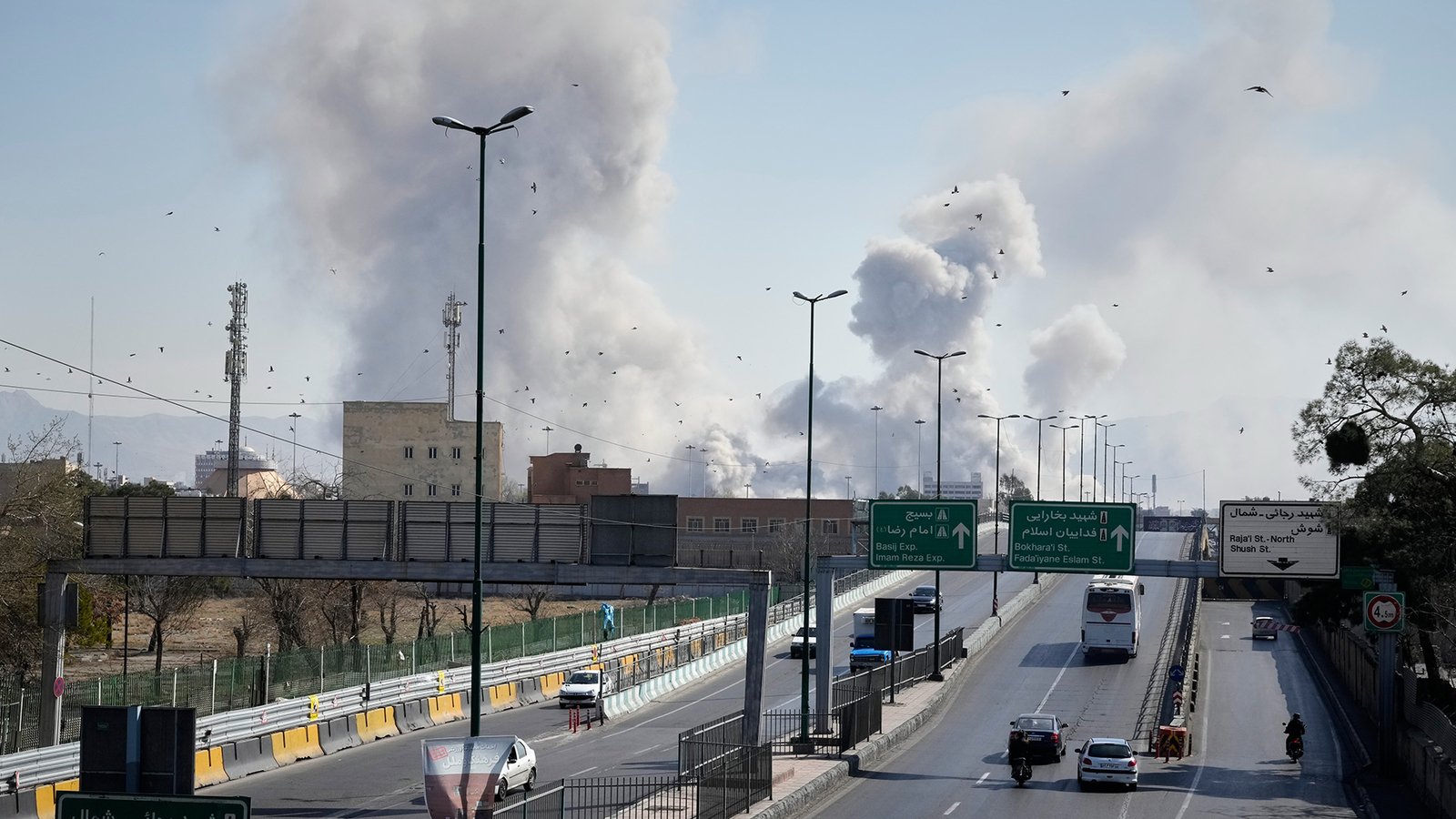
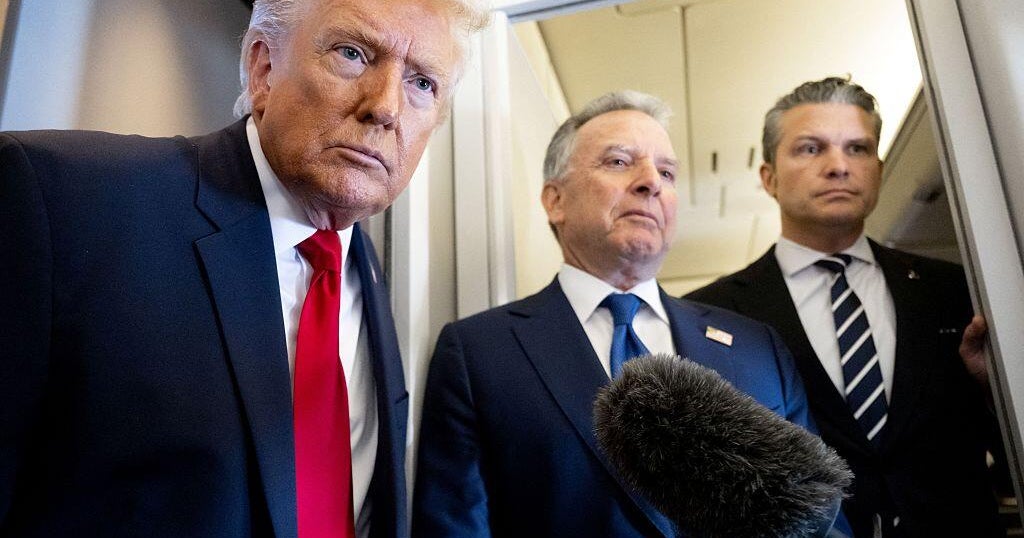
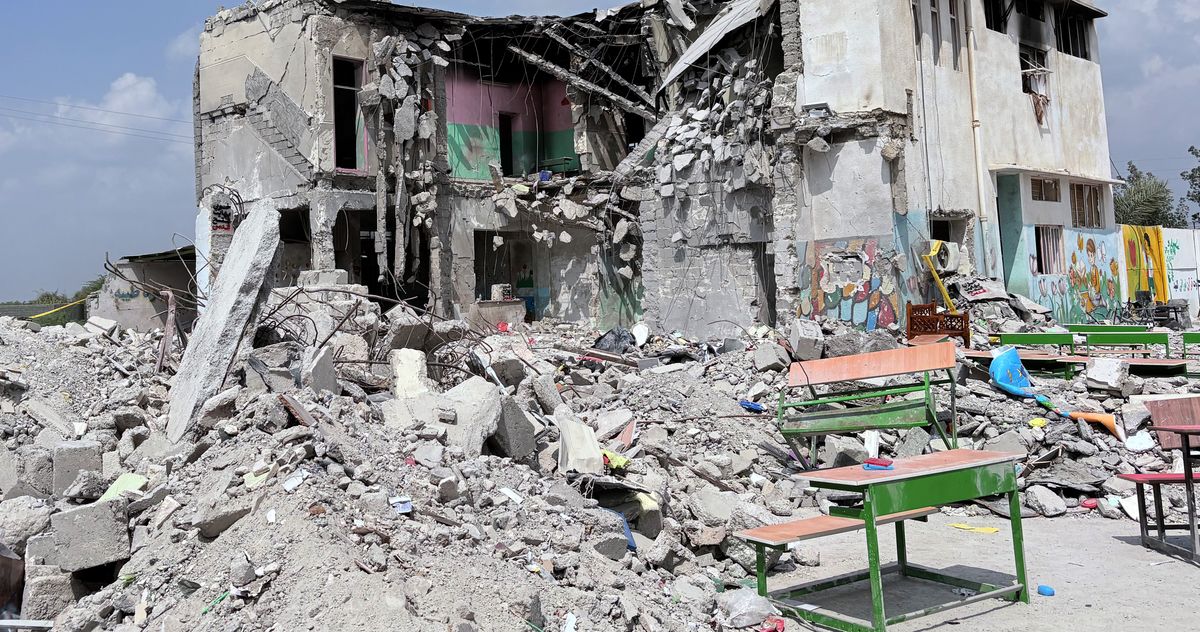
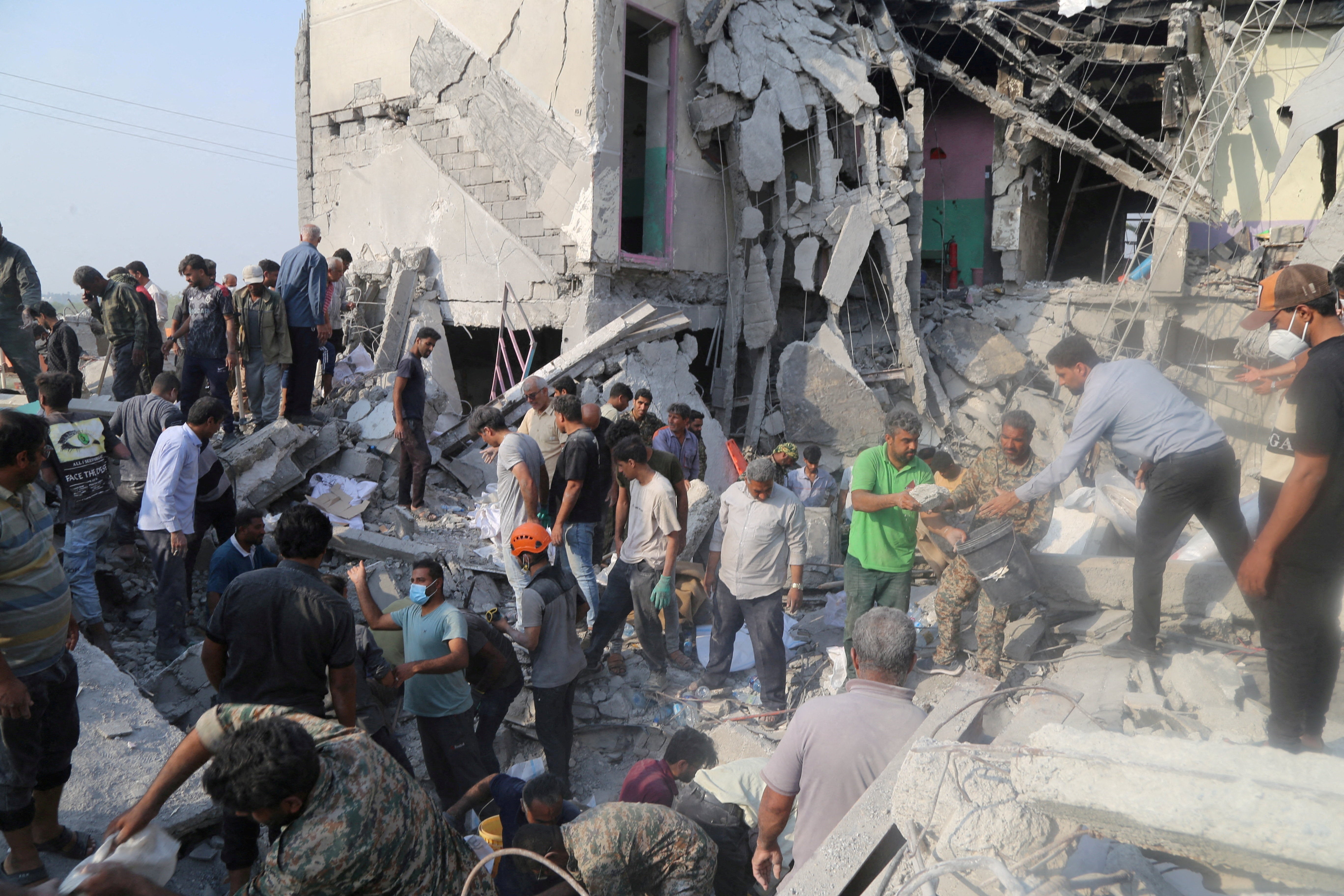
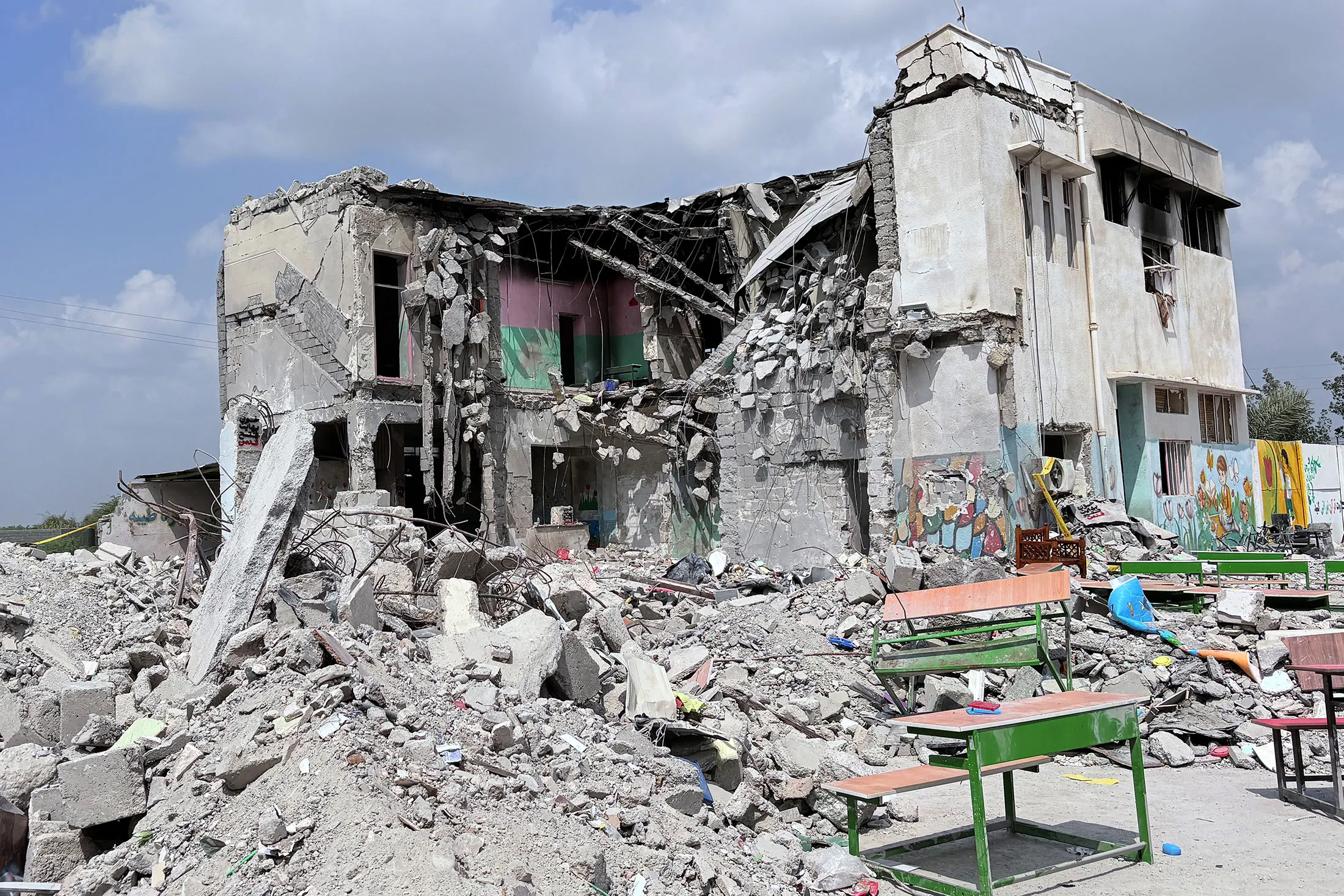
The March 2026 Iran-US military escalation, documented across seven news reports spanning February 28-March 8, 2026, represents a critical geopolitical inflection point with direct implications for cross-border e-commerce sellers operating in affected regions and dependent on Middle East shipping corridors. President Trump's announcement of "Operation Epic Fury" on February 28, 2026, involving joint U.S.-Israel strikes targeting Iranian military and government sites, followed by Iranian retaliation with missile and drone attacks on regional U.S. bases and Gulf nations, has created immediate supply chain vulnerabilities for sellers relying on Suez Canal and Indian Ocean shipping routes. The conflict escalation—including the death of Ayatollah Ali Khamenei, Israeli intensification against Hezbollah in Lebanon, and Iranian attacks killing six U.S. soldiers in Kuwait on March 1—signals sustained military operations rather than isolated incidents, with Defense Secretary Pete Hegseth scheduling Pentagon briefings on "Operation Epic Fury" details.
Shipping Route Disruptions & Logistics Cost Impact: The primary commercial impact centers on the Suez Canal corridor, which handles approximately 12-15% of global maritime trade. Military operations in the region, combined with drone attacks on Kuwait International Airport and infrastructure damage in Dubai from intercepted projectiles, create elevated insurance premiums (typically 2-4% surcharges during regional conflicts) and potential 2-6 week shipping delays for sellers routing inventory through the Indian Ocean. Sellers currently shipping electronics, apparel, and consumer goods from Asia to Europe via Suez face immediate rerouting decisions: either accept 10-14 day delays via Suez with elevated insurance costs, or reroute via Cape of Good Hope (adding 14-21 additional transit days and $800-1,200 per container in fuel surcharges). This creates a 30-45 day total transit window versus normal 35-40 day Suez routing, compressing inventory turnover and increasing working capital requirements by 15-25% for affected sellers.
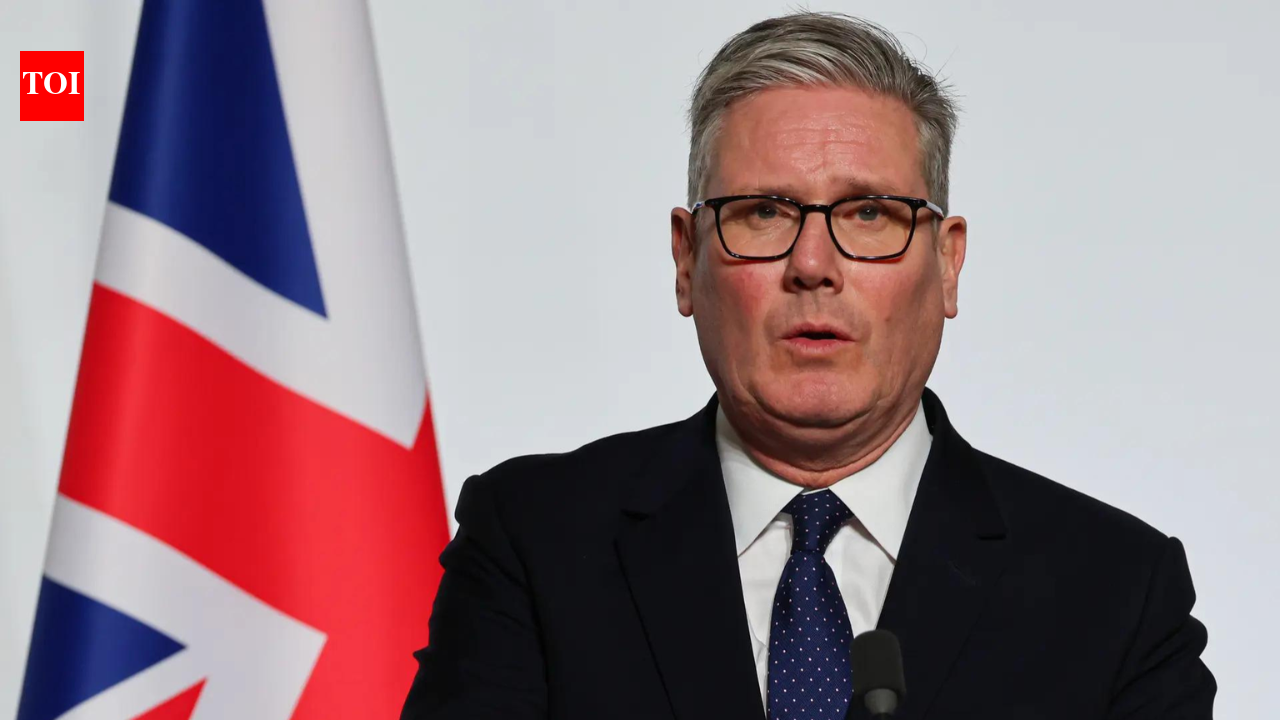
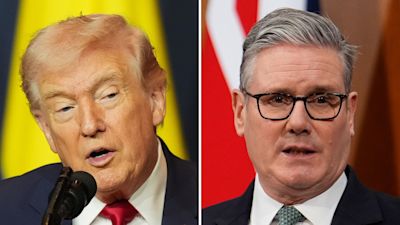
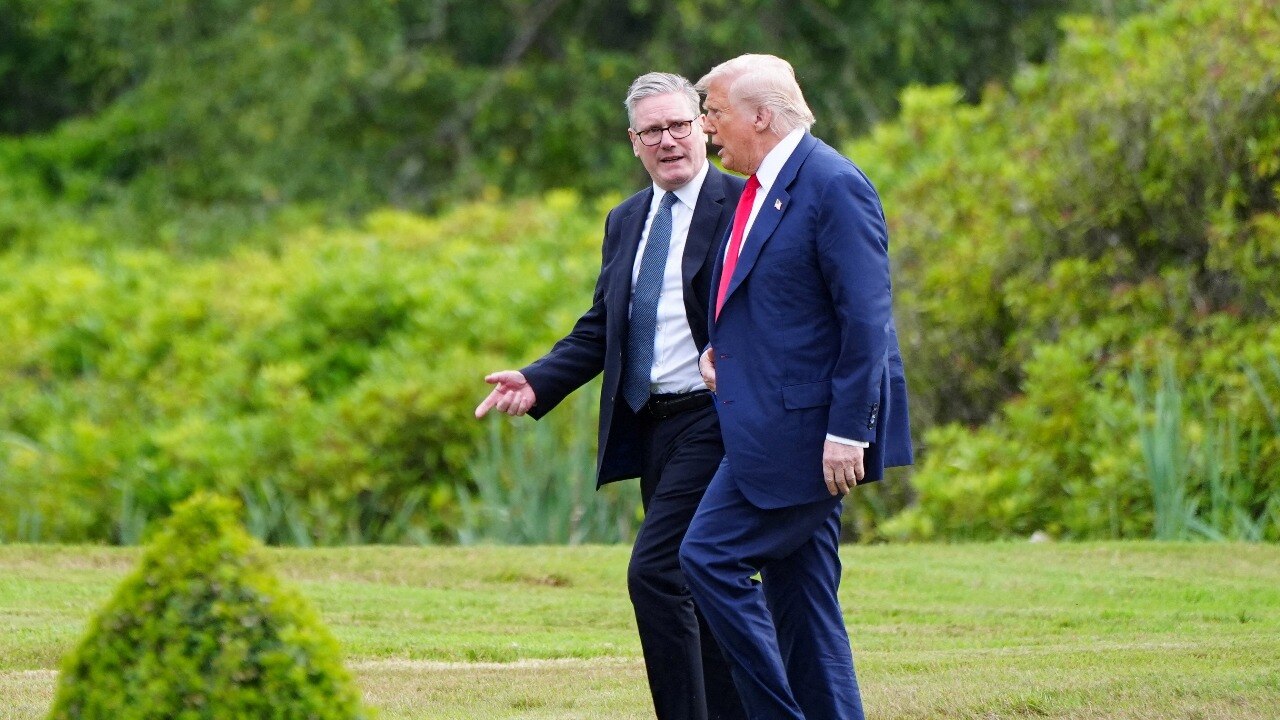
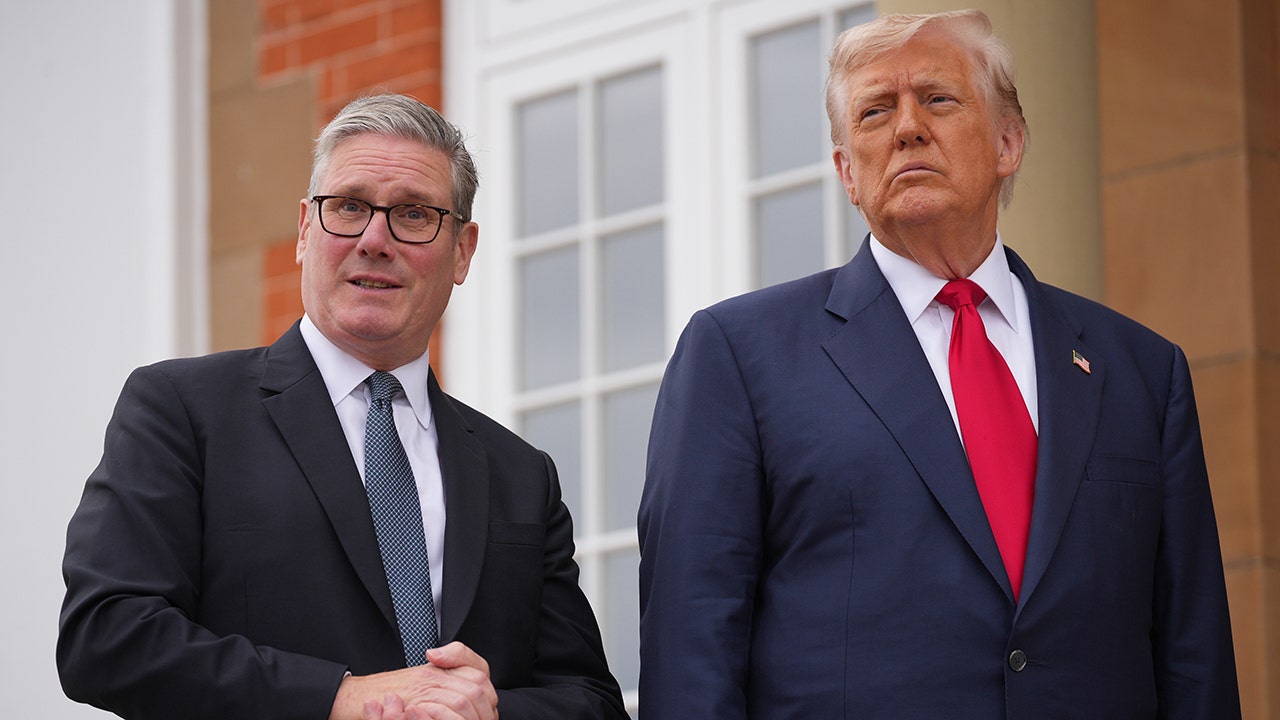
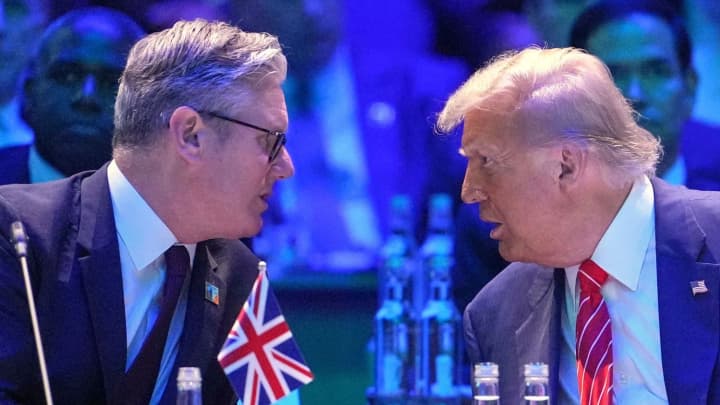
Iran Sanctions & Sourcing Diversification Opportunities: The geopolitical realignment documented in News 2-4, where UK Prime Minister Keir Starmer initially blocked U.S. base access before reversing course, and Trump's criticism of Spain and UK for hesitance, signals potential expansion of Iran sanctions regimes. Sellers currently sourcing from Iran (textiles, carpets, dried fruits—approximately $2.1B annual cross-border category) face immediate compliance risks. However, this creates tariff arbitrage opportunities: Vietnam, India, and Turkey are positioned to capture market share from Iranian suppliers. Sellers can exploit 6-12 month transition windows before competitors fully shift sourcing, capturing margin improvements of 8-15% by establishing alternative supplier relationships in Vietnam (textiles, electronics components) and India (spices, handicrafts) before supply constraints drive up prices. HS codes 6204 (women's apparel), 0709 (dried vegetables), and 7108 (precious metals) historically sourced from Iran show 40-60% price premiums when supply disruptions occur—creating first-mover advantages for sellers establishing alternative sourcing by April 2026.
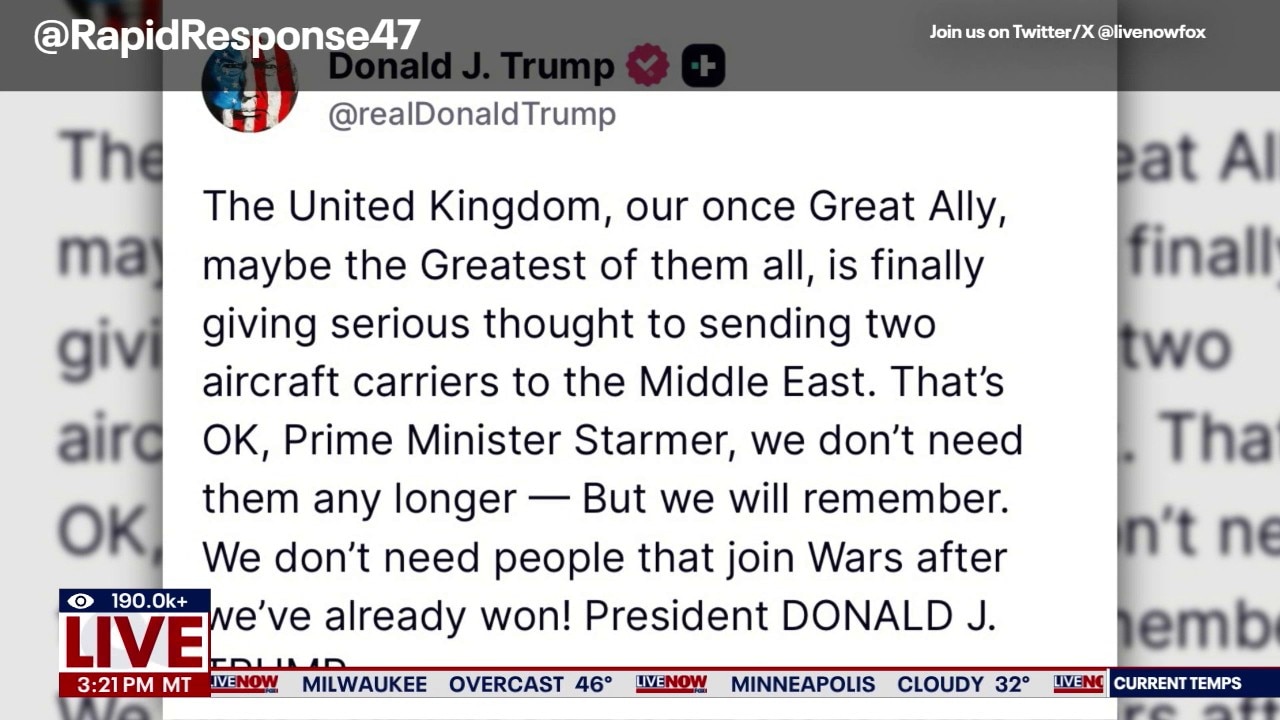
UK-US Alliance Tensions & Tariff Uncertainty: The diplomatic friction documented across News 2-4—Trump's "we will remember" warning to Starmer, UK's delayed military support, and rejection of UK aircraft carrier deployment—creates uncertainty around UK-US trade relations and potential tariff implications. Sellers shipping from UK to US markets (approximately 8-12% of cross-border e-commerce volume) face potential tariff escalation if Trump administration implements retaliatory measures against UK hesitance on Iran operations. Historical precedent: Trump's 2018-2019 trade tensions with EU allies resulted in 15-25% tariff increases on specific categories (automotive, machinery, chemicals). Sellers should monitor UK-US trade negotiations through April-June 2026 and consider diversifying fulfillment away from UK-based 3PLs toward US-based or EU-based alternatives to hedge tariff risk. The Chagos Islands dispute referenced in News 4 (UK's return of territory to Mauritius) may also trigger broader UK-US trade realignment discussions affecting preferential trade terms.
Questions 8
How should I adjust my 3PL strategy given geopolitical risks?
Diversify fulfillment away from single-region concentration. Sellers currently relying on UK-based 3PLs should establish secondary fulfillment in US or EU locations by Q2 2026 to hedge tariff and political risk. For Asia-to-Europe shipments, pre-position 4-6 weeks of inventory in European 3PLs to maintain fulfillment speed despite Suez delays. Negotiate force majeure clauses with 3PL providers covering geopolitical disruptions. Implement real-time inventory visibility across multiple fulfillment centers to optimize routing around disrupted corridors. Expected cost increase: 3-5% for multi-region fulfillment versus single-region concentration.
Which alternative sourcing countries offer the best tariff advantages?
Vietnam and India offer optimal tariff arbitrage opportunities. Vietnam benefits from CPTPP trade agreement with multiple markets, offering 0-5% tariff advantages on electronics and apparel versus Iran sourcing. India offers preferential tariff treatment under GSP (Generalized System of Preferences) for spices, handicrafts, and textiles in US and EU markets. Turkey provides strategic positioning for Middle East-adjacent sourcing with 5-8% tariff advantages on textiles and consumer goods. Sellers should establish supplier relationships in all three countries by Q2 2026 to capture 8-15% margin improvements before competitors shift sourcing.