



NCAA Eligibility Rules Unravel: How International Recruitment is Rewriting College Sports Compliance
- Regulatory Chaos Exposes Systemic Gaps in Collegiate Athletic Governance









Overview
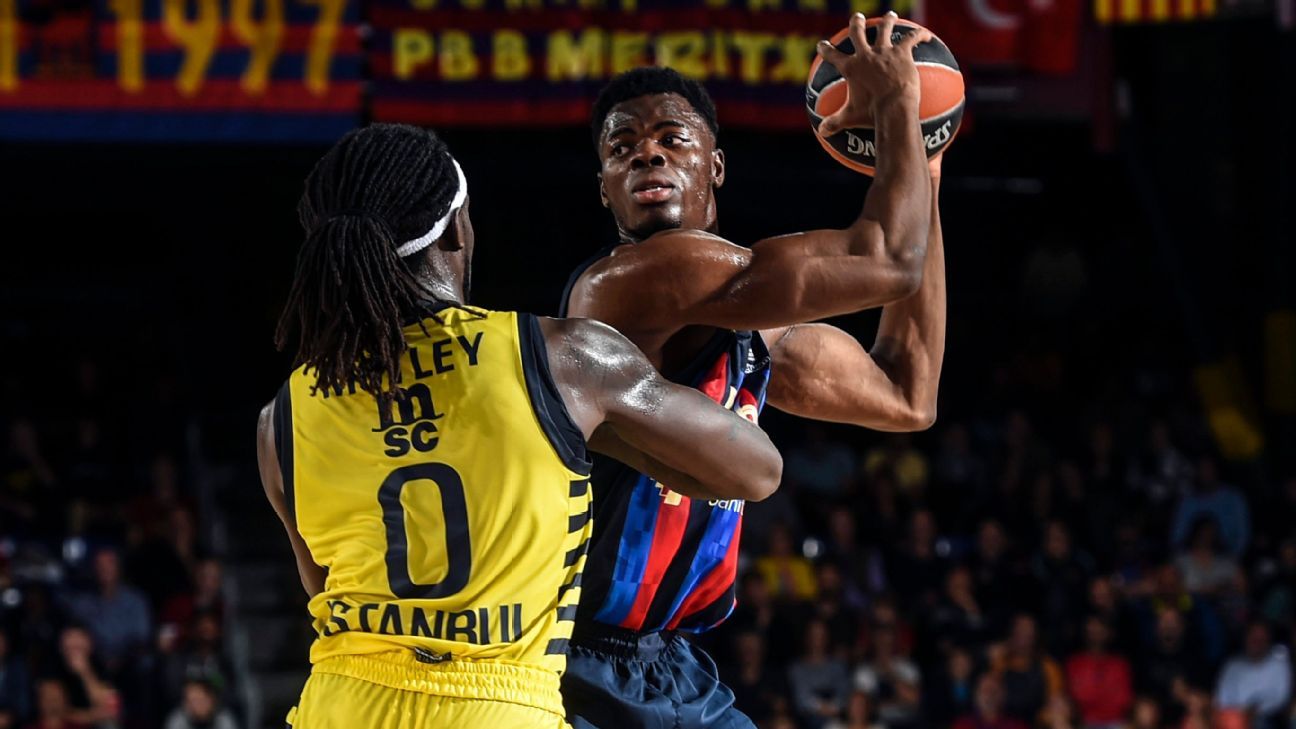
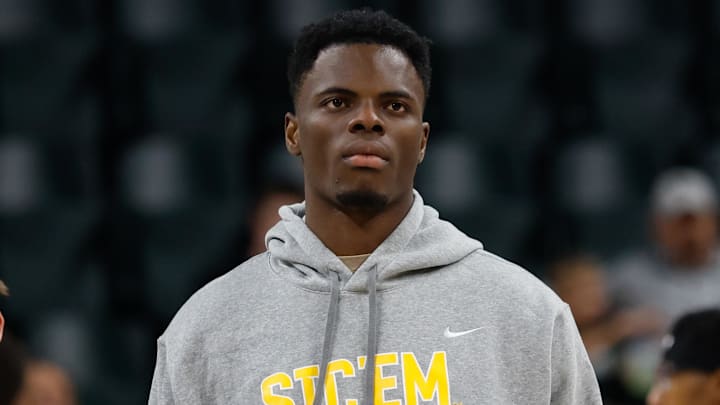
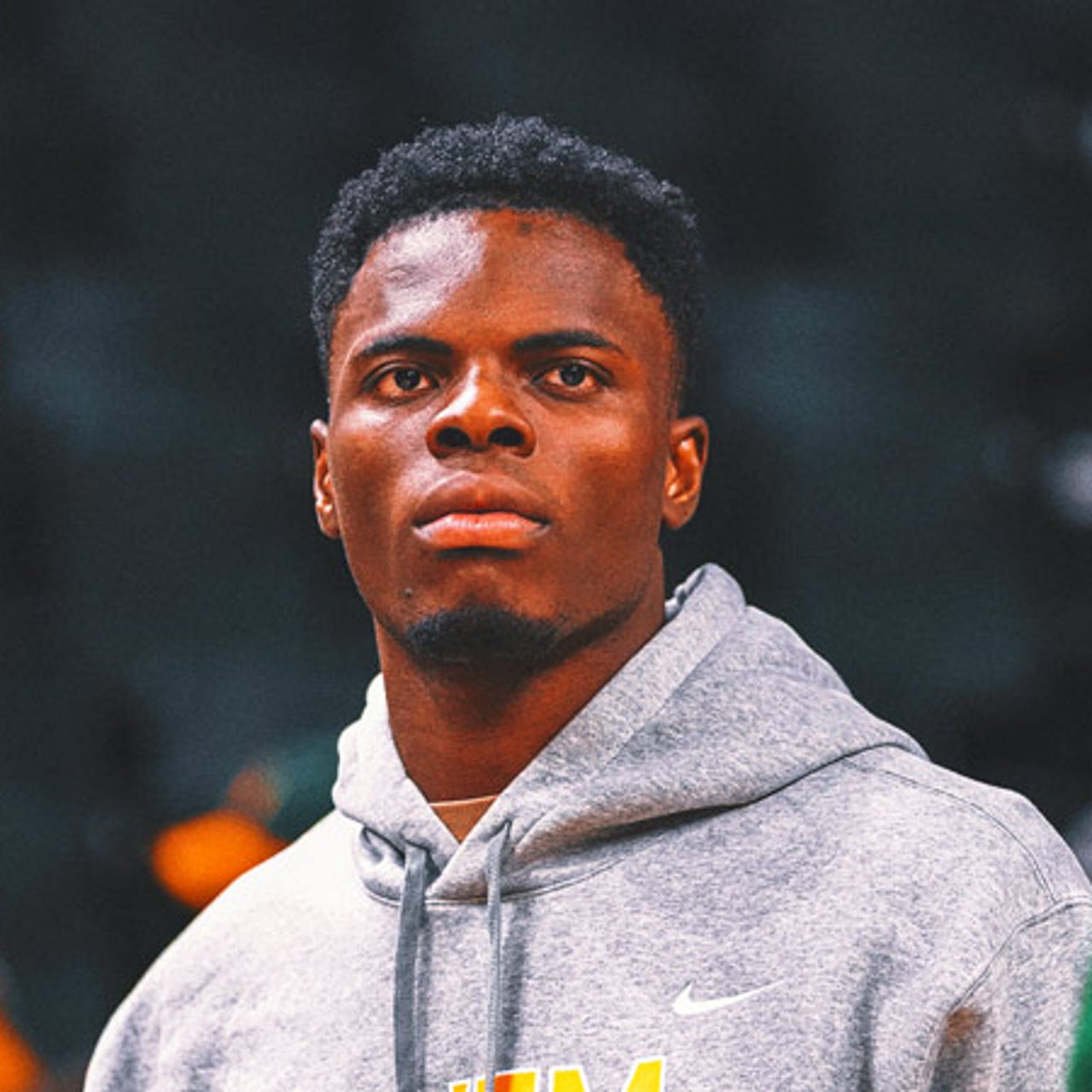
The NCAA's regulatory framework is experiencing a profound structural breakdown, with the James Nnaji case revealing deep systemic vulnerabilities in collegiate athletic compliance. At the heart of this controversy lies a critical inflection point where international recruitment, professional draft status, and institutional rules collide in unprecedented ways.
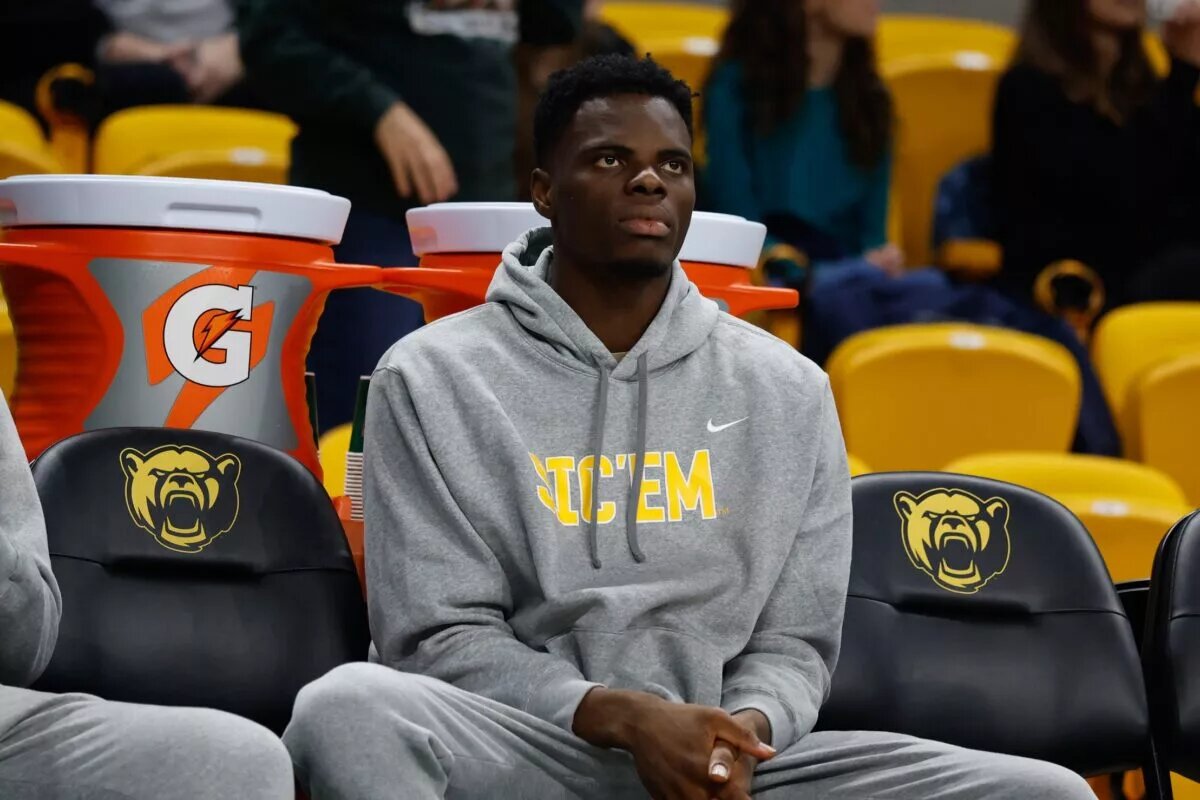
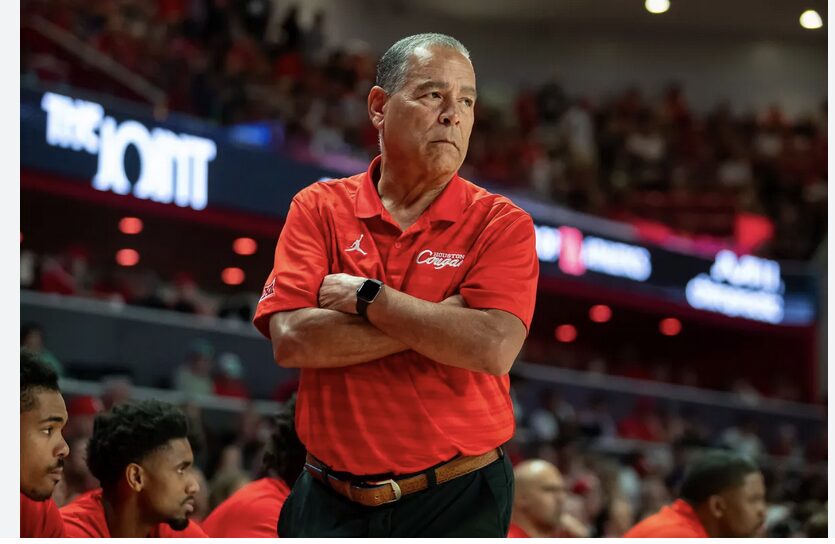
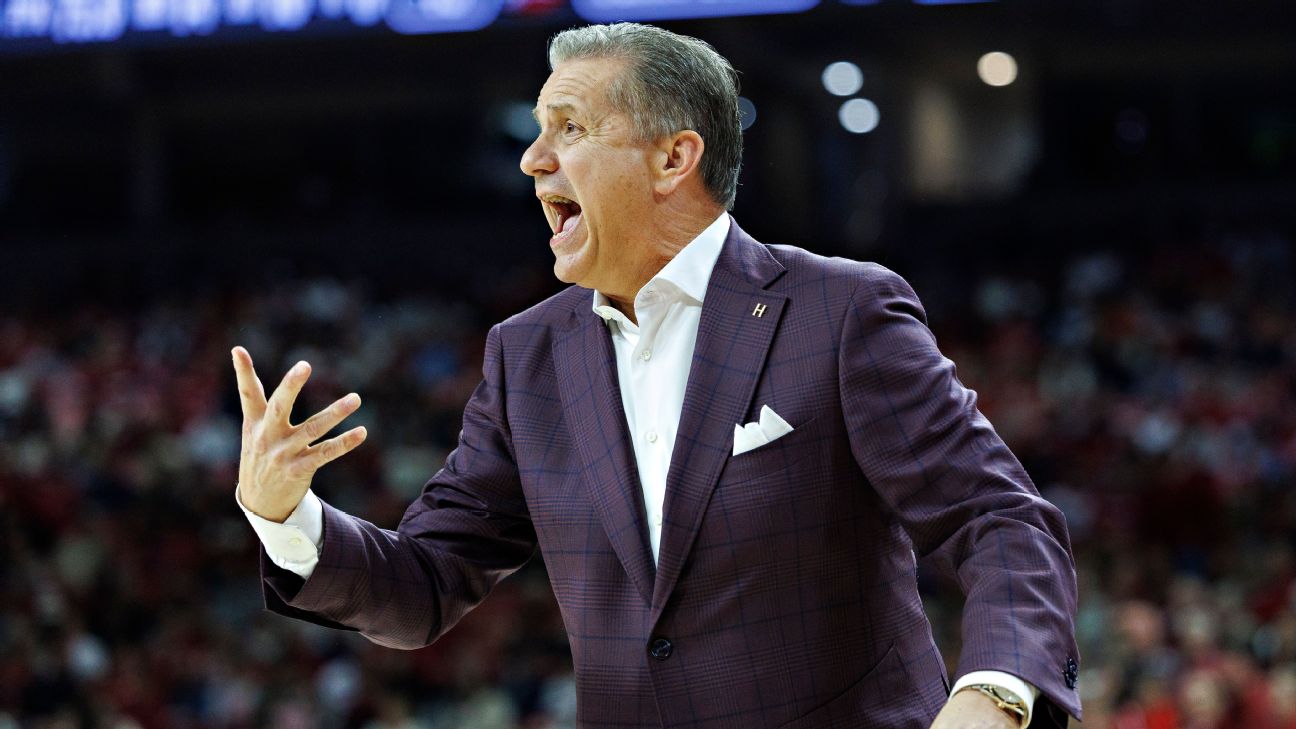
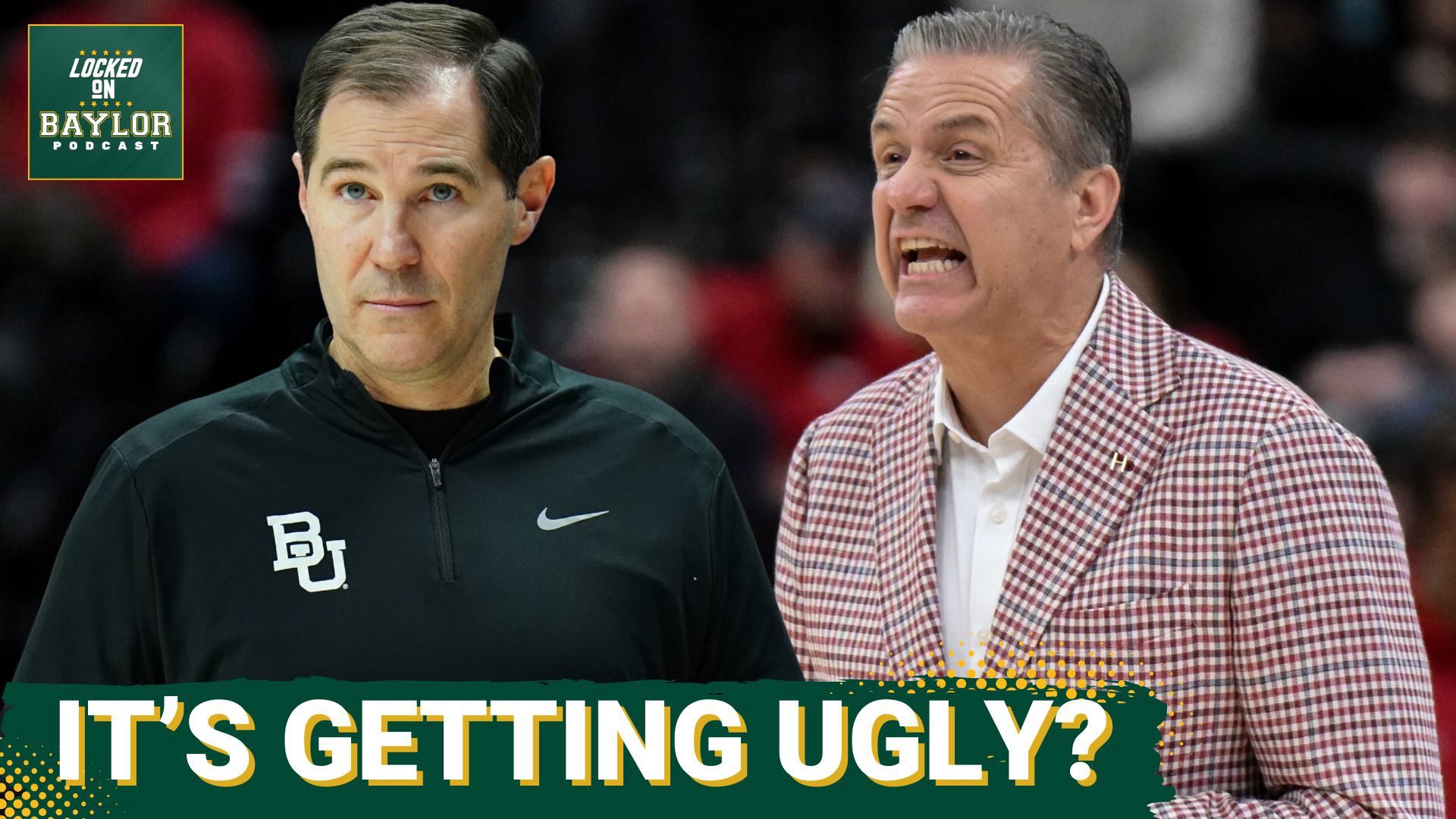
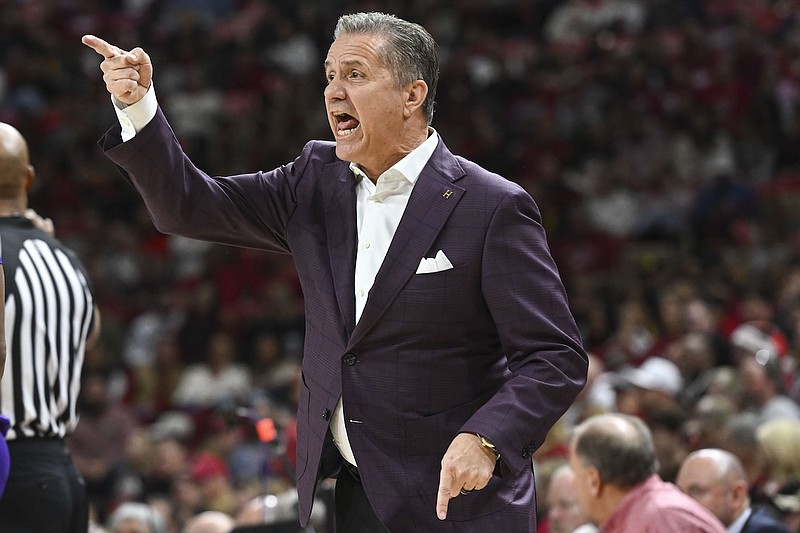
Regulatory confusion has reached a critical mass, as evidenced by the unexpected eligibility granted to Nnaji, a 21-year-old Nigerian professional basketball player drafted 31st by the Detroit Pistons. Top coaches like John Calipari and Dan Hurley have forcefully argued that the current system creates an uneven playing field, particularly disadvantaging domestic student-athletes. The NCAA's inconsistent approach has exposed fundamental weaknesses in its governance model.
The core issue transcends a single player's eligibility. It represents a broader transformation in collegiate athletics, where traditional amateur models are rapidly giving way to more flexible, market-driven approaches. The Supreme Court's 2021 unanimous decision dismantling amateurism arguments has accelerated this shift, opening unprecedented pathways for player movement and recruitment.
Critically, the situation has prompted calls for institutional reform. UConn coach Dan Hurley's proposal for a dedicated college basketball commissioner underscores the urgent need for centralized, decisive governance. The current regulatory environment allows players to navigate complex loopholes, potentially disrupting the competitive landscape of college basketball.
The NCAA finds itself at a crossroads. Its attempts to maintain existing recruitment frameworks are being systematically challenged by evolving athlete mobility, international recruitment dynamics, and changing legal interpretations of athletic eligibility. The organization's reactive stance—clarifying rules after controversial decisions—suggests a fundamental inability to proactively manage the rapidly changing collegiate sports ecosystem.
Stakeholders must prepare for continued regulatory uncertainty. The intersection of international player experiences, professional draft statuses, and institutional rules will likely generate more complex compliance scenarios in the coming years. Organizations that can quickly adapt to these emerging regulatory landscapes will gain significant competitive advantages.
Questions 3
How does the James Nnaji case expose gaps in NCAA eligibility rules?
The Nnaji case reveals critical inconsistencies in the NCAA's approach to international players. Despite being a 21-year-old professional draft pick, Nnaji was granted college eligibility, highlighting the organization's lack of clear, consistent guidelines for player recruitment and professional status.
What are the potential long-term implications of this regulatory uncertainty?
This uncertainty could fundamentally reshape collegiate athletics by creating more flexible pathways for player movement, potentially blurring traditional boundaries between amateur and professional sports. It may accelerate the trend toward treating student-athletes as professional talents with more negotiating power.