



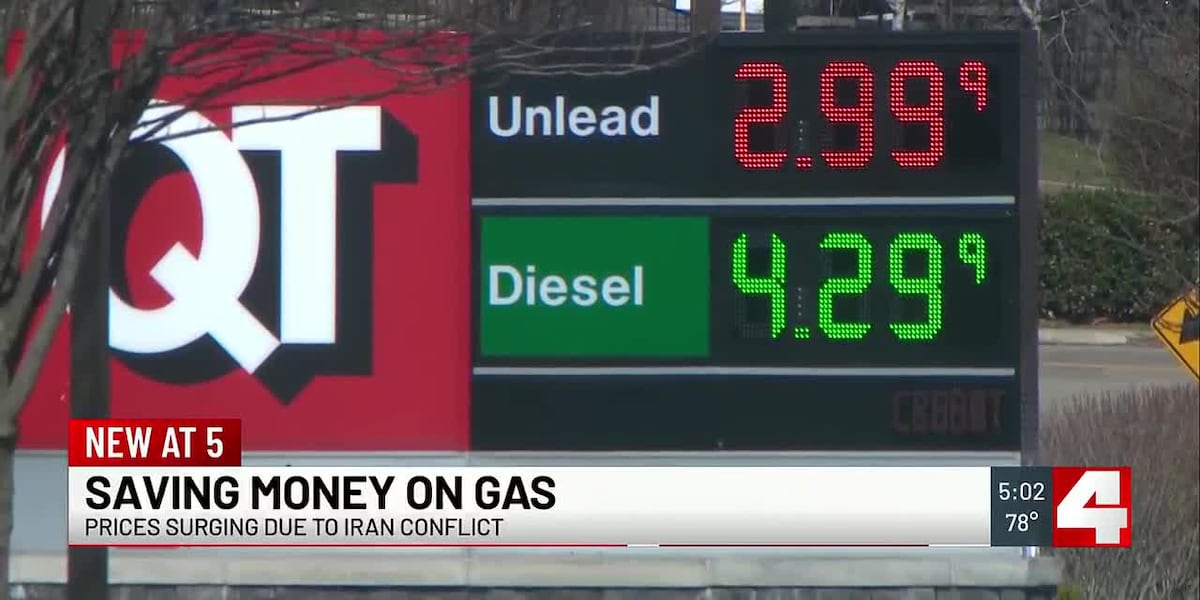


Energy Cost Surge Reshapes Logistics Pricing | Cross-Border Sellers Face 8-15% Shipping Fee Increases
- Gasoline price volatility driven by Middle East geopolitical tensions directly impacts carrier fuel surcharges, forcing sellers to recalculate fulfillment economics and working capital requirements across all shipping corridors









Overview
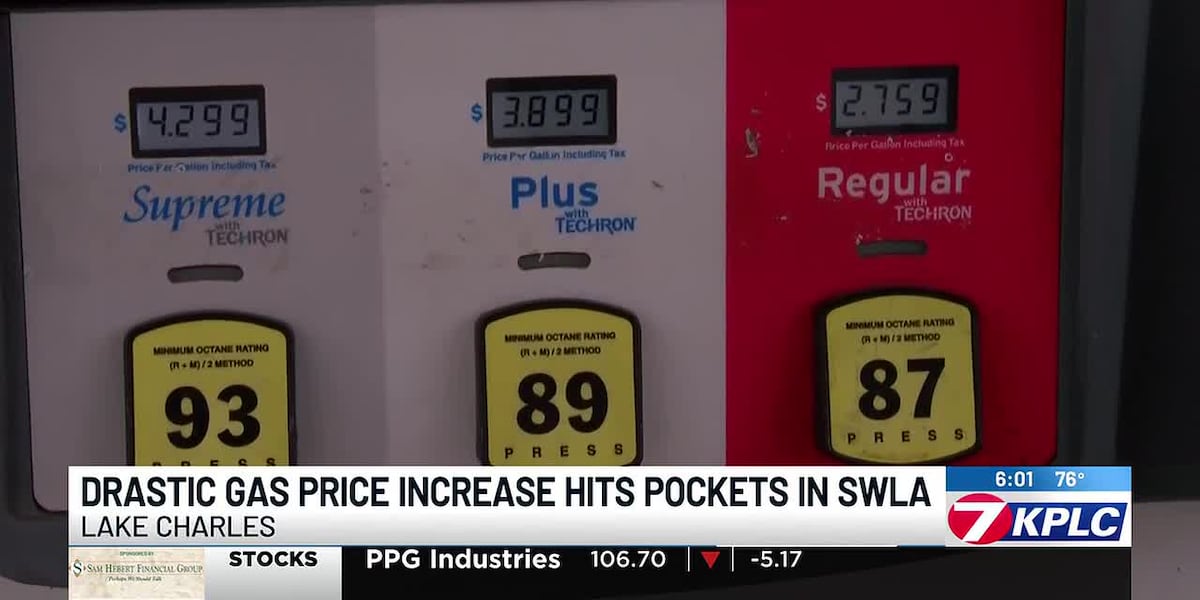
Rising gasoline prices stemming from Middle East geopolitical tensions are creating immediate cost pressures across the cross-border e-commerce logistics ecosystem. While the news article focuses on commodity market dynamics and Persian Gulf production disruptions, the downstream impact on carrier fuel surcharges represents a critical financial headwind for sellers managing inventory across multiple fulfillment networks.
Immediate Logistics Cost Impact: Fuel surcharges on major carriers (FedEx, UPS, DHL, regional 3PLs) typically increase 0.5-1.5% for every $5-10 barrel price movement. Current volatility suggests carriers will implement 8-15% fuel surcharge adjustments within 30-60 days, directly compressing margins on products with thin logistics economics. For sellers shipping 1,000+ units monthly via FBA or 3PL networks, this translates to $200-800 monthly cost increases depending on weight, destination zone, and carrier selection.
Working Capital and Cash Flow Implications: Rising logistics costs force sellers to either absorb margin compression (reducing profitability 3-8% on standard categories) or increase product pricing (risking Buy Box loss and conversion rate decline). Sellers with 30-60 day payment terms face immediate working capital strain—inventory purchased at historical logistics cost assumptions now requires higher fulfillment spend before cash recovery. This creates refinancing pressure, particularly for sellers with seasonal inventory or those operating on 15-20% net margins.
Strategic Financial Responses: Sellers should immediately evaluate alternative payment structures and financing options. Invoice financing and supply chain financing products now offer competitive advantages—lenders can factor in fuel surcharge volatility as a known cost variable, potentially offering 2-3% better rates than traditional working capital loans. Cross-border sellers should consider regional fulfillment arbitrage: shifting inventory from high-fuel-cost corridors (US-EU, US-Asia) to lower-cost hubs (Mexico, Poland, India) can offset 40-60% of surcharge increases. Currency hedging becomes critical—sellers with USD revenue and EUR/GBP fulfillment costs face compounded pressure as fuel costs drive inflation expectations and currency volatility.
Carrier and Payment Optimization: Negotiate fuel surcharge caps with carriers immediately—locking rates for 90-180 days before further increases. Evaluate alternative carriers (regional specialists, ocean freight for non-urgent shipments) offering better fuel economics. For cross-border sellers, consolidating shipments through regional hubs reduces per-unit fuel exposure by 15-25%. Payment method selection matters: sellers using dynamic currency conversion or multi-currency accounts can capture 0.5-1.5% savings by timing payments during favorable FX windows when fuel cost inflation is priced into currency pairs.
Questions 8
What financing products offer the best terms for managing fuel cost volatility?
Invoice factoring (2-4% discount rate) and supply chain financing (4-8% APR) are optimal for fuel cost volatility because lenders view surcharges as predictable, quantifiable costs. Traditional working capital loans (8-12% APR) don't account for fuel dynamics. PO financing (6-10% APR) works if you can lock supplier costs. For cross-border sellers, trade finance products (letters of credit, supply chain finance) offer 3-5% better rates than domestic financing because they're structured around documented logistics costs. Compare rates from Stripe Capital, Square Capital, and specialized trade finance providers like Fintech Acquisition Corp or Lendio.
Which cross-border shipping corridors are most affected by fuel surcharges?
Long-haul corridors with high fuel consumption are most impacted: US-Europe (air freight), US-Asia Pacific, and Europe-Asia routes see 10-15% surcharge increases. Shorter regional routes (US-Mexico, EU-Poland, Asia-Singapore) experience 5-8% increases. Ocean freight is less affected by fuel volatility but has longer transit times (30-45 days). For sellers, shifting inventory to regional fulfillment hubs reduces exposure—a Mexico-based 3PL serving US customers costs 40-60% less in fuel surcharges than US-based fulfillment for international shipments.