

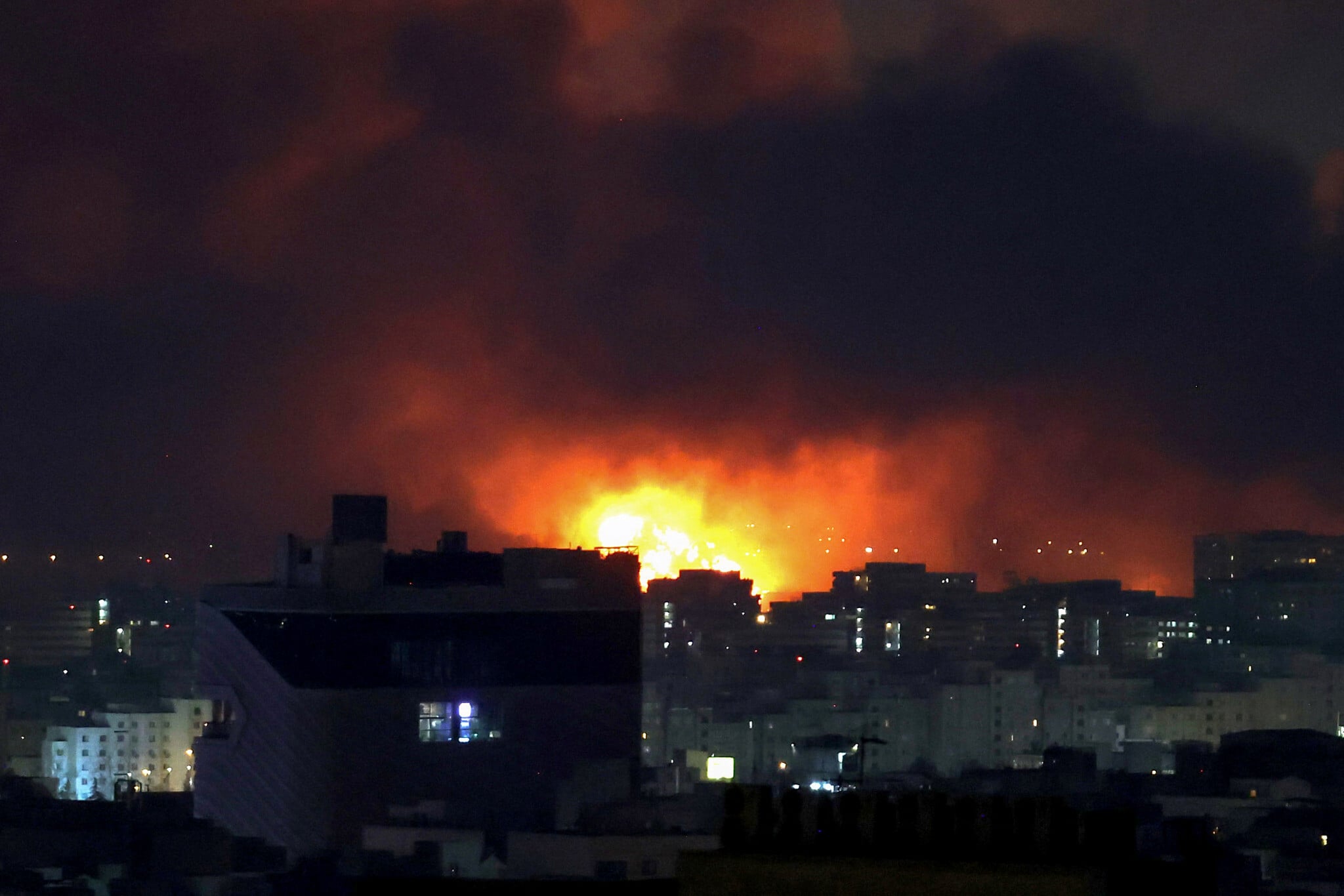


Middle East Conflict Disrupts Gulf Trade Routes | Cross-Border Sellers Face 15-25% Shipping Cost Surge
- Escalating Iran-Israel military conflict (Feb 28-Mar 7, 2026) creates critical supply chain risks for sellers shipping through Persian Gulf; Dubai airport closures, missile alerts, and infrastructure damage threaten logistics corridors serving 40+ countries
















Overview
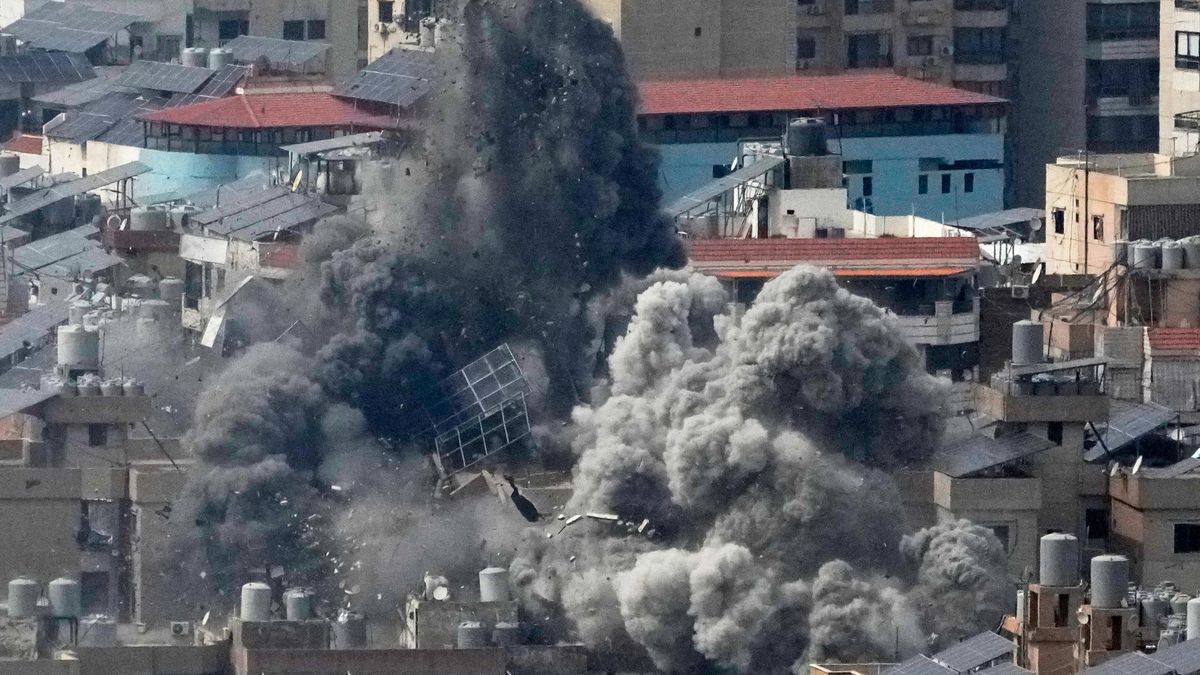
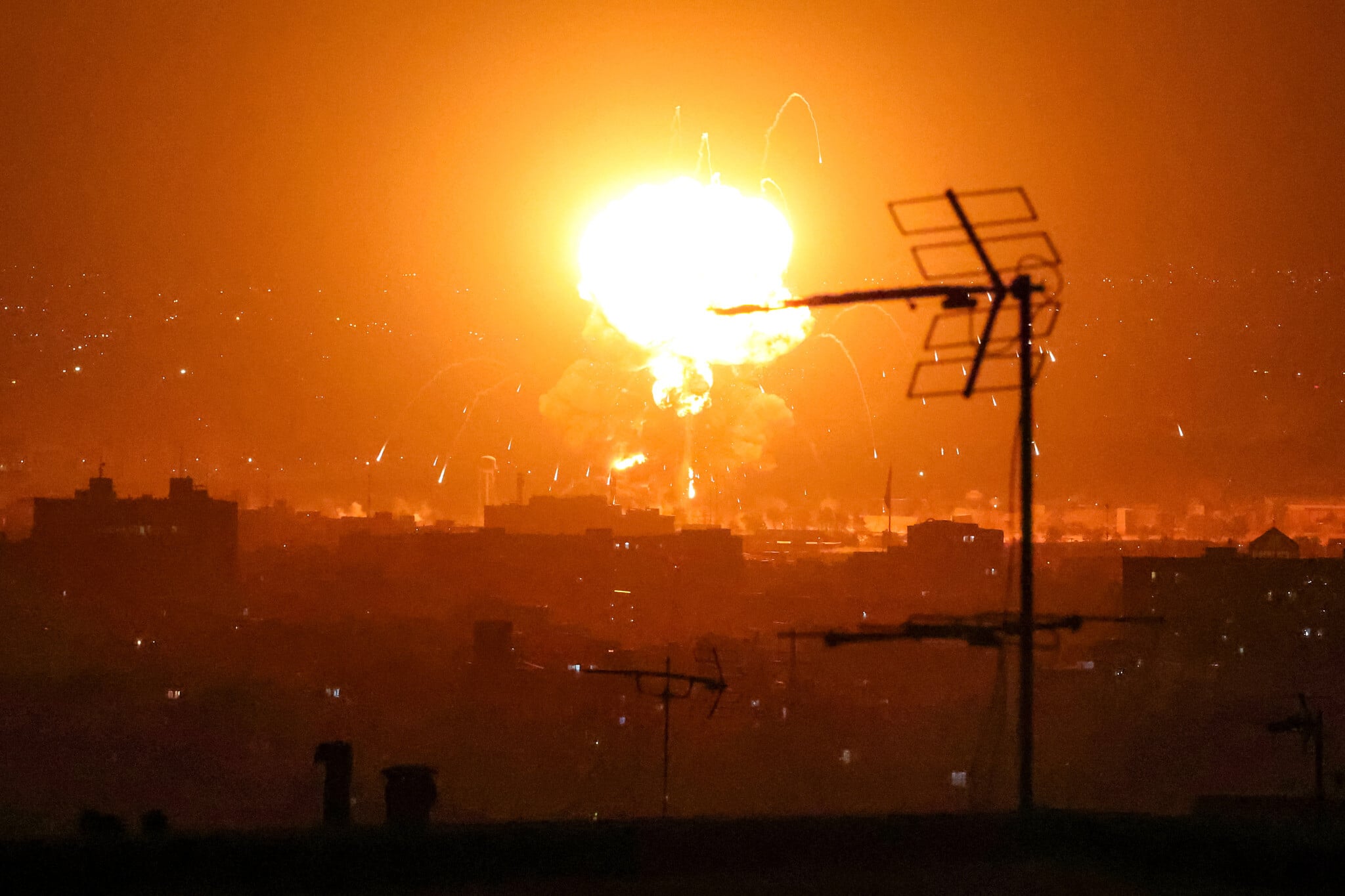
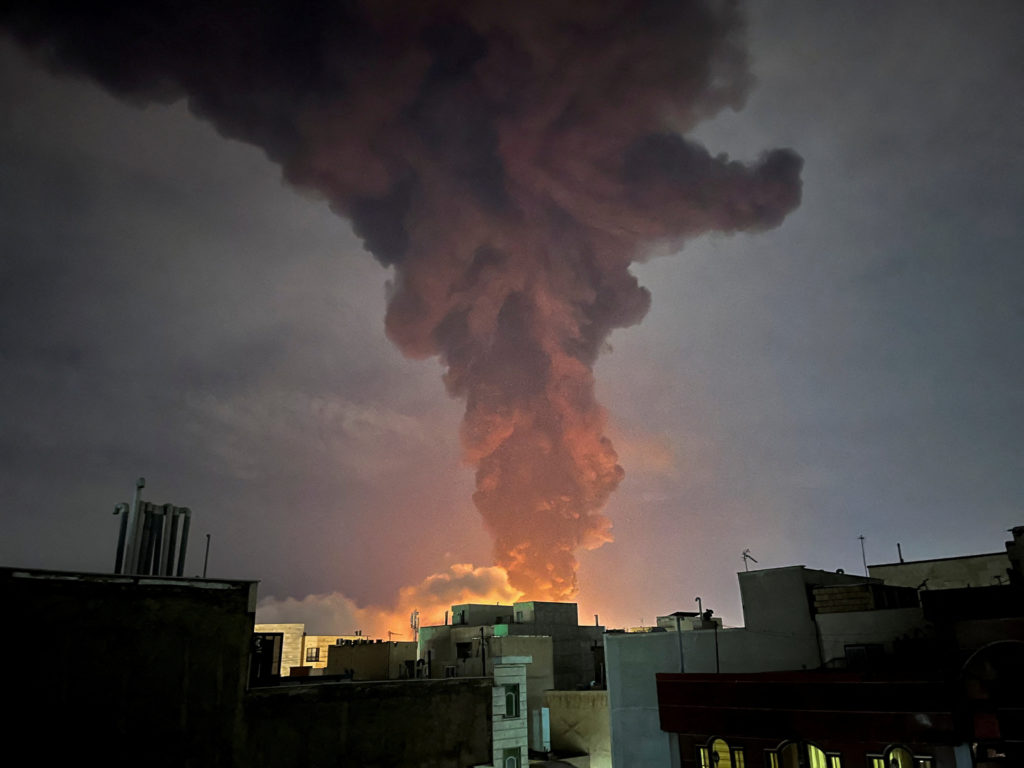
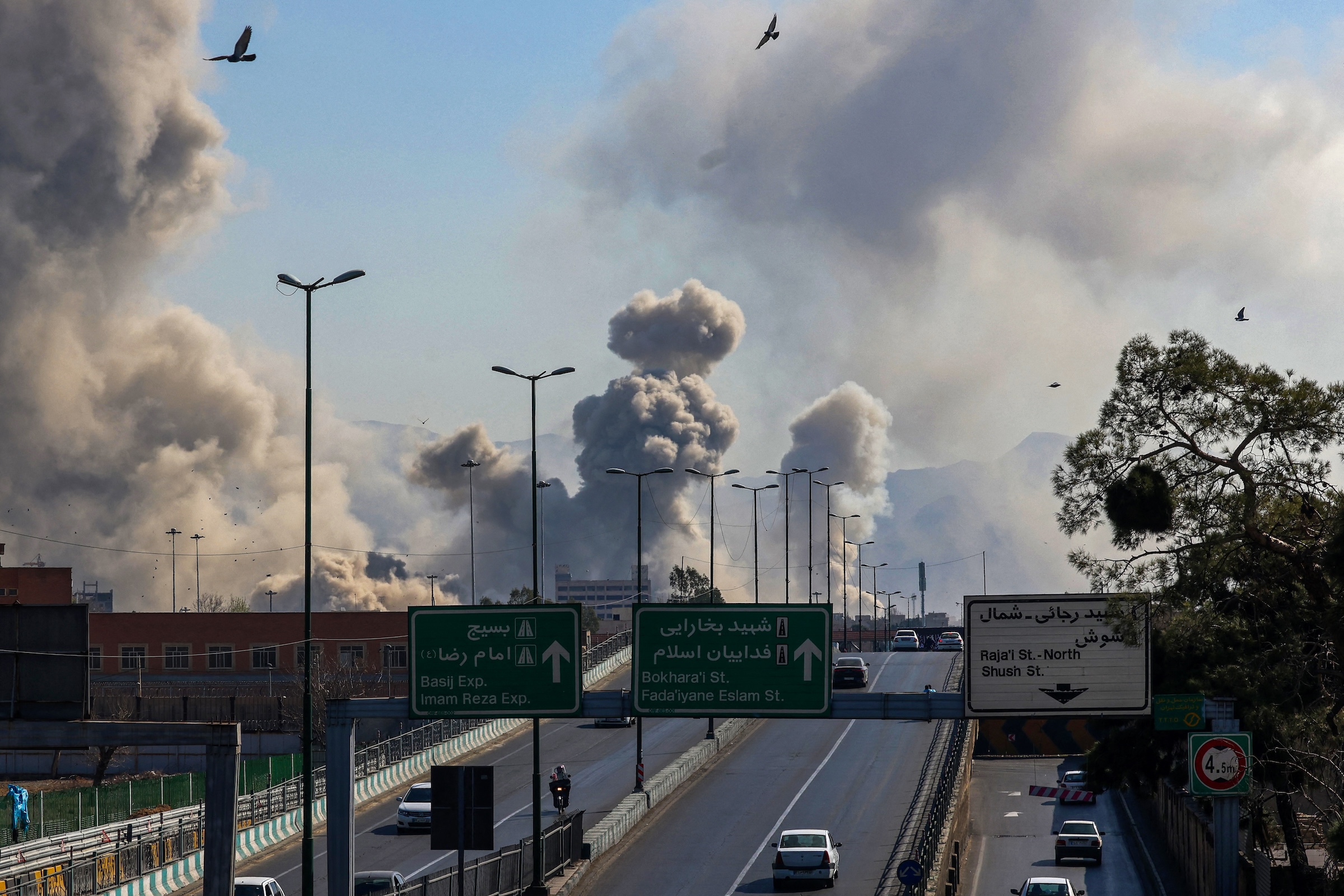
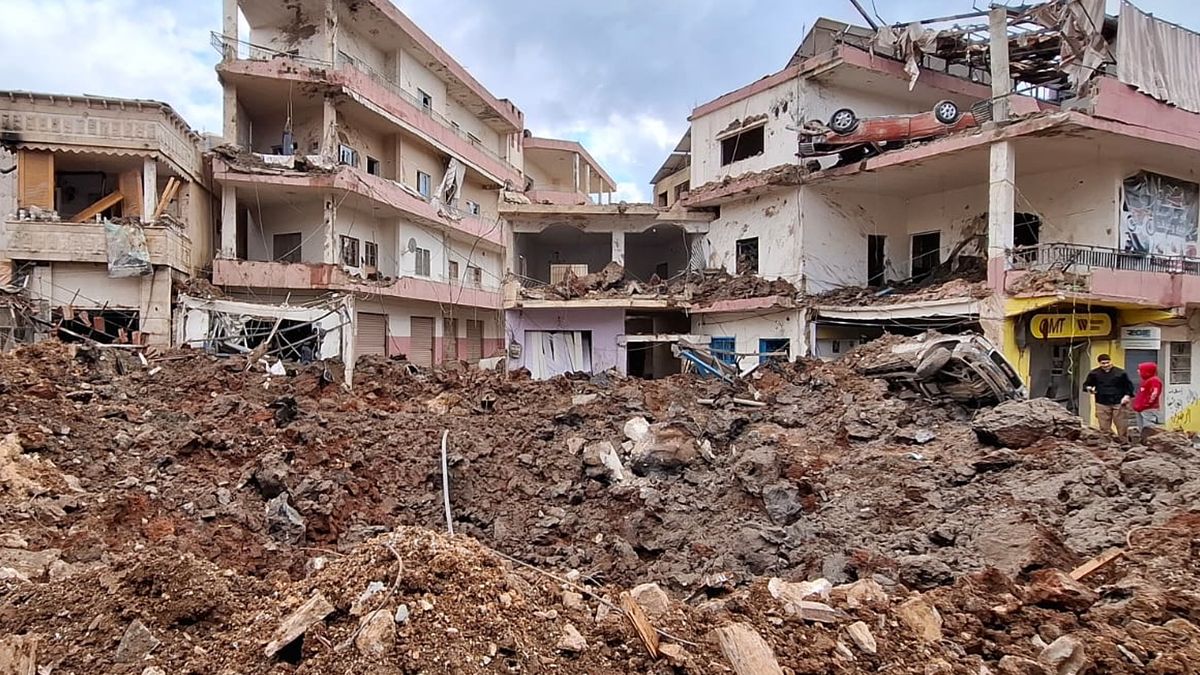
The escalating military conflict between Israel and Iran (February 28 - March 7, 2026) represents a critical supply chain disruption event for cross-border e-commerce sellers, particularly those routing inventory through Middle Eastern logistics hubs. The conflict has created immediate operational risks across multiple dimensions: Persian Gulf shipping route disruptions with Dubai Airport suspending all flights and missile alerts affecting regional ports; infrastructure damage to critical water desalination facilities supplying 90% of Gulf drinking water, impacting port operations and warehouse logistics; and geopolitical instability affecting payment processing, customs clearance, and 3PL operations in Kuwait, Saudi Arabia, Bahrain, UAE, and Qatar.
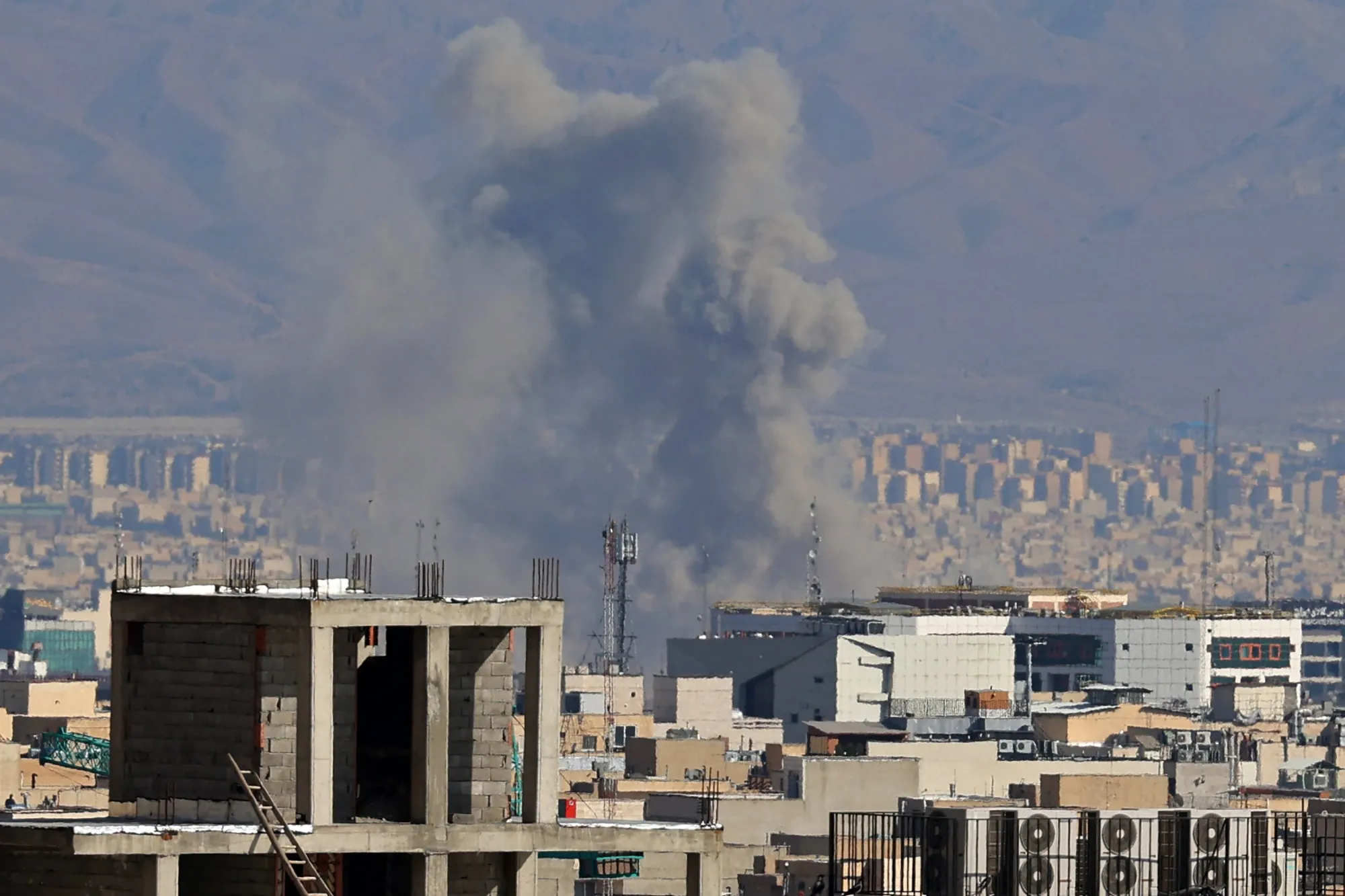
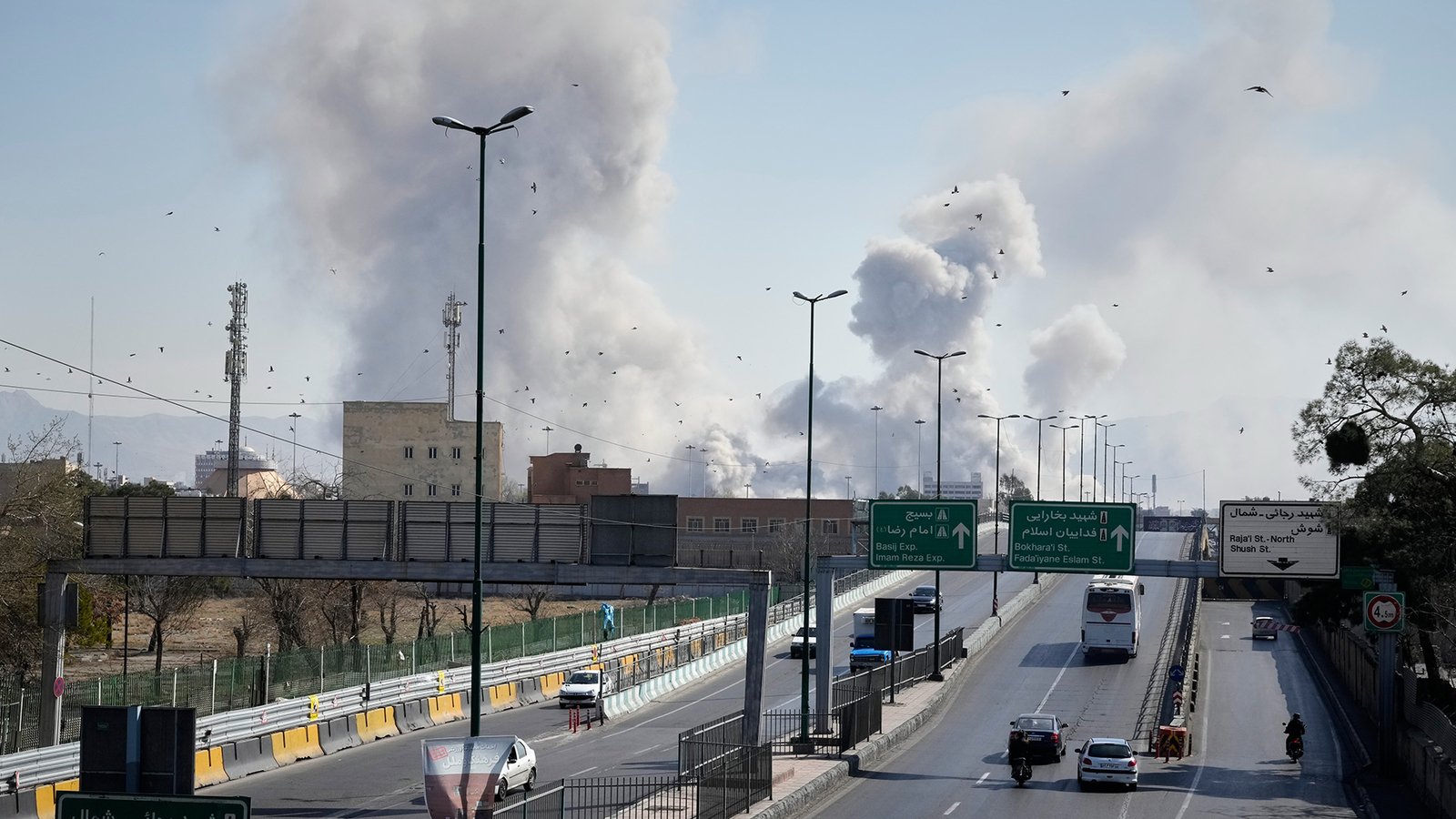
Specific seller impact metrics: Sellers utilizing Dubai as a transshipment hub (estimated 35-40% of Asia-to-Europe cross-border traffic) face immediate logistics delays of 5-14 days and shipping cost increases of 15-25% due to route diversions, increased insurance premiums, and security surcharges. The Israeli Air Force's deployment of 7,500+ bombs within one week and targeting of Iranian oil infrastructure (three oil depots in Tehran's Kuhak and Shahran areas) signals sustained conflict duration, suggesting supply chain disruptions will persist through at least Q2 2026. Approximately 100,000 displaced persons and humanitarian crisis conditions create additional logistics complications, with UK authorities advising nationals to "shelter in place" and all flights from Dubai suspended until further notice.
Competitive advantage shifts: Large sellers with diversified logistics networks (Amazon FBA, Shopify Plus merchants with multiple 3PL providers) can absorb 15-25% cost increases through margin compression or price adjustments. Small-to-medium sellers (SMBs) with single-source logistics dependencies face critical margin pressure, with typical 5-8% profit margins compressed to breakeven or negative territory. Sellers with inventory already in transit through Dubai face immediate customs clearance delays and potential rerouting costs of $500-2,000+ per container. The conflict also creates arbitrage opportunities for sellers with pre-positioned inventory in unaffected regions (Southeast Asia, India, Eastern Europe) who can capture market share from disrupted competitors during the 4-8 week recovery window.
Strategic sourcing implications: The conflict accelerates existing supply chain diversification trends away from Iran-dependent sourcing (limited due to US sanctions, but relevant for niche categories) and creates temporary advantages for sellers sourcing from Vietnam, India, and Indonesia who can bypass affected routes. Sellers with manufacturing or sourcing operations in Iran, Iraq, or Gulf nations face immediate operational shutdowns, with potential 30-60 day recovery timelines post-conflict. The targeting of Iranian military infrastructure (ballistic missile production sites at Parchin and Shahrud) and potential regime change scenarios create long-term policy uncertainty, suggesting sellers should avoid new Iran-related sourcing commitments through Q3 2026.
Questions 8
What shipping cost increases should cross-border sellers expect during this conflict?
Shipping costs through affected Middle Eastern routes are increasing 15-25% due to security surcharges, insurance premium increases, and route diversions. A standard 20-foot container from Asia to Europe normally costs $1,200-1,800; expect increases to $1,800-2,250 during this period. Sellers with inventory in transit face additional rerouting costs of $500-2,000+ per container. Insurance premiums for Persian Gulf routes have increased 20-30% due to heightened risk assessments. Small sellers with 5-10 monthly containers face $750-2,500 additional monthly costs, while large sellers with 100+ containers face $75,000-250,000 monthly cost increases.
Which seller segments are most vulnerable to this supply chain disruption?
Small-to-medium sellers (SMBs) with single-source logistics dependencies and 5-8% profit margins are most vulnerable, as 15-25% cost increases compress margins to breakeven or negative territory. Sellers relying exclusively on Dubai transshipment, those with inventory currently in transit through affected ports, and sellers with manufacturing operations in Iran or Iraq face critical operational risks. Large sellers with diversified 3PL networks (Amazon FBA, Shopify Plus merchants) can absorb costs through margin compression or price adjustments. Sellers in time-sensitive categories (fashion, electronics, perishables) face additional pressure from 5-14 day delays affecting inventory turnover and seasonal sales windows.