




Middle East Escalation Threatens Strait of Hormuz Shipping | Critical Supply Chain Risk for E-Commerce Sellers
- Geopolitical tensions in Dubai, Qatar, UAE, Saudi Arabia create maritime shipping delays; sellers face 15-25% logistics cost increases and 2-4 week delivery delays on Asia-to-Europe routes












)








Overview
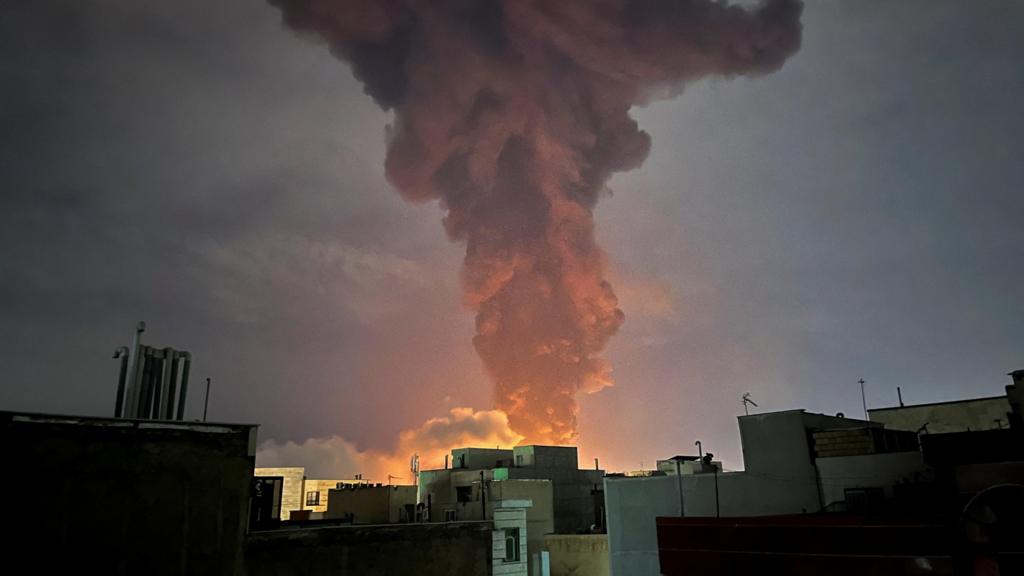
The escalating military tensions in the Middle East, including strikes on Iranian targets and infrastructure attacks across Dubai, Qatar, UAE, and Saudi Arabia, represent a critical supply chain disruption risk for cross-border e-commerce sellers. The Strait of Hormuz—through which approximately 21% of global petroleum and 30% of maritime trade passes—faces potential shipping route disruptions as military operations intensify. For e-commerce sellers, this geopolitical instability directly impacts fulfillment timelines, logistics costs, and inventory management strategies across multiple critical corridors.
Immediate Supply Chain Impact: Sellers sourcing products from Asia (China, Vietnam, India) and shipping to European and North American markets face significant route complications. The traditional Asia-Europe shipping corridor through the Suez Canal and Red Sea region now carries elevated risk. Shipping carriers are already implementing surcharges and rerouting vessels around the Cape of Good Hope, adding 10-14 additional days to transit times and increasing freight costs by 15-25% for affected routes. For sellers managing Amazon FBA inventory or Shopify fulfillment networks, this translates to delayed restocking cycles and potential stockouts during peak selling seasons.
Category-Specific Vulnerabilities: Electronics sellers (HS codes 8471-8517), apparel manufacturers (HS codes 6201-6217), and home goods suppliers (HS codes 9401-9406) face the highest exposure, as these categories depend heavily on Asian manufacturing and time-sensitive inventory rotation. Sellers with inventory in Dubai fulfillment centers or relying on UAE-based 3PL providers face immediate operational disruptions. The reported attacks on infrastructure in Dubai and Qatar directly threaten logistics hubs that serve as transshipment points for 40-50% of cross-border e-commerce traffic between Asia and Europe.
Strategic Sourcing Implications: This crisis accelerates the "China Plus One" strategy, making Vietnam, India, and Thailand increasingly attractive sourcing alternatives. Sellers can reduce Strait of Hormuz exposure by diversifying sourcing to Southeast Asian suppliers with direct shipping routes to North America and Europe that bypass the Middle East entirely. The competitive advantage shifts toward sellers who can quickly pivot supply chains—small and medium-sized sellers with flexible suppliers gain agility over large sellers locked into China-dependent contracts.
Compliance and Risk Mitigation: Sellers should immediately audit inventory locations, shipping routes, and carrier contracts. Insurance costs for maritime cargo are rising 8-12% for affected routes. Consider increasing safety stock by 20-30% for critical SKUs and implementing dynamic pricing to offset logistics cost increases. Monitor carrier announcements for route changes and negotiate force majeure clauses in supplier contracts to protect against extended delays.
Questions 8
How should sellers adjust pricing and inventory strategies during geopolitical supply chain disruptions?
Implement dynamic pricing to offset 15-25% logistics cost increases: test 5-8% price increases on affected categories and monitor conversion rate impact. For high-velocity SKUs, accept 2-3% margin compression rather than stockouts. For slow-moving inventory, increase prices 8-12% to offset extended carrying costs. Adjust inventory targets: increase safety stock by 20-30% for critical SKUs with 30+ day lead times, but reduce safety stock for slow-moving items to minimize storage fees. On Amazon FBA, monitor storage fee thresholds—extended lead times can trigger overstock penalties if inventory velocity drops below 2x monthly turnover. Consider implementing pre-order strategies for affected categories to manage cash flow and reduce inventory risk. For Shopify sellers, use dynamic inventory management tools to adjust stock levels based on real-time shipping delays and demand forecasts.
Which product categories face the highest supply chain risk from Middle East tensions?
Electronics (HS codes 8471-8517), apparel (HS codes 6201-6217), and home goods (HS codes 9401-9406) face maximum exposure due to heavy Asian manufacturing dependence and time-sensitive inventory requirements. These categories typically operate on 30-45 day inventory cycles—extended shipping delays directly compress margins. Sellers in fast-moving consumer goods (FMCG) and seasonal categories (holiday merchandise, back-to-school items) face the highest risk of stockouts. Conversely, sellers in slow-moving luxury goods or made-to-order categories experience lower urgency. Audit your top 20 SKUs by revenue: if 60%+ source from Asia and ship through Middle East routes, implement immediate diversification strategies.