


Strait of Hormuz Blockade Triggers Global Energy Crisis | Shipping Costs Surge 15-25% for Cross-Border Sellers
- Qatar's Ras Laffan LNG shutdown forces 52% crude price surge YTD; European logistics costs rise £200-400/quarter; semiconductor/helium shortages delay AI chip production 6-12 weeks





Overview
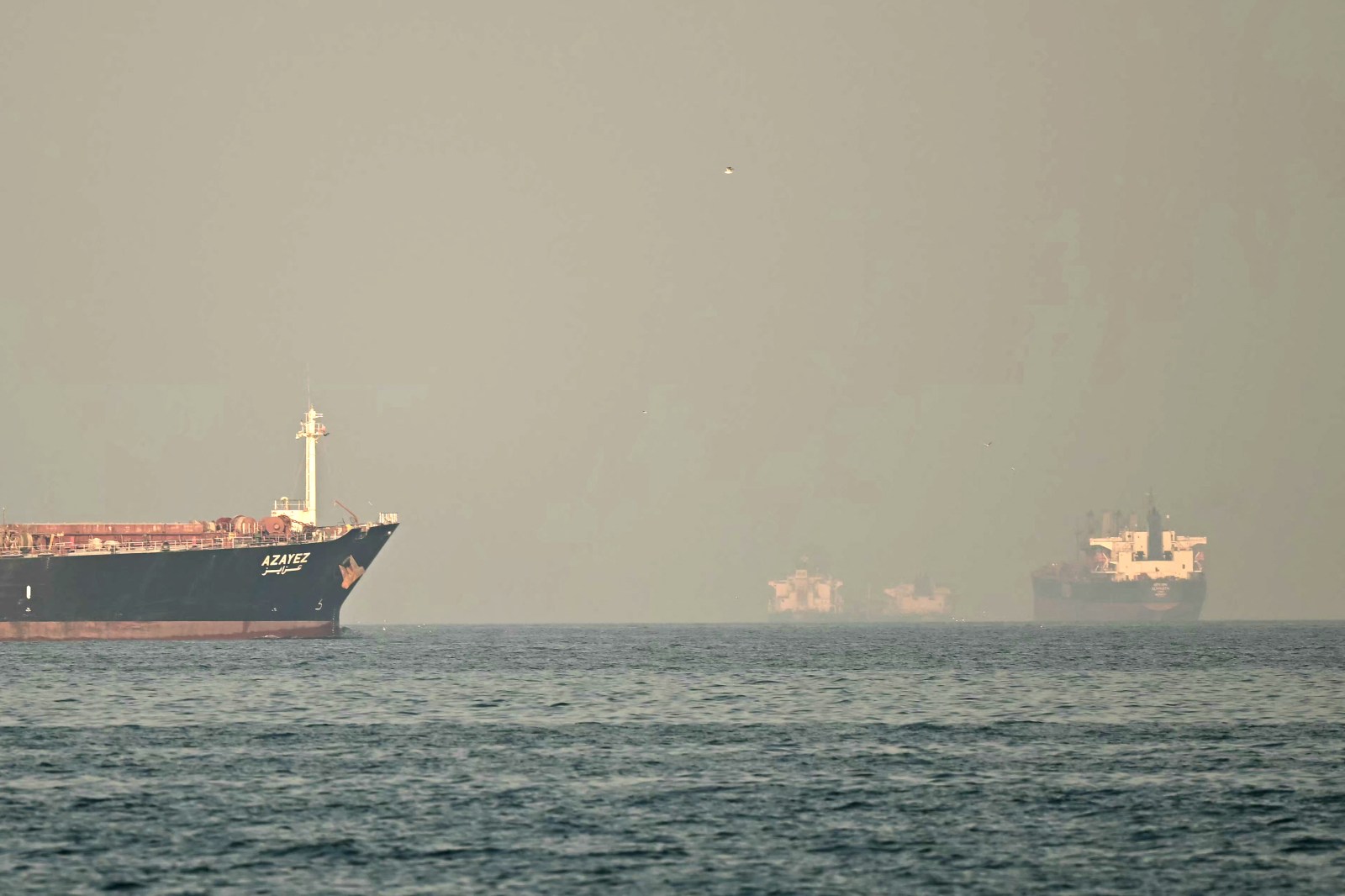
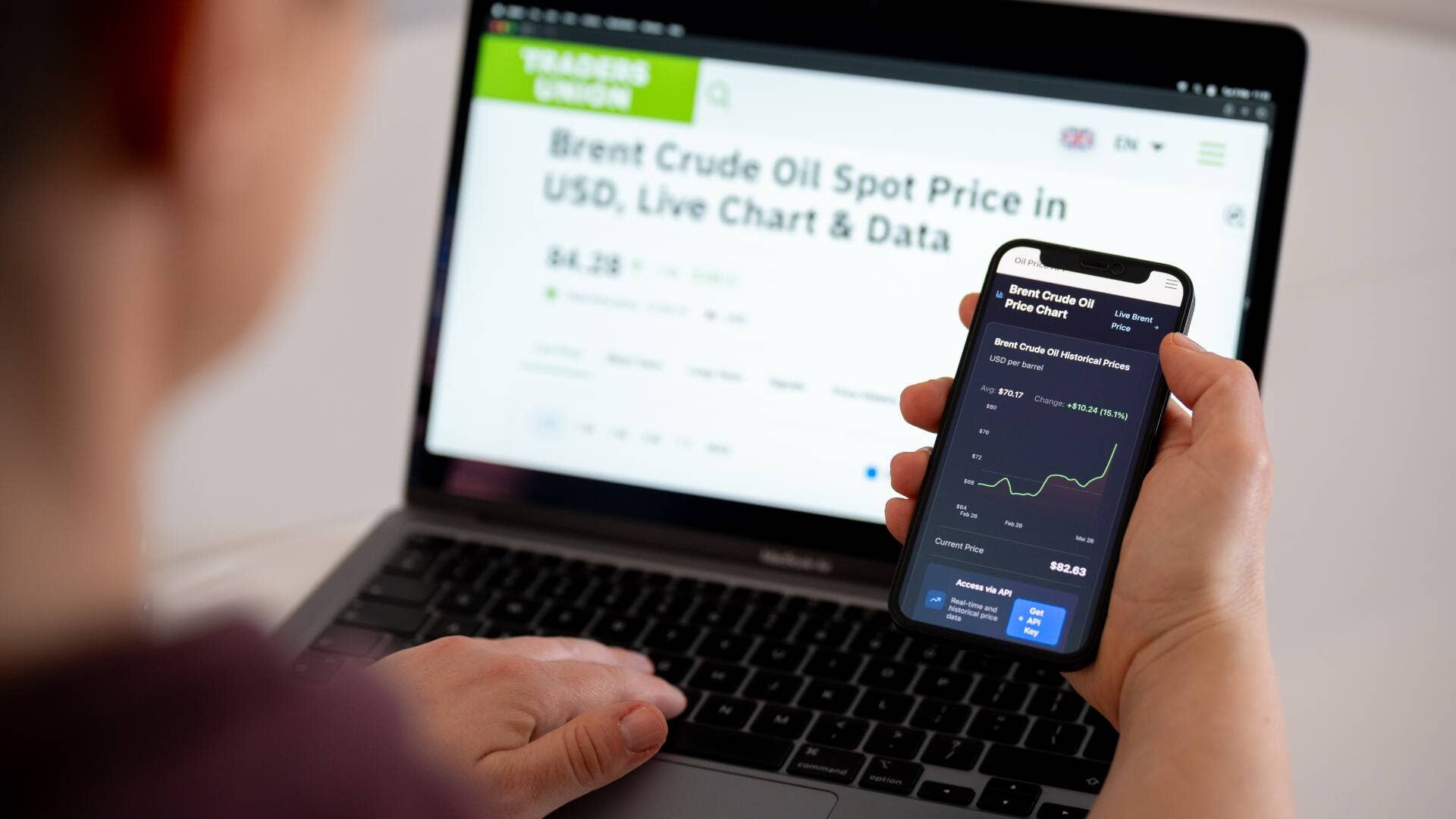
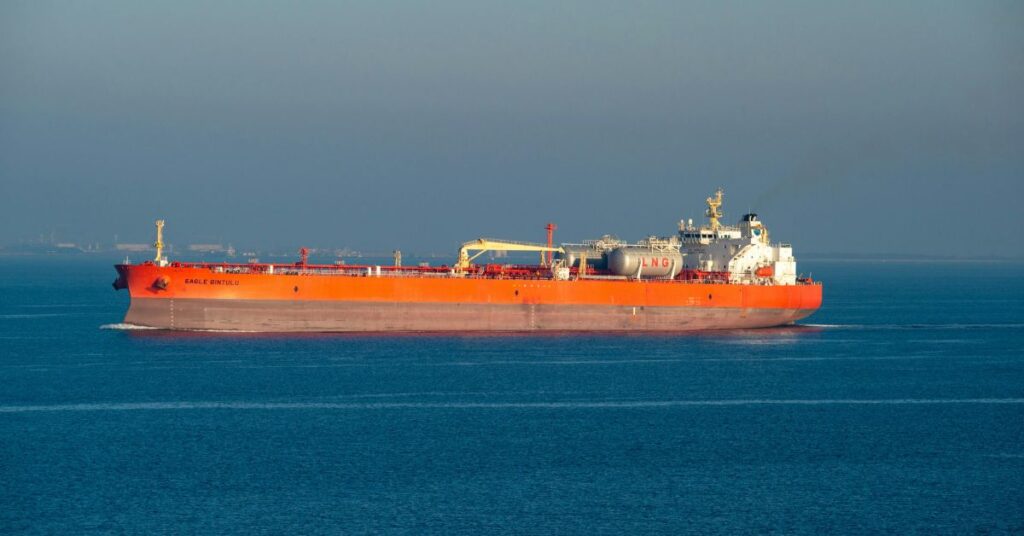
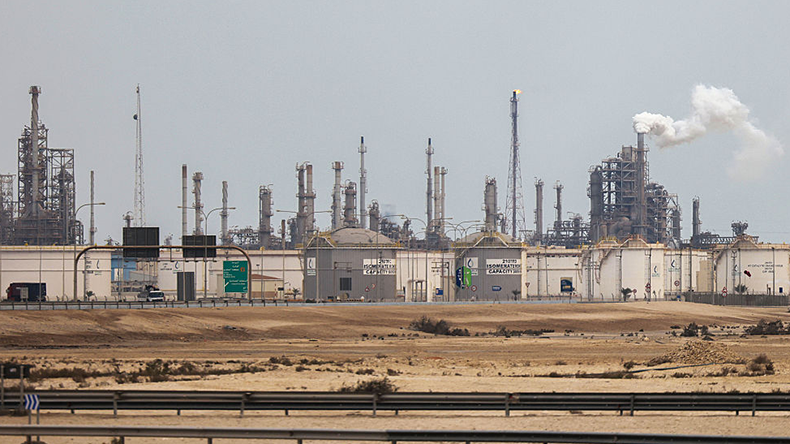
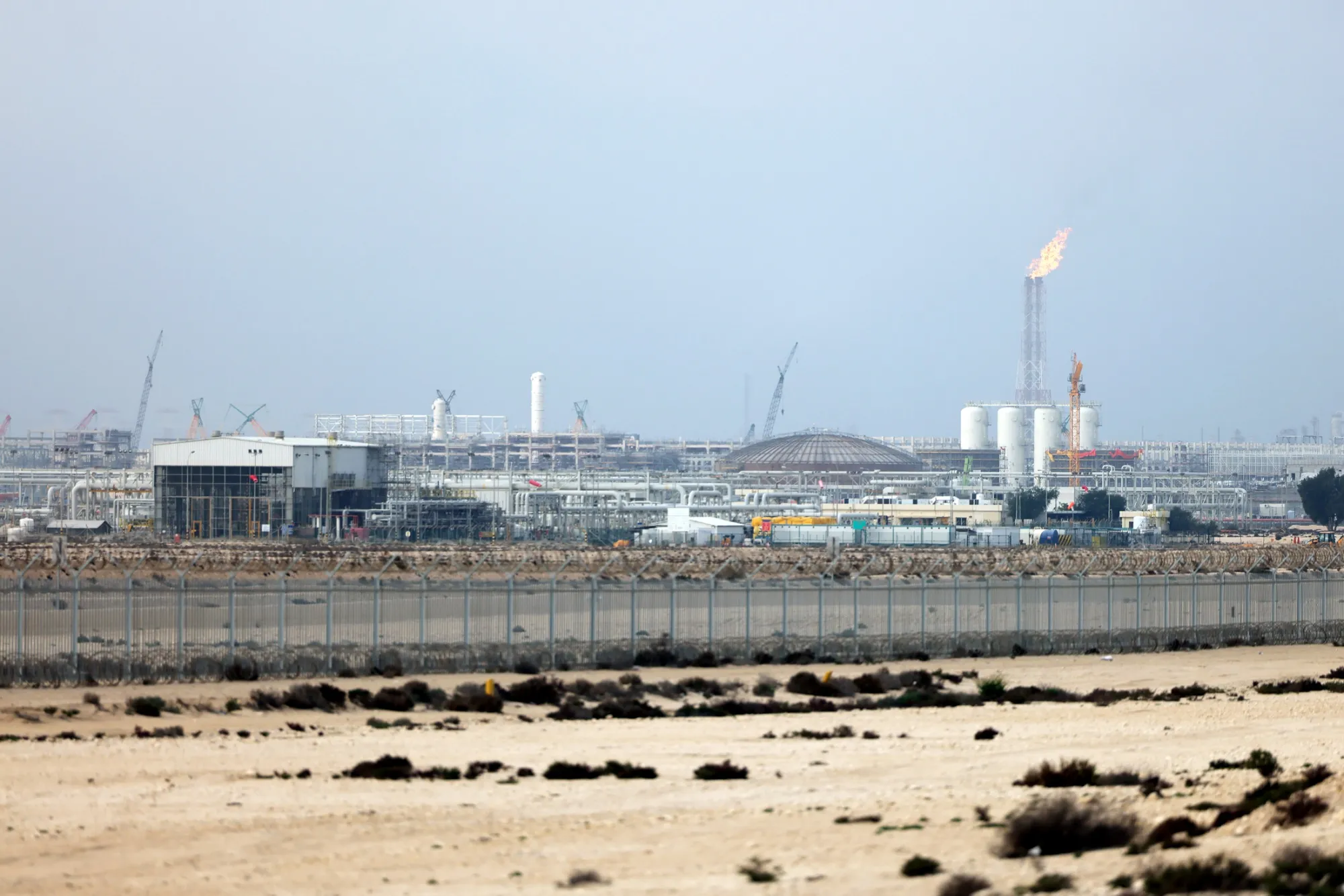
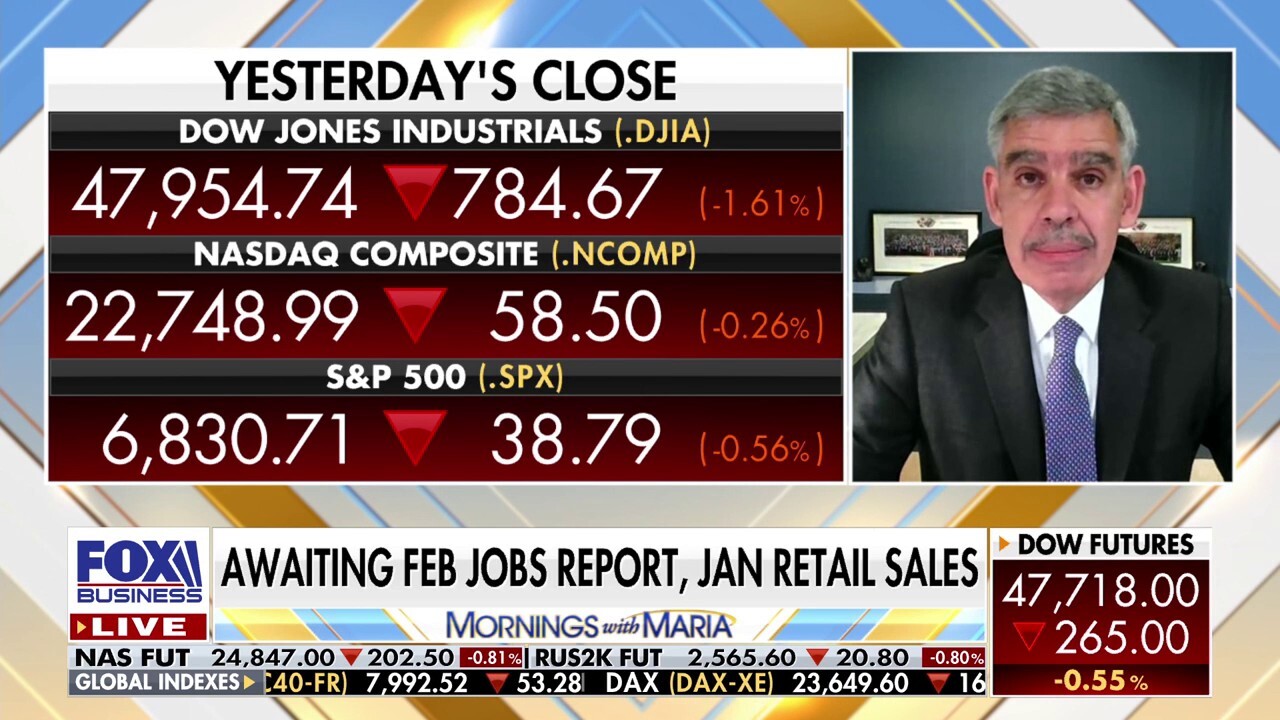
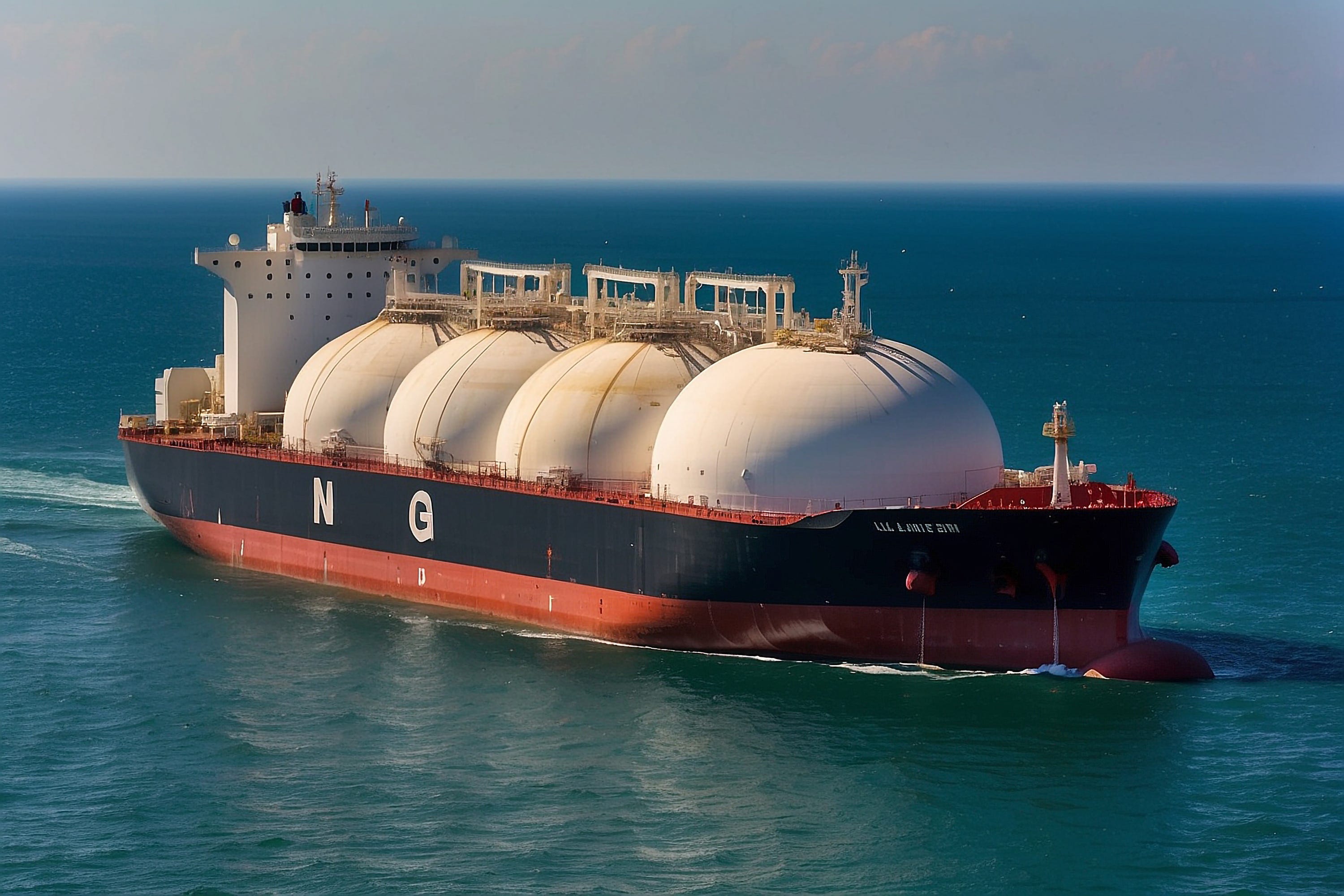
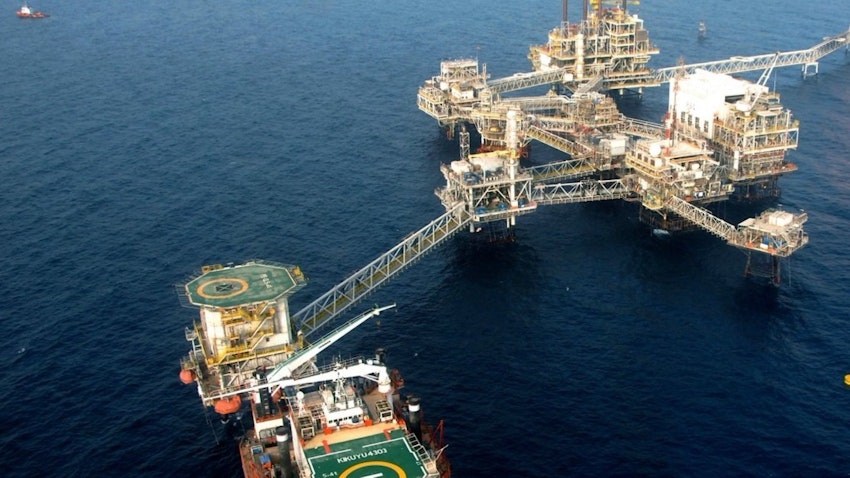
The Iranian military strike on Qatar's Ras Laffan LNG complex—the world's largest single energy infrastructure facility—has triggered a cascading global energy crisis with direct operational and cost implications for cross-border e-commerce sellers. As of March 6, 2025, crude oil prices surged to $92.61/barrel (light sweet) and $94.64/barrel (Brent), representing a 52% year-to-date increase and 8% single-day jump. The Strait of Hormuz blockade, which handles 20% of global crude oil and equivalent LNG volumes, remains effectively closed due to Iranian naval attacks and maritime insurance withdrawal. Qatar's energy minister warned crude could reach $150/barrel within weeks if closure persists.
Immediate Seller Impact - Logistics & Shipping Costs: The energy crisis directly inflates international shipping rates. Container freight from Asia to Europe—the primary cross-border e-commerce corridor—typically correlates with fuel surcharges tied to crude prices. Historical data shows each $10/barrel crude increase adds $150-300 to 40-foot container costs. At current trajectory, sellers shipping 50+ containers monthly face $2,000-5,000 additional monthly logistics expenses. European sellers operating 3PL warehouses face utility bill increases of £200-400 quarterly as British wholesale gas prices doubled post-shutdown. The Bank of England's decision to abandon planned interest rate cuts signals sustained inflation, pressuring consumer purchasing power and reducing discretionary spending on non-essential cross-border imports.
Supply Chain Disruption - Manufacturing & Inventory Delays: The shutdown of all three Qatari helium production facilities creates critical bottlenecks for electronics sellers. Helium, extracted as a byproduct of LNG production, is essential for semiconductor manufacturing—particularly AI chips experiencing accelerating demand. Taiwan sources 40% of power from imported Qatari gas; South Korea maintains only 9 days of reserves. Semiconductor manufacturers already straining to meet AI chip demand now face 6-12 week production delays, cascading to sellers of electronics, smart home devices, and computing equipment. Manufacturing costs for products sourced from affected regions (Taiwan, South Korea, Southeast Asia) will rise 8-15% due to energy surcharges. Inventory replenishment from Asian suppliers faces 2-4 week delays as container availability tightens and shipping schedules become uncertain.
Strategic Sourcing Opportunity - Inventory Acceleration & Price Positioning: Sellers with existing inventory in European warehouses gain competitive advantage during supply constraints. Products with 6-12 week lead times from Asia (electronics, semiconductors, smart devices) will command 12-20% price premiums as supply tightens. Sellers should accelerate inventory purchases before April 15, 2025 (estimated 6-week supply window before acute shortages) to lock in current pricing before manufacturing cost increases propagate. The Trump Administration's $20 billion reinsurance facility for Gulf shipping may stabilize rates by late April, creating a 4-6 week window of relative stability before broader economic impacts materialize. Sellers positioned with pre-crisis inventory can capture margin expansion of 8-12% on high-demand electronics categories before competitors adjust pricing.
Questions 8
What compliance or operational changes should sellers implement immediately?
Sellers should immediately: (1) Review freight contracts and lock in rates before April 15, 2025; (2) Audit inventory composition and accelerate purchases of high-lead-time items (electronics, semiconductors); (3) Stress-test cash flow models assuming 15-25% shipping cost increases and 8-12% demand reduction; (4) Diversify sourcing away from Taiwan/South Korea toward alternative suppliers in India, Vietnam, or Mexico; (5) Evaluate 3PL providers in lower-cost regions (Eastern Europe) to offset European utility increases; (6) Monitor Bank of England interest rate decisions and adjust pricing strategies for reduced consumer purchasing power. Implement these changes by April 1, 2025 to maintain competitive positioning.
Which seller segments gain competitive advantage during this energy crisis?
Sellers with pre-crisis inventory in European warehouses gain 8-12% margin expansion as supply tightens. Large sellers (1000+ monthly units) with established 3PL relationships can negotiate fixed-rate freight contracts before April 15, locking in costs below market escalation. Small sellers relying on just-in-time inventory face 15-25% cost increases and potential stockouts. Sellers in low-energy-cost regions (Eastern Europe, Mexico, India) gain cost advantages over Western European competitors. Sellers offering alternative products to energy-intensive categories (e.g., manual tools vs. power tools) will capture demand shifts. First-mover advantage exists for sellers repositioning inventory toward essential, high-margin categories before Q2 2025.