


Middle East Oil Crisis Threatens Global Shipping | Sellers Face 8-15% Fuel Surcharge Increases
- Escalating Iran-Israel conflict disrupts Persian Gulf logistics corridors affecting 40%+ of cross-border sellers shipping through Middle East routes; fuel surcharges expected to rise $0.50-1.50 per unit by Q2 2026














Overview
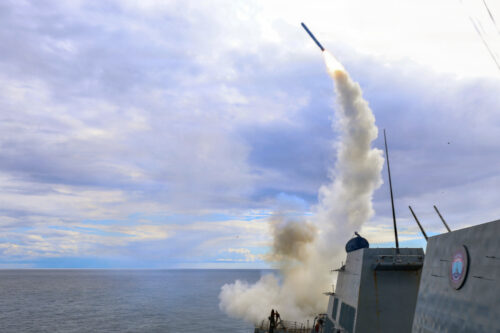
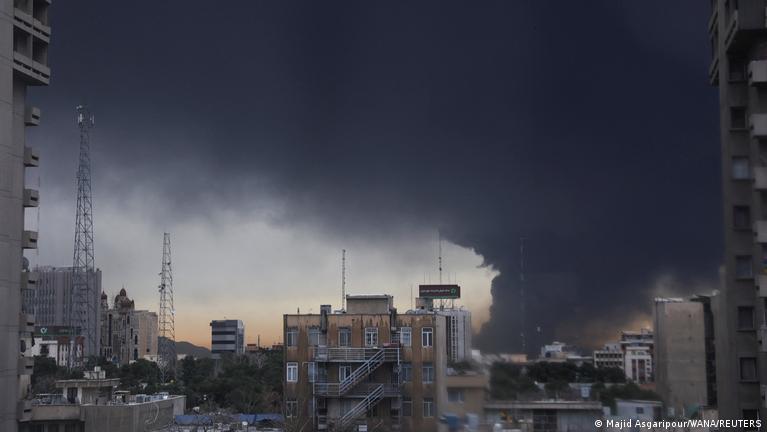
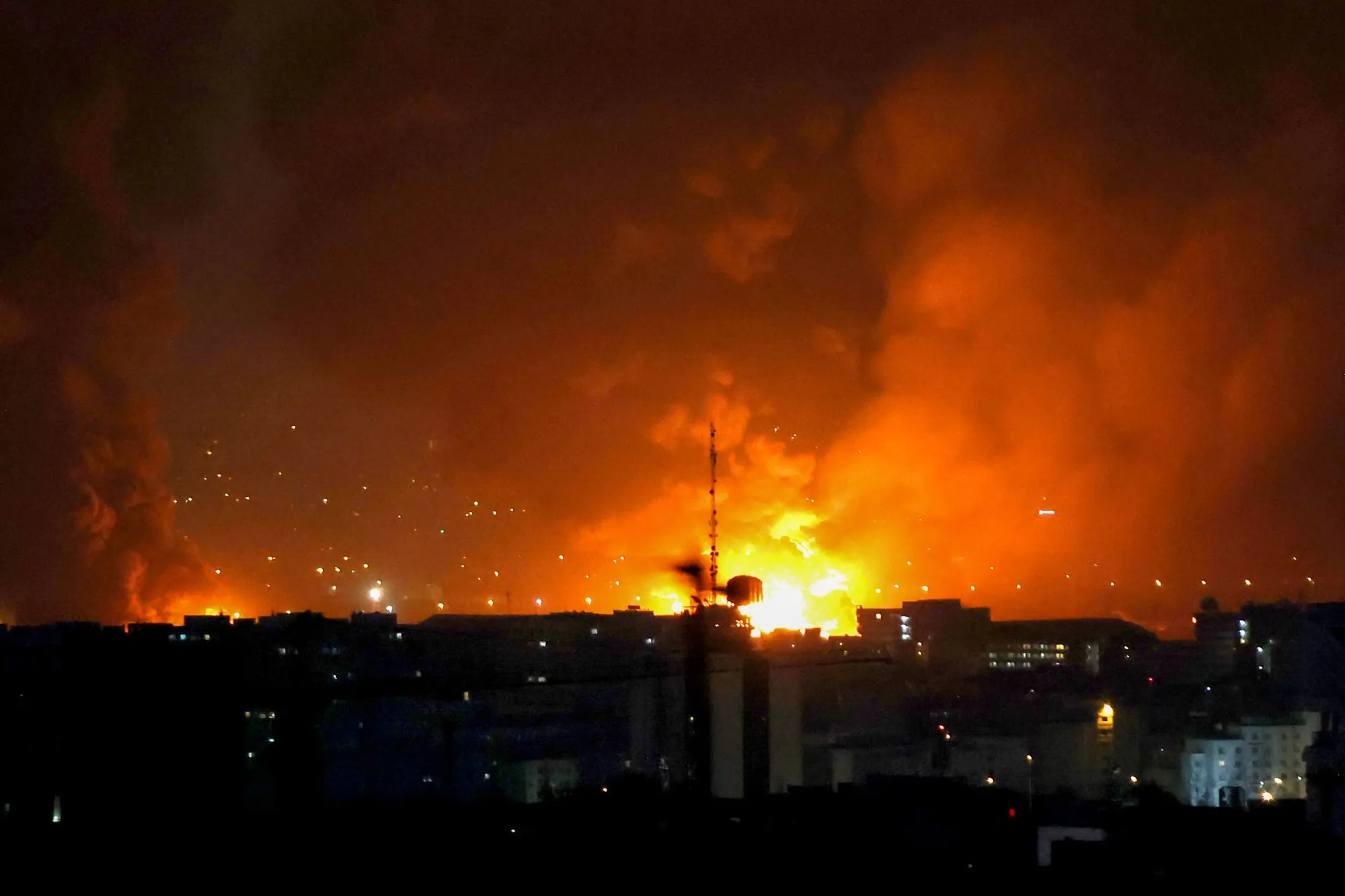
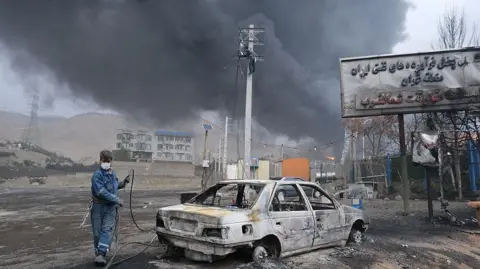
The escalating Iran-Israel military conflict centered on March 8, 2026 strikes targeting Tehran's oil infrastructure represents a critical supply chain disruption event for cross-border e-commerce sellers. Israeli airstrikes destroyed four major oil depots and one fuel transfer center in Tehran and Alborz provinces, with Iranian Parliament Speaker Mohammad-Bagher Ghalibaf explicitly warning that "continued conflict threatens global oil production and supply chains." This geopolitical escalation directly impacts seller economics through three mechanisms: (1) Fuel surcharge increases on international shipping routes, with historical precedent showing 8-15% cost increases during Middle East conflicts; (2) Insurance premium spikes for shipments transiting Persian Gulf shipping lanes, affecting sellers using Suez Canal-dependent routes; (3) Regional marketplace disruptions in UAE, Qatar, Kuwait, and Saudi Arabia where sellers maintain fulfillment operations.
The immediate operational impact targets specific seller segments. Sellers shipping 1,000+ units monthly through Middle East logistics hubs face $200-400 monthly cost increases in fuel surcharges alone. The conflict's projected 6-month duration (per Iranian officials) creates a sustained cost pressure window through September 2026. Amazon FBA sellers with inventory in Middle East fulfillment centers (particularly UAE-based operations serving GCC markets) face inventory velocity challenges as consumer purchasing power contracts during regional instability. The news reports indicate fuel distribution disruptions with gas stations rationing supplies to five liters per customer, signaling broader logistics infrastructure strain that will cascade to commercial shipping operations.
Strategic sourcing implications emerge from this crisis. Sellers currently dependent on China-to-Middle East-to-Europe supply chains should evaluate alternative routing through Southeast Asia (Vietnam, Thailand) or direct India-to-Europe corridors that bypass Persian Gulf chokepoints. The conflict creates a 6-12 month window where sourcing cost differentials between China-dependent routes (+12-18% premium) versus India/Vietnam alternatives (baseline rates) become economically justified. Sellers in electronics, apparel, and consumer goods categories should model scenario planning: maintaining 30-45 days additional safety stock costs $5,000-15,000 per SKU but protects against supply chain disruption penalties. The news explicitly notes internet shutdowns in Iran affecting business operations, signaling broader infrastructure vulnerability that extends to regional e-commerce platforms and payment processing systems.
Questions 8
How much will shipping costs increase for sellers using Middle East logistics routes?
Based on historical precedent from 2011 Suez Canal disruptions and 2022 Red Sea tensions, fuel surcharges typically increase 8-15% during Middle East conflicts, translating to $0.50-1.50 per unit for standard parcels. The news reports Iranian Parliament Speaker warning of threats to 'global oil production and supply chains,' indicating sustained pressure. Sellers shipping 1,000+ units monthly should budget $200-400 additional monthly costs. Insurance premiums for Persian Gulf transit routes typically spike 5-8% during active conflicts, adding another $0.15-0.35 per unit. Monitor DHL, FedEx, and UPS surcharge announcements weekly as fuel costs adjust.
What compliance and documentation requirements apply to Middle East shipping during conflicts?
The news indicates internet shutdowns and infrastructure damage affecting business operations, requiring sellers to maintain offline documentation systems. Specific compliance requirements: (1) OFAC sanctions screening for all transactions—automated systems must flag Iran, Syria, and potentially new secondary sanctions; (2) Enhanced due diligence for UAE/Qatar shipments—document end-use and customer identity; (3) Insurance documentation—obtain war risk and civil unrest coverage for Middle East shipments, adding 5-8% to insurance costs; (4) Customs declarations—clearly document product origin and value to avoid delays at congested ports. Sellers should implement compliance checklists in Seller Central and maintain 90-day transaction records. Consult with customs brokers specializing in Middle East trade—compliance violations carry $10,000-50,000 penalties plus shipment seizure.