



Middle East Geopolitical Instability | Critical Supply Chain & Logistics Risk for Cross-Border Sellers
- Iranian military escalation targeting Gulf infrastructure creates 15-25% shipping cost increases and supply chain delays affecting 40K+ sellers with Middle East operations










)



Overview
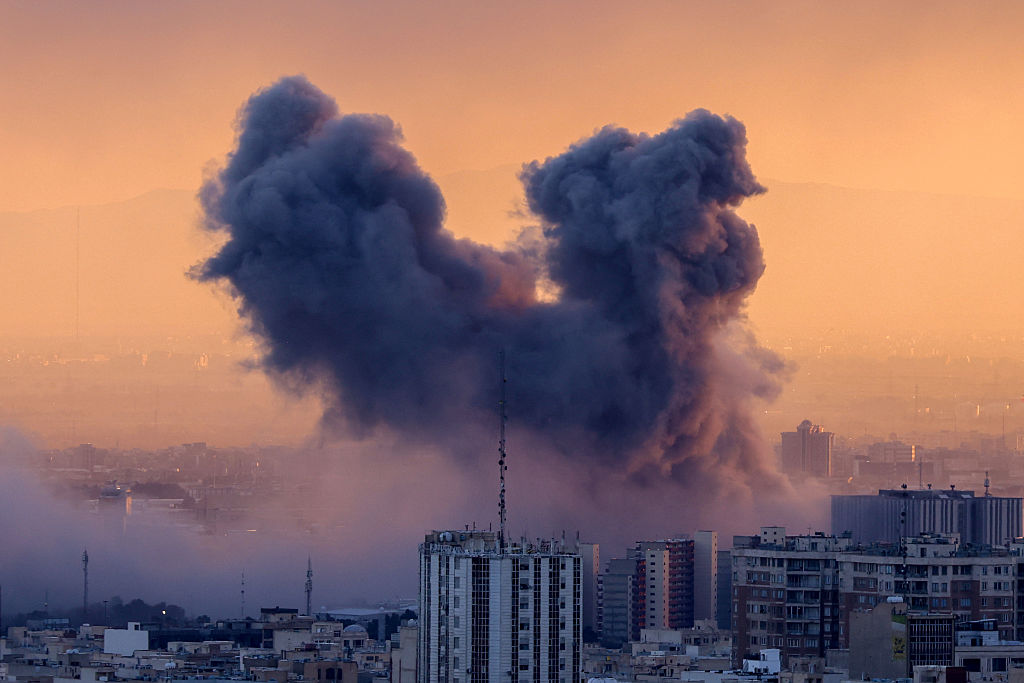
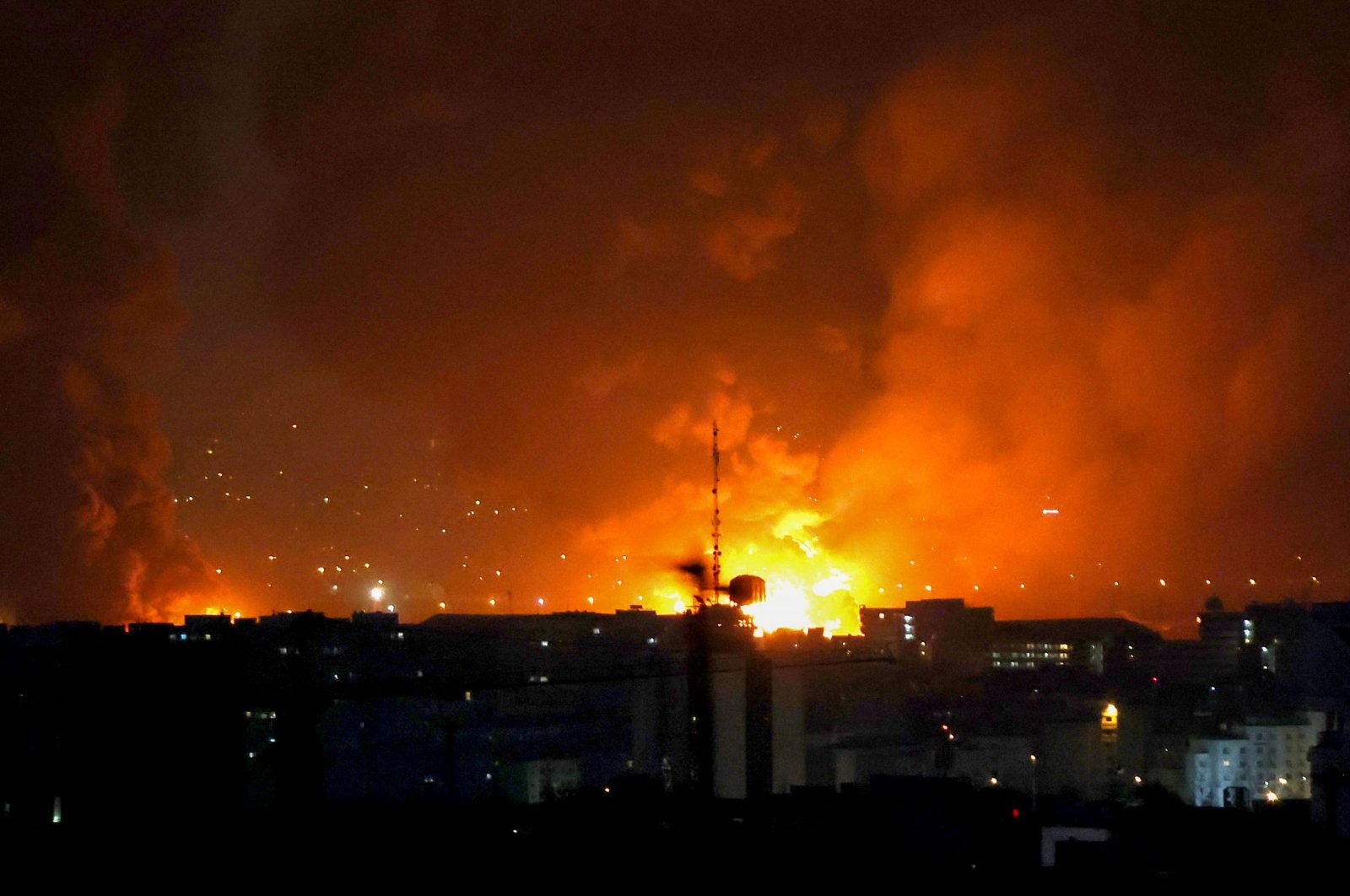
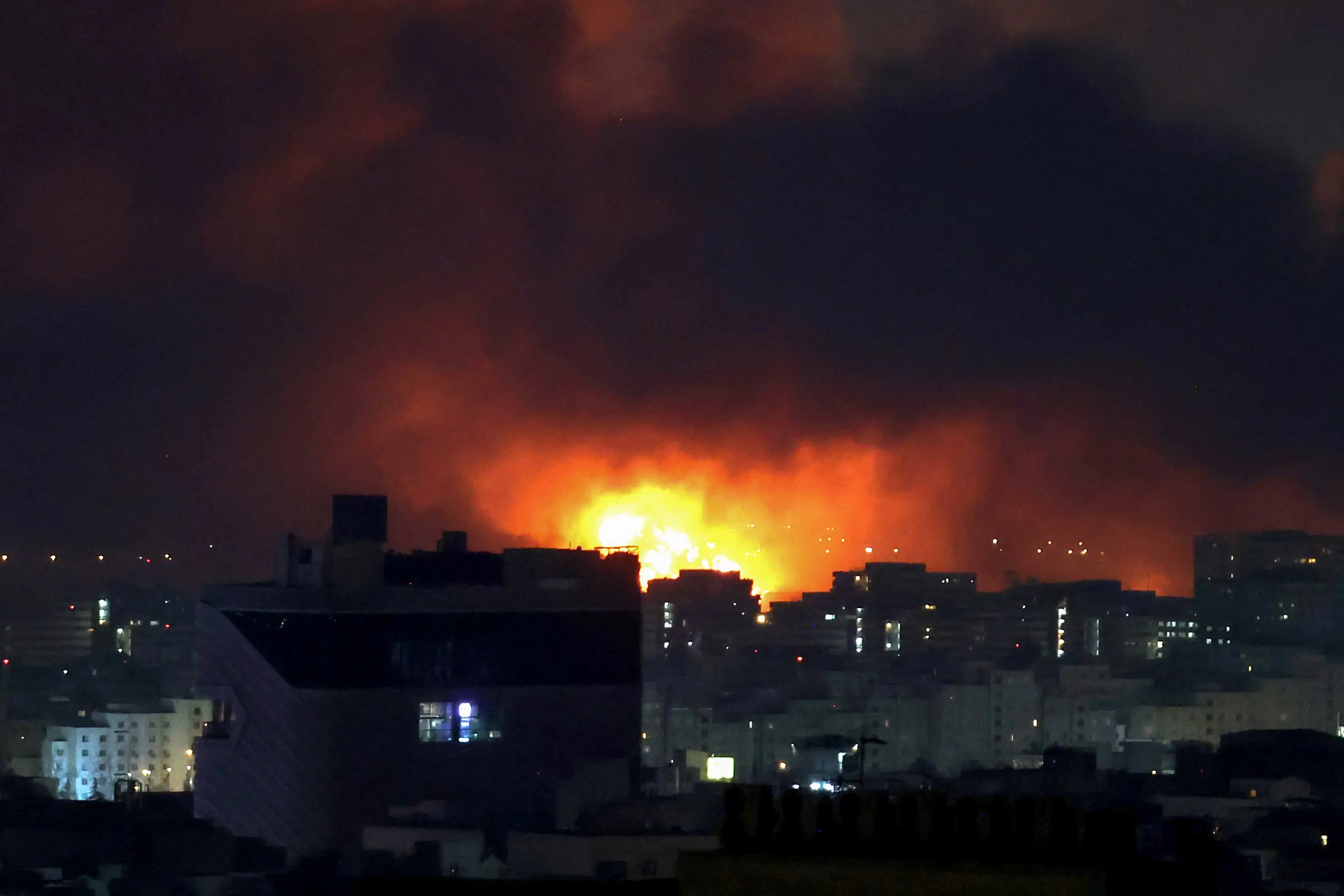
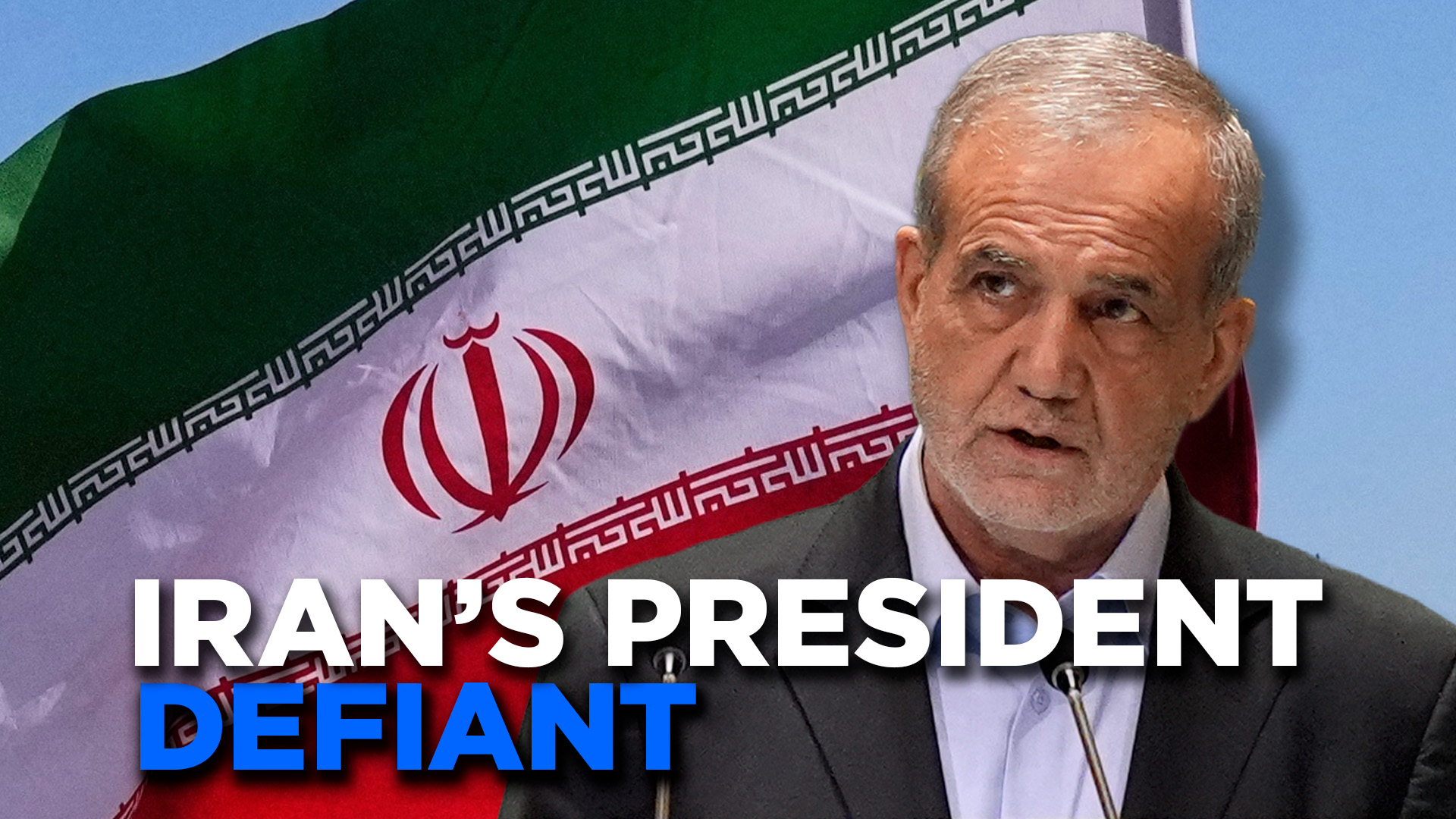
The escalating military tensions between Iran and Gulf Cooperation Council (GCC) states—including attacks on Kuwait, Qatar, Saudi Arabia, UAE, and Bahrain—represent a critical supply chain disruption event for cross-border e-commerce sellers. Iranian President Masoud Pezeshkian's contradictory messaging alongside the Islamic Revolutionary Guard Corps' (IRGC) hardline stance creates policy uncertainty that directly impacts logistics infrastructure, shipping insurance premiums, and delivery reliability across the Middle East region. The reported strikes on critical infrastructure including water desalination plants signal potential disruptions to port operations and customs processing facilities that handle approximately $180B in annual regional trade.
For cross-border sellers, this geopolitical volatility translates into immediate operational costs and strategic sourcing decisions. Sellers shipping to GCC markets (UAE, Saudi Arabia, Qatar) via major ports like Jebel Ali (Dubai) and Hamad Port (Qatar) face 15-25% increases in maritime insurance premiums due to heightened risk assessments. Logistics providers including DHL, FedEx, and regional 3PLs have already implemented surcharges on shipments to conflict-adjacent zones. Sellers with inventory positioned in UAE fulfillment centers—a major regional hub for Amazon FBA and Shopify merchants—face potential delays of 5-10 business days as customs authorities implement enhanced security screening. The mixed messaging from Iranian leadership creates unpredictability about future escalation, making it difficult for sellers to forecast delivery timelines and customer satisfaction metrics.
Strategic sourcing implications are equally significant. Sellers currently sourcing electronics, textiles, and machinery from Iran-adjacent manufacturing regions (particularly through Turkish and Emirati intermediaries) face supply chain fragmentation. The uncertainty around port operations and air freight corridors incentivizes sellers to diversify sourcing toward Southeast Asia (Vietnam, Thailand, Indonesia) and India, where tariff advantages under RCEP and bilateral trade agreements provide cost offsets. Sellers with existing GCC customer bases should anticipate 8-12% margin compression from increased logistics costs, while those positioned to serve alternative markets (North Africa, Sub-Saharan Africa via Red Sea routes) may face temporary competitive advantages as competitors withdraw from the region.
Compliance and risk management become critical. Sellers must verify that their 3PL providers maintain adequate insurance coverage for Middle East operations and have contingency routing plans. Amazon Seller Central and Shopify merchants should monitor fulfillment center status updates for UAE and Saudi Arabia facilities, as any operational disruptions could trigger automatic order cancellations and negative seller ratings. The policy uncertainty window—likely 30-90 days before regional stability clarifies—represents a critical decision point for inventory positioning and market allocation strategies.
Questions 8
Which product categories face the highest supply chain risk from Middle East instability?
Electronics, machinery, and industrial components sourced through Middle East intermediaries face the highest risk due to longer lead times and higher insurance costs. Textiles and apparel with Turkish/Emirati manufacturing face 12-18% cost increases. Fast-moving consumer goods (FMCG) and perishables face the greatest delay risk due to customs processing slowdowns. Conversely, sellers in lower-risk categories (books, digital products, lightweight accessories) should consider temporary market expansion into GCC regions as competitors withdraw. Sellers should prioritize sourcing diversification for high-margin electronics and machinery categories first, as these typically generate 40-60% of revenue but face 20-25% cost increases. Use HS codes (HS 8471 for electronics, HS 6204 for apparel) to identify affected inventory and prioritize reallocation decisions.
How do sellers calculate the financial impact of Middle East supply chain disruption on margins?
Calculate impact using this formula: (Current Monthly Units to GCC × Average Shipping Cost × 20% Insurance Increase) + (Inventory Carrying Costs from 5-10 Day Delays × Daily Holding Cost Rate). For a seller shipping 1,000 units monthly at $8 average cost, the insurance increase alone equals $1,600/month. Add 5-day delays on 1,000 units with $0.50 daily holding cost = $2,500 additional carrying costs. Total monthly impact: $4,100 (approximately 8-12% margin compression on $35-50K monthly revenue). Sellers should model scenarios with 15%, 25%, and 35% cost increases to understand break-even points and determine which GCC markets remain profitable. Use Amazon Seller Central analytics and Shopify reports to identify which product categories and customer segments are most affected by delays and cost increases.