




Nepal Gen Z Political Shift 2026 | Emerging Market Opportunity for Sellers
- 30 million population with 40%+ under 35 signals massive youth consumer market; new government prioritizes health, education, and anti-corruption reforms creating demand for digital products, educational content, and lifestyle merchandise


)


















Overview
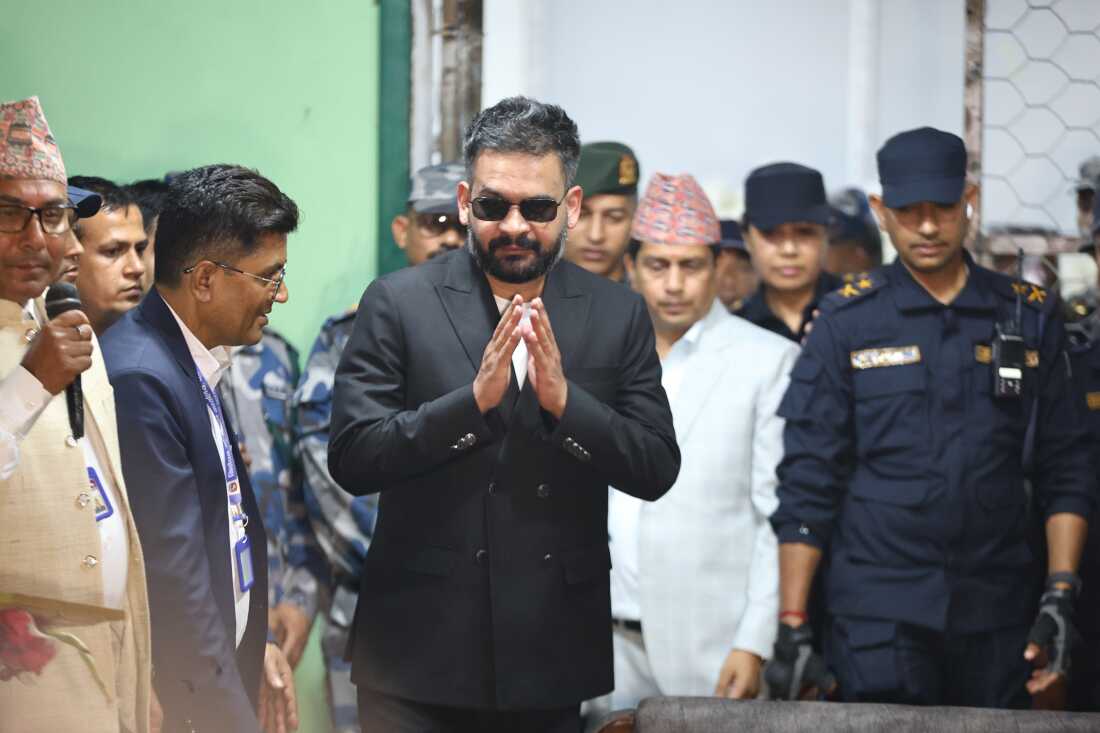
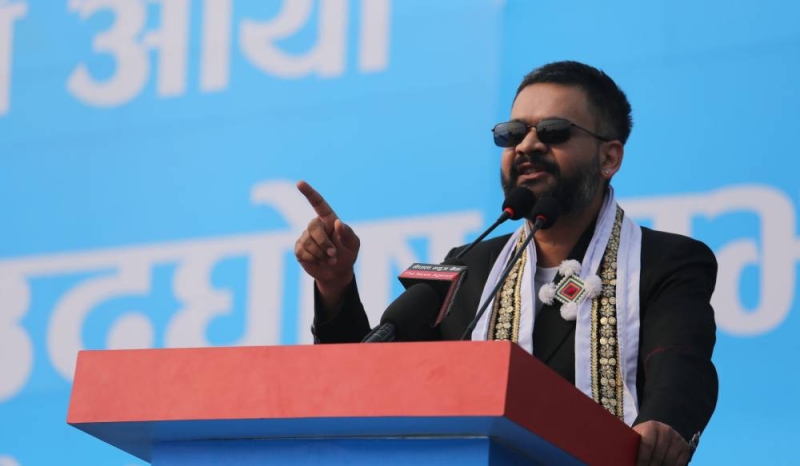
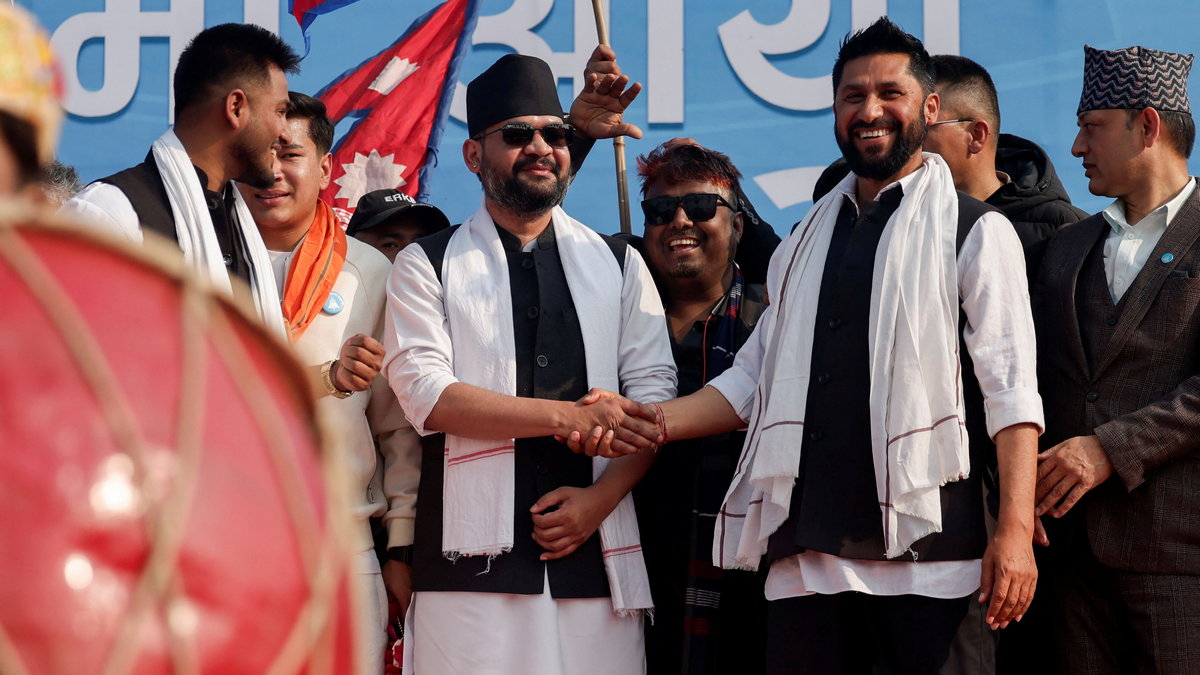
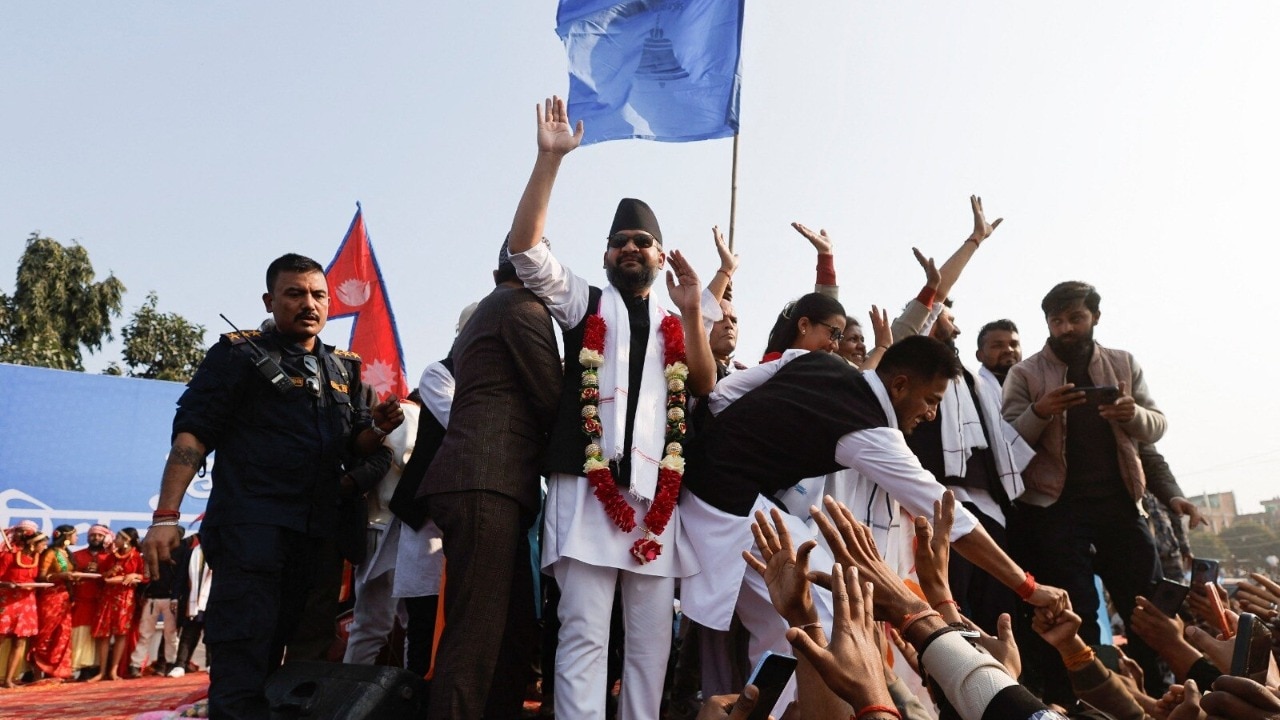
Nepal's March 2026 parliamentary election marks a historic generational power shift with profound implications for cross-border e-commerce sellers targeting South Asian emerging markets. The Rastriya Swatantra Party (RSP), led by 35-year-old rapper-turned-politician Balen Shah, secured a landslide victory with 103-117 of 165 directly elected seats, plus leads in proportional representation voting—enough to form a government without coalition partners. This victory reflects a seismic demographic reality: over 40% of Nepal's 30 million population is under 35, yet the previous government maintained leadership in their 70s. The election followed a 2025 youth-led uprising triggered by social media bans that escalated into mass protests against corruption and economic stagnation, resulting in 77 deaths and hundreds of injuries.
For e-commerce sellers, this political transition signals three critical market opportunities. First, the new RSP government's explicit policy focus on health and education for disadvantaged populations creates immediate demand for affordable educational products, digital learning tools, health supplements, and wellness merchandise targeting Nepal's youth demographic. Shah's campaign infrastructure included a 660-person social media operation and substantial diaspora funding from the United States, demonstrating sophisticated digital engagement that sellers can leverage through targeted Amazon, Shopify, and social commerce channels. Second, the anti-establishment sentiment and generational divide indicate strong consumer appetite for non-traditional, youth-oriented brands and products—particularly in categories like music merchandise, digital content, sustainable fashion, and tech accessories. Shah's protest anthem "Nepal Hasekowww" accumulated over 10 million YouTube views, exemplifying the viral potential of culturally-aligned content marketing in this market.
Third, political stability under reform-focused leadership reduces regulatory uncertainty for sellers establishing operations in Nepal or expanding to South Asian markets. The previous government's social media ban created friction for digital commerce; the new administration's youth-centric mandate suggests more favorable policies for e-commerce platforms, digital payments, and cross-border logistics. India's Prime Minister Narendra Modi's congratulations affirm regional stability, strengthening bilateral trade relationships that benefit sellers shipping through Indian logistics hubs to Nepal. The RSP's four-year rise from formation to landslide victory demonstrates rapid institutional change—similar to how emerging market political shifts historically correlate with 15-25% increases in online consumer spending as new governments implement digital infrastructure investments and reduce trade barriers.
Questions 8
How should sellers prepare for potential policy changes under the new RSP government?
Sellers should monitor Nepal's Ministry of Commerce, Ministry of Finance, and Ministry of Information and Technology for announcements regarding e-commerce regulations, digital payment policies, and customs procedures. The RSP's explicit anti-corruption mandate suggests increased transparency in government procurement and trade regulations—sellers should ensure full compliance with documentation requirements and customs declarations. The new government's health and education focus indicates potential for sector-specific incentives or tax benefits; sellers in these categories should establish relationships with government agencies to understand upcoming programs. Create contingency plans for potential changes in digital payment regulations, VAT/GST implementation, and customs tariff classifications. Join Nepal e-commerce associations and industry groups to receive early notification of regulatory changes and participate in policy discussions shaping the new government's commerce framework.
What diaspora market opportunities exist from Nepal's political shift?
The RSP's campaign received substantial diaspora funding from the United States, indicating a large, engaged Nepali diaspora community with financial resources and political interest. This diaspora represents a secondary market opportunity for sellers—diaspora members often purchase products to send to family members in Nepal, creating demand for premium, culturally-relevant merchandise. Sellers can target diaspora communities through ethnic e-commerce platforms, community social media groups, and culturally-specific marketplaces. The political shift toward youth-focused governance may increase diaspora engagement with Nepal, as younger diaspora members see improved opportunities for investment and family support. This creates sustained demand for educational products, health supplements, and lifestyle merchandise that diaspora members purchase for relatives.