



Diplomatic Fragility Exposed: Border Tensions Unravel Trump's Mediation Efforts
- Geopolitical Instability Threatens Regional Peace Mechanisms in Southeast Asian Conflict Zone
















-693638f6d659e.jpg)
)























)

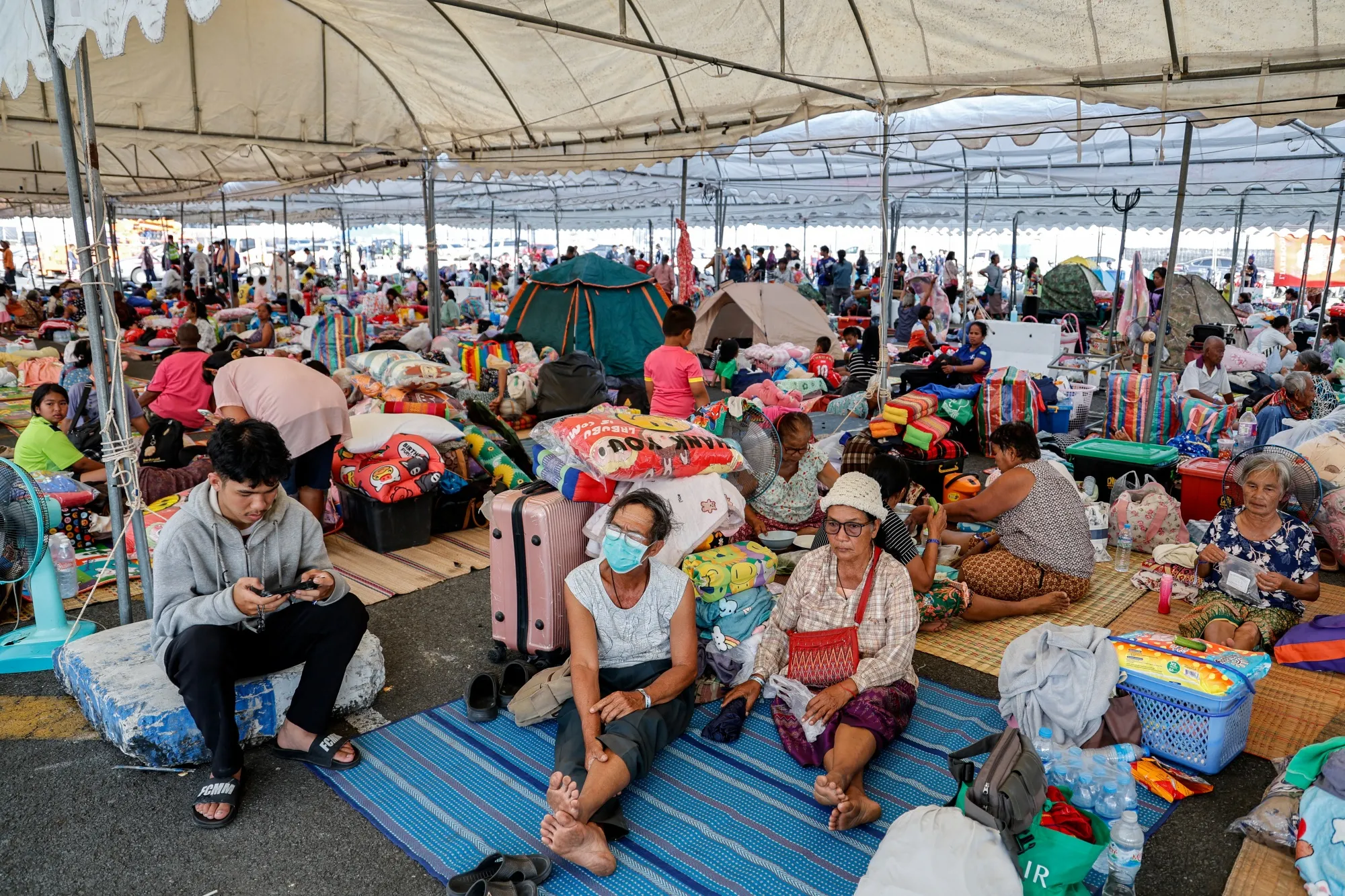




















Overview
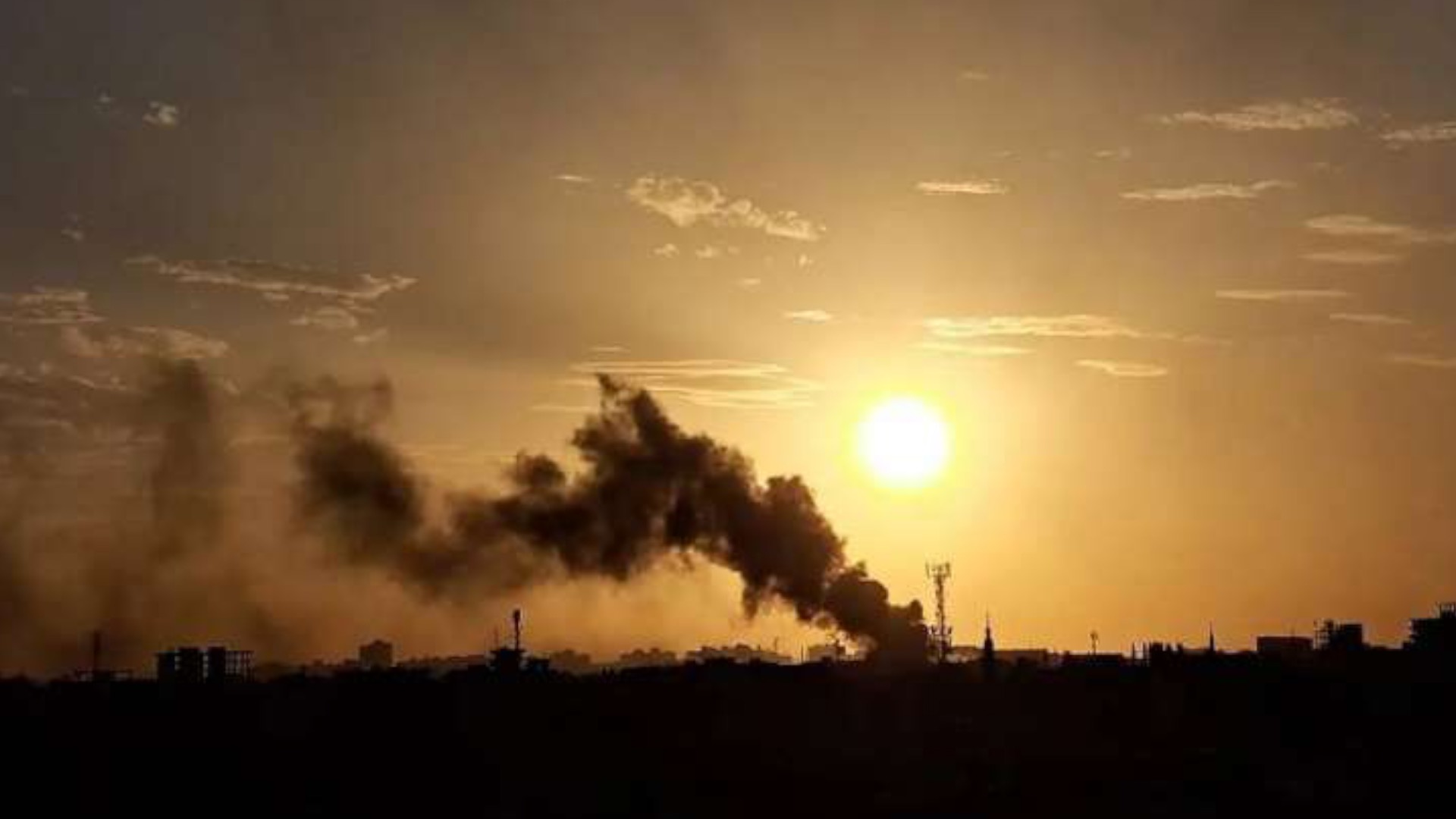
The Thai-Cambodian border conflict reveals a critical breakdown in diplomatic conflict resolution mechanisms, exposing the inherent fragility of externally brokered peace agreements. At the heart of this escalation lies a strategic military confrontation where previously negotiated cease-fire terms have dramatically unraveled, signaling deeper systemic tensions between the two nations.
Diplomatic Mediation Failure: The collapse of a Trump-era negotiated cease-fire demonstrates the limitations of external intervention in deeply rooted regional disputes. The airstrikes and mutual accusations between Thai and Cambodian troops indicate that underlying territorial and political tensions remain unresolved, despite previous diplomatic attempts at reconciliation.
Strategic Implications: This conflict represents more than a localized border skirmish—it reflects the broader challenges of maintaining regional stability in Southeast Asia. The rapid escalation from a negotiated cease-fire to active military confrontation suggests that diplomatic solutions remain tenuous, with military posturing quickly overwhelming fragile peace mechanisms.
The situation underscores a critical geopolitical dynamic: external mediation can temporarily suppress conflicts, but cannot permanently resolve deep-seated national tensions. Each side's willingness to restart hostilities and blame the other reveals the persistent mistrust and strategic calculations that undermine long-term regional cooperation.
For international observers and policymakers, this incident serves as a stark reminder of the complex geopolitical landscape in Southeast Asia. It highlights the need for more robust, locally-driven conflict resolution mechanisms that address root causes rather than merely imposing temporary diplomatic Band-Aids.
Questions 3
How might this conflict impact regional diplomatic relations?
The breakdown of the cease-fire could further erode trust between Thailand and Cambodia, potentially pushing other regional actors to reassess their diplomatic and military strategies. It may also encourage more militarized approaches to dispute resolution, undermining peaceful negotiation frameworks.
Why did the Trump-brokered cease-fire fail between Thailand and Cambodia?
The cease-fire collapsed due to deep-rooted mistrust and unresolved territorial tensions. Both Thai and Cambodian troops quickly resorted to military actions, indicating that the original diplomatic agreement was superficial and did not address fundamental strategic differences between the two nations.